

Dull, flaky, or unevenly textured skin sends plenty of people hunting for the gentlest chemical exfoliant on the shelf. Lactic acid has earned its reputation as the friendlier face of alpha hydroxy acids (AHAs): it loosens the glue holding dead skin cells together while pulling moisture into the surface. The trick is finding the right concentration, format, and supporting ingredients for your skin type, whether you want a daily serum, a body wash for keratosis pilaris, or a richer cream for rough patches. This shortlist covers nine lactic acid exfoliators across serums, creams, washes, and even a DIY powder, so you can match the format to your routine without overspending or overdoing it.
The Essentials At A Glance

YMEYFAN AS1 Hydrate Solution Facial Machine Serum (400ml, 3-Pack)

Medix 5.5 Glycolic + Lactic Acid Exfoliating Body Wash Gel (2-Pack)

CeraVe SA Moisturizing Cream for Rough Skin (12 oz)

Major Ammonium Lactate 12% Moisturizing Cream (4.9 oz, 2-Pack)

Talsen Chemicals Lactic Acid Powder for DIY Skincare (1 oz)
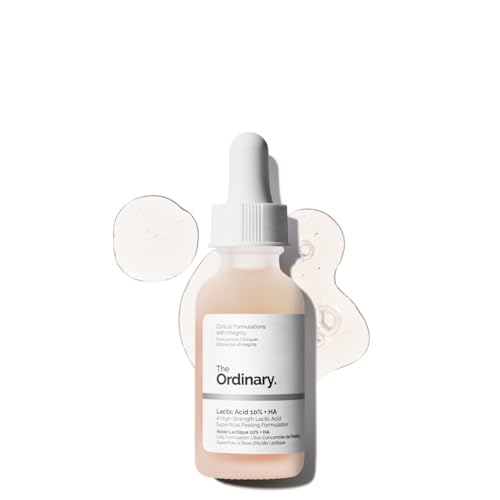
The Ordinary Lactic Acid 10% + Hyaluronic Acid 2% Serum (1 fl oz)

The Ordinary Lactic Acid 5% + Hyaluronic Acid 2% Serum

CeraVe Exfoliating Treatment with Glycolic Acid (1.7 oz)

Amlactin Intensive Healing Body Cream, 15% Lactic Acid (12 oz)
Inside Each Recommended Option
Hydration-focused lactic acid serum designed to pair with a hydrogen oxygen facial system. The 400 ml bottle is generous enough for multiple spa-style sessions at home, and the 3-pack keeps a backup ready so a session never gets cut short. Compared with the leave-on serums later in this list, this one is meant to be used during a machine treatment, which changes how it interacts with skin.
Anyone who already owns a compatible hydro facial device and wants a gentler exfoliating solution will find it a sensible add-on. The lactic acid base is mild, and the format is well suited to aging skin that prefers non-irritating resurfacing over stronger at-home peels.
What Earns Its Place
- Mild lactic acid base fits aging or reactive skin.
- Three-bottle pack lowers the per-session cost for regular machine users.
- Liquid format flows smoothly through hydro facial tubing.
- Designed to deliver hydration alongside gentle exfoliation.
Things To Consider
- Requires a compatible facial machine; not a leave-on serum.
- Bottle size may be excessive for someone trying lactic acid for the first time.
Whose Vanity It Belongs On
Owners of hydrogen oxygen facial systems who want a milder exfoliating serum than the device’s default solutions.
Swap It Out When
Anyone wanting a leave-on lactic acid serum should reach for The Ordinary Lactic Acid 5% + Hyaluronic Acid 2% instead.
Foaming AHA body wash that pairs glycolic and lactic acid in a sulfate-free base, intended for bumpy skin on arms, legs, and buttocks. Where the creams below stay on the surface, this lather works during a short contact time, which matters for shower routines. The peppermint and eucalyptus scent leaves skin feeling fresh rather than stripped, and the foaming pump is convenient for shared bathrooms.
People managing keratosis pilaris, ingrown hairs, or body breakouts will get more mileage here than from a facial serum. It is gentle enough to alternate with a plain cleanser on tougher days, and the 2-pack helps when one bottle lives upstairs and another downstairs.
What It Does Well
- Dual AHA system targets keratin buildup that causes bumpy texture.
- Sulfate-free base reduces dryness during regular showers.
- Works for both facial and body cleansing.
- Two-pack is convenient for shared households or gym bags.
Worth Noting
- Scent is noticeable; anyone sensitive to essential oils may want to patch test.
- Daily use on sensitive skin can push toward dryness if no follow-up moisturizer is applied.
- Contact time is short in a shower, so results build slowly over weeks.
Feature Snapshot
Who Should Grab It
Anyone working on keratosis pilaris or body breakouts who prefers a wash-off format over a leave-on serum.
Look Elsewhere When
For purely facial resurfacing, the Medix wash is overkill and a leave-on serum like CeraVe Exfoliating Treatment fits the routine better.
Cream-to-skin formula that pairs salicylic acid, lactic acid, and hyaluronic acid in one non-greasy base, built for bumpy body skin. The 12 oz tub covers generous real estate, which makes it a sensible choice for thighs, upper arms, and feet. Unlike the Medix wash, this one stays on the skin and keeps working after application.
First-time AHA users get a forgiving entry point here, because salicylic acid softens the exfoliating load and hyaluronic acid buffers moisture loss. People rebuilding a barrier after overuse of stronger peels also tend to find this cream more sustainable day to day.
Practical Advantages
- Triple-acid plus humectant stack supports smoother texture without tightness.
- Non-greasy finish absorbs quickly under clothing.
- Large tub size fits family or shared-body routines.
- Developed for sensitive skin and commonly recommended by dermatologists.
Honest Caveats
- Jar packaging can introduce contamination if fingers dip in repeatedly; a pump or scoop helps.
- Lactic acid is not the headline active, so those wanting pure lactic acid may want the Major or Amlactin options.
Right Fit For
Beginners and barrier-conscious users who want exfoliation and hydration in a single body cream.
Reach For A Different Pick When
Anyone wanting a higher lactic acid concentration for very rough patches should look at Amlactin Intensive Healing Body Cream.
Straightforward 12% lactic acid cream formulated as ammonium lactate, with a pH range that aims for gentle daily use. The 2-pack extends value for households that use the cream twice a day on legs, feet, or hands. Where the CeraVe SA cream above mixes acids, this one keeps the formula focused on lactic acid alone.
Fragrance-free shoppers and anyone with reactive skin benefit from the minimal ingredient list. The cream doubles as a heavy-duty hand cream for people who wash their hands often and want a smoother surface without added perfume.
Real-World Strengths
- Single active acid makes results easier to track.
- Fragrance-free formula suits sensitive and eczema-prone skin.
- pH range of 4.5 to 5.5 supports daily wear.
- Doubles as a smoothing cream for callused hands and feet.
Points To Keep In Mind
- Higher lactic acid percentage can sting on freshly shaved or cracked skin.
- Lacks humectants like hyaluronic acid, so pairing with a serum on dry days helps.
- Thick texture may feel heavy in hot or humid climates.
Who It Suits Best
Fragrance-free shoppers with rough body skin who prefer a single-active formula over multi-acid blends.
A Better Fit Elsewhere
For an exfoliating serum with built-in hydration, The Ordinary Lactic Acid 5% + Hyaluronic Acid 2% covers that brief more directly.
Cosmetics-grade lactic acid in a fine powder, designed to be mixed into existing serums, masks, or moisturizers. The format appeals to hobbyists who want control over concentration rather than accepting a fixed formula. As a humectant, lactic acid also pulls moisture to the skin, which adds a hydration angle that ordinary acid-only powders lack.
Anyone with a stocked skincare shelf and a sense of pH will enjoy experimenting. Beginners without a pH meter or proper measuring tools should probably skip this one and start with a pre-mixed serum like The Ordinary Lactic Acid 5%.
Benefits That Matter
- Customizable concentration fits advanced routines.
- Fine powder texture blends into existing products without grit.
- Works as both an exfoliant and a humectant.
- 1 oz jar lasts through multiple formulation projects.
Practical Considerations
- Requires accurate measuring and pH awareness; miscalculated ratios can irritate skin.
- Jar should stay dry to prevent clumping; storage in a cool, sealed space matters.
- Not a finished product; no preservatives mean mixed batches have a short shelf life.
Feature Snapshot
Best Suited To
Hobbyist formulators comfortable with pH testing who want custom lactic acid concentrations.
Skip It When
Anyone wanting a ready-to-use serum should choose The Ordinary Lactic Acid 5% + Hyaluronic Acid 2% instead.
High-strength 10% lactic acid serum balanced by hyaluronic acid and Tasmanian Pepperberry extract to soften irritation. The water-based texture layers under most moisturizers and sunscreens, which makes it a realistic step in any evening routine. Compared with the milder 5% version, this one pushes for visible resurfacing faster.
Experienced AHA users chasing smoother texture and brighter tone get a serious tool here. Newcomers should patch test and start at twice a week, because the strength is real. Daily sunscreen is non-negotiable the morning after, since exfoliated skin is more reactive to UV.
A Few Strong Suits
- 10% lactic acid concentration delivers noticeable resurfacing in weeks.
- Hyaluronic acid offsets dryness that high-strength acids usually cause.
- Pepperberry extract works as a buffer against visible irritation.
- Dropper format makes precise application simple.
Trade Offs
- Too strong for sensitive or first-time AHA users without a slow ramp-up.
- Sun sensitivity rises after use; sunscreen the next morning is essential.
- Small 1 fl oz bottle runs out quickly with full-face nightly use.
Made For
Experienced AHA users chasing faster texture refinement and willing to commit to daily sunscreen.
Consider Something Else When
Beginners should start with the gentler sibling, The Ordinary Lactic Acid 5% + Hyaluronic Acid 2%.
Lighter 5% lactic acid serum that mirrors the 10% version’s supporting cast, just dialed down for daily use on dry and sensitive skin. The water-based formula spreads easily and sinks in fast, which keeps layering simple. Compared with the 10% sibling, this one tolerates more frequent use without the same rebound dryness.
Dry or reactive skin types who have avoided chemical exfoliants get a welcoming entry point. People building a long-term texture routine often run this serum two to four nights a week and step up to the 10% only if needed.
Everyday Wins
- 5% lactic acid suits dry and sensitive skin without daily irritation.
- Hyaluronic acid boosts comfort during dry seasons.
- Tasmanian Pepperberry extract reduces visible redness.
- Plays well under richer night creams and oils.
Points To Note
- Visible brightening happens more slowly than with the 10% formula.
- Bottle lacks an opaque outer box, so storing away from direct light protects the actives.
Feature Snapshot
Perfect Match For
Dry or sensitive skin types who want a daily-friendly lactic acid serum with hydration built in.
Not Your Match When
Anyone needing serious resurfacing for advanced texture concerns should step up to The Ordinary Lactic Acid 10% + Hyaluronic Acid 2%.
Evening serum that combines glycolic acid with lactic acid, then layers in licorice root extract to address uneven tone. The treatment targets dark spots, fine lines, and dullness in a single night-time step. Compared with the pure-lactic-acid serums above, the dual-acid approach accelerates surface turnover while keeping the formula gentle enough for weekly use.
Mature skin focused on age spots and texture will appreciate the targeted ingredient list. Anyone building a CeraVe routine around the SA Moisturizing Cream gets a face-specific companion here that fills the resurfacing gap.
Where It Excels
- Combined glycolic and lactic acid broadens the resurfacing effect.
- Licorice root extract supports a more even-looking tone.
- Evening-friendly formula layers well under richer night creams.
- Developed with ceramides familiar to CeraVe loyalists.
Less Ideal Details
- Designed for face use; body coverage becomes expensive.
- Fragrance-light formula still has a noticeable scent that some users dislike.
- Daily morning sunscreen is essential when using resurfacing acids.
Right Fit For
Mature skin types targeting dark spots and uneven texture as part of a night routine.
Look Elsewhere When
For body-only routines on rough patches, Amlactin Intensive Healing Body Cream is a more practical fit.
High-strength 15% lactic acid cream built for extremely rough skin texture, packaged in a generous 12 oz tub. The “no scrub, no rinse” format is exactly what tired legs and feet need after a long day: smooth on, no extra steps. Where the Medix wash rinses off in a few minutes, this cream keeps working through the night.
Anyone dealing with cracked heels, scaly patches, or post-shave bumps will find the strength satisfying. Sensitive skin should ease in slowly, because 15% lactic acid can sting on freshly exfoliated or freshly shaved areas until the skin acclimates.
Strengths Worth Knowing
- 15% lactic acid concentration tackles very rough skin efficiently.
- Leave-on format prolongs acid contact compared with washes.
- Large 12 oz jar covers legs, arms, and feet without running out fast.
- No-rinse routine fits evenings when shower time is limited.
Where It May Fall Short
- Strong concentration stings on freshly shaved or cracked skin until tolerance builds.
- Lacks the humectant support of serums, so pairing with a hyaluronic acid product on dry days helps.
- Texture can feel heavy in humid weather.
Best Suited To
Anyone tackling very rough body skin who wants a leave-on cream with a higher lactic acid concentration.
A Better Fit Elsewhere
For gentler daily work, Major Ammonium Lactate 12% Moisturizing Cream offers a softer entry at similar cost.
How To Choose The Right Lactic Acid Exfoliator For Your Routine
Lactic acid sits in the alpha hydroxy acid family, a group of water-soluble acids derived from fruit or milk sugars that loosen the bonds between dead skin cells. Compared with glycolic acid, lactic acid has a larger molecular size, so it penetrates more slowly and tends to feel gentler on reactive skin. That slower journey also lets it double as a humectant, meaning it draws water into the surface while exfoliating, which is why so many formulas include hyaluronic acid alongside it.
Match The Format To Your Skin Area
Body skin is thicker and tolerates higher concentrations, so a 12 to 15% lactic acid cream like Amlactin or Major Ammonium Lactate is realistic for legs and arms. Facial skin is thinner and more reactive, which is where lower-strength serums like The Ordinary Lactic Acid 5% earn their keep. For shower routines targeting bumpy skin, a wash like Medix 5.5 makes sense because the contact time is short and the lather covers broad areas.
Read The Supporting Ingredient List
Lactic acid alone can leave skin dry if used daily, which is why humectants like hyaluronic acid appear in so many serums. Soothing add-ins like Tasmanian Pepperberry extract or niacinamide help offset the sting that AHAs can cause. For dry climates, formulas with built-in hydration tend to outperform pure single-acid products.
Mind Concentration And Frequency
Higher percentages deliver faster visible change, but they also raise the risk of irritation and sun sensitivity. Beginners tend to do better starting at 5% and stepping up only if the skin acclimates. Sunscreen the morning after any lactic acid serum is non-negotiable, since freshly exfoliated skin is more reactive to UV.
Smart Shopping For Lactic Acid Exfoliators
Where Shoppers Go Wrong
Chasing the highest percentage on the shelf often backfires, because strength without tolerance leads to redness and peeling. Another common slip is layering lactic acid with other strong actives like retinoids or benzoyl peroxide from day one, which overwhelms the barrier. Patch testing on a small area behind the ear or inner arm for a few days gives a more honest read than a full-face application.
What The Higher Tier Buys
Stepping up to a 10% lactic acid serum or a 15% body cream generally buys faster visible resurfacing and richer supporting ingredients like Tasmanian Pepperberry extract or licorice root. The trade-off is more attention to sunscreen and a slower ramp-up period. For most households, a 5% serum paired with a 12% body cream covers both face and body without overspending or overdoing it. The upgrade feels worth it once your skin has shown it can handle the gentler formulas consistently.
Frequently Asked Questions
How often should I use a lactic acid exfoliator?
Most people do well starting two to three nights per week and adjusting based on how their skin responds. Higher concentration products may stay at once or twice weekly, while gentler 5% serums can sometimes handle nightly use after a tolerance builds.
Can I use lactic acid if I have sensitive skin?
Yes, but start with a lower concentration like The Ordinary Lactic Acid 5% and apply it over a moisturizer to buffer the sting. Fragrance-free formulas such as Major Ammonium Lactate 12% also help reduce the chance of irritation.
Should I rinse lactic acid off or leave it on?
It depends on the format. Serums like The Ordinary Lactic Acid 10% are designed to stay on the skin, while body washes like Medix 5.5 rinse off after a short contact time. Creams like Amlactin Intensive Healing are leave-on products that work best overnight.
Do I need sunscreen after using lactic acid?
Yes, daily broad-spectrum sunscreen the morning after any lactic acid product is strongly advised. AHAs increase sun sensitivity by removing the outer layer of dead cells that normally shield skin from UV.
Can I layer lactic acid with vitamin C or niacinamide?
Layering is usually safe, but spacing them across different parts of the day helps reduce irritation. Vitamin C works well in the morning, while lactic acid serums and niacinamide both fit comfortably into an evening routine.
