

Oily skin turns sunscreen shopping into a balancing act. You want broad UV protection without the midday shine slick or the clogged pores that come with heavy creams. The La Roche-Posay lineup keeps showing up in dermatologist conversations for a reason: the brand builds most of its facial SPFs around oil-free or matte finishes, plus thermal spring water that tends to sit comfortably on reactive complexions. This roundup walks through ten current options spanning mineral fluids, hybrid serums, and darker-tone-friendly tints, with notes on which formulas behave best for oily skin specifically and which ones lean more toward dry or sensitive profiles instead.
The Leading Options At A Glance

La Roche-Posay Anthelios Ultra-Light Fluid SPF 40

La Roche-Posay Mela B3 Anti-Aging Face Wash

La Roche-Posay Mela B3 UV Face Sunscreen SPF 30

La Roche-Posay Anthelios Kids Sunscreen Lotion SPF 50

La Roche-Posay Anthelios UVAir Sunscreen Serum SPF 50

La Roche-Posay Toleriane Double Repair Face Moisturizer

La Roche-Posay Toleriane Double Repair UV SPF 30

La Roche-Posay Anthelios Melt-In Milk SPF 100
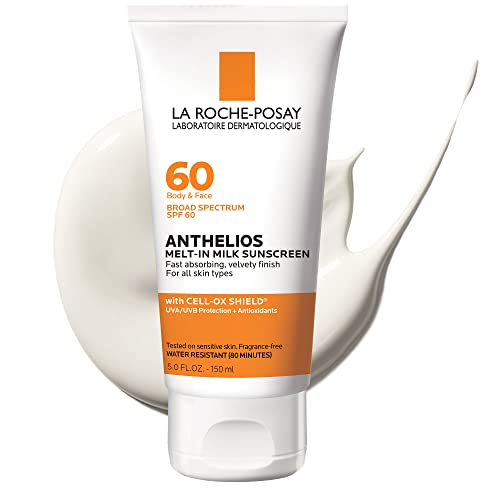
La Roche-Posay Anthelios Melt-In Milk SPF 60
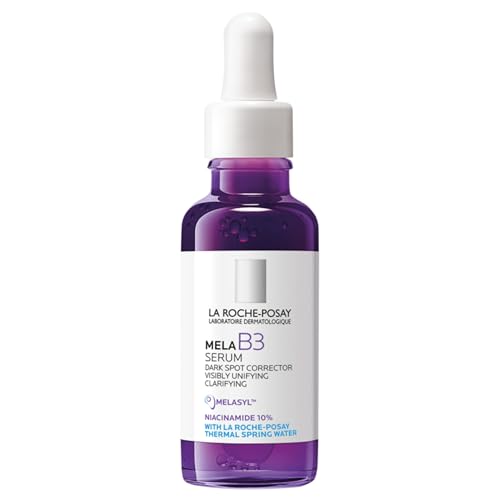
La Roche-Posay Mela B3 Niacinamide Serum
More On The Choices That Made The List
Of everything in this roundup, the Anthelios Ultra-Light Fluid sits closest to what oily-skin shoppers actually want from a daily sunscreen. It uses titanium dioxide, a mineral UV filter that sits on top of the skin rather than absorbing into it, and the brand markets the finish as oil-free and matte. In practice that translates to a fluid that disappears into the skin within a minute or two of rubbing, leaving behind a soft, slightly powdery base that makeup can grip onto.
The SPF 40 rating covers most urban and office-bound days comfortably, and the broad-spectrum claim means you’re getting both UVB and UVA coverage. Commuters who walk to the train or spend lunch breaks outdoors will appreciate that balance. Compared to the Mela B3 UV Face Sunscreen coming up at #3, this one skips the niacinamide treatment angle and focuses purely on sun protection, which keeps the formula leaner and faster to absorb.
What Pays Off
- Titanium dioxide mineral base suits reactive and sensitive complexions that react to chemical filters.
- Oil-free, matte finish reduces the midday shine that oily skin tends to develop under heavier creams.
- Fluid format absorbs in roughly a minute, so layering serum and makeup on top doesn’t feel like a wait.
- Broad-spectrum SPF 40 covers daily urban exposure for most office workers and casual outdoor time.
Trade Offs
- Mineral filters like titanium dioxide can leave a faint cast on deeper skin tones, so patch-test along the jawline first.
- The matte finish may feel slightly tight on combination skin through drier winter months without a hydrating serum underneath.
Best Suited To
Oily and combination skin types who want a lightweight mineral SPF for daily urban wear and want the finish to read matte, not dewy.
Look Elsewhere When
The La Roche-Posay Anthelios UVAir Sunscreen Serum SPF 50 suits shoppers who want an even lighter serum texture and don’t mind mineral actives.
The Mela B3 Face Wash earns its place here not because it’s a sunscreen, but because oily, hyperpigmentation-prone skin benefits enormously from a cleanser that addresses discoloration before the SPF goes on. The 6.76 oz size is generous for a twice-daily face wash, and the formula leans on two key actives: Melasyl, a brand-exclusive ingredient aimed at persistent dark spots, and niacinamide (a form of vitamin B3 known for brightening and supporting the skin barrier).
For someone layering the Mela B3 Serum and the Mela B3 UV Face Sunscreen from this list, this cleanser acts as the foundation of that routine. Oily skin responds well to gel-cream textures, and a wash that rinses clean without leaving residue won’t add to the shine problem later in the morning.
Everyday Perks
- Melasyl plus niacinamide combination targets stubborn dark spots during the cleansing step, when actives sit briefly but consistently on skin.
- Generous 6.76 oz bottle lasts around three months with twice-daily use, which helps justify a dedicated treatment wash.
- Rinses clean without a film, so it won’t compete with the matte finish of the SPF applied afterward.
Things To Consider
- It’s a treatment cleanser, not a sunscreen, so SPF still needs to come from a separate product later in the routine.
- Owners with very dry or stripped skin may find twice-daily use too active without a richer moisturizer in the mix.
Whose Shelf It Belongs On
Oily-skinned shoppers building a dark-spot routine around the Mela B3 line who want a brightening cleanser as the morning starting point.
Skip It When
The La Roche-Posay Toleriane Double Repair Face Moisturizer suits oily skin types who want barrier support first and aren’t focused on discoloration correction.
The Mela B3 UV SPF 30 sits in the sweet spot for oily skin that also struggles with post-acne marks, sun spots, or uneven tone. It blends niacinamide and the brand’s Melasyl active into a daily moisturizer-style sunscreen, so each morning’s application doubles as a treatment step. The 1.35 oz size is travel-friendly, and the lightweight cream texture spreads easily across the face without the heavy drag some treatment sunscreens carry.
Where it differs from the #1 Anthelios Ultra-Light Fluid is intent: that one focuses purely on sun protection, while this formula explicitly works on discoloration during the day. For oily skin, the trade-off is that you get treatment benefits in exchange for a slightly richer feel, though it still wears lighter than a typical moisturizer-plus-SPF combo.
Useful Strengths
- Built-in niacinamide targets visible dark spots and supports the skin barrier at the same time as UV defense.
- Functions as both morning moisturizer and sunscreen, shortening routines for people who don’t want a five-step lineup.
- Lightweight cream texture absorbs without the slick residue that heavier treatment SPFs often leave.
- 1.35 oz tube fits easily into a gym bag or carry-on for reapplication during long days.
Honest Caveats
- SPF 30 is sufficient for daily use, but beach days or long outdoor exposure call for one of the Melt-In Milk options later in this list.
- Owners report that layering it under silicone-heavy primers can occasionally cause pilling, so apply thinly and let it set first.
Perfect Match For
Combination to oily skin types managing dark spots who want to combine UV protection and niacinamide treatment in a single AM step.
Not Your Match When
The La Roche-Posay Anthelios Melt-In Milk SPF 60 fits beach and pool days where water resistance and higher protection matter more than treatment actives.
The Kids SPF 50 lotion lands on this list because it’s pediatrician-tested and dermatologist-tested, with an 80-minute water resistance claim that holds up during pool days. The formula is oxybenzone-free, which matters for parents who avoid that specific chemical filter, and it leans on Cell-Ox Shield technology to deliver both UVA and UVB coverage with antioxidants.
For oily-skinned adults who want a body SPF that doesn’t transfer onto clothing or leave a greasy cast, this lotion is a surprisingly reasonable pick. It blends across skin tones without the heavy white residue some mineral-leaning sunscreens leave, and the texture sands off easily rather than clinging to skin. Where it differs from the Melt-In Milk options coming up is in its framing toward sensitive users rather than maximal UV protection.
Useful Touches
- Pediatrician and dermatologist testing means the formula avoids common irritants, which translates well to sensitive adult skin too.
- 80-minute water resistance makes it workable for pool days and beach outings without constant reapplication.
- Oxybenzone-free formulation appeals to shoppers avoiding that specific UV filter.
- Blends across skin tones without a heavy white cast, per the brand’s positioning.
Points To Note
- It’s a body lotion texture, so oily-skinned faces may find it heavier than the dedicated facial fluids earlier in this list.
- SPF 50 is generous, but very oily skin on the body may still want to blot the chest and back areas after application.
Right Fit For
Parents looking for one sunscreen the whole family can share, plus sensitive adults who want a body SPF that has been tested for reactive skin.
Consider Something Else When
The La Roche-Posay Anthelios Melt-In Milk SPF 100 suits shoppers who want the highest available protection for sun-burn-prone skin during long outdoor days.
The UVAir Sunscreen Serum is the newest-feeling option in this roundup, and it’s the one oily-skinned shoppers tend to describe as “barely there.” The texture is genuinely serum-like, almost watery on application, and it carries hyaluronic acid alongside a mineral filter system the brand calls MINER-ALL. SPF 50 broad-spectrum coverage sits comfortably above the daily minimum, and the Cell-Ox Shield technology pairs antioxidants with the UV filters.
Where it differs from the #1 Anthelios Ultra-Light Fluid is in the serum format and the inclusion of hyaluronic acid for hydration. Oily skin still gets moisture from this formula, just without the occlusive weight that some moisturizer-plus-SPF combos leave behind. For makeup wearers, the dry-touch finish means primer and foundation sit on a smooth surface rather than a tacky one.
A Few Strong Suits
- Serum texture absorbs almost instantly and leaves a breathable finish suited to oily and acne-prone skin.
- Hyaluronic acid pulls in lightweight hydration without adding oil or heavy emollients to the formula.
- Mineral filter system with antioxidants makes it a sensible pick for skin that’s reactive to chemical UV filters.
- SPF 50 covers more aggressive sun exposure than SPF 30 or 40 daily options.
Softer Spots
- Mineral actives can still leave a subtle cast on deeper complexions, so a swatch test along the jaw is worth doing first.
- Water resistance isn’t called out in the source listing, so pool days are better served by the Melt-In Milk formulas in this roundup.
Quick Facts
Who Should Grab It
Oily-skinned shoppers who want the highest daily SPF possible in a serum texture that disappears into skin and layers under foundation without pilling.
Another Choice May Suit
The La Roche-Posay Anthelios Ultra-Light Fluid SPF 40 fits anyone who wants a similar matte mineral finish but doesn’t need SPF 50 daily protection.
The Toleriane Double Repair moisturizer shows up in oily-skin routines not for SPF, but because barrier damage tends to make oiliness worse. When the skin barrier is compromised, sebum production ramps up as a compensatory response, which is why a ceramide-rich, prebiotic moisturizer can actually calm oily skin over time. The brand claims it restores the skin’s natural protective barrier in roughly an hour and delivers up to 48 hours of hydration.
Where it slots into this list is as the PM companion to any of the daytime SPFs above. Oily skin often resists heavy moisturizers, but this formula uses a lightweight cream texture that absorbs cleanly. Paired with the Toleriane Double Repair UV SPF 30 at #7, you get a morning-and-evening system that supports the barrier around the clock.
Advantages To Know
- Ceramide and prebiotic combination targets the skin barrier, which can indirectly reduce excess oil production.
- Up to 48-hour hydration claim means a single evening application can carry through busy mornings.
- Lightweight cream texture absorbs without sitting heavily on top of oily or acne-prone skin.
Some Limits To Know
- It does not contain SPF, so daytime UV protection still requires a separate product from elsewhere in this list.
- Shoppers seeking a single-step morning product will need the SPF 30 sibling at #7 instead.
Built With In Mind
Oily skin types with a compromised barrier who want a PM moisturizer that supports ceramide recovery without leaving a greasy film.
Swap It Out When
The La Roche-Posay Toleriane Double Repair UV SPF 30 suits shoppers who want a barrier-supporting moisturizer plus SPF in one step.
The Toleriane Double Repair UV SPF 30 is essentially the morning version of the #6 moisturizer, with SPF 30 broad-spectrum coverage built in. The formula combines ceramide-3, niacinamide, glycerin, and a high concentration of La Roche-Posay prebiotic thermal water, and the brand positions it as a dermatologist-tested moisturizer-plus-sunscreen hybrid. For oily skin that gets overwhelmed by multi-step routines, this consolidates hydration, barrier support, and UV defense into one step.
Compared to the Mela B3 UV SPF 30 at #3, this Toleriane sibling skips the dark-spot treatment angle and focuses on barrier repair plus broad-spectrum SPF 30. Oily skin without discoloration concerns often reaches for this one, while the Mela B3 version pulls ahead when post-acne marks or sun spots are part of the concern.
Practical Pluses
- Moisturizer plus SPF 30 combination shortens AM routines for oily skin that doesn’t tolerate layering.
- Ceramide-3 and niacinamide support barrier recovery while UV filters handle sun defense in one product.
- Glycerin and prebiotic thermal water deliver hydration without occlusive weight on oily complexions.
Practical Considerations
- SPF 30 is the minimum daily recommendation, so very sun-exposed days call for one of the higher-SPF picks in this list.
- Owners occasionally report that layering silicone-based primers over it can cause mild pilling if applied too soon after.
Feature Snapshot
Made For
Oily-skinned minimalists who want one AM product that hydrates, supports the barrier, and covers daily SPF needs without multiple layers.
Reach For A Different Pick When
The La Roche-Posay Mela B3 UV Face Sunscreen SPF 30 fits shoppers who also want niacinamide-driven dark spot correction in their morning sunscreen.
The Melt-In Milk SPF 100 is the highest-SPF option in this roundup, and the brand frames it specifically for skin that burns easily or sits in prolonged direct sun. The formula is oxybenzone-free and octinoxate-free, which matters for shoppers avoiding those particular chemical filters, and the milk texture is designed to blend across skin tones without leaving the heavy white cast some high-SPF sunscreens are known for.
For oily skin, the honest read is that SPF 100 lotions tend to feel richer than daily fluids, so this works best for beach days, long hikes, or outdoor work rather than office wear. Compared to the SPF 60 sibling at #9, the difference comes down to burn-prone skin needing every available bit of UVB protection during high-exposure activities.
What Stands Out
- SPF 100 coverage suits fair, burn-prone skin that struggles with lower-SPF options during outdoor exposure.
- Oxybenzone-free and octinoxate-free formulation aligns with filters that some dermatologists now recommend avoiding.
- Designed for both face and body, so one bottle covers a beach day without two separate products.
Factors To Consider
- Higher-SPF body milks generally feel richer than the daily facial fluids earlier in this list, so oily facial skin may want to stick to dedicated face SPFs.
- Travel-size packaging means heavy outdoor users will go through bottles faster than with larger formats.
Who Will Love This
Fair or burn-prone oily-skinned shoppers planning long beach days, hikes, or outdoor events who need the highest available UV protection.
Where A Sibling Pick Shines
The La Roche-Posay Anthelios Melt-In Milk SPF 60 fits oily skin that wants strong protection in a slightly lighter texture for everyday outdoor use.
The Melt-In Milk SPF 60 has been around long enough to feel like a classic, and the brand continues to position it as a daily-use body sunscreen with broader appeal than the SPF 100 version. It uses Cell-Ox Shield technology (a combination of UV filters and antioxidants), delivers 80 minutes of water resistance, and absorbs into a velvety finish that oily-skinned users generally describe as comfortable.
For someone whose oily-skin concerns extend to the chest, back, or shoulders, this formula often works as a body SPF during summer without the heavy drag of traditional sport sunscreens. It’s noticeably lighter than the SPF 100 sibling at #8, though still richer than the dedicated facial fluids in this roundup.
Notable Upsides
- SPF 60 broad-spectrum coverage sits comfortably between daily-use and high-exposure options.
- 80-minute water resistance covers pool laps, beach walks, and sweaty outdoor workouts.
- Cell-Ox Shield technology pairs UV filters with antioxidants, which helps defend against environmental stress.
- Velvety finish absorbs more cleanly than many sport sunscreens, which is a plus for body areas prone to breakouts.
Small Caveats
- It’s still a body sunscreen, so the face may do better with one of the dedicated facial fluids from earlier in this list.
- Reapplication every two hours during direct sun exposure is standard for any water-resistant SPF, which can feel tedious on long days.
Best Suited To
Oily-skinned shoppers wanting a body sunscreen for pool, beach, and outdoor workouts that absorbs without a heavy sport-sunscreen film.
Look Elsewhere When
The La Roche-Posay Anthelios Ultra-Light Fluid SPF 40 fits anyone who needs facial sun protection with a matte mineral finish for daily urban wear.
The Mela B3 Serum rounds out this roundup as the targeted treatment step that pairs naturally with the Mela B3 UV SPF 30 at #3. It’s formulated around niacinamide and the brand’s Melasyl active, with a serum texture designed to layer under sunscreen and moisturizer without pilling. For oily skin dealing with post-acne marks, sun spots, or general discoloration, a dedicated serum usually outperforms a treatment cleanser or treatment moisturizer alone.
Where it differs from the Mela B3 Face Wash at #2 is concentration and contact time: a serum sits on the skin rather than rinsing off, so the actives have more opportunity to work. Layered into a routine that includes a barrier-supporting moisturizer and a daytime SPF, it gives oily skin a credible dark-spot protocol without resorting to harsher acids.
Noteworthy Benefits
- Niacinamide concentration targets post-inflammatory hyperpigmentation left behind by old acne marks.
- Melasyl active works alongside niacinamide for stubborn discoloration that hasn’t responded to over-the-counter brighteners.
- Serum format layers cleanly under the Mela B3 UV SPF 30 and any of the Toleriane moisturizers in this list.
Worth Bearing In Mind
- The serum doesn’t include SPF, so daytime UV protection still depends on a separate product from this roundup.
- Discoloration correction takes consistent daily use over weeks, so impatient shoppers may want to set expectations accordingly.
The Right Fit
Oily-skinned shoppers with post-acne marks or uneven tone who want a serum to layer under a daytime SPF and PM moisturizer.
A Better Fit Elsewhere
The La Roche-Posay Toleriane Double Repair UV SPF 30 suits oily skin that wants barrier support plus sun defense without a dedicated discoloration serum in the mix.
What To Weigh Before Choosing A La Roche-Posay Sunscreen For Oily Skin
The first thing to settle is what kind of oily skin you’re working with. Sebum-heavy T-zones that turn shiny by noon want mineral or hybrid fluids with a matte finish, like the Anthelios Ultra-Light Fluid at #1 or the UVAir Serum at #5. Combination skin that breaks out only along the chin and jaw can usually handle the Toleriane Double Repair UV SPF 30 at #7, which adds barrier support without tipping into dewy territory.
Next, think about whether you want a pure sunscreen or a treatment-plus-SPF hybrid. The Mela B3 UV SPF 30 at #3 and the Mela B3 Serum at #10 both work on dark spots during the day, which matters if post-inflammatory hyperpigmentation is part of the concern. Shoppers whose oily skin is healthy but reactive should weigh the Toleriane pair at #6 and #7 more heavily, since barrier-supporting formulas can dial back sebum overproduction in the long run.
Finally, consider the use case. Daily urban wear calls for SPF 30 to 50 in a facial fluid or serum format. Beach, pool, and outdoor workouts are where the Melt-In Milk SPF 60 and SPF 100 options at #8 and #9 earn their keep, because water resistance and higher UVB protection actually matter during prolonged exposure. Building a small wardrobe across categories often works better than forcing one product to do everything.
Key Considerations Across These Picks
Where Shoppers Go Wrong
The most common slip is choosing SPF by number alone. SPF 100 sounds dramatically stronger than SPF 30, but the real-world UVB difference is much smaller than the label suggests, while the texture tends to be heavier, which can aggravate oily skin on the face. Another misstep is assuming “mineral” automatically means non-comedogenic, since titanium dioxide and zinc oxide formulas still vary widely in how they feel and wear. Patch-testing along the jawline before committing to a full bottle saves a lot of frustration.
Where The Extra Money Goes
Higher-tier picks in this roundup tend to invest in either filter technology or treatment actives. The UVAir Serum at #5, for example, pairs mineral filters with hyaluronic acid and antioxidants in a serum texture that’s harder to formulate than a basic lotion. The Mela B3 products at #3 and #10 include Melasyl, a patented ingredient the brand developed specifically for stubborn discoloration. Paying up usually buys either a more elegant texture, a multi-active formula, or both, which matters for oily skin that’s picky about how products layer.
Frequently Asked Questions
Which La Roche-Posay sunscreen is best for oily skin?
The Anthelios Ultra-Light Fluid SPF 40 at #1 and the Anthelios UVAir Sunscreen Serum SPF 50 at #5 are the strongest fits for oily skin on the face, thanks to their matte or barely-there finishes and mineral filter bases.
Is La Roche-Posay sunscreen safe for acne-prone skin?
Most La Roche-Posay facial sunscreens are formulated without heavy oils and lean on non-comedogenic mineral or hybrid filter systems, which generally suits acne-prone complexions. Patch-testing individual formulas is still smart, since “safe for oily skin” varies person to person.
Do La Roche-Posay sunscreens leave a white cast?
Mineral-based options like the Anthelios Ultra-Light Fluid and the UVAir Serum can leave a subtle cast on deeper skin tones, especially when applied heavily. The Melt-In Milk SPF 60 and SPF 100 are positioned to blend across a wider range of tones without heavy residue.
Can I use La Roche-Posay sunscreen under makeup?
Yes, the lighter facial fluids and serums in this roundup, particularly the Anthelios Ultra-Light Fluid, UVAir Serum, and Toleriane Double Repair UV, are designed to absorb cleanly under foundation and primer. Applying thinly and letting it set for a minute before makeup reduces pilling.
What’s the difference between the Mela B3 and Toleriane sunscreen lines?
Mela B3 products include niacinamide and Melasyl to address dark spots and uneven tone alongside sun protection, while Toleriane products focus on barrier repair with ceramides and prebiotics. Oily skin managing discoloration usually reaches for Mela B3, while oily skin with sensitivity reaches for Toleriane.
Final Verdict
Oily skin doesn’t have to settle for a sunscreen that pills, slides, or amplifies midday shine, and the La Roche-Posay lineup covers that brief more thoroughly than most brands. Start with the Anthelios Ultra-Light Fluid or the UVAir Serum for daily facial wear, layer the Toleriane moisturizer underneath if your barrier feels reactive, and reach for the Mela B3 trio if dark spots are part of the picture. Reserve the Melt-In Milk options for the days you actually need them, and the routine stays balanced year-round.
