

A crowded skincare shelf can make one active step feel harder than it should be. This roundup separates formulas containing retinol or other retinoids from Korean capsule creams and hydration serums that can complement a retinol routine, with attention to texture, ingredient focus, and everyday practicality.
The Choices Worth Comparing

medicube Capsule Cream Trio Set

medicube Tone & Firm Cream Duo

CLIV Carnosine Retinol Peptide Korean Hydrating Ampoule 1.01 fl oz

medicube Deep Vitamin C Cream

epii HPR PRO SHOT Cream 0.3% HPR, 0.1% Retinal, 0.05% Retinol

Generic Retinol Golden Micro Peptide Tallow Serum 100ml

La Roche Posay Hyalu B5 Serum
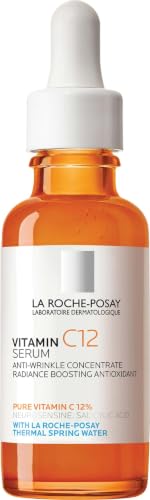
La Roche-Posay 12% Vitamin C Serum
What Each Pick Brings To The Table
The trio turns capsule blending into a more flexible routine than a single moisturizer. You can adjust the ratio of TXA, deep vitamin C, and PDRN capsule cream to suit different areas or changing preferences. That versatility makes sense for someone who wants several targeted textures without maintaining a separate jar for each one.
MediCube reports improved radiance after one use and again at 24 hours, although those figures come from the brand’s own assessment. The lightweight, non-sticky gel base is designed for daily use, and the trio offers a practical way to vary a routine while keeping the format consistent.
Real Benefits
- Three capsule formulas provide distinct active choices within one system.
- Adjustable capsule-to-gel ratios make texture easier to personalize.
- Brand-reported radiance results cover both immediate and 24-hour periods.
- The lightweight gel finish suits layering with other routine steps.
Practical Considerations
- Despite the capsule format, the trio does not provide a direct retinol or retinoid active.
- The brand suggests applying a small amount behind the ear before facial use to check your tolerance.
Core Details
Made For
This suits you when you enjoy mixing capsule formulas and want a lightweight moisturizer with several active choices.
Consider Something Else When
Choose the epii HPR PRO SHOT Cream when a direct retinol or retinoid formula is your main priority.
Where the Capsule Cream Trio offers three formula choices, the Tone & Firm Duo narrows the routine around vitamin C and PDRN. Liposomes are tiny carriers that help keep selected ingredients enclosed until they meet the skin. You can also change the capsule-to-gel ratio, giving the duo some of the same flexibility as the trio.
Its vitamin C side includes sea buckthorn extract, niacinamide, and vitamin C, while the PDRN capsule focuses on hydration and firmer-looking skin. That makes the pair more specialized than a basic moisturizer, though it remains a companion option rather than a source of retinol or retinal.
Reasons It Performs
- Adjustable blending lets you tailor the gel consistency.
- Encapsulated ingredients add a purposeful delivery format.
- Sea buckthorn, niacinamide, and vitamin C give the duo a more involved formula.
Small Caveats
- The duo lacks a direct retinol or retinoid active.
- Mixing the capsules and gel takes slightly more effort than using a ready-made cream.
- Multiple active ingredients may suit a routine built around gradual changes rather than a minimal approach.
Right Fit For
This fits you when you want capsule-based vitamin C and PDRN with control over the final texture.
A Better Fit Elsewhere
MediCube Capsule Cream Trio Set makes more sense for a person who wants TXA, vitamin C, and PDRN options in one set.
The balloon-shaped ampoule brings retinol, carnosine, and peptides into a compact Korean skincare serum. Carnosine is a naturally occurring dipeptide, while retinol is a vitamin A derivative; peptides are smaller protein fragments used in skin-conditioning formulas. The 1.01 fl oz size keeps it closer to a treatment serum than a full moisturizer.
That format works well for layering, especially when a routine needs hydration alongside a direct retinol step. You may find the compact bottle more convenient than a large pump, although the absence of a stated retinol concentration makes careful tolerance checks especially important. It offers a more direct active-ingredient approach than the vitamin C capsule creams.
What Stands Out
- Includes a direct retinol active alongside carnosine and peptides.
- Designed to support both hydration and smoother-looking skin.
- Compact size suits travel or a streamlined routine.
- Serum format layers neatly beneath moisturizer.
Things To Consider
- The retinol percentage is not stated, so potency is difficult to compare.
- The 1.01 fl oz size may need replenishing sooner than a larger bottle.
Quick Facts
Who Will Love This
This appeals to you when a lightweight serum with retinol and peptide support fits your routine better than a rich night cream.
Where A Sibling Pick Shines
The epii HPR PRO SHOT Cream makes more sense for a person who wants clearly listed retinoid percentages in a moisturizer.
Deep Vitamin C Cream is the streamlined choice within the capsule-cream range. It keeps the adjustable capsule and gel format, but concentrates the formula around vitamin C, sea buckthorn extract, and niacinamide. That gives you a simpler way to add radiance-focused care without maintaining three separate capsule options.
Compared with the Tone & Firm Cream Duo, this cream leaves out the dedicated PDRN capsule and carries a more compact visual identity. The adjustable ratio remains useful, but the real convenience comes from the reduced choice set. For everyday moisturizing, the honest read is that less customization can make the routine easier to follow.
Notable Gains
- Stabilized vitamin C capsules support a fresh formula format.
- Sea buckthorn and niacinamide add complementary skincare ingredients.
- The capsule-to-gel ratio can be adjusted for personal preference.
- Lightweight gel texture works well under sunscreen or makeup.
- A focused formula suits a simpler daily routine.
The Fine Print
- It does not contain retinol, retinal, or another listed retinoid.
The Right Fit
This suits you when vitamin C cream with adjustable texture feels more useful than a broad capsule collection.
Another Choice May Suit
MediCube Tone & Firm Cream Duo fits a routine that specifically values both vitamin C capsules and a separate PDRN capsule.
Unlike the vitamin C capsule creams, this 20mL moisturizer puts three retinoid forms directly into the routine. HPR is hydroxypropyl retinoate, while retinal and retinol are other vitamin A derivatives. Listing 0.3% HPR, 0.1% retinal, and 0.05% retinol makes the formula unusually easy to assess before adding it.
Its light cream format is designed for nightly use, with fine-line, texture, elasticity, and firmer-looking skin as the main goals. That makes it the most direct retinoid choice in this group, though the layered formula also calls for a more considered introduction than a basic moisturizer.
Strong Points
- Three clearly stated retinoids offer a more complex evening formula.
- Percentages help you compare potency with other direct retinoid products.
- The lightweight cream suits routines that dislike heavy night balms.
- Combining HPR, retinal, and retinol avoids a single-retinoid approach.
Where It May Fall Short
- A three-retinoid blend may require more patience than a single active.
- The 20mL package offers less product than the 100ml serum in this list.
- Daytime sun protection belongs in the routine when using a retinoid.
Technical Highlights
Built With In Mind
This fits a routine built around evening use, visible texture goals, and a preference for clearly disclosed retinoid percentages.
Swap It Out When
CLIV Carnosine Retinol Peptide Korean Hydrating Ampoule is a better fit when a lighter serum and compact size matter more than a cream base.
A tallow-based serum gives this option a different feel from the Korean gel and cream formats. Tallow is rendered animal fat, and the formula combines it with retinol and peptides for daily conditioning and moisture support. The “Golden Micro Peptide” wording comes from the product name, so the formula sheet remains the place to confirm the exact peptide identity.
At 100ml, the bottle is the largest format here and offers generous room for a facial serum. That scale works well for regular use, although a clearly stated retinol percentage would make tolerance planning easier. Unlike epii’s cream, this is a serum rather than a rich evening moisturizer.
Features That Help
- Combines a direct retinol active with peptide-based conditioning.
- Tallow gives the product a distinct, rich base for daily skin conditioning.
- The 100ml bottle is practical for regular facial use.
Some Limits To Know
- No retinol concentration is stated, limiting direct potency comparisons.
- The tallow base may not align with your preferred ingredient choices.
- Peptide details require a closer look at the label and ingredient list.
Feature Facts
Whose Shelf It Belongs On
This belongs on your shelf when you prefer a tallow-based retinol serum and want a generous daily bottle.
Reach For A Different Pick When
La Roche Posay Hyalu B5 Serum suits a person who prioritizes hyaluronic acid, glycerin, and vitamin B5 over a richer tallow base.
Hyalu B5 is built around moisture rather than a direct retinoid. Hyaluronic acid attracts and holds water within formulas, glycerin adds humectant hydration, and vitamin B5 supports a comfortable skin feel. Those ingredients make it a useful companion when your routine includes retinol but also needs a hydration-focused serum.
In a cited panel of 85 people using it twice daily, 91% reported that their skin felt smoother immediately. The brand also cites an instrumental measurement showing barrier repair within one hour. Compared with the tallow-based serum, this formula has a more conventional hydration profile and a clear emphasis on dehydrated, fine-line-prone skin.
The Value In It
- Combines hyaluronic acid, glycerin, and vitamin B5 for hydration.
- A rich serum texture supports a smooth, plush feel.
- Cited feedback emphasizes immediate softness after application.
- Designed as a hydrating companion for fine-line and elasticity concerns.
Points To Keep In Mind
- It does not provide retinol, retinal, or another direct retinoid.
- The rich texture may feel excessive for someone who prefers a gel serum.
Best Suited To
This suits you when dryness, softness, and barrier-focused hydration matter more than a direct retinoid active.
Not Your Match When
The epii HPR PRO SHOT Cream is the better fit for a person whose priority is a clearly concentrated evening retinoid.
Two formulas give this vitamin C serum a useful decision built into the package. One pairs 12% vitamin C with hyaluronic acid, while the other adds salicylic acid to the vitamin C and hyaluronic acid base. Hyaluronic acid supplies hydration, whereas salicylic acid is a beta hydroxy acid commonly used in routines focused on texture and clarity.
The vitamin C percentage is clearly stated, which helps distinguish this from the less specific “deep vitamin C” capsule formulas. Its radiance, hydration, and texture goals can complement a retinoid routine, but it does not replace a direct retinol source. The formula choice matters more than the headline percentage alone.
What Works In Its Favor
- States a clear 12% vitamin C concentration.
- Offers one hyaluronic acid formula and one salicylic acid option.
- Targets hydration, radiance, uneven-looking tone, and texture.
A Few Limitations
- Neither formula provides retinol, retinal, or another direct retinoid.
- The two versions suit different preferences, so the ingredient lists deserve attention before choosing.
Who Should Grab It
This fits a routine centered on vitamin C, hydration, and visible tone or texture goals.
Look Elsewhere When
MediCube Capsule Cream Trio Set makes more sense for a Korean-style routine built around adjustable capsule textures.
Matching Active Ingredients to Your Routine
Start by separating direct retinoids from companion formulas. Retinol, retinal, and HPR are related vitamin A derivatives, while vitamin C, PDRN, TXA, hyaluronic acid, and peptides serve different roles. A routine can include several categories, but adding a retinoid does not mean every cream needs to contain one.
Texture can determine whether a product becomes a daily staple. Lightweight capsule gels suit layering, ampoules work well beneath moisturizer, and richer creams may suit evening care or skin that feels dehydrated. Pay attention to how each formula feels after application rather than assuming a heavier texture will work better.
Concentration and ingredient disclosure deserve equal weight. The epii cream lists each retinoid percentage, while the CLIV ampoule and tallow serum do not state their retinol levels. Clearly defined percentages make comparisons easier, and a more complex blend may need a patient introduction. You can also check the full ingredient list for personal preferences, including tallow or salicylic acid.
Keeping Your Retinoid Routine Practical
Mistakes Worth Dodging
Avoid treating a capsule cream, vitamin C serum, or hydrating formula as a direct retinol substitute. Another common mistake is adding several active steps at once, which makes tolerance harder to judge. Check ingredient lists, introduce one formula at a time, and pair evening retinoid care with daytime sun protection.
What Separates Premium From Basic
Higher costs can reflect retinoid concentration, multiple active ingredients, specialized encapsulation, or a richer moisturizing base. The extra spend matters when you value precise percentages or a formula designed for a specific texture. A simpler cream can still be a sensible choice when your routine already includes the actives you need.
Final Thoughts
The strongest direct retinoid choice in this group is the epii HPR PRO SHOT Cream because its three percentages are clearly disclosed. For lighter layers, the CLIV ampoule offers retinol with carnosine and peptides, while the capsule creams and La Roche Posay serums make more sense as hydration, radiance, or vitamin C companions. Match the formula to the role you actually need, not simply the actives most prominently displayed on the front.
