

A sunscreen that disappears into your skin can make daily use much easier, especially before work, under makeup, or during a warm commute. The challenge is finding a formula that protects against ultraviolet exposure without leaving a pale cast, heavy residue, or an unwanted shine. Sun protection factor, or SPF, indicates how much sun exposure a product is designed to filter, while broad-spectrum coverage addresses both UVA and UVB rays.
The Choices Worth Comparing

medicube Just Dew PDRN SPF 50

Neutrogena Clear Face SPF 30

ISDIN Eryfotona Tinted SPF 50
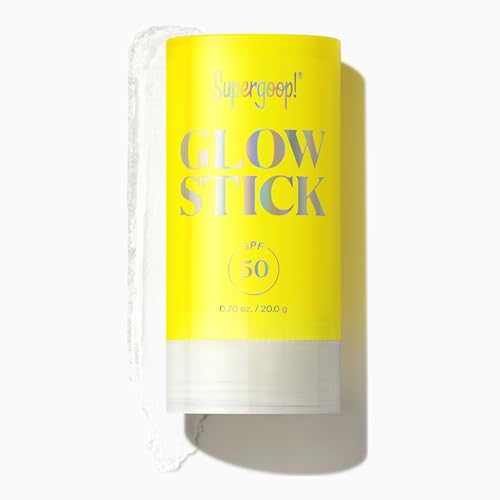
Supergoop! Glow Stick SPF 50
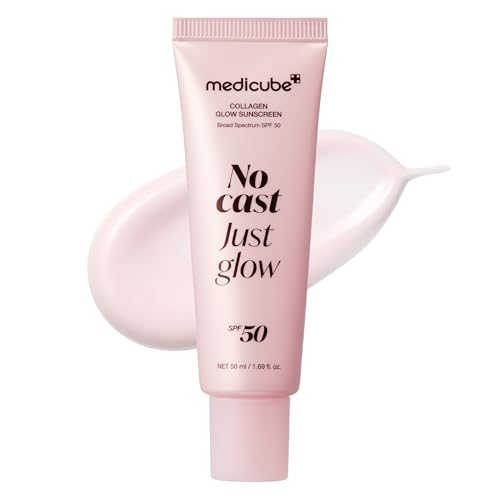
medicube Just Glow SPF 50

Colorescience Face Shield Flex SPF 50

Colorescience Color Balm SPF 50

Colorescience Brush-On Shield SPF 50
Inside Each Recommended Option
For a warm commute followed by hours under makeup, medicube Just Dew PDRN SPF 50 makes a straightforward case for lotion-style sunscreen. Its serum-like texture is designed to absorb quickly while adding moisture, which may feel more comfortable than a dense cream during humid weather.
Unlike the later Glow Stick, this formula focuses on facial hydration rather than portability or a dewy body finish. You’ll appreciate it most when your skin tends to feel tight after cleansing and you want sun protection that does not add a visible pale layer.
The Case For It
- Broad-spectrum SPF 50 coverage suits regular daytime exposure.
- The fast-absorbing serum texture reduces the need for a separate moisturizer.
- PDRN is the formula’s featured skin-conditioning ingredient.
- A no-cast design fits naturally beneath makeup or on bare skin.
Worth Noting
- Hydration may feel light rather than richly cushioned on very dry skin.
- The tube format is less convenient for repeated touch-ups than a stick or brush.
Key Specs
Made For
You’ll get the most from this formula if you favor a hydrating serum consistency and want broad-spectrum SPF 50 without a pronounced white cast.
Consider Something Else When
Choose the Supergoop! Glow Stick SPF 50 instead when reapplying throughout the day without touching your face is your main priority.
Neutrogena Clear Face SPF 30 is the practical choice for oily or acne-prone skin that dislikes rich facial products. Its water-light lotion texture is intended to sit comfortably without a heavy finish, which makes it useful for long days and straightforward skin-care routines.
Compared with medicube Just Dew PDRN SPF 50, this option offers a lower SPF but a more specific focus on lightweight wear for oilier complexions. The trade-off is meaningful in strong sun, so your usual exposure level matters more than the label alone.
Why It Works Well
- The thin lotion texture suits skin that becomes shiny through the afternoon.
- The formula is designed not to clog pores, making it a practical fit for acne-prone skin.
- SPF 30 offers a simpler option for everyday urban routines.
A Few Limitations
- SPF 30 provides less filtration than the SPF 50 formulas in this roundup.
- The 3 fl. oz size may need replacing sooner than a larger lotion bottle.
- Individual skin can still react differently to any new facial formula.
Right Fit For
This lotion suits you best if you have oily or acne-prone skin and prefer a low-complexity daily sunscreen routine.
A Better Fit Elsewhere
The medicube Just Glow SPF 50 offers higher SPF and a more hydrating serum concept for dry or cool-weather use.
ISDIN Eryfotona Tinted SPF 50 fits a morning routine where you want sunscreen, subtle coverage, and makeup base in one step. The mineral tint helps even the appearance of skin tone, so a lightly tinted layer may feel more natural than an entirely transparent formula on uneven complexions.
Unlike Neutrogena Clear Face SPF 30’s focus on oily-skin comfort, this option adds visible color and vitamin E. It also gives you SPF 50 protection, making it the more substantial choice for sun-exposed daytime routines.
Points In Its Favor
- The versatile tint can provide a more even-looking base without a full foundation step.
- SPF 50 gives stronger filtration than the SPF 30 lotion in the roundup.
- It can be worn beneath makeup for a simplified layering sequence.
- Vitamin E adds antioxidant support to the daytime formula.
Practical Considerations
- The tint may be more noticeable than a completely clear sunscreen.
- Mineral protection can sit differently on skin than the lighter lotion textures here.
Feature Snapshot
Best Suited To
This formula best suits you if you want broad-spectrum SPF 50 with a subtle tint and use makeup most mornings.
Another Choice May Suit
The Colorescience Face Shield Flex SPF 50 is a better alternative when you want more control over how much tint you apply.
The Supergoop! Glow Stick SPF 50 solves a problem most lotions cannot: reapplying without touching your face. Its dry-oil stick format fits in a bag and can be used on the face, chest, or shoulders, making it useful for a day at the beach or a flight.
That portability comes with a deliberate dewy finish. Compared with the matte-leaning ISDIN Eryfotona Tinted SPF 50, this option suits people who want visible luminosity and do not mind a glowier result.
Good Reasons To Consider
- The stick format supports quick, low-mess reapplication.
- SPF 50 provides strong filtration for outdoor routines.
- You can apply it to the face, chest, or shoulders for broader coverage.
- The dry-oil texture adds hydration and a visible glow without an oily-looking film.
Where It May Fall Short
- The dewy finish may feel too glossy for a strictly matte appearance.
- Sticks require more direct rubbing than a pump or squeeze bottle.
- Its glow-enhancing character may not suit every skin type.
Who Will Love This
You’ll love this stick if you travel often, enjoy a dewy finish, or want one product for your face and exposed upper body.
Not Your Match When
The medicube Just Dew PDRN SPF 50 is a better fit when a serum texture and a less pronounced glow suit your routine better.
medicube Just Glow SPF 50 is built for people who think sun protection can do more than filter ultraviolet rays. Collagen and peptides join cica and niacinamide in a broad-spectrum SPF 50 serum designed to leave skin smooth, hydrated, and radiant without the pale cast that frustrates many mineral formulas.
Compared with medicube Just Dew PDRN SPF 50, this version shifts the emphasis toward glow and conditioning ingredients. It may feel especially logical during cool, dry months, when a heavier cream can feel less comfortable.
What Helps Most
- SPF 50 and broad-spectrum coverage support year-round daytime care.
- Collagen and peptides give the formula a clear conditioning focus.
- Cica and niacinamide round out the skin-care ingredient blend.
- The no-cast serum texture is designed to avoid a pale residue.
Trade Offs To Consider
- More conditioning ingredients can mean a richer feel than the simpler Clear Face lotion.
- The glow finish may not match a completely matte preference.
Quick Facts
The Right Fit
This formula suits you if you want SPF 50, visible hydration, and a soft glow in one daily facial serum.
Swap It Out When
Choose the Neutrogena Clear Face SPF 30 instead when a very light, matte-leaning lotion matters more than conditioning ingredients.
Colorescience Face Shield Flex SPF 50 offers a more interactive way to apply color than the fixed tint in ISDIN Eryfotona Tinted SPF 50. Iron oxide pigments begin white and shift as you blend, allowing you to build a demi-matte layer that suits the level of coverage you want.
That blendable design makes the formula appealing for changing daylight and makeup needs. You can keep the result subtle for a casual morning or add more color for stronger coverage, depending on your complexion and routine.
Benefits That Matter
- Blendable iron oxide pigments let you adjust the level of tint.
- The mineral zinc oxide formula provides SPF 50 UVA and UVB protection.
- The product is also designed for pollution, blue-light, and infrared exposure.
- Its shifting white-to-skin-color finish targets the look of a pale cast.
Details To Watch
- The initial white appearance may concern you before blending begins.
- A mineral formula can require more blending than a conventional lotion.
Technical Highlights
Built With In Mind
This face shield suits you if you want mineral SPF 50 with adjustable tint and a polished demi-matte finish.
Where A Sibling Pick Shines
The Colorescience Brush-On Shield SPF 50 is easier to carry for powder-style touch-ups after your initial application.
Colorescience Color Balm SPF 50 compresses several morning steps into a small-format option for your lips and cheeks. The Golden Hour shade can be patted on with fingertips for a sheer look or applied more directly for stronger color, making the amount of intensity your decision.
Unlike the Face Shield Flex, which focuses on full-face tint, this balm targets smaller areas and can double as facial color. Its 12.5% zinc oxide mineral base also provides broad-spectrum SPF 50 protection.
A Few Highlights
- The multi-use format works on lips, cheeks, and other areas needing color.
- Fingertip application lets you adjust the level of visible tint.
- The 12.5% zinc oxide formula provides broad-spectrum SPF 50.
- Water and sweat resistance lasts 40 minutes.
Small Caveats
- A colored balm is not equivalent to a full-face sunscreen layer.
- The Golden Hour shade may not suit every skin tone.
- Water resistance still calls for attentive reapplication after heavy sweating or swimming.
Whose Shelf It Belongs On
This balm belongs on your vanity if you want one portable product for sheer lip and cheek color with SPF 50.
Look Elsewhere When
The Colorescience Face Shield Flex SPF 50 is the better choice for adjustable, broad-face color and a demi-matte finish.
Colorescience Brush-On Shield SPF 50 turns sunscreen application into a simple powder step. The built-in brush applies a tinted mineral powder to the face, which can be useful after makeup has settled or when you want a portable option that avoids squeezing product onto your hands.
Unlike the Colorescience Color Balm SPF 50, this option covers the face rather than adding color mainly to lips and cheeks. Its medium shade may work better for people who want subtle tint and powder-style reapplication.
The Good Stuff
- The brush applicator makes controlled, direct application simple.
- Zinc oxide and titanium dioxide create a 100% mineral sun filter.
- Hyaluronic acid powder adds a moisture-focused element.
- The formula resists water and sweat for 80 minutes.
- Antioxidants add support against pollution and free-radical formation.
Factors To Consider
- Powder format can feel less suited to very dry skin.
- The medium shade may not align with every complexion.
- Brush hygiene matters when the applicator touches skin repeatedly.
Feature Overview
Who Should Grab It
This brush-on shield suits you if you prefer guided, powder-style application and want a portable option for daytime touch-ups.
Reach For A Different Pick When
The medicube Just Glow SPF 50 is a more suitable choice when a hydrating serum texture matters more than a built-in brush.
What to Look for in a Truly Invisible Facial Sunscreen
The word “invisible” can describe a clear finish, but several formulas use tint to balance out the pale look associated with mineral filters. Your preferred level of color, skin type, and daily environment should guide that choice.
Match the finish to your skin
Oily or acne-prone complexions often favor lightweight lotions and powders because rich textures can feel excessive during humid afternoons. Dry or normal skin may respond better to serums and balms that supply moisture alongside SPF 50. A dewy stick suits people who actively want luminosity rather than a matte appearance.
Compare coverage without confusing it with protection
A tinted formula can make skin tone look more even, but that visual effect does not tell you whether it meets your preferred level of sun protection. Check for SPF 50 and broad-spectrum UVA and UVB coverage, then decide whether the finish is clear, tinted, powdery, or dewy.
Think about how and where you will use it
A stick or brush is particularly useful during travel, outdoor events, and touch-ups over makeup. Lotion and serum formats often feel easier to distribute evenly across the full face. For exposed areas beyond the face, consider a formula made for both the face and body or use separate products for each area.
Check the practical details
Water resistance, mineral filters, vitamin E, hyaluronic acid, and conditioning ingredients serve different purposes. Mineral filters suit those focused on the filter system, while added ingredients may influence the skin-care routine around it. Choose based on your priorities rather than assuming extra ingredients make one formula better for every routine.
Avoiding Common Sunscreen Mistakes
Common Shopping Slip Ups
A pale cast matters more to some complexions than to others, so do not judge a formula solely by its clear appearance in a container. Mineral sunscreens often use tint to offset that look, and liquid formulas can look different after they settle into the skin. You should also consider reapplication, since a convenient format may matter more than a longer initial wear time.
What The Higher Tier Buys
More costly facial sunscreens may add tinted mineral pigments, vitamin E, peptides, or specialized blending systems. Those details can improve appearance or simplify layering, but they do not replace choosing an appropriate SPF and finish. You’re paying for the formulation and application experience, not merely a higher number on the label.
The Takeaway
The most invisible sunscreen for your face is the one you can apply consistently without avoiding the mirror. Oily skin may favor Neutrogena Clear Face SPF 30, while hydration-focused routines fit either medicube serum. Tinted mineral formulas offer coverage, and sticks or brushes solve reapplication. Match the format, finish, and skin needs before making your final choice.
