

Dehydrated skin can make a simple routine feel less comfortable, whether you spend long days in air-conditioned offices or wash your face with hard water. A hyaluronic acid serum uses a humectant, an ingredient that attracts and holds water, to support a softer, more hydrated feel. These options add Centella, niacinamide, vitamin C, retinol, or exfoliating acids, so your best choice depends on whether you want moisture, a brighter complexion, smoother texture, or targeted discoloration care.
A Closer Look At The Lineup

NIDA Centella Hydrating Serum with Hyaluronic Acid 50ml
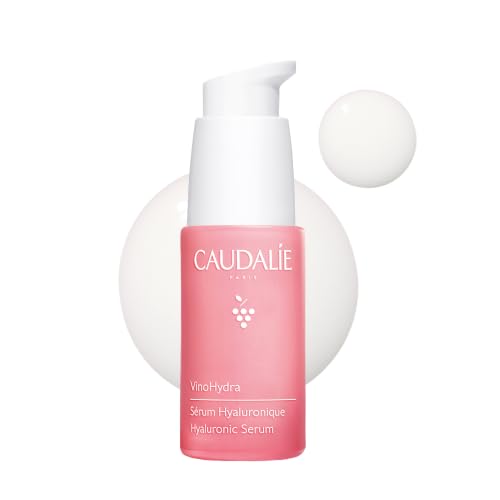
Caudalie VinoHydra Hydrating Serum 30 mL

KLOSE FRNDS Niacinamide Rice Extract Facial Serum with Hyaluronic Acid 1 fl oz

La Roche Posay Hyalu B5 HA Serum

La Roche-Posay Retinol B3 HA Serum

La Roche-Posay Effaclar Pore Serum
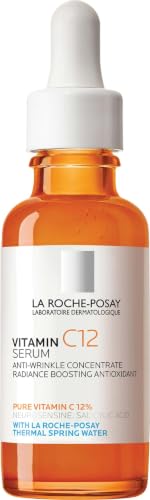
La Roche-Posay 12% Vitamin C Serum
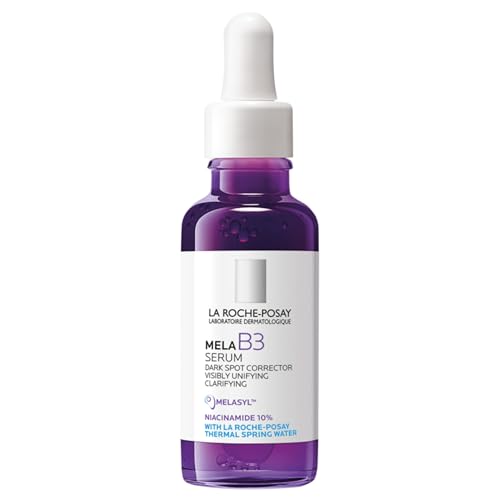
La Roche-Posay Mela B3 Serum
Inside Each Recommended Option
Skin that feels tight after cleansing often needs hydration, not a crowded shelf of separate treatments. NIDA Centella Hydrating Serum combines Centella asiatica with hyaluronic acid, giving you a straightforward formula for moisture and a calmer-looking finish. The 50 ml size also feels practical beside a sink or in a larger bathroom cabinet.
You may find this most useful during a simple morning routine, particularly when your skin needs moisture without an exfoliating acid or retinol in the mix. Compared with the richer formulas later in this list, its appeal lies in a narrower, easier-to-understand pairing of hydrating and soothing ingredients. The honest read is that this is a low-fuss way to make dehydrated-feeling skin feel more comfortable.
Notable Upsides
- Combines two complementary hydration-oriented ingredients in one serum.
- Centella adds a calming angle for skin that appears irritated or unbalanced.
- The straightforward formula suits a short daily routine.
- A generous 50 ml bottle is practical for regular use.
Points To Note
- Its benefits center on hydration and soothing rather than targeted wrinkle or discoloration correction.
- Check the ingredient list against other products in your routine to avoid stacking similar hydrators.
Quick Facts
Made For
You benefit most from this option if you want a simple hydrating serum for daily use and skin that values a soothing Centella pairing.
Another Choice May Suit
La Roche Posay Hyalu B5 HA Serum suits you better when a richer texture and added glycerin or vitamin B5 are your priority.
A serum that settles quickly matters in the gap between washing your face and applying moisturizer. Caudalie VinoHydra pairs hyaluronic acid with antioxidant-rich grape water in a lightweight, fast-absorbing formula designed to leave skin feeling soft and replenished. The 30 ml bottle keeps the focus on a straightforward daily treatment rather than a bulky routine.
Where NIDA adds Centella for a calming angle, this option leans into grape water and a lighter sensory profile. You may prefer it on mornings when several layers of skincare already follow, or during humid weather when a rich serum can feel more than you need. Nothing flashy stands out, and that restraint is exactly what makes it easy to use consistently.
What Earns Its Place
- Fast-absorbing texture works well before moisturizer or sunscreen.
- Grape water adds a botanical hydration element to the formula.
- The 30 ml size suits a compact bathroom shelf or travel bag.
Worth Noting
- This is primarily a hydration formula, so it is less targeted for dark spots, fine lines, or oily-skin concerns.
Who Will Love This
This serum fits you best when you prefer a light, quick-absorbing hyaluronic acid treatment for a streamlined morning routine.
Where A Sibling Pick Shines
KLOSE FRNDS Niacinamide Rice Extract Facial Serum offers a broader ingredient blend when you also want rice extract, Centella, licorice, and niacinamide in the formula.
A crowded ingredient list can be helpful when your skin needs several concerns addressed without adding many separate steps. KLOSE FRNDS Niacinamide Rice Extract Facial Serum combines niacinamide, rice extract, hyaluronic acid, Centella, and licorice in a lightweight treatment. Its smooth texture is designed to settle into the skin, making it a practical addition to a daily routine that includes hydration, radiance, and barrier support.
Compared with Caudalie VinoHydra’s grape-water focus, this formula covers more complementary ingredient roles. You may find it useful for skin that looks dull as well as dry, especially when your routine lacks a dedicated radiance product. The trade-off is complexity: more ingredients give you more ways to tailor the serum, but also make the full ingredient list worth checking before use.
Strong Points
- Five named botanical and skincare ingredients provide a broad formula.
- Niacinamide supports a more even-looking tone while hydration addresses a separate concern.
- Rice extract adds a smoothing and conditioning angle.
- Licorice and Centella complement the hydration-focused blend.
- The lightweight texture fits easily into a daily serum step.
Small Caveats
- It is less focused than a dedicated brightening or dark-spot serum.
- Review the complete ingredient list for personal sensitivities and avoid layering several similar routines unnecessarily.
Feature Snapshot
The Right Fit
You benefit most from this option when you want one lightweight serum to support hydration, radiance, smoother texture, and a balanced-looking complexion.
Reach For A Different Pick When
La Roche-Posay Mela B3 Serum is a stronger match when your main concern is visible sun spots, age spots, or post-acne marks.
Tightness that returns after moisturizer may call for more than a water-light gel. La Roche Posay Hyalu B5 uses hyaluronic acid with glycerin and vitamin B5 in a richer texture designed for deep hydration, a softer touch, and barrier support. It also targets visible fine lines, dehydrated skin, and elasticity, giving you one formula with several related moisture goals.
Unlike the lighter Caudalie VinoHydra or KLOSE FRNDS options, this serum is built around a fuller, replenishing feel. You may prefer it at night or whenever your skin feels especially dry, while those who dislike rich textures may find the lighter choices more comfortable. The formula is also identified as suitable for sensitive skin, though checking its ingredients against the rest of your routine remains sensible.
Real Benefits
- The richer texture suits skin that feels tight or depleted after cleansing.
- Glycerin and vitamin B5 complement hyaluronic acid for a more rounded hydration approach.
- Its stated goals extend from moisture and barrier support to the appearance of fine lines.
Honest Caveats
- The rich consistency may feel excessive if you prefer a fast-absorbing serum or live in a humid climate.
Key Product Details
Built With In Mind
This option suits you best when dryness, tightness, fine-line appearance, and barrier comfort matter more to you than a featherlight finish.
Not Your Match When
NIDA Centella Hydrating Serum with Hyaluronic Acid 50ml fits you better when you prefer a simpler Centella-led formula and a lighter everyday texture.
Hydration alone cannot address every sign of aging, and retinol gives you a different route than a moisture-only serum. La Roche-Posay Retinol B3 combines gradual-release retinol with vitamin B3, also called niacinamide, and hyaluronic acid. The formula targets the appearance of fine lines, wrinkles, dark spots, uneven texture, and sun-damage marks while keeping hydration in the routine.
Compared with La Roche Posay Hyalu B5, this is a more intensive choice because it adds a cell-turnover-supporting active rather than focusing on barrier hydration alone. You may prefer it as an evening treatment for skin that has already settled into a retinol routine, while first-time users should check the directions and introduce it thoughtfully. Nothing about the texture needs to be flashy; the formula earns attention through its combination of renewal and moisture.
Features That Help
- Gradual-release retinol supports a measured approach to nighttime use.
- Niacinamide complements the retinol with a tone and skin-condition focus.
- Hyaluronic acid adds moisture alongside the more active ingredients.
- One 1 oz bottle covers several anti-aging and hydration goals.
Practical Considerations
- Retinol is a more involved active than a hydration-only serum, so a beginner may prefer a simpler formula first.
- Avoid combining it with an exfoliating routine unless your skin care plan specifically calls for that approach.
Who Should Grab It
This serum suits you best when fine lines, uneven texture, sun-damage marks, and dryness are all part of your skincare priorities.
Look Elsewhere When
KLOSE FRNDS Niacinamide Rice Extract Facial Serum with Hyaluronic Acid 1 fl oz is a gentler fit when you want hydration and radiance without adding retinol.
Visible pores and oily-looking texture call for a different approach from simple replenishment. La Roche-Posay Effaclar Pore Serum combines glycolic acid, lipo-hydroxy acid, and hyaluronic acid to exfoliate the skin surface while supporting moisture. Lipo-hydroxy acid is a salicylic acid derivative with surface-renewing properties, while glycolic acid is an alpha-hydroxy acid used to improve the look of texture and tone.
Compared with La Roche-Posay Retinol B3, this formula shifts the emphasis from overnight renewal to exfoliation for oily skin. You may find it useful for pores, uneven texture, fine-line appearance, and a dull-looking complexion, especially when those concerns outnumber dehydration. The catch is that multiple active ingredients demand more thought about how you layer your routine, so the simplest moisture serums may be more comfortable for a minimal routine.
The Case For It
- Targets visible pores while addressing uneven texture and tone.
- Two exfoliating acids provide a more textured-skin-focused approach.
- Hyaluronic acid balances the exfoliating ingredients with a hydration component.
- Designed for oily skin that also shows signs of dehydration.
Where It May Fall Short
- It is too specialized for someone who wants hydration with minimal routine complexity.
- You may prefer a single hydrating serum rather than combining exfoliating acids with other active treatments.
- The formula is aimed at oily skin, so very dry or delicate skin may not align with its core purpose.
Feature Breakdown
Right For Your Routine
This option suits you best when oiliness, enlarged-looking pores, and uneven texture are your main concerns and you are comfortable using exfoliating acids.
Consider Something Else When
Caudalie VinoHydra Hydrating Serum 30 mL is a better match when your routine needs a light hydration step without exfoliating acids.
Dull skin often benefits from a formula that pairs antioxidant support with hydration. La Roche-Posay 12% Vitamin C Serum combines a 12% vitamin C concentration with hyaluronic acid to address uneven-looking tone, visible wrinkles, and texture while supporting moisture. A salicylic acid formula is also listed, giving you a choice that may align more closely with brightness and clarity goals.
Unlike La Roche-Posay Effaclar Pore Serum, which concentrates on exfoliation for oily skin, this option places vitamin C at the center of the routine. You may prefer it when dullness and an uneven-looking complexion are your priorities, especially with hydration alongside. The different formulas add a useful decision point, so read the description for each version before choosing the texture and active combination that suit you.
A Few Highlights
- The 12% vitamin C concentration gives the formula a clear antioxidant focus.
- Hyaluronic acid supports moisture while vitamin C addresses radiance and tone.
- Two formula choices offer a way to match brightness needs with your preferred active.
Details To Watch
- Vitamin C is a more targeted active than the Centella-led or grape-water hydration options.
- Confirm which of the two formulas and its active ingredients best fit your routine before adding it.
Made For
This serum suits you best when you want vitamin C, hyaluronic acid, and a brighter-looking complexion in one daily treatment.
Swap It Out When
KLOSE FRNDS Niacinamide Rice Extract Facial Serum with Hyaluronic Acid 1 fl oz fits you better when you prefer niacinamide-led radiance support with a broader botanical blend.
Sun spots, age spots, and post-acne marks call for a serum formulated around discoloration rather than general brightness. La Roche-Posay Mela B3 centers on niacinamide and targets visible sun spots, age-related spots, and post-inflammatory hyperpigmentation, the dark marks that can remain after blemishes heal. Its aim is a more even-looking complexion with a brighter, revitalized appearance.
Compared with La Roche-Posay 12% Vitamin C Serum, this is the more specific choice for existing discoloration. You may find it easier to add to a routine that already handles general hydration or antioxidant care elsewhere. The trade-off is focus: this serum answers a clearer pigmentation question, while vitamin C may appeal more to you when dullness and general radiance are the leading concerns.
Noteworthy Benefits
- Targets several forms of visible discoloration in one focused formula.
- Niacinamide supports a more even-looking skin tone.
- Works for sun spots, age-related spots, and post-acne marks.
Soft Spots
- Its narrow focus makes it less useful for general hydration than a hyaluronic acid-centered serum.
- Use it as a targeted step and assess how your existing routine layers rather than adding several brightening treatments together.
Core Details
Made For
You benefit most from this option when persistent-looking spots and post-acne marks are your primary complexion concerns.
Where Another Pick Suits Better
La Roche Posay Hyalu B5 HA Serum is a better fit when your main need is rich hydration and barrier comfort rather than targeted discoloration care.
What Matters Before You Choose
Start With Your Skin Goal
You can divide these serums by the result you want: light hydration from Caudalie VinoHydra, richer moisture from La Roche Posay Hyalu B5, and targeted pigmentation care from La Roche-Posay Mela B3. Retinol, vitamin C, and exfoliating acids create a different routine, so your primary concern should come before the ingredient list.
Read the Entire Formula
Hyaluronic acid supplies the shared hydration theme, but Centella, niacinamide, vitamin C, retinol, glycolic acid, and lipo-hydroxy acid each bring different considerations. Read the complete label, especially because combining several active ingredients can make your routine more complicated than you need.
Match the Texture
A lightweight serum can feel more comfortable in humid weather or during a fast morning routine. Richer hydration may suit skin that feels tight after cleansing, while exfoliating formulas fit more closely with oily, textured skin and a routine designed around active ingredients.
Think About Consistency
A treatment you enjoy using is easier to keep in your routine. Consider where it fits, whether you prefer a morning or evening step, and how it works with moisturizer and sunscreen before making the final choice.
Small Choices That Shape Your Routine
Common Shopping Slip Ups
The easiest mistake is choosing by “hyaluronic acid” alone while overlooking the other actives. Another is adding retinol, vitamin C, and exfoliating acids without a clear plan. You can avoid both by selecting one concern and checking how each formula fits into your existing steps.
What Separates Premium From Basic
Higher-priced serums often add targeted actives, richer textures, or larger sizes, but cost alone does not determine suitability. The useful upgrade is the formula that addresses your concern and fits your routine, whether that means extra hydration or a more intensive anti-aging approach.
Final Thoughts
Your best choice comes down to the result you need most. Light daily hydration calls for NIDA or Caudalie, a richer barrier-focused feel favors La Roche Posay Hyalu B5, and texture, radiance, wrinkles, or discoloration point toward the more targeted formulas. Choose the one treatment you will enjoy using consistently, then build the rest of your routine around it.
