

Your skin can feel tight after cleansing, dull after a long commute, or dry whenever the weather turns. A face oil can add a light layer of moisture, but the right formula depends on whether you want to cleanse, brighten, soften, or support your skin barrier.
These eight options cover different parts of a facial routine, from plant-derived squalane and concentrated face oils to daily moisturizers and brightening serums. The most useful choice is the one that fits your texture preferences and routine without making every step feel redundant.
The Lineup, Simplified

Trilogy Bakuchiol Oil 1 Fl Oz

PCA SKIN Daily Cleansing Oil

Dr Joe Lab Olive-Derived Squalane Oil for Face, Hair and Body, 16 oz
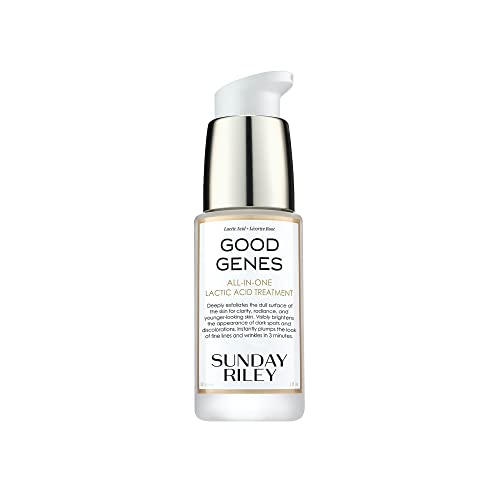
Sunday Riley Good Genes
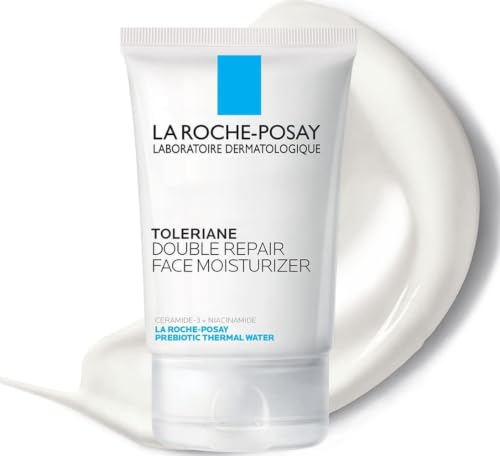
Toleriane Double Repair

Toleriane SPF 30 Moisturizer
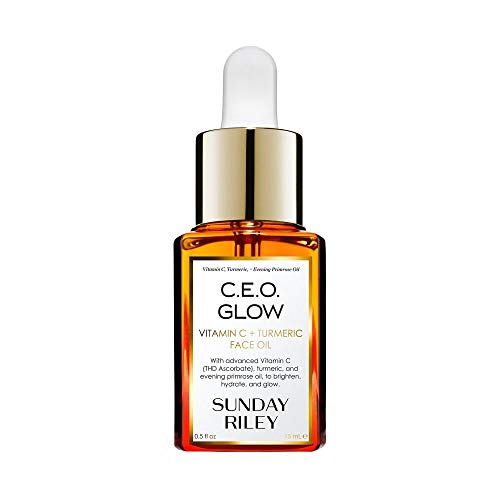
Sunday Riley C.E.O. Glow
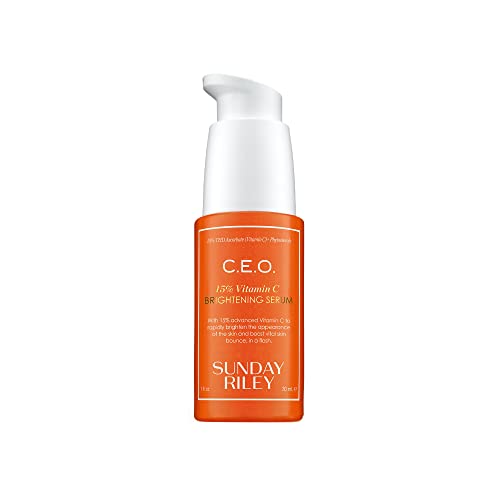
Sunday Riley 15% Vitamin C Serum
More On The Choices That Made The List
A small bottle of facial oil can be a practical choice for a routine that needs moisture plus a more targeted approach to visible aging concerns. Trilogy combines 2% bakuchiol, a plant-derived ingredient often positioned as an alternative to retinol, with rosapene, tamanu, and macadamia oils.
Unlike the lighter cleansing choices later in this list, this is a leave-on treatment for the finishing stages of your routine. It may make the most sense for mature, combination, or dry skin, particularly on nights when your complexion feels less comfortable. The small 1-fl-oz bottle also takes up less space than a bulk oil.
A Strong Showing
- Bakuchiol gives the formula a more specific aging-care angle than a basic carrier oil.
- Macadamia and tamanu oils support a softer, nourished feel without relying on a single botanical.
- Rosapene adds a focused component for uneven tone and the visible appearance of fine lines.
- The 1-fl-oz size is convenient for a bedside or travel bag.
Points To Note
- This remains a dedicated facial oil, so your routine may still need a separate moisturizer.
- The concentrated blend may feel richer than a light squalane oil during warmer weather.
Key Specs
Who Will Love This
You will likely appreciate this option if you want one facial oil to combine bakuchiol with nourishing botanical ingredients.
Look Elsewhere When
PCA SKIN Daily Cleansing Oil suits you better when makeup removal comes before hydration in your routine.
Makeup can make a simple evening routine feel unexpectedly long, especially after commuting through traffic or spending a full day in air-conditioned rooms. PCA SKIN Daily Cleansing Oil is designed for the pre-cleansing stage, dissolving makeup, skin oil, dirt, and daily residue before your regular cleanser.
That role differs from Trilogy Bakuchiol Oil 1 Fl Oz, which remains on the skin as a targeted facial oil. This lightweight cleanser is better suited to dry, oily, combination, normal, and sensitive complexions that need a gentle first step without a heavy post-cleanse feeling.
What Earns Its Place
- Targets the kinds of residue that accumulate over a full day of makeup and environmental exposure.
- The lightweight oil format suits multiple skin types, including dry and combination complexions.
- It can simplify a layered routine by tackling makeup before the usual face wash.
Trade Offs
- This is a cleansing step rather than a leave-on source of facial moisture.
- You will still need to account for it separately in a multi-step evening routine.
Feature Snapshot
Made For
This choice fits makeup wearers and beginners who want a straightforward cleansing step before moisturizer or facial oil.
Another Choice May Suit
Dr Joe Lab Olive-Derived Squalane Oil for Face, Hair and Body, 16 oz is a better match for a single oil shared across several care tasks.
A bottle that lives near the bathroom sink can serve several jobs without turning your cabinet into an oil collection. Dr Joe Lab uses an olive-derived squalane in an undiluted, cold-pressed carrier oil that can be applied to the face, hair, body, and cosmetic-making projects.
That versatility sets it apart from PCA SKIN Daily Cleansing Oil, whose practical role is removing residue. It also offers a simpler composition than Trilogy Bakuchiol Oil 1 Fl Oz, which combines several botanical oils with a defined active. The 16-ounce size is the tradeoff: useful for regular use, but bulkier than a dedicated facial treatment.
Everyday Advantages
- One bottle can cover facial, hair, and body care needs.
- Plant-derived olive squalane avoids relying on an animal-sourced form of the ingredient.
- The undiluted format keeps the product focused on squalane rather than a blend of carrier oils.
- A 16-ounce bottle may suit households that use oil regularly.
Practical Considerations
- The large bottle requires more storage space than a 1-fl-oz facial oil.
- Its broad cosmetic uses make it less specialized for targeted aging care.
The Right Fit
You will like this option if one plant-derived oil needs to work across your face, hair, body, and DIY cosmetic projects.
Reach For A Different Pick When
Sunday Riley C.E.O. Glow makes more sense for a targeted vitamin C facial oil rather than a versatile carrier oil.
Some skin concerns need more than moisture. Sunday Riley Good Genes uses lactic acid to loosen dull, pore-clogging surface cells, while licorice root adds a brightening component. It is a serum rather than a face oil, so it belongs beside your hydrating product rather than replacing it.
That makes this a useful companion to Trilogy Bakuchiol Oil 1 Fl Oz: the oil addresses moisture and visible aging concerns, while this formula focuses on exfoliation and clarity. You may find the liquid serum easier to layer on nights when your skin feels textured rather than simply dry.
What Makes Sense
- Lactic acid targets dull surface cells and helps reveal a smoother-looking complexion.
- Licorice supports the formula’s brightening focus.
- The lightweight serum format can sit comfortably beneath a moisturizer or facial oil.
Where It May Fall Short
- This is an exfoliating serum, not an oil that provides a rich emollient finish.
- A hydration-focused routine still needs a separate cream or oil after exfoliation.
Quick Facts
Whose Shelf It Belongs On
This formula belongs on your shelf when exfoliation and brighter-looking skin matter more to you than an oil finish.
Swap It Out When
Toleriane Double Repair is the better fit for a routine centered on barrier support and lasting moisture.
Daily moisturizer becomes easier to maintain when a single product handles both comfort and barrier care. Toleriane Double Repair combines prebiotic action with long-lasting hydration, and the formula is intended for use on both the face and neck.
Compared with Sunday Riley Good Genes, this option does not focus on exfoliation. It is the better fit for a straightforward routine in which your skin feels dry or reactive and you would rather keep the evening steps uncomplicated. The cream format also offers a different finish from the oils reviewed elsewhere.
Positive Points
- Prebiotic action supports a more comfortable, balanced-looking complexion.
- The formula is designed to restore the appearance of the skin’s protective barrier.
- Long-lasting moisture makes it practical for normal daily wear.
- Face-and-neck use reduces the need for a separate neck cream.
Less Ideal Details
- You prefer a watery serum or a botanical oil, this cream may not match your preferred texture.
- Daytime users need to consider how it fits alongside separate sun protection.
Right Fit For
This moisturizer suits you when barrier support and simple daily hydration matter more than a treatment-focused routine.
A Better Fit Elsewhere
Trilogy Bakuchiol Oil 1 Fl Oz suits you better when you specifically want a leave-on oil with bakuchiol and botanical oils.
A morning routine can lose steps when moisture and sun protection are handled separately. Toleriane SPF 30 Moisturizer combines SPF 30 with glycerin, niacinamide, ceramide-3, and La Roche-Posay prebiotic thermal water in a lightweight face moisturizer.
Its main advantage over Toleriane Double Repair is the added SPF 30, while its lightweight texture makes it more suited to daytime layering than a heavier oil. The formula also includes 48-hour hydration support, giving you a reason to consider it for dry days without adding a separate cream.
Well-Handled Touches
- SPF 30 combines daily sun protection with facial moisture.
- Glycerin and niacinamide support a hydrated, comfortable-looking finish.
- Ceramide-3 complements the formula’s barrier-focused positioning.
- The lightweight texture suits mornings and layering under makeup.
Details To Watch
- It is a moisturizer rather than a true facial oil, so some richness may be missing.
- Your daytime layering and reapplication habits should match the protection you need.
Feature Card
Built With In Mind
This formula is built for busy mornings when you want moisturizer and SPF 30 in one lightweight step.
Where A Sibling Pick Shines
Sunday Riley 15% Vitamin C Serum is a better fit for routines centered on brightening with a defined vitamin C concentration.
Some people want the nourishment of a face oil and the brightening focus of vitamin C in one product. Sunday Riley C.E.O. Glow uses oil-soluble vitamin C alongside golden turmeric and cold-pressed extracts, creating a more targeted option than a basic carrier oil.
Compared with Toleriane SPF 30 Moisturizer, this formula swaps daytime UV protection for a richer, oil-based treatment. It may work particularly well at night or whenever your skin needs a more emollient finish, although the texture is likely less convenient for layering than the lightweight cream.
The Value In It
- Oil-soluble vitamin C gives the formula a clear brightening and antioxidant focus.
- Golden turmeric adds a distinctive botanical component to the blend.
- Cold-pressed extracts bring a nutrient-rich angle to a traditional oil texture.
Possible Compromises
- An oil finish may not suit you if you prefer fast-absorbing layers under makeup.
- It does not combine brightening with the SPF 30 found in Toleriane SPF 30 Moisturizer.
Who Should Grab It
This facial oil suits you when vitamin C and a rich, nourishing texture matter more than a minimal morning routine.
Not Your Match When
Dr Joe Lab Olive-Derived Squalane Oil for Face, Hair and Body, 16 oz fits you better when versatility across several care tasks matters most.
A brightening serum can give a hydration-focused routine a more specific direction. Sunday Riley 15% Vitamin C Serum uses THD ascorbate, a form of vitamin C, at a stated 15% concentration, alongside soybean-derived phytosterols for skin that appears red or sensitive.
The key difference from Sunday Riley C.E.O. Glow is format and concentration. This is a serum with a clearly stated vitamin C level, while C.E.O. Glow is a facial oil. You may prefer this option for a more defined brightening step, though you will need a separate moisturizer or oil to complete the hydration layer.
What Stands Out
- The 15% THD ascorbate concentration provides a transparent brightening target.
- Vitamin C supports brighter, clearer-looking skin and antioxidant care.
- Phytosterols help address the visible appearance of redness and sensitivity.
- The formula is intended for all skin types.
Small Limitations
- This is a targeted serum, not a facial oil or a complete moisturizing step.
- The defined 15% concentration suits established routines better than a first single-product approach.
Important Details
Perfect Match For
This serum fits you when a defined vitamin C percentage and a brightening serum texture are central to your routine.
Consider Something Else When
Trilogy Bakuchiol Oil 1 Fl Oz suits you better when you prefer a botanical facial oil with bakuchiol in a leave-on oil format.
How To Build A Face Oil Routine That Makes Sense
Choose The Job First
Start by deciding whether the product cleans, hydrates, exfoliates, or brightens. PCA SKIN Daily Cleansing Oil belongs before the main cleanse, while Trilogy Bakuchiol Oil 1 Fl Oz and Sunday Riley C.E.O. Glow come after cleansing. A cream such as Toleriane Double Repair handles hydration in a different format from a true oil.
Pay Attention To The Finish
Oil users often care more about feel than ingredient count. A lightweight, single-ingredient option may feel more comfortable in warm weather, while a richer botanical blend can suit dry or mature skin. Dr Joe Lab Olive-Derived Squalane Oil for Face, Hair and Body, 16 oz offers the broadest use, although its bulk bottle needs more room.
Match Active Ingredients To The Routine
Bakuchiol, lactic acid, and vitamin C serve different purposes. Bakuchiol gives Trilogy a plant-based aging-care focus, lactic acid makes Sunday Riley Good Genes an exfoliating option, and THD ascorbate gives Sunday Riley 15% Vitamin C Serum a defined brightening angle. Avoid adding several unfamiliar actives at once, since a simpler routine is easier to assess.
What To Look For Before You Buy
Common Shopping Slip Ups
Do not assume every hydrating oil is a leave-on facial treatment. Cleansing oils remove residue, serums target specific concerns, and moisturizers use cream textures. Check the product’s role before deciding where it belongs, especially in a routine that already includes several active ingredients.
What The Higher Tier Buys
A higher-priced option may offer a more specific active concentration, a carefully chosen botanical blend, or a formula built around a particular skin goal. That added focus can be worthwhile when it matches your needs, but a basic squalane oil may prove more useful when versatility and a straightforward texture matter more. Cost alone does not make a formula better for your skin.
Final Thoughts
The best match is rarely determined by “oil” alone. Your decision depends on texture, active ingredients, and where the product fits in your routine. Trilogy offers a botanical bakuchiol blend, Dr Joe Lab provides a versatile squalane, and La Roche-Posay focuses on daily barrier care. Choose the format that makes your routine easier to maintain, then adjust the rest around it.
