

Picking the right shade for textured or naturally dark strands comes down to more than the label on the box. Black hair holds pigment differently, so coverage, undertone, and how the formula interacts with natural oils all shape the final result. This roundup pulls together permanent, semi-permanent, and natural-finish options built around darker bases, ranging from gentle ammonia-free picks to bold vivid shades that pop on pre-lightened strands. Each entry below gets called out for what it genuinely does well, where it falls short, and which kind of hair it suits best.
A Side-By-Side Look
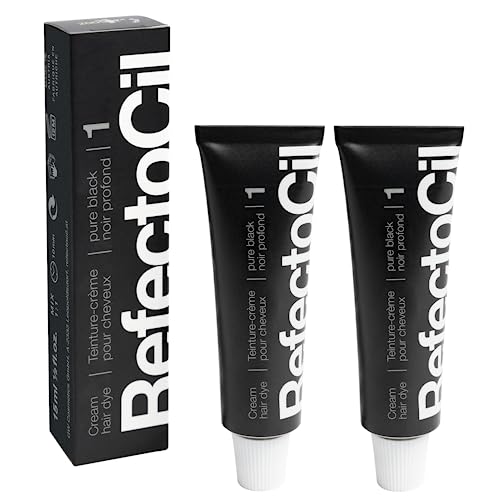
RefectoCil Cream Hair Dye 2-Pack (Professional Tint)

Revlon ColorSilk Bond Repair 12 Natural Blue Black, 3pk

Clairol Professional Permanent Liquid Color Black/Dark Violet Brown

Salermvison Hair Coloring Cream #5.1 Light Chestnut Ash, 2.3 Oz

ARCTIC FOX Semi-Permanent Hair Dye Purple AF, 8 Fl Oz

ARCTIC FOX Semi-Permanent Hair Color Wrath, 8 fl oz

ARCTIC FOX Semi-Permanent Hair Dye Virgin Pink, 8 fl oz

Naturtint 5N Light Chestnut Brown Permanent Hair Color
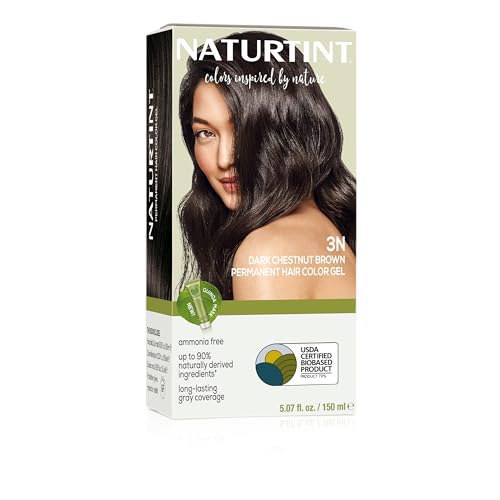
Naturtint 3N Dark Chestnut Brown Permanent Hair Color
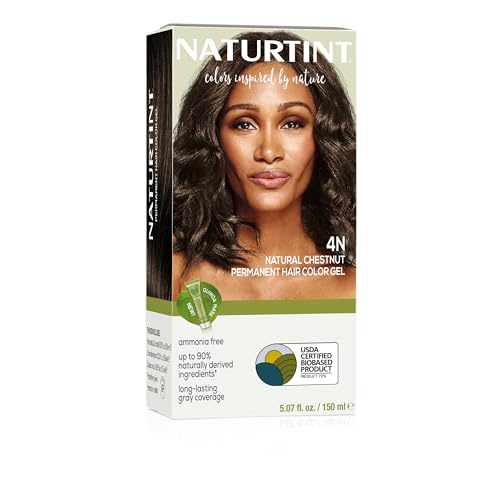
Naturtint 4N Natural Chestnut Permanent Hair Color
Meet The Standout Selections
RefectoCil’s cream formula has lived in pro salons and barbershops for years, and the two-pack format means you’ll rarely run short on a single session. It mixes with a developer to deposit rich, dark pigment that holds up on coarse textured strands far better than most drugstore tints.
The cream sits where you put it, which matters when you’re working around hairlines, baby hairs, or brows. Compared with runnier liquids later in this list, this one gives you control without rushing the application.
Everyday Wins
- Vegan formula avoids animal-derived pigments common in older tints
- Cream consistency stays put on edges and brows without dripping
- Long-wearing color reduces the need for weekly touch-ups
- Two-pack format covers multiple sessions or a second person
- Compatible with seven base shades for custom mixing
Things To Consider
- Mixing ratio demands a separate developer you must buy alongside
- Color develops within a short window, so timing matters during application
- Tubing can stain clothing or towels if wiped off before full rinse
Quick Facts
Who Should Grab It
Anyone tinting brows, edges, or a small section of hair who wants pro-level control without a salon appointment.
Swap It Out When
You want all-over head coverage instead of targeted tinting; the Clairol Professional Permanent Liquid Color suits that broader use case.
Natural Blue Black sits in that sweet spot where the color reads neutral indoors and picks up a cool glint in sunlight, which is why it stays a reliable pick for natural black hair. The ammonia-free base (meaning the formula skips the harsh alkaline agent that lifts cuticle aggressively) is easier on relaxed and color-treated strands alike.
The 3-pack value is the quiet hero here. Three boxes let you stretch across root touch-ups over several months, since gray regrowth tends to appear around the four-to-eight-week mark. Compared with single-box options later in the list, you save the hassle of reordering mid-cycle.
Positive Points
- Ammonia-free formula reduces scalp sting during processing
- Bond Repair Complex targets breakage common with relaxed hair
- 3-pack format handles multiple full-head applications
- Works across straight, curly, and coily textures
Worth Noting
- Blue-black can read too cool on warm-toned skin under office lighting
- Gloves included are thin; thicker salon gloves work better for sensitive hands
Made For
Anyone blending grays on natural black hair who wants a kinder formula without giving up coverage.
Consider Something Else When
You prefer a plant-led formula; Naturtint 4N Natural Chestnut skips harsher actives entirely.
Liquid color moves fast, which is why stylists reach for it. Clairol’s professional line gives you bottle-level precision, and the SOY4PLEX conditioning complex is meant to soften the cuticle while the pigment sets. The Black/Dark Violet Brown shade leans plum under bright light, which adds dimension on flat-black bases that otherwise read one-note.
You mix it with a developer in a tint bowl, so expect a learning curve on your first pour. Owners with steady hands tend to love the control, while beginners sometimes struggle with the bottle tip clumping. Against the Revlon pick above, this one trades convenience for deeper violet reflection.
Everyday Perks
- Reflective violet-brown undertone breaks up flat black
- Professional formula performs well on resistant gray strands
- Liquid consistency spreads smoothly through thick textures
- Full gray blending on first application for most users
Honest Caveats
- Requires a separate developer bottle for activation
- Bottle tip can drip if not handled carefully during mixing
- Stock fluctuates on the listing page; check availability before committing
Key Specs
Best Suited To
DIYers comfortable measuring developer and color who want a pro-grade result at home.
A Better Fit Elsewhere
You want a gentler, ready-to-mix kit; Naturtint 3N Dark Chestnut Brown ships with everything bundled.
Ash-toned shades counter warmth, and #5.1 Light Chestnut Ash pulls orange and red undertones out of brunette bases. Salerm’s cream pigments are designed to deposit color inside the cortex (the inner core of each strand where pigment lives), so results tend to hold longer than surface-staining tints.
The 2.3-ounce tube suits shoulder-length hair or shorter, which means longer textures will need more than one tube. If your hair sits below the shoulders, consider grabbing two. The shade range within the Salerm line is wide, so swapping for a darker level stays easy if 5.1 reads too light on your base.
What Helps Most
- Ash base neutralizes brassiness in brunette hair
- Professional cream pigments anchor deeply in the strand
- Mixes smoothly with standard developers
Points To Note
- Single tube may not cover hair past the shoulders
- Shade reads cooler than the swatch on warm undertones
Whose Shelf It Belongs On
Salon-trained stylists and detail-focused DIYers toning warm brunette hair toward a cooler finish.
Look Elsewhere When
You want a darker base without ash; Naturtint 3N Dark Chestnut Brown delivers a softer neutral finish.
Purple AF leans cool and true, with very little red creeping in. On pre-lightened strands (hair that has been bleached to a pale base so vivid tones can show), the result reads jewel-like; on light brown hair, it deposits more of a sheer plum tint. The 8-ounce bottle gives generous coverage on medium-length hair, and the vegan formula skips ammonia and peroxide entirely.
Compared with permanent picks earlier in this list, semi-permanent dye conditions as it colors, so strands feel softer after rinsing. The trade-off is longevity, since most semi-permanent shades begin fading after a few weeks.
Notable Gains
- Vegan, ammonia-free formula conditions during the dye process
- True purple reads cool and avoids muddy red fade-out
- Large 8-oz bottle covers shoulder-length hair with product to spare
- Mixes with other shades for custom tones
Some Limits To Know
- Vivid payoff requires pre-lightened hair; natural black will show minimal change
- Color fades noticeably within four to six weeks
- Stains sinks, towels, and pillowcases if spilled during application
The Right Fit
Creatives and color-players who pre-lighten and want a vivid, fade-friendly purple without harsh chemicals.
Not Your Match When
You want permanent depth on natural black hair; the Revlon ColorSilk Bond Repair covers that need.
Wrath sits in the crimson family with berry undertones that soften the look as the color fades. On pre-lightened hair, the result is rich and almost wine-like; on light brown hair, you get a more translucent red wash. The 8-ounce size handles long hair without running short mid-application.
The fade pattern is actually a selling point for some, since the soft pink it transitions into can be quite flattering. Compared with Purple AF above, Wrath needs a slightly lighter base to show its true berry character.
Useful Touches
- Crimson base with berry undertone avoids orange fade-out
- Cruelty-free formulation aligned with vegan beauty routines
- 8-oz bottle covers long hair without mid-process refills
- Mixes with Transylvania for deeper dimension
Possible Compromises
- Fade cycle ends in pink, which may not suit every maintenance preference
- Requires a level-7 pre-lightened base for true crimson payoff
Who Will Love This
Anyone wanting a bold, cruelty-free red on bleached hair who enjoys a soft pink fade as the color ages.
Reach For A Different Pick When
You want something easier to maintain on natural hair; Naturtint 4N Natural Chestnut fades more gracefully on dark bases.
Virgin Pink delivers a true hot pink on platinum-level bases and shifts toward magenta on light brown. The vegan formula keeps strands soft through the dye process, which matters when you’re using heat tools on bleached hair. Adding a diluter drops the intensity toward pastel, so the same bottle covers two looks.
The hot pink fades into a softer rose over a few weeks, which is gentler than Wrath’s transition. For anyone nervous about commitment, that fade pattern feels more forgiving than a dramatic red.
Points In Its Favor
- Customizable intensity from hot pink to pastel with a diluter
- Vegan formula conditions strands during coloring
- Magenta undertone avoids brassy pink shift
Small Caveats
- True hot pink requires pre-lightened platinum base
- Highly pigmented formula stains fabric and surfaces quickly
Perfect Match For
Festival-goers and experimenters who rotate creative color and want flexibility from a single bottle.
Skip It When
You want something maintenance-free; the Naturtint 5N Light Chestnut Brown stays subtle without upkeep.
5N sits in the light chestnut range, which means soft brown with a touch of warmth. Naturtint skips ammonia, parabens, and heavy metals, which makes it a go-to for sensitive scalps. The 5.07 fl oz bottle covers shoulder-length hair without running dry.
Plant-based ingredients help the formula feel gentler during processing, though gray coverage on very resistant strands may need a second application. Compared with the Revlon pick earlier, this one trades bond repair for a cleaner ingredient list.
Why It Works Well
- Ammonia-free formula reduces scalp irritation during processing
- Plant-based ingredients support hair condition
- Vegan and cruelty-free formulation
- Bottle includes applicator for at-home precision
Trade Offs
- Resistant gray may need a second pass for full coverage
- 5N reads lighter than the swatch on very dark natural bases
Feature Snapshot
Built With In Mind
First-time colorists and anyone with a reactive scalp who wants a gentler permanent formula.
Another Choice May Suit
You want a darker brown with stronger gray punch; Naturtint 3N Dark Chestnut Brown runs deeper.
3N reads deeper than 5N, sitting in the dark chestnut zone that flatters natural black hair without harsh contrast. The same ammonia-free base applies here, so sensitive scalps get a break during processing. The shade stays close to your natural base, which means regrowth lines blur more softly.
For anyone maintaining natural black tones with subtle dimension, this shade threads the needle between “did anything change?” and “obvious dye job.” Compared with 4N later, this one runs a touch deeper.
What Makes Sense
- Soft dark chestnut reads as natural on most skin tones
- Ammonia-free formula suitable for sensitive scalps
- Vegan and cruelty-free formulation
Points To Keep In Mind
- Subtle shade change on already-dark hair may feel minimal
- Resistant gray strands sometimes need a repeat application
Right Fit For
Anyone wanting a soft, lived-in dark brown refresh without dramatic contrast.
Where A Sibling Pick Shines
You want a sharper brunette with more depth; Naturtint 4N Natural Chestnut lands in a versatile middle ground.
4N is the mid-ground chestnut that suits the widest range of complexions within the Naturtint line. The neutral undertone avoids both the warm shift of 5N and the cooler depth of 3N, so results feel balanced across warm, cool, and neutral skin.
The plant-based formula still skips ammonia, and the same 5.07 fl oz bottle covers most shoulder-length applications. If you have only tried drugstore tints before, this one delivers a noticeably softer feel during processing.
Benefits That Matter
- Neutral chestnut shade flatters most skin tones
- Ammonia-free formula suitable for sensitive scalps
- Plant-based ingredients support hair condition
- Vegan and cruelty-free formulation
- Up to full gray coverage in one session
A Few Limitations
- Neutral tone may read flat on very warm or very cool complexions
- Single bottle may run short on hair past mid-back length
Core Details
Best Suited To
Anyone new to at-home color seeking a balanced, gentle permanent shade with reliable gray coverage.
Not Your Match When
You want a vivid or fashion shade; ARCTIC FOX Purple AF covers that creative space.
What To Weigh Before Choosing Your Shade
Color Type and Commitment Level
Permanent formulas like the Clairol and Naturtint lines chemically open the cuticle (the hair’s outer protective layer) to deposit pigment deep inside the strand, which is why regrowth becomes part of the maintenance cycle. Semi-permanent formulas like ARCTIC FOX coat the outside of the strand and gradually fade with each wash. Permanent works better for gray blending and long-lasting depth, while semi-permanent suits anyone testing bold colors without long-term commitment. Match the formula type to how often you want to recolor, not just the shade on the box.
Undertone and Skin Tone Harmony
Cool-toned shades (ash, blue-black, violet brown) cancel warmth and suit rosy or olive skin. Warm-toned shades (chestnut, golden brown, crimson) add glow to deeper or yellow-toned skin. Neutral shades like 4N Natural Chestnut thread the middle, which is why they work across the widest range of complexions. Test the swatch on a strand behind your ear before committing to a full head.
Ingredient Sensitivities
Ammonia lifts cuticle aggressively, which boosts color uptake but can sting sensitive scalps. Ammonia-free formulas like Revlon ColorSilk and Naturtint skip that step, which usually means less irritation. Patch-testing a small area 24 hours before full application is a wise habit for anyone with reactive skin, regardless of formula.
Gray Coverage Strength
Resistant gray strands often need permanent color with a 20-volume developer (the peroxide-based liquid that activates the dye and controls how much the cuticle opens) for full coverage in one pass. Ammonia-free permanent formulas can still cover gray but sometimes require a second application on stubborn patches. Semi-permanent shades will not meaningfully cover gray and work better as toners over previously colored hair.
Smart Angles Before You Buy
Common Shopping Slip Ups
The biggest miss is picking a shade based on the box model rather than your current base color. Black hair with red undertones will shift warm brown formulas toward orange, while blue-black formulas neutralize that warmth. Skipping a strand test is the second classic slip, since the swatch on the box rarely matches the result on textured hair. Reading reviews focused on similar hair profiles helps calibrate expectations before you commit.
Where The Extra Money Goes
Premium tiers tend to invest in cleaner ingredient lists, gentler processing, and added conditioning agents like the Bond Repair Complex or SOY4PLEX technology. You pay for kinder chemistry and softer post-color feel, not necessarily longer wear. The upgrade makes sense for sensitive scalps, color-treated hair needing extra repair, or anyone who colors frequently enough that gentler processing adds up over time.
Frequently Asked Questions
Do Permanent Hair Dyes Work Better on Black Hair Than Semi-Permanent?
Permanent formulas deposit pigment inside the strand, which makes them more effective at covering gray and producing even tone on naturally dark hair. Semi-permanent shades sit on the surface, so they show up best on pre-lightened bases and fade with each wash.
How Long Do Semi-Permanent Dyes Last on Black Hair?
Without pre-lightening, semi-permanent color fades within a few washes and leaves little visible trace on natural black hair. On pre-lightened strands, the same formula can last four to six weeks before the tone shifts toward pastel.
Are Ammonia-Free Formulas Less Effective at Gray Coverage?
Modern ammonia-free formulas can still achieve full gray coverage, especially when paired with a 20-volume developer. Coverage on very resistant gray sometimes requires a second application rather than a stronger chemical.
Can You Mix Two Shades From the Same Brand?
Most brands within the same line are designed for blending, including the Naturtint 5N, 4N, and 3N shades above. ARCTIC FOX shades also mix freely, and the brand suggests specific pairings for custom tones.
How Often Should You Recolor Black Hair?
Permanent color on natural black hair typically needs a root touch-up every four to eight weeks, depending on growth rate and contrast. Semi-permanent shades can be refreshed more often since they fade gradually and do not leave hard regrowth lines.
The Takeaway
The right hair dye depends on whether you’re blending grays, refreshing a natural tone, or going vivid. Permanent formulas like Revlon ColorSilk and Naturtint cover the maintenance cycle, while ARCTIC FOX shades unlock creative color on bleached bases. Match the formula to your lifestyle, test the undertone against your skin, and you’ll land on a shade that feels like you.
