

Starting a retinol routine can feel like walking into traffic. One wrong step and your face pays for it with redness, peeling, or the dreaded “retinol uglies” (a rough, flaky adjustment phase that hits in the first few weeks). The picks below lean gentle on purpose, layering peptides, hyaluronic acid, or bakuchiol (a plant-derived ingredient often paired with retinol to soften irritation) alongside lower-dose retinol so your skin builds tolerance instead of breaking out in protest. If you’ve never used a retinoid before (the broader vitamin-A family that includes retinol), or you’re coming back after a long break, this list is built for that exact starting line.
The Leading Options At A Glance

BIYSBER Retinol Collagen Serum with Peptides & Hyaluronic Acid (1.70 Fl Oz)

Standard Seoul Vegan PDRN Firming Bouncy Boost Serum (30ml)
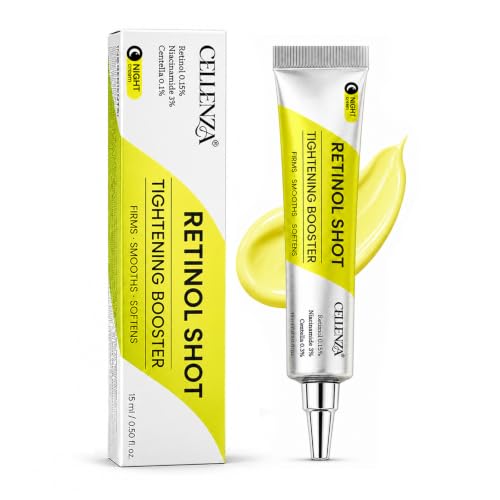
CELLENZA Retinol Shot Tightening Booster 0.15% (15ml)

USMOTAR Retinol & Caffeine Eye Serum (40ml)

Kiehl’s Retinol Skin-Renewing Daily Micro-Dose Serum

Paula’s Choice RESIST Intensive Wrinkle-Repair Retinol Serum (1 Fl Oz)

Paula’s Choice RESIST Intensive Repair Retinol Face Moisturizer (1.7 Fl Oz)

Paula’s Choice CLINICAL 0.3% Retinol + 2% Bakuchiol Serum (1 Fl Oz)

Paula’s Choice CLINICAL 1% Retinol Treatment with Peptides

Paula’s Choice Retinol Skin-Smoothing Body Lotion (4 Fl Oz)
Inside Each Recommended Option
The BIYSBER Retinol Collagen Serum sits at the very top of the gentleness spectrum, which is exactly why it lands first. The formula pairs retinol with peptides (short chains of amino acids that signal skin to build more collagen) and hyaluronic acid (a humectant, meaning it pulls water into the skin) to soften the typical dryness beginners run into. At 1.70 fl oz, the bottle is generous for the price point and gives you weeks of nightly testing before judging results.
Think of this as the training-wheels option. If you’ve never used a retinoid before and want to see how your skin reacts without committing to a luxury jar, this is a sensible first stop. The 1.7 fl oz size also makes it easier to travel with than the bulkier Paula’s Choice moisturizers further down the list.
A Favorable Mix
- Peptides help offset the dryness that scares most first-time retinol users away
- Hyaluronic acid keeps the formula hydrating, so the typical flaking window feels shorter
- Large 1.70 fl oz size means longer use before needing a replacement
- Day and night friendly, which simplifies the rest of your routine
- Accessible entry point for shoppers testing the retinol waters
Things To Consider
- Brand recognition is lower than Paula’s Choice or Kiehl’s, so documentation on long-term tolerability is thinner
- The exact retinol percentage isn’t disclosed on the listing, which makes it harder to compare against the 0.15% CELLENZA booster below
Who Will Love This
True first-timers who want a peptide-buffered, hydration-forward retinol without paying for a prestige label.
Where Another Pick Suits Better
Pick the CELLENZA Retinol Shot Tightening Booster if you want a clearly labeled 0.15% dose and a tiny 15ml format to test tolerance on a small budget.
Standard Seoul takes a different route: it blends vegan PDRN (a yeast-derived alternative to the salmon-DNA PDRN trending in K-beauty), bakuchiol, vegan collagen, and a gentle retinol complex into one 30ml bottle. The standout is the ultra-low molecular PDRN, which the brand positions at 80bp or smaller so it sinks in quickly. For anyone who wants a modern, multi-ingredient serum in one dropper, this is a more interesting choice than the peptide-and-hyaluronic-acid baseline.
Compared with the BIYSBER serum above, this formula leans more into firmness and bounce rather than pure hydration. Beginners with mature skin goals tend to gravitate here, while acne-prone beginners may want to start lower with the CELLENZA booster instead.
Points In Its Favor
- Bakuchiol complements retinol without adding a second harsh active
- Vegan collagen and PDRN support a plumper, firmer feel over time
- 30ml size strikes a middle ground between sample and full-size
- Dropper packaging keeps the dose controlled for cautious beginners
Trade Offs
- Higher ingredient count means more chances for individual skin reactions, so patch testing matters
- Less name recognition in the U.S. market than Paula’s Choice or Kiehl’s
Who Should Grab It
Vegan-focused skincare shoppers who want bakuchiol and retinol working together in a single step.
Skip It When
Reach for Paula’s Choice CLINICAL 0.3% Retinol + 2% Bakuchiol Face Serum if you want the bakuchiol-retinol pairing from a longer-established brand with a clearly stated percentage.
The CELLENZA booster is the lowest clearly labeled retinol strength on this list, sitting at 0.15% in a 15ml bottle. That tiny size is actually the point: it’s a trial run. Beginners with reactive skin often want to confirm tolerance before committing to a 1 fl oz serum. The fast-absorbing texture means you can layer moisturizer on top without waiting around.
It’s also the smallest format here, which makes it the most disposable option. Compare that to Paula’s Choice CLINICAL 1% below, which assumes you’ve already passed the tolerance-building phase and want stronger visible change.
What Helps Most
- 0.15% retinol is one of the gentlest labeled strengths available
- 15ml size keeps cost low for a short test run
- Lightweight texture that absorbs without stickiness, useful in humid climates
Worth Noting
- Small bottle means you’ll need a second purchase within weeks if results are good
- Targets pore appearance and texture more than deep hydration, so pair it with a richer cream in dry seasons
Made For
Reactive or sensitive skin types who want a labeled low-dose retinol to test tolerance over a few weeks.
Look Elsewhere When
Pick the BIYSBER Retinol Collagen Serum if your skin tends toward dryness and you’d rather have hyaluronic acid and peptides built into the same step.
The USMOTAR serum is the only eye-specific pick on this list, and the addition of caffeine makes it stand out. Caffeine is a vasoconstrictor (it temporarily tightens blood vessels), which is why it’s often used in undereye products to soften the look of puffiness. Paired with retinol, hyaluronic acid, and collagen, the formula targets dark circles, puffiness, and fine lines at the same time. The 40ml size is generous for an eye-area product, and the lightweight texture should sit well under concealer.
For most routines, an eye-specific retinol makes more sense than smearing face serum close to the lash line. Compare it to the Paula’s Choice RESIST moisturizer below, which treats the face and eye area together but with a richer cream base.
Reasons It Performs
- Caffeine addresses morning puffiness that retinol alone won’t touch
- Hyaluronic acid and collagen support the delicate eye area during retinol adjustment
- 40ml size outlasts most eye serums in this price range
Possible Compromises
- Eye-area retinol can still cause dryness, so layering a plain eye cream over it may be necessary in winter
- Applicator style isn’t specified, so check the listing before expecting a cooling metal tip
Best Suited To
Beginners who specifically want a separate retinol step for the under-eye area rather than using a face cream around the eyes.
A Better Fit Elsewhere
Choose the Paula’s Choice RESIST Intensive Repair Retinol Face Moisturizer if you’d rather consolidate face and eye treatment into one jar.
The Kiehl’s Micro-Dose Serum is built around the same idea as the CELLENZA booster: deliver a small amount of retinol regularly to build tolerance before moving up. The difference is brand trust and the “micro-dose” framing, which makes it easier to commit to a daily habit. Kiehl’s positions the serum for wrinkle reduction, firming, and evening skin tone without the harshness people associate with older retinol formulas.
This is the natural halfway point between gentle CELLENZA-style experiments and a full Paula’s Choice CLINICAL treatment. If you’ve tried an unknown brand and liked the format, this is a more documented step up.
Useful Highlights
- Micro-dose format designed for first-time retinol users
- Positioned for daily use, so it fits cleanly into morning or night routines
- Established brand with more retailer documentation than smaller labels
Small Caveats
- Exact retinol concentration isn’t stated on the listing, which makes dose comparison tricky
- Price-per-ml typically runs higher than the BIYSBER serum, given the brand premium
Perfect Match For
Beginners who want a recognized brand for their first real retinol bottle and value documented retailer support.
Consider Something Else When
Choose the Paula’s Choice RESIST Intensive Wrinkle-Repair Retinol Serum if you want a clearly stabilized retinol formula with added soothing kelp and oat ingredients.
The Paula’s Choice RESIST serum is where this list shifts into more clinical territory. The formula uses stabilized retinol (an encapsulated form that breaks down more slowly, so it stays effective longer in the bottle and on the skin), vitamin C for brightening, plus kelp and oat kernel oil to keep irritation in check. The silky texture absorbs quickly and is listed as suitable for all skin types, which is unusually broad for a retinol product.
It’s a stronger step up from the BIYSBER and Kiehl’s options without jumping all the way to the 1% CLINICAL treatment. Think of it as the middle school of this list: not the gentlest, not the strongest, but a balanced spot for someone who’s tolerated a few weeks of low-dose retinol and wants more visible payoff.
The Case For It
- Stabilized retinol holds potency longer than many basic retinol serums
- Kelp and oat kernel oil actively calm the kind of redness beginners fear
- Silky finish that layers under moisturizer and sunscreen without pilling
- Listed for all skin types, which simplifies the decision for combination skin
Honest Caveats
- Stronger than the BIYSBER or CELLENZA options, so jumping in cold can still cause dryness in the first two weeks
Right Fit For
Beginners who’ve already tolerated a low-dose retinol and want a more documented formula with brightening benefits.
Not Your Match When
Pick the Paula’s Choice CLINICAL 0.3% Retinol + 2% Bakuchiol Face Serum if you want the same brand line but with bakuchiol buffering the retinol even more.
The Paula’s Choice RESIST moisturizer is the only cream-format retinol on this list. It folds retinol, peptides, and hyaluronic acid into a rich moisturizer designed for face, neck, and around the eyes. For beginners with dry skin, this format is often easier to tolerate than a liquid serum because the cream base buffers the active ingredient from the start.
Compared with the Paula’s Choice RESIST serum above, this is more about rebuilding the moisture barrier while still running retinol. If your skin tends to feel tight or rough during retinol adjustment, this cream does the work of two steps at once.
What It Does Well
- Combines retinol, peptides, and hyaluronic acid into a single moisturizer step
- Rich texture suited to dry skin or cold-weather routines
- Safe to use on face, neck, and eye area, which simplifies the routine
- 1.7 fl oz jar lasts several weeks even with daily use
Points To Note
- Jar packaging means fingers introduce bacteria over time; using a clean spatula is widely recommended
- Too rich for oily or acne-prone skin in humid weather
Best Suited To
Dry-skin beginners who’d rather not stack a serum and a separate moisturizer during the retinol adjustment phase.
Another Choice May Suit
Choose the USMOTAR Retinol & Caffeine Eye Serum if you want a separate, lighter treatment just for the under-eye area and prefer a regular face moisturizer everywhere else.
The 0.3% Retinol + 2% Bakuchiol serum is one of the smartest pairings in the Paula’s Choice line for beginners who want a clearly stated dose. The bakuchiol works alongside retinol to encourage collagen production (your skin’s structural protein) while softening the irritation curve, and peptides round out the formula. At 1 fl oz, it sits between a sample and a long-term bottle.
This is the natural next step after the Kiehl’s micro-dose serum for someone who’s tolerated a few weeks and wants to push gently into the clinical tier. The percentage is printed right on the listing, which is rarer than it should be in this category.
Noteworthy Benefits
- 0.3% retinol and 2% bakuchiol are both clearly labeled, so dose-tracking is simple
- Peptides support firmness without adding another harsh active
- Drops in cleanly between the Kiehl’s micro-dose and the 1% CLINICAL treatment
Where It May Fall Short
- Stronger than the BIYSBER or CELLENZA options, so it still isn’t a first-night choice for the most reactive skin
- Lacks the brightening vitamin C found in the Paula’s Choice RESIST serum
Who Will Love This
Beginners who want labeled percentages and the bakuchiol-retinol combination in a single serum.
Swap It Out When
Pick the Standard Seoul Vegan PDRN Firming Bouncy Boost Serum if you want bakuchiol and retinol with a vegan PDRN twist rather than peptides.
The CLINICAL 1% Retinol Treatment is the strongest formula on this list by a wide margin. It pairs 1% retinol with peptides, vitamin C, vitamin E, and hyaluronic acid for a more aggressive anti-aging approach. For most beginners, this isn’t a first bottle, it’s a destination bottle for six to twelve months down the line once tolerance is established.
If the 0.3% bakuchiol serum above is the bridge, this is the other side. Jumping here from nothing usually ends in peeling, so treat it as a goal rather than a starting point.
A Few Highlights
- 1% retinol concentration for stronger visible change in mature skin
- Antioxidant vitamins C and E support brighter, more even tone
- Peptides and hyaluronic acid buffer the formula against full-strength irritation
Less Ideal Details
- Too strong for first-time users, so it shouldn’t be your opening move
- Daily use without tolerance-building can cause flaking, redness, and sensitivity
Whose Shelf It Belongs On
Experienced retinol users who have already worked through a 0.3% or micro-dose formula and want to level up.
Reach For A Different Pick When
Choose Paula’s Choice CLINICAL 0.3% Retinol + 2% Bakuchiol Face Serum if you’re still building tolerance and want a percentage you can actually grow into.
The Paula’s Choice Body Lotion is the only body-specific retinol on the list. It folds retinol, vitamins C and E, shea butter, and evening primrose oil into a weightless lotion designed for arms, legs, and chest. Beginners who are already tolerating a face retinol and want to extend the routine below the chin will find the lotion format easier to apply over large areas than a serum.
Compared to the face serums and creams above, this is a logical addition rather than a replacement. Treat it as the second step in a face-plus-body retinol routine once the face is settled.
What Makes Sense
- 4 fl oz size is well-suited to body coverage
- Shea butter and evening primrose oil offset the dryness retinol can cause on thicker body skin
- Antioxidant vitamins C and E support an even tone across larger areas
Things To Weigh
- Body skin can be more tolerant than face skin, so beginners should still introduce it slowly to avoid irritation on the chest or arms
- Retinol can make skin more sun-sensitive, so daytime SPF on exposed areas is essential
Built With In Mind
Beginners with a stable face retinol routine who want to bring the same logic to arms, legs, or chest.
Where A Sibling Pick Shines
Pick Paula’s Choice RESIST Intensive Repair Retinol Face Moisturizer if you haven’t built face tolerance yet and want to start above the shoulders before extending downward.
Choosing Your First Retinol Without Burning Your Face Off
The single biggest beginner mistake is starting at a concentration your skin can’t handle. Retinoids work by accelerating cell turnover, which is great for texture and fine lines, but punishing when the barrier isn’t ready. The smarter path is to start with a clearly labeled low dose (0.15% in the CELLENZA booster is the gentlest here) or a buffered formula with peptides, hyaluronic acid, or bakuchiol.
Texture matters more than beginners expect. Serums layer cleanly under moisturizer and sunscreen, which is the right format for oily or combination skin. Creams like the Paula’s Choice RESIST moisturizer fold hydration into the same step, which dry skin tends to tolerate better. Eye-specific serums like the USMOTAR pick make sense once you’ve already settled a face routine.
Build slowly. Most dermatologists recommend starting two nights a week and increasing as tolerated, paired with daily sunscreen. If your face stings, peels, or turns red for more than a few weeks, you’ve gone too fast and need to step back to a gentler formula. A bottle of gentle retinol used consistently beats a strong formula used twice and then abandoned.
Key Considerations Across These Picks
Pitfalls Shoppers Hit
The most common slip is reaching for the strongest percentage on the shelf because it looks like better value. A 1% retinol treatment used by a beginner usually ends in dryness, a broken moisture barrier, and an abandoned bottle. The honest path is to start at 0.15% or with a buffered formula and work up over months, not weeks. Another frequent mistake is skipping sunscreen. Retinol makes skin more photosensitive (prone to UV-driven damage), so skipping SPF in the morning wipes out most of the benefit you’re paying for.
The Case For Spending Up
Higher-tier retinols earn their keep through delivery systems, not just stronger percentages. Stabilized retinol, encapsulated retinol, and bakuchiol pairings all reduce irritation while keeping the active effective. For sensitive skin, that engineering often matters more than a higher concentration. You pay more so the formula can do its work without wrecking your barrier, and for many beginners, that’s the difference between a routine that lasts and a bottle that sits in a drawer. If a lower-priced pick causes consistent redness, stepping up to a buffered or stabilized formula is rarely a waste.
Frequently Asked Questions
How often should a beginner use retinol? Start with two nights per week and add a night every couple of weeks as tolerated. Daily use is a goal, not a starting point, and some sensitive skin never reaches it comfortably.
Can retinol be used with vitamin C? Yes, but layer carefully. Many routines use vitamin C in the morning for brightening and retinol at night for cell turnover, which avoids stacking two strong actives in one step.
What’s the difference between retinol and bakuchiol? Retinol is a vitamin-A derivative with decades of research behind it. Bakuchiol is a plant-derived ingredient that mimics some of retinol’s effects with less irritation, which is why it’s often paired with retinol as a buffer.
Should beginners use retinol around the eyes? The eye area is thinner and more reactive, so either pick a dedicated eye serum like the USMOTAR option or use a gentle face cream that lists the eye area as a use site, like the Paula’s Choice RESIST moisturizer.
When can a beginner move up to 1% retinol? Most routines benefit from at least three to six months on a lower percentage first, with no persistent peeling or redness. Jumping earlier usually means irritation, not faster results.
Wrap Up
The right gentle retinol for beginners is the one your skin actually uses consistently. Start lower than you think you need, buffer the active with peptides or bakuchiol, and pair every night with a moisturizer that supports the barrier. The picks above give you a clear ladder from first bottle to stronger clinical formulas, so your skin can grow into retinol rather than fight it from week one.
