

A tinted sunscreen that actually earns its place in your morning routine has to do two things at once: it shields against UV exposure and evens out your skin tone without feeling like a mask. You want something that holds up through a commute, an outdoor lunch, and a workout without sliding into creases or vanishing into a grey film on deeper skin tones. Mineral formulas have quietly become the go-to for sensitive skin, while hybrid options layer nicely under makeup. The shortlist below leans toward broad-spectrum SPF coverage, comfortable wear, and shades that flex across different undertones. Each pick also keeps texture and ingredient transparency in plain sight, so you can pick a tube that matches your climate, your skin type, and how much coverage you actually want from a single product.
The Essentials At A Glance

Obagi Sun Shield Tinted Sunscreen
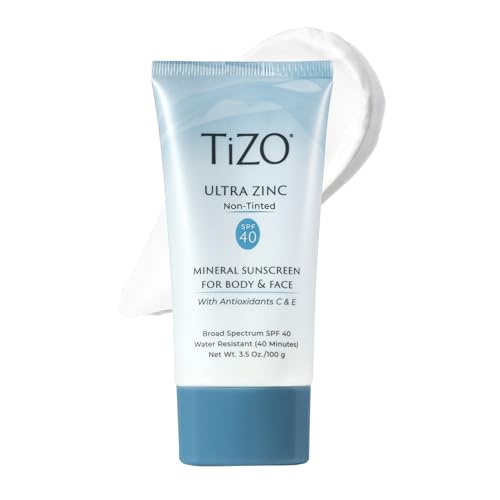
TiZO Ultra Zinc SPF 40

EltaMD UV Daily Face Sunscreen Moisturizer

Perricone MD High Potency Tinted Moisturizer SPF 30
La Roche-Posay Anthelios Mineral Light Fluid SPF

Perricone MD Neuropeptide Rejuvenating Moisturizer SPF 25
High Potency Face Finishing & Firming Moisturizer SPF 30
A Closer Look At Each Pick
Obagi’s tinted sunscreen is built for someone who treats their morning skincare like armor. The tube carries broad-spectrum UVA and UVB protection, which means it shields against the two main wavelengths responsible for sunburn and the slower, deeper damage that shows up years later on the skin.
It also includes IR defense, a layer aimed at reducing free radical activity from infrared exposure, which is the kind of detail that matters to people who commute, run, or simply stand near sunny windows all day. The tint comes in Warm and Cool shade families, so it adapts across a wider range of undertones than a single universal shade. If your priority is one product that does two jobs and feels comfortable doing it, this is the one most dermatology-leaning routines reach for first.
What Makes Sense
- UVA and UVB coverage in one step, so you skip a separate sunscreen layer
- IR defense targets free radical activity beyond visible light exposure
- Warm and Cool shade options help the tint disappear into different undertones
- Hypoallergenic and fragrance-free, useful for reactive skin or allergy-prone routines
Things To Consider
- The sheer tint may be too light for anyone wanting true coverage in place of foundation
- You may find the 3 fl oz tube runs out faster with daily face-and-neck application
Key Specs
Best Suited To
Anyone building a streamlined morning routine who wants broad-spectrum UV coverage and a soft tint without reaching for foundation.
Skip It When
You want more visible pigment from your sunscreen; the Perricone MD High Potency Classics Tinted Moisturizer SPF 30 layers pigment and SPF more deliberately.
TiZO’s Ultra Zinc is essentially the no-nonsense choice for anyone whose skin has opinions about what gets put on it. The formula uses 20% zinc oxide, a mineral filter that sits on top of the skin and reflects UV rather than absorbing it, which is why dermatologists often suggest it for post-procedure, rosacea-prone, or simply reactive complexions.
Despite the high zinc load, the texture is surprisingly blendable for a mineral product. The 3.5 oz size means it works on face and body, so it can double as your neck, chest, and hand sunscreen. It carries no chemical filters, no dyes, no fragrance, no oils, and no preservatives, which removes most of the usual irritant suspects. If Obagi’s tinted option feels too active for your skin, this is the quiet, unfussy alternative.
Benefits That Matter
- 20% zinc oxide delivers broad-spectrum SPF 40 without chemical UV filters
- Free of dyes, fragrance, oils, and preservatives, which lowers the irritation profile
- The 3.5 oz size covers face and body, so one tube handles multiple zones
- Mineral formula stays stable longer in direct sunlight than many chemical alternatives
Worth Noting
- There is no tint, so it leaves a soft white cast that deeper skin tones may find visible
- The thicker texture can feel heavy in humid climates without careful blending
Key Specs
Made For
Reactive, post-procedure, or sensitive skin types who want pure mineral protection and don’t need a tint.
Consider Something Else When
You want a tinted finish in the same mineral family; La Roche-Posay Anthelios Mineral Light Fluid SPF delivers broad-spectrum mineral coverage with five shade options.
EltaMD’s UV Daily sits in the daily-driver category of tinted sunscreen, which is a polite way of saying it disappears into your routine so easily you forget it’s there. The formula pairs transparent zinc oxide with hyaluronic acid, and it leans into hydration as much as UV protection.
The tint is built to flex across medium-light to medium skin tones without leaning orange or ashy. It wears comfortably under makeup or on bare skin, which makes it a strong pick for commuters who reapply at a desk or anyone who treats sunscreen as the base layer of a longer routine. Where TiZO offers pure mineral protection with no color, EltaMD adds the everyday-wear polish that makes mineral SPF feel less clinical.
Noteworthy Benefits
- Transparent zinc oxide avoids the chalky white cast common with mineral SPF
- Hyaluronic acid adds moisture, so it doubles as a daytime hydrator
- Tint works under foundation or on bare skin for no-makeup days
- Available in SPF 40 and SPF 50 options for different coverage needs
Trade Offs
- The shade range skews lighter, so medium-deep to deep tones may find the tint too pale
- It needs careful blending around the hairline to avoid a faint visible line
Key Specs
Right Fit For
Commuters and office workers with medium-light to medium skin who want a tinted, hydrating mineral sunscreen that disappears under makeup.
Look Elsewhere When
You have deeper skin and need more shade flexibility; La Roche-Posay Anthelios Mineral Light Fluid SPF offers five flexible tints that better cover olive through deep tones.
This is the most foundation-adjacent option on the list, which is exactly why it earns its place. Perricone MD’s tinted moisturizer mixes mineral SPF 30 with pigment that actually does visible evening work, so you can skip a separate foundation step on most days.
The 2 fl oz bottle is a generous size that outlasts most tinted SPFs in real-world rotation. It is designed with mature skin in mind, which means the formula aims to smooth texture, hydrate, and protect without settling into fine lines. Compared to Obagi’s sheerer tint, this one carries more visible pigment, so it functions more like skincare-makeup hybrid than a transparent UV layer.
Notable Gains
- Visible tint that genuinely evens skin tone, reducing the need for separate foundation
- Mineral SPF 30 broad-spectrum coverage in a single step
- The 2 fl oz bottle lasts through months of daily use
- Hydrating base helps texture look smoother on mature skin
Room For Improvement
- Pigment load is heavier, so anyone wanting sheer coverage may find it too makeup-like
- Limited shade flexibility compared to La Roche-Posay’s five-shade fluid
Who Will Love This
Mature shoppers who want visible tone correction plus mineral SPF in one step, and who prefer fewer products in their morning stack.
Reach For A Different Pick When
You need a broader shade range; La Roche-Posay Anthelios Mineral Light Fluid SPF offers five flexible shades that map more easily across multiple undertones.
La Roche-Posay’s Anthelios Mineral Light Fluid solves one of the most common complaints about mineral sunscreens: the shade gap. The five-shade range, paired with iron oxides to neutralize the typical white cast, means the tint actually disappears into a wider variety of undertones than most mineral options on the market.
The Cell-Ox Shield technology blends mineral filters with antioxidants, which adds a small extra defense layer beyond standard UV protection. The fluid texture is light for a mineral formula, so it spreads easily and sits well under makeup. Compared to EltaMD’s narrower shade range, this one prioritizes inclusivity, while still delivering the broad-spectrum protection shoppers expect from mineral SPF.
Where It Helps
- Five flexible shades, with iron oxides reducing the white cast on deeper tones
- Cell-Ox Shield adds antioxidant support alongside mineral UV filters
- Fluid texture spreads easily and wears well under foundation or concealer
- Suitable for sensitive or reactive skin types seeking mineral-only formulas
Honest Caveats
- The fluid consistency may feel less moisturizing for very dry skin without a serum underneath
- Five shades still may not capture every undertone, so swatching in person helps
Key Specs
Built With In Mind
Shoppers with olive, tan, or deeper undertones who have struggled with the white cast from other mineral SPFs.
A Better Fit Elsewhere
You want richer hydration built into the SPF; the Perricone MD High Potency Classics Tinted Moisturizer SPF 30 layers more moisture and pigment together.
This Perricone MD moisturizer takes a slightly different angle. Instead of leading with broad-spectrum SPF, the focus is on firmness and smoothness, with SPF 25 built around neuropeptides designed to address loss of firmness over time.
The 1 fl oz bottle is the smallest on the list, which is worth knowing for cost-per-wear calculations. SPF 25 sits lower than the other picks, so this works best as part of a routine that already includes additional sun-smart habits, like hats or limited midday exposure. Compared to the brand’s High Potency Tinted Moisturizer, this one trades visible pigment for a more targeted treatment angle.
What Works In Its Favor
- Targets firmness alongside UV protection, doubling as a treatment and SPF step
- Neuropeptide focus suits routines already concerned with loss of smoothness
- Lightweight texture layers cleanly under additional SPF or makeup
Points To Keep In Mind
- SPF 25 is lower than other sunscreens on this list, so heavy sun days need layering
- The 1 fl oz size runs out faster under daily face-and-neck application
- There is no tint, so it leaves the complexion bare on its own
Whose Shelf It Belongs On
Shoppers in their 40s and beyond who want a treatment-leaning moisturizer with SPF and are willing to layer a stronger sunscreen for long outdoor days.
Swap It Out When
You want stronger UV coverage out of the tube; the Obagi Sun Shield Tinted Sunscreen offers a higher SPF tier with a tint and IR defense.
The High Potency Face Finishing & Firming Moisturizer closes the list with a formula built around mineral-based sun protection paired with antioxidants. Ultra-fine earth minerals deflect UVA and UVB rays, acting as a physical shield that tends to be less irritating than traditional chemical sunscreens.
The formula brings in alpha lipoic acid (ALA) and Candeia Tree Extract, two antioxidants that work alongside the SPF to support daily skin defense. It finishes with a subtle tint, which makes it a flexible final step in routines that want treatment, protection, and a touch of color in one product. Where TiZO focuses on pure mineral protection with no extras, this option layers firmness-focused ingredients into the same tube.
Well-Handled Touches
- Mineral SPF 30 deflects UVA and UVB without chemical UV filters
- Alpha lipoic acid and Candeia Tree Extract add antioxidant support
- Subtle tint evens tone without competing with foundation
- Less irritating profile than many traditional chemical sunscreen options
Soft Spots
- The tint is subtle, so shoppers wanting visible coverage will still need a pigment step
- Mineral filters can require more thorough blending around the jawline and hairline
Key Specs
Perfect Match For
Shoppers building a treatment-focused routine who want mineral SPF, antioxidants, and a light tint in one step.
Not Your Match When
You want a more visibly pigmented finish; the Perricone MD High Potency Classics Tinted Moisturizer SPF 30 delivers stronger color alongside similar SPF coverage.
What To Weigh Before Choosing A Tinted Sunscreen
A tinted sunscreen earns its place when it matches your skin type, your shade range, and your daily habits. Mineral filters, like zinc oxide, sit on the skin and reflect UV, while chemical filters absorb it. Mineral formulas tend to suit sensitive or reactive skin, while chemical formulas usually feel lighter and leave less visible residue. SPF rating matters less than people think: SPF 30 blocks roughly 97% of UVB rays, and SPF 50 adds about 1% more, so the difference between ratings is smaller than the marketing suggests.
Shade flexibility is the real decision point. Iron oxides in the formula neutralize the chalky white cast that mineral SPF can leave on medium-deep to deep skin tones. If you have struggled with that grey or purple cast, look for a tinted option with iron oxides and multiple shade options, like La Roche-Posay’s five-shade fluid. Texture matters too. A heavy mineral cream works in dry climates, but humid or oily skin types usually prefer a fluid or lightweight lotion that absorbs faster.
Think about your daily environment. Commuters and office workers with limited direct sun can usually work with SPF 30 to 40, while outdoor runners, gardeners, and beach-goers benefit from SPF 40 or higher and more diligent reapplication. The tube size also matters: a 1 fl oz bottle disappears quickly under face-and-neck use, while 3 to 3.5 oz sizes last longer and stretch to the body if needed.
Common Shopping Slip Ups
The most common misstep is choosing a tinted sunscreen by SPF alone. A high number means little if the shade is wrong, because you end up using less of it or skipping reapplication to avoid an obvious cast. Test the tint on your jawline in natural light, not on the back of your hand, before committing to a full tube.
Another trap is assuming mineral formulas are automatically gentler. Mineral SPF without thoughtful formulation can still clog pores or feel heavy, especially in humid weather. Patch test along the jaw or behind the ear if your skin runs reactive, and watch how the formula wears over a full day.
Where The Extra Money Goes
Premium tinted sunscreens tend to spend the budget on shade-matching research, micronized mineral particles, and added skincare actives like peptides or antioxidants. A higher-tier formula often disperses pigment more evenly across deeper undertones, which is what makes La Roche-Posay’s five-shade fluid or Obagi’s Warm and Cool options worth considering for anyone who has struggled with ashy tints.
The upgrade also shows up in texture engineering. Cheaper mineral SPFs can feel chalky, drag on the skin, or sit in creases, while a well-formulated premium tube spreads cleanly and wears under makeup. When higher-tier formulas include antioxidants or neuropeptides, the SPF doubles as a treatment step, which can justify the cost for shoppers already investing in anti-aging routines.
Frequently Asked Questions
How often should tinted sunscreen be reapplied? Most dermatologists recommend reapplying sunscreen every two hours during direct sun exposure, or sooner after swimming or heavy sweating. Tinted formulas follow the same rule, since the pigment does not extend UV protection beyond what the active filters provide.
Can tinted sunscreen replace foundation? A tinted sunscreen can replace foundation when the pigment is rich enough to even your skin tone on its own. Lighter tints work as a base layer under foundation or as a no-makeup alternative, while more pigmented formulas like Perricone MD’s tinted moisturizer can stand in for foundation on most days.
Are mineral tinted sunscreens better for sensitive skin? Mineral formulas are often the first recommendation for sensitive or reactive skin, since zinc oxide sits on top of the skin rather than absorbing into it. That said, individual sensitivity varies, so a patch test is still worth doing before daily application.
Do tinted sunscreens leave a white cast? A white cast is more common with pure mineral formulas that lack iron oxides or shade tints. Options with iron oxides and multiple shade choices, like La Roche-Posay Anthelios Mineral Light Fluid, tend to neutralize the cast across a wider range of undertones.
Is SPF 30 enough for everyday wear? SPF 30 is generally considered adequate for daily indoor and commuting use. For prolonged outdoor activity, higher SPF and more frequent reapplication offer more meaningful protection than the small percentage difference between SPF tiers.
Closing Remarks
The right tinted sunscreen fits your skin type, your shade, and your actual sun exposure without demanding extra steps. Mineral formulas like TiZO Ultra Zinc give you quiet, irritation-friendly coverage, while La Roche-Posay’s five-shade fluid solves the white cast for deeper undertones. Pick the one that matches your routine, and the rest tends to fall into place.
