

Choosing a diffuser oil sounds simple until you stand in front of a wall of amber bottles. The right pick shapes how your home smells for the next few months, and the wrong one sits half-used on a shelf because the scent was too sharp, too flat, or too synthetic. This roundup narrows ten solid options across bright citrus, herbal, floral, and hotel-inspired blends, so you spend less time second-guessing and more time enjoying the room.
A Fast Comparison Of The Options

doTERRA Wild Orange Essential Oil
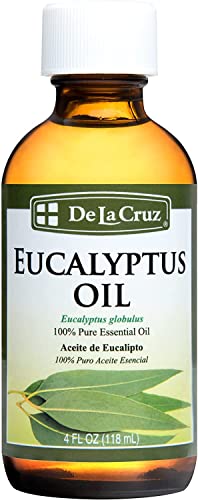
De La Cruz Pure Eucalyptus Essential Oil (4 fl oz)

Aura Cacia Tea Tree Essential Oil (15 ml)

Rocky Mountain Oils Lemon Essential Oil (15 ml)

Handcraft Blends Organic Peppermint Oil (1 fl oz)

Young Living Lavender Essential Oil (15 ml)

Young Living Lemon Essential Oil (15 ml)

AirScent Hotel Diffuser Oil No. 1023 (10 mL)

AirScent Hotel Diffuser Oil No. 1014 (10 mL)

AirScent Hotel Diffuser Oil No. 1008 (10 mL)
Why These Options Stand Out
doTERRA’s Wild Orange opens with a deeper, almost candied citrus note that lingers longer than the usual bright splash you get from grocery-store orange oils. The press is cold from orange peels, which gives the aroma a richer, slightly sweet undertone rather than the tart, juicy scent you’d expect from a peeled fruit.
For most living rooms and home offices, two or three drops in a standard ultrasonic diffuser fill a mid-sized space with an inviting, sun-warmed tone without feeling sharp or synthetic. Compared with the Rocky Mountain Oils Lemon ahead, this one trades crisp zest for a rounder, more lingering warmth that some people prefer for evening diffusing.
Advantages To Know
- Cold-pressed from orange peels, producing a concentrated aroma that holds up well in diffuser mist.
- Versatile across seasons: bright enough for summer mornings, cozy enough for autumn evenings.
- Small bottle size makes it easy to store and ration drop by drop.
- Blends smoothly with cinnamon, clove, or vanilla oils for a custom seasonal mix.
- Single-ingredient formula, useful if you prefer simple scent profiles without added isolates.
Trade-Offs To Consider
- The deeper, sweeter profile won’t satisfy shoppers expecting a sharp, juicy “just-peeled” orange scent.
- Smaller bottle format means you’ll go through it faster in heavily used diffusers.
Who Should Grab It
Anyone who wants a warm, layered citrus that feels more candied than tart, especially in living rooms where the diffuser runs most evenings.
Where Another Pick Suits Better
Shoppers chasing a bright, clean, almost fizzy lemon note should look at the Rocky Mountain Oils Lemon Essential Oil further down the list.
The De La Cruz Eucalyptus stands out for its generous 4 fl oz bottle, which matters more than people expect when a diffuser runs daily. It’s steam-distilled from Eucalyptus Globulus leaves, giving it that crisp, mentholated character you recognize from spa waiting rooms.
Two or three drops are enough for a standard ultrasonic diffuser, and the scent projects cleanly through medium-sized rooms without becoming medicinal or sharp. Where doTERRA’s Wild Orange leans warm and candied, this one cuts the air with a cool, herbal clarity that pairs well in bathrooms, bedrooms before bed, or anywhere you want the room to feel a little fresher.
Why It Works Well
- The 4 fl oz format lasts much longer than the typical 15 ml essential oil, lowering cost per use.
- Steam-distilled extraction delivers a consistent, recognizable eucalyptus profile.
- Excellent base note for DIY blends with peppermint, tea tree, or lavender.
- Performs reliably in both ultrasonic and reed-style diffuser setups.
- Clean, fresh scent works year-round without feeling tied to one season.
Honest Caveats
- The strong menthol character can feel overpowering in very small bedrooms; one drop may be plenty.
- Larger bottle means a longer commitment to one scent family if you prefer variety.
Key Product Details
Made For
Households running diffusers daily in multiple rooms who want a long-lasting, spa-style eucalyptus without frequent reordering.
Skip It When
You’d rather rotate between several scents each week, in which case a smaller, single-note bottle such as the Aura Cacia Tea Tree Essential Oil makes more sense.
Aura Cacia’s Tea Tree brings a fresh, slightly medicinal aroma with that characteristic camphoraceous edge that tea tree fans look for. It’s sourced from Melaleuca alternifolia, the species most associated with traditional aromatherapy, and arrives in a compact 15 ml bottle with the brand’s standard boxed packaging.
The scent profile leans green and herbal rather than floral, which makes it a strong choice for clearing the air in a workspace or a small bedroom after a stuffy day. Compared with the De La Cruz Eucalyptus just reviewed, this one feels drier and more astringent, with less of the cooling menthol note and more of a leafy, almost piney lift.
The Helpful Details
- Aroma is fresh, slightly earthy, and lightly camphoraceous, ideal for a cleansing atmosphere.
- 15 ml size and small dropper make rationing simple for short, focused diffuser sessions.
- Pairs naturally with eucalyptus, lemon, or lavender for layered blends.
Points To Note
- Some diffuser owners find the camphoraceous edge too sharp for continuous daytime use; shorter cycles work better.
- Smaller bottle format requires more frequent reordering in heavy-use households.
- The scent is more functional than cozy, so it may not suit rooms meant for warmth and softness.
Best Suited To
Anyone who wants a clean, herbal note in a home office, laundry area, or post-cleanup reset rather than a relaxing, floral mood.
Look Elsewhere When
You want a calming bedtime aroma instead, in which case the Young Living Lavender Essential Oil ahead is a closer match.
Rocky Mountain Oils’ Lemon delivers the bright, clean, slightly tart aroma people picture when they imagine a “clean kitchen” scent. It comes in a 15 ml bottle with the brand’s typical amber glass, and the formula lists a single-ingredient approach aimed at diffuser, topical, and household use.
For most kitchens and entryways, this oil cuts through cooking smells quickly and leaves the room smelling freshly wiped down. Compared with the doTERRA Wild Orange at the top, the lemon here is sharper and zestier, with less of that warm, candied undertone. It pairs especially well in morning routines when you want a wake-up nudge without anything heavy.
A Few Strong Suits
- Bright, recognizable citrus profile that fits kitchens, dining rooms, and entryways.
- Compact 15 ml bottle stores easily on a countertop or inside a drawer.
- Works well in DIY cleaning blends, not just diffusers, for a versatile scent.
- Single-ingredient sourcing keeps the aroma focused and predictable.
Small Caveats
- The crisp, tart character can feel too sharp in a small, closed bedroom.
- Like most citrus oils, lemon aroma tends to dissipate faster than woodier or herbal oils.
Feature Snapshot
Right Fit For
Morning-oriented households that want a bright, fresh aroma in the kitchen or front hall without lingering heaviness.
A Better Fit Elsewhere
For evenings, the Young Living Lemon Essential Oil ahead offers a softer, slightly sweeter take on the same citrus family.
Handcraft Blends’ Organic Peppermint brings the sharp, icy-cool aroma that peppermint fans recognize immediately. The 1 fl oz bottle is generously sized for a single-note oil, and the formula is positioned as USDA organic with batch testing claims typical of the brand.
One drop is usually enough for a standard ultrasonic diffuser, and the cooling sensation carries well through mid-sized home offices or workout rooms. Compared with the eucalyptus reviewed earlier, peppermint feels brighter and less woody, with a crisper lift that some people prefer during focused work or post-exercise cool-down.
The Upside
- Strong, recognizable peppermint profile that’s instantly cooling in any room.
- 1 fl oz format outlasts many smaller single-note oils in daily use.
- USDA organic positioning suits shoppers who prioritize organic-certified sourcing.
- Excellent counterpoint in blends with lavender, lemon, or eucalyptus for seasonal mixes.
Soft Spots
- The cooling intensity can feel too sharp in bedrooms at night for sensitive noses.
- Strong peppermint aroma tends to dominate shared spaces, so less is more in open layouts.
Perfect Match For
Home office workers, remote learners, and anyone who enjoys a clean, minty atmosphere during focused tasks or light workouts.
Reach For A Different Pick When
You want a wind-down scent for sleep, in which case the Young Living Lavender Essential Oil further down the list fits the mood better.
Young Living’s Lavender lands right in the middle of the list because it occupies a different niche than the sharper citrus and herbal picks above. The aroma is soft, floral, and gently sweet, with the kind of herbal undertone lavender oil buyers have come to expect.
Two drops in a bedside diffuser fill a bedroom with a calming presence without overpowering the room. For most people, this is the oil they reach for during evening wind-down rather than morning routines. It also holds up nicely as a quick midday reset between meetings, though it leans more toward relaxation than energy.
Where It Excels
- Soft, soothing aroma that fits bedtime routines and pre-sleep rituals.
- 15 ml bottle offers a reasonable supply for occasional or moderate daily use.
- Versatile enough for diffuser, massage blends, and skincare routines.
- Blends smoothly with citrus oils when you want to soften their sharpness.
Areas To Watch
- The aroma is fairly common in this category, so lavender enthusiasts may want stronger boutique alternatives.
- Scent projection is moderate, meaning larger open spaces may need extra drops.
Whose Shelf It Belongs On
Anyone who values a calming pre-sleep atmosphere or a low-key scent for yoga and stretching routines at home.
Not Your Match When
You want a sharper, spa-style herbal aroma for daytime focus, where the Aura Cacia Tea Tree Essential Oil covers that ground more confidently.
Young Living’s Lemon offers a familiar zesty citrus aroma that feels cheerful rather than sharp. The 15 ml bottle arrives in the brand’s signature packaging, and the formula is positioned for diffuser, skincare, and household use, giving it a bit more flexibility than some of the singles above.
Most living rooms and kitchens benefit from two to three drops during morning hours, where the scent projects cleanly without lingering too long. Compared with the Rocky Mountain Oils Lemon, this one feels slightly softer and less tart, which makes it easier to leave running through a busier household without overwhelming the room.
The Practical Payoff
- Bright citrus profile that lifts mood during morning routines.
- Works across diffuser, DIY cleaning, and skincare applications.
- Slightly softer aroma than sharper lemon oils, easier on shared spaces.
Honest Caveats
- Like most citrus oils, the scent dissipates faster than woodier or herbal options.
- Some users find this version a touch milder than expected if they want very bold citrus.
- Citrus oils can interact with certain diffuser plastics; check your diffuser’s compatibility before long sessions.
Best Suited To
Households that want a cheerful, daytime lemon aroma that plays well in open living areas without dominating the space.
Where A Sibling Pick Shines
For a deeper, more candied citrus at night, the doTERRA Wild Orange Essential Oil at the top of the list is a better evening choice.
AirScent’s No. 1023 shifts the list toward blended fragrances rather than single-note essential oils. The aroma combines sandalwood, cedar, jasmine, musk, ambergris, iris, orchid, and bergamot into a warm, layered profile reminiscent of upscale hotel lobbies.
For most dens and living rooms, two to three drops fill the space with a sophisticated, slightly powdery warmth that lingers longer than citrus singles. Where the Young Living Lavender offered a calming floral, this one leans woodier and more resinous, giving rooms an evening-friendly atmosphere rather than a daytime lift.
Everyday Advantages
- Multi-note blend creates depth that single-note oils rarely achieve.
- Compact 10 mL bottle is easy to ration drop by drop in moderate-use settings.
- Longer-lasting throw than many citrus oils, so fewer diffuser cycles per day.
- Inspired-by hotel profiles add a curated feel without the boutique markup.
Points To Keep In Mind
- The richer, more complex profile can feel heavy in very small rooms during warmer months.
- Blended oils like this don’t always mix cleanly with single-note essential oils, so blending takes experimentation.
Quick Facts
The Right Fit
Homeowners who want their living room to feel dressed up for guests without lighting a candle or rearranging furniture.
Swap It Out When
You want a true single-note aromatherapy experience, in which case the Handcraft Blends Organic Peppermint Oil covers that profile better.
AirScent’s No. 1014 leans into a fresher, more coastal-leaning blend, opening with lemon, bergamot, and sea breeze notes before settling into jasmine, water lily, melon, and amber. The 10 mL format matches the brand’s other hotel-inspired picks.
For most open-plan spaces and bathrooms, two drops are enough to deliver that breezy, just-cleaned hotel atmosphere without becoming overpowering. Compared with No. 1023 just reviewed, this profile is brighter and more aqueous, making it a natural fit for warmer months or rooms that already get plenty of natural light.
Well-Handled Touches
- Bright opening notes cut through closed-room staleness quickly.
- Layered base of amber and water lily adds depth without heaviness.
- Compact 10 mL bottle stores neatly alongside other travel-size oils.
- Especially effective in humid rooms like bathrooms where lighter scents shine.
Where It Is Less Suited
- Light, breezy profile may not satisfy those wanting a stronger room-filling throw.
- Like most blended fragrance oils, this one isn’t ideal if you prefer pure essential oil profiles.
Right Fit For
Anyone redecorating a bathroom, sunroom, or coastal-themed living space who wants a clean, ocean-breeze atmosphere that won’t clash with lighter décor.
Not Your Match When
You want a deeply woody, evening-leaning aroma, in which case the AirScent Hotel Diffuser Oil No. 1023 covered just above is the better call.
The AirScent No. 1008 closes the list with a softer, wellness-leaning blend built around white tea, aloe vera, and ginger up top, cedarwood, vanilla, and amber in the middle, and lily, sandalwood, and musk at the base. It’s a calmer cousin to the brighter No. 1014 reviewed just before.
For most bedrooms and small meditation nooks, two drops fill the room with a quiet, slightly creamy aroma that feels meditative without being floral-heavy. Where the Young Living Lavender leaned classic and herbal, this one layers a gentle sweetness over a woody base, giving it a more modern, spa-style character.
Everyday Wins
- Multi-layered profile reads as complex without requiring a diffuser on high.
- Compact 10 mL format is easy to store and ration for evening sessions.
- Calming, slightly creamy aroma suits bedrooms and reading corners.
- Longer base notes mean the room stays gently scented between diffuser cycles.
Potential Drawbacks
- The creamy sandalwood base can feel a touch heavy in warm, unventilated rooms during summer.
- Like other blends, it doesn’t substitute for pure essential oils in topical or skincare routines.
At A Glance
Who Will Love This
Readers building a calm evening ritual around reading, journaling, or gentle stretching who want a scent that fades into the background.
Consider Something Else When
You want a brighter, citrus-led morning scent, in which case the Young Living Lemon Essential Oil from earlier in the list fits that brief better.
What To Weigh Before Choosing A Diffuser Oil
Picking a fragrance oil comes down to how the scent behaves in your diffuser and your room, not just the label on the bottle. Most ultrasonic diffusers use water plus a few drops of oil, and the ratio matters: heavier, woodier oils like sandalwood or cedar project further with fewer drops, while citrus singles like lemon and orange dissipate faster and benefit from shorter, more frequent cycles. The bottle size also shapes cost per use over time. A 4 fl oz bottle such as the De La Cruz Eucalyptus lasts much longer than a 10 mL blend, even though the per-bottle price often feels higher at first glance.
Scent family should match the room’s purpose. Bright citrus notes (lemon, orange, bergamot) suit kitchens, entryways, and morning-focused spaces where you want the air to feel lifted. Herbal and camphoraceous profiles (eucalyptus, tea tree, peppermint) work well in home offices and post-cleanup resets. Floral and woody blends (lavender, sandalwood, amber, white tea) lean into evenings, bedrooms, and rooms meant for slowing down. Matching the family to the room’s job keeps the diffuser from feeling either too aggressive or too sleepy.
A quick word on terminology. “Essential oils” are typically single-plant distillates or cold-presses, while “fragrance oils” or “blended oils” combine synthetic and natural aroma compounds for a layered profile. Both work in diffusers, but blends tend to throw further while pure singles offer more flexibility in DIY mixing. Pickers who care about single-ingredient sourcing should default to essential oils; shoppers chasing a hotel-style atmosphere will find more options in blends.
Finally, room size changes everything. A 100-square-foot bedroom needs one or two drops of most oils, while a 300-square-foot open-plan living area may need double that, particularly with lighter citrus profiles. Running the diffuser for shorter cycles at higher drop counts usually smells better than running it constantly at low intensity, since the nose adapts quickly and a constant low stream fades from awareness within minutes.
Key Considerations Across These Picks
Where Shoppers Go Wrong
The most common mistake is choosing a scent by reading the bottle rather than testing how it actually behaves in your diffuser. Citrus oils often look interchangeable on the shelf but smell wildly different once diffused. Another trap is buying large 4 fl oz bottles for a single small diffuser, which leads to a half-used bottle sitting around because you got tired of the scent. Stick to smaller formats until you know how a profile performs in your space, then size up once a scent proves itself.
When Paying More Pays Off
Higher-tier blends like the AirScent hotel-inspired oils cost more per mL than single-note essential oils, but the trade is layered complexity and longer-lasting throw. You use fewer drops per session, so a 10 mL bottle can stretch further than expected. The upgrade makes sense for living rooms, dens, and entryways where a single-note oil feels too plain and you want a more curated atmosphere without committing to a full-size candle or room spray.
