

Sore arches and tight heels tend to creep up after long days, long runs, and long commutes. The right roller turns a few minutes on the living room rug into genuine relief, whether the goal is easing plantar fascia, quieting neuropathy, or just unwinding. This roundup rounds up ten well-built options worth a look, spanning classic wooden rollers, textured plastic picks, and rechargeable electric models. Each one was chosen for a specific use case, so the match depends less on hype and more on how and where tired feet need help.
The Picks In Brief

Tumaz Foot Roller for Deep Tissue Massage

FREATECH Foot Massager Roller with 459 Spiky Points

BESKAR Foot Massager Roller for Plantar Fasciitis Relief

TheraFlow Wooden Foot Roller with Reflexology Chart

TheraFlow Wooden Foot Massager for Neuropathy Relief
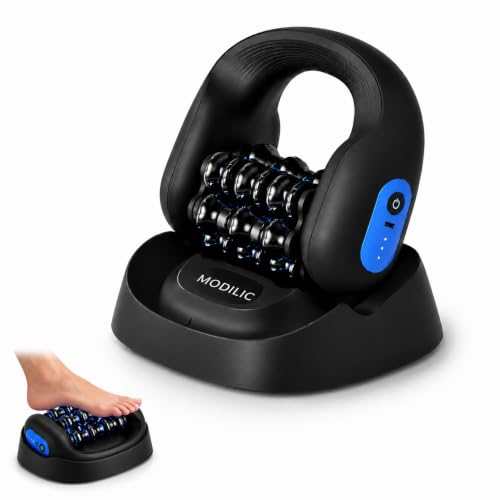
MODILIC 2-in-1 Electric Foot and Body Massager Roller

MODILIC 2-in-1 Electric Handheld Massager with Base

TheraFlow Small Dual Foot Massager for Neuropathy

MODILIC Electric Muscle Roller for Post-Workout Recovery

THERABAND Foot Roller for Arch and Heel Pain
Taking A Closer Look At The Options
The Tumaz Foot Roller earns its spot as the friendly on-ramp into manual foot massage. Its arch-hugging contour lines up naturally under the midfoot, which matters for first-timers who haven’t built up a tolerance for textured rolling. For people curious about reflexology but unsure whether a $30-or-so tool will actually get used, the entry-level ask is small.
Compared to the larger wooden rollers covered below, the Tumaz leans lighter and easier to toss into a tote. The shape reads almost like a small loaf, with raised ribs that hit the heel, arch, and ball of the foot during a slow back-and-forth pass. It also works under a desk, which is the real test for anyone on a long WFH stretch.
Practical Pluses
- Arch-conforming shape means less fiddling to find the right pressure angle
- Light enough to slide under a desk for quick standing breaks
- Texture covers heel through forefoot in a single roller
- Low cost makes it easy to keep one at home and one at the office
Things To Consider
- Plastic body may feel less substantial than wood options for shoppers who prefer heft
- Lacks a dedicated reflexology chart or detailed guide
Feature Snapshot
Who It Suits Best
First-time shoppers who want a low-cost intro to self-massage before committing to a bigger wooden or electric model.
Consider Something Else When
The TheraFlow Wooden Foot Massager is a smarter pick for those who prefer the solid feel of natural wood over plastic.
The FREATECH roller turns up the intensity with 459 individual acupressure points packed across its PP (polypropylene) surface. Where the Tumaz above focuses on a single arch curve, this one spreads stimulation across the entire sole, which feels closer to a true reflexology session. The material choice is deliberate: polypropylene keeps the points firm without the brittleness that cheaper plastics tend to develop over time.
For runners logging long miles or anyone who stands on hard floors all day, the higher point count can feel like a more thorough workout for the foot. One thing worth considering: that density can feel aggressive on a freshly sore arch, so easing in with light pressure is the smarter way to start.
Everyday Advantages
- High point count spreads contact across the entire sole
- Polypropylene build resists wear and stays firm under repeated pressure
- Targets heel, arch, and forefoot in one rolling pass
- Hand-sized cylinder is easy to grip and control during seated use
Trade Offs
- Point density can feel intense on a sensitive or freshly inflamed arch
- Smaller diameter means more passes are needed to cover the full foot
Quick Facts
Made For
Active adults and runners who want more aggressive reflexology contact than a smooth wooden roller can deliver.
Not Your Match When
The TheraFlow Small Dual Foot Massager is a calmer alternative for shoppers with neuropathy sensitivity.
The BESKAR roller is built for the kind of relief that happens away from home. Compact, lightweight, and shaped to slip into a carry-on or a gym bag, it lets plantar fascia work travel the way a foam roller can’t. For commuters, hotel-stayers, or anyone who wants a midday reset between meetings, that portability is the real headline.
Functionally, it lands somewhere between the Tumaz and the FREATECH above. The texture is firm enough to dig into the arch without the high-density sting, which makes it more approachable for users easing back into self-massage. For most backpacks, the footprint is small enough to keep on hand without it feeling like packing a piece of exercise equipment.
Key Advantages
- Compact profile slips into a laptop bag or carry-on with room to spare
- Balanced texture works for tender feet and more tolerant arches alike
- Plantar fascia focus makes it relevant for morning heel pain routines
Points To Note
- Lacks the deeper pressure profile of larger wood or electric rollers
- Limited information on included guides or charts in the package
Right Fit For
Frequent travelers and office workers who want a low-profile roller that lives in a drawer or a bag, not on the floor.
Look Elsewhere When
The MODILIC Electric Muscle Roller for Post-Workout Recovery suits shoppers who want powered relief after hard training sessions.
The classic TheraFlow wooden roller has earned its long-running reputation by keeping things simple and effective. Five rows of textured nubs run along a solid wooden cylinder, and the included reflexology chart gives beginners a reason to actually learn the foot map instead of guessing where to press. The heft of real wood adds a calming weight that lighter plastic picks can’t match.
Unlike the high-density FREATECH above, this roller spreads contact across fewer, broader points, which feels closer to a gliding deep-tissue pass than a sting. For nightly wind-down routines, that smoother ride is often the point. Maintenance is straightforward: a quick wipe with a dry cloth after use is generally enough to keep the wood from absorbing sweat.
Standout Benefits
- Solid wood body offers durable, stable contact
- Five textured rows hit a wide stretch of the sole
- Includes a reflexology chart for guided sessions
- Comfortable in-hand weight reduces wrist effort during longer rolls
Honest Caveats
- Wood is heavier than plastic, so it doesn’t pack as easily for travel
- Surface may need a dry wipe-down after sweaty sessions to stay clean
Best Suited To
Home users who want a long-lasting daily roller and appreciate having a chart to guide targeted foot work.
Reach For A Different Pick When
The BESKAR Foot Massager Roller is the easier carry-on choice for shoppers who travel frequently.
TheraFlow’s second wooden entry adds a meaningful twist: dual functionality that lets the user switch between a smoother rolling surface and a more targeted knobby side. For neuropathy-related numbness or tingling, that choice is genuinely useful, because sensitivity changes day to day, and a one-texture roller can feel either too much or not enough on different mornings.
Compared to the single-texture wooden pick above, this one earns its keep with a wider range of pressure options in a single tool. The trade-off is that the dual surfaces take a minute to learn, so a brand-new user may need a session or two to find a favorite side. Once dialed in, the versatility pays off for households where more than one person uses the same roller.
A Few Strong Suits
- Two massage textures cover both gentle and firmer needs
- Wooden build holds up to daily use over the long term
- Works well for neuropathy and plantar fascia in one device
Some Limits To Know
- Heavier than plastic picks, so it stays home more often than it travels
- Two surfaces can feel like a learning curve for first-time users
Who Will Love This
Households with mixed foot-care needs, from neuropathy sensitivity to firmer heel work, sharing a single tool.
A Better Fit Elsewhere
The MODILIC 2-in-1 Electric Handheld Massager is the stronger pick for users who want powered, multi-zone relief.
The MODILIC electric roller shifts the conversation away from manual labor. The 2-in-1 design works handheld for calves, arms, and shoulders, then drops into an included base for hands-free foot and calf sessions. For shoppers who want relief that doesn’t require them to push their own weight into a roller, that powered assist is the draw.
Rechargeable operation cuts the cord, which matters in living rooms without a convenient outlet near a chair. The trade-off shows up in runtime: heavier daily use means more frequent charging, so building a habit around the battery level is a small but real part of ownership. Still, the versatility across feet, calves, arms, and neck is rare in this category.
Strong Points
- Doubles as a handheld body massager and a foot-base roller
- Multiple textured rollers mimic professional kneading techniques
- Rechargeable battery frees the setup from outlet placement
Potential Drawbacks
- Battery life depends on speed and pressure settings
- Heavier than manual picks, so it’s a home unit, not a travel one
Key Product Details
Perfect Match For
Shoppers recovering from workouts or long shifts who want one device for multiple body zones, not just the feet.
Skip It When
The BESKAR Foot Massager Roller suits anyone who wants a simple, manual, no-charging tool for daily foot work.
This second MODILIC electric entry leans into performance, with six rotating massage rollers delivering continuous kneading across calves, thighs, shoulders, arms, neck, feet, and back. The hands-free base turns the same device into a stationary foot and calf unit, which is the configuration most shoppers will reach for at the end of a long day.
For people who want a powered routine that goes well beyond the feet, the broader body coverage is the headline. Compared to the manual TheraFlow rollers above, the difference is the level of effort required: zero pushing, just positioning. One practical note is that runtime will shorten at the higher intensity settings, so budgeting for a mid-week charge is part of the routine.
What Stands Out
- Six rotating rollers provide continuous kneading action
- Targets a wide list of muscle groups beyond the feet
- Hands-free base makes foot sessions effortless
Where It Is Less Suited
- Higher intensity modes drain the battery faster
- Priced noticeably above basic manual picks
At A Glance
Whose Shelf It Belongs On
Active users who want powered relief across multiple muscle groups and value the hands-free option for daily recovery.
Swap It Out When
The TheraFlow Wooden Foot Massager is the more appropriate choice for shoppers who prefer a quiet, manual, no-charge routine.
The TheraFlow Small Dual pairs two textured rollers on a stationary arched base, so both feet work at once. For neuropathy-related numbness or sensitivity, that hands-free setup removes the coordination challenge of balancing on a single rolling cylinder. The arched shape mirrors the natural curve of the foot, which is the part that matters for sustained comfort.
This is also the most apartment-friendly pick in the roundup, since the dual-roller design means no chasing a runaway cylinder across a hardwood floor. The smaller footprint is a real advantage in tight living spaces, but the trade-off is that the rolling length is shorter than a full-size wooden cylinder, so coverage per pass is naturally limited.
A Strong Showing
- Stationary dual-roller design works both feet at the same time
- Arched shape matches the natural curve of the foot
- Compact footprint fits neatly in smaller living spaces
- Approachable for users with neuropathy-related sensitivity
Factors To Consider
- Shorter rolling surface means more passes for full-foot coverage
- Wooden body adds weight compared to plastic travel picks
The Right Fit
Apartment dwellers and neuropathy-sensitive users who prefer a stationary, hands-free rolling motion over a single-cylinder chase.
Another Choice May Suit
The FREATECH roller is the better fit for shoppers who want a single high-density tool they can target precisely.
The MODILIC Electric Muscle Roller reads like a personal massager built for the recovery segment. Twenty-seven powered rolling points work together to cover larger muscle groups, and three speed settings let users match intensity to how the legs feel on a given day. For runners and lifters, the practical appeal is rolling out quads and calves without spending twenty minutes leaning into a foam roller.
Versus the foot-specific picks above, this one zooms out to whole-body recovery, so shoppers who only need arch work may not need the extra horsepower. The benefit shows up most clearly after hard training days when reaching down to a manual roller is the last thing anyone wants to do. Rechargeable operation keeps the routine flexible, though battery care matters for long-term reliability.
Real-World Strengths
- 27 powered rolling points cover larger muscle areas efficiently
- Three speed settings adapt to soreness levels
- Handheld design reaches quads, calves, and hamstrings without floor work
Practical Considerations
- Battery life shortens at higher speed settings
- Less specialized for foot-only routines than the picks above
Built With In Mind
Athletes and regular gym-goers who want a powered, hands-on roller for cooldown sessions, not just foot work.
Where A Sibling Pick Shines
The THERABAND Foot Roller is the more focused option for shoppers whose priority is targeted arch and heel relief.
The THERABAND Foot Roller is a clinical-grade classic, the kind of tool that shows up in physical therapy offices and home routines alike. The textured surface is designed to stimulate the nerves in the sole and encourage circulation across the arch and heel, which are the two zones most often involved in plantar fasciitis. For shoppers who trust the THERABAND name from other recovery products, this roller slots into an existing routine without friction.
Compared to the more elaborate electric picks above, the THERABAND keeps the experience simple, durable, and travel-friendly. The texture is firmer than a basic foam roller but less aggressive than a high-density plastic pick, which puts it in a useful middle ground. A wipe-down after use keeps the surface clean, and the lack of any electronic components means there’s nothing to charge or replace.
Features That Help
- Ergonomic textured surface covers arch and heel in focused passes
- Compact, no-power design works anywhere
- Backed by a brand widely used in physical therapy settings
Less Ideal Details
- Single texture may feel limiting for users who want more variety
- No included reflexology chart for guided sessions
Feature Overview
Who Should Grab It
Shoppers who want a no-fuss, therapy-trusted tool for arch and heel work, especially those already using other THERABAND products.
Not Your Match When
The MODILIC Electric Muscle Roller for Post-Workout Recovery is the better match for users who want powered whole-body recovery.
What To Weigh Before Choosing A Foot Roller
Material is the first meaningful decision. Wooden rollers tend to feel solid, last a long time, and offer a calmer rolling texture, which suits nightly wind-down routines. Plastic picks with high point counts lean more aggressive and often pack into a bag more easily. Electric models trade the effort of manual rolling for charging, runtime, and a higher cost, so the right pick depends on whether the goal is effort-free sessions or a simple, quiet tool.
Texture style matters as much as material. A smooth ribbed roller spreads contact across a wider surface, while a dense spiky pick targets specific points more aggressively. For sensitive feet or neuropathy, a gentler surface is the safer starting point. For athletes used to deep pressure, a higher-density roller is closer to what the body is asking for.
Size and footprint shape daily habits. A full-size wooden cylinder works beautifully in a living room but rarely makes it into a suitcase. A compact dual-roller base fits in tight apartments. A rechargeable electric unit stays home near an outlet. Matching the roller to where it will actually live, not where it might live, is what turns a purchase into a routine.
Intended focus is the last filter. Shoppers with morning heel pain want a roller that targets the arch and plantar fascia. Runners want calf coverage too. Neuropathy sufferers often prefer gentler textures or stationary hands-free designs. Picking the roller that maps to the actual problem is what separates a useful tool from a drawer orphan.
Key Considerations Across These Picks
Mistakes Worth Dodging
Going straight to the highest-intensity roller is a common slip-up, especially for shoppers new to self-massage. A dense spiky surface can leave a tender arch more inflamed than it started, which is the opposite of the goal. Easing in with a smoother or wood-based pick, then graduating to higher-density options, is a smarter path.
Another trap is choosing purely on material without considering how and where the roller will be used. A heavy wooden cylinder in a small studio apartment can feel like clutter, and a compact travel pick can feel underpowered for a serious home routine. Matching the roller to the room, the bag, or the routine is the step that most often gets skipped.
The Upgrade Payoff
Stepping up to a higher-tier electric or dual-surface model generally buys two things: less manual effort and broader coverage. For users with persistent soreness across multiple body zones, that versatility is real value. For shoppers with a single, specific foot complaint, a focused mid-tier pick usually delivers the same result without the extra spend. The honest read is that the upgrade earns its place when the routine expands beyond the feet, not just because the price tag is higher.
Frequently Asked Questions
How often should a foot roller be used for plantar fascia discomfort?
Most routines settle into two short sessions a day, often morning and evening, with each session lasting a few minutes. Daily consistency tends to matter more than any single long session.
Are wooden rollers better than plastic ones for sensitive feet?
Wood generally offers a smoother, broader contact surface, which feels gentler on sensitive feet. Plastic picks with high point counts can feel more intense and may need a lighter touch.
Do electric foot rollers actually work for arch pain?
Electric models can support arch relief by reducing the manual effort of rolling, which helps users who struggle to apply their own body weight. They work best when combined with a consistent daily routine.
How long does a typical foot roller last?
A solid wood or well-made plastic roller can last for years with basic care, like a wipe-down after use and storage away from extreme heat. Electric models depend on battery care and motor longevity.
Can a foot roller help with neuropathy symptoms?
A gentler roller, especially a stationary dual-roller design, can provide comforting stimulation that some neuropathy sufferers find useful. Discontinue use if any session causes increased discomfort.
Bottom Line
The right roller is the one that matches the actual problem, the actual room, and the actual routine. A compact manual pick covers most everyday needs at low cost, while a powered or dual-surface model earns its place when recovery expands beyond the feet. Trust the use case, not the spec sheet, and the right pick becomes a lot more obvious.
