

Post-surgical compression garments play a real role in how your recovery shapes up, and choosing one with the right fit, compression level, and coverage can change how every day feels while you heal. The right piece supports the lower back, helps newly transferred fat cells stay in place after a BBL, and keeps swelling manageable without restricting breathing. This roundup covers six options that address different stages of recovery, from the early weeks through the transition back to everyday wear.
A Snapshot Of The Selections

Sonryse Stage 2 Post Surgery Compression Garment

Snatched Body Back Board Tabla Lumbar

M MYODRESS Fajas Colombianas Stage 2 Shapewear
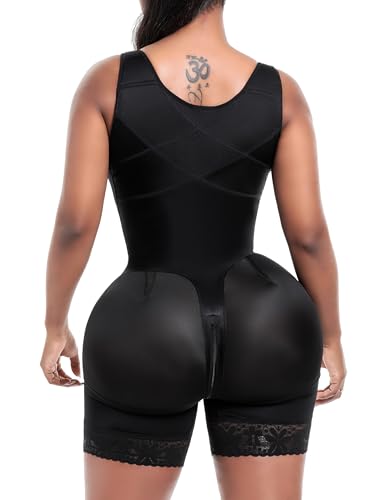
Snatched Body Stage 2 Shapewear Bodysuit
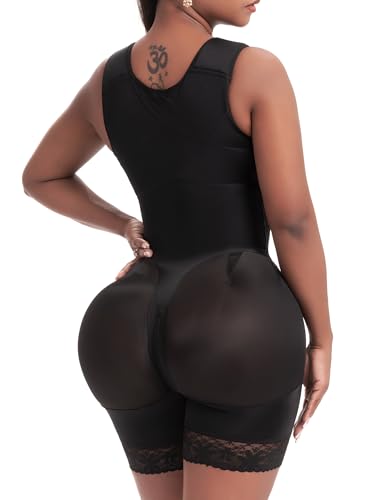
Snatched Body Stage 2 Faja with Bra

Snatched Body Stage 3 Faja Post Surgery
The Details Behind The Selections
Stage 2 recovery is where you start wanting something snug but forgiving, and the Sonryse Post Surgery Compression Garment is built for that exact window. It’s positioned for tummy tuck, liposuction, and BBL recovery with a Colombian faja construction that targets the midsection while leaving the glutes unconstrained.
You spend a lot of hours in this thing during recovery, so the fabric blend and stretch matter more than the marketing language suggests. Most wearers find the hook-and-eye closures easier to step into than pull-over styles, especially in the early weeks when bending is restricted.
Where It Excels
- Targets the abdomen and waist with structured compression while leaving the BBL area itself free of pressure
- Stage 2 labeling matches the typical three-to-six-week post-op window when you transition out of medical-grade wear
- Hook-and-eye front closures allow small adjustments as swelling goes down
- Long enough through the torso to prevent the dreaded mid-back gap when you sit
- Works as a foundation garment once you’re cleared for everyday shapewear
Things To Consider
- Sizing runs snug, and going by your pre-surgery weight rather than current weight tends to give a better fit
- Hand washing and line drying extend the lifespan of the compression fibers
Key Specs
Right Fit For
You’re three weeks post-op and need a mid-stage compression piece that supports your abdomen without flattening your BBL results.
Reach For A Different Pick When
The Snatched Body Back Board Tabla Lumbar suits you better if you also want structured lower-back support layered under a faja.
A faja alone doesn’t always address the lower back contour after lipo, and that’s where the Snatched Body Back Board earns its place. It’s a contoured lipo board (tabla in Spanish-speaking recovery communities) that slots between your body and the faja to keep the lumbar area flat and supported.
For anyone in Stage 2 recovery or coming off postpartum shaping, this board adds the kind of even pressure the fabric alone can’t deliver. It also doubles as daily shapewear support once you’re past the surgical phase.
Positive Takeaways
- Contoured shape matches the natural curve of the lower back, so it sits flat under a faja
- Complements Stage 2 compression garments during post-op recovery
- Useful for postpartum shaping when the lower back needs extra structure
- Discreet enough to wear under everyday clothing once cleared
Room For Improvement
- Worth measuring your torso length carefully, since boards that run long can dig into the glute area
- Best results come from wearing it inside a faja, so it adds a step to your routine
- Foam boards can trap heat in warmer climates
Made For
You already have a Stage 2 faja and want stronger lumbar shaping during the back of recovery.
A Better Fit Elsewhere
The Sonryse Stage 2 Post Surgery Compression Garment suits you better if you want compression and shaping in a single garment rather than a layered approach.
The M MYODRESS Fajas Colombianas shapewear covers the waist, abdomen, and hips in a single Stage 2 piece without the higher price tag of some premium competitors. It fits the standard Colombian faja mold, which leans toward sculpting the waist while smoothing the hip line.
It works well as a starter compression garment for the early recovery window and as an everyday shaping piece once your surgeon gives the all-clear. The construction targets three areas at once, so you spend less time layering separate bands and shapers.
What Helps Most
- Combined waist, abdomen, and hip compression in one garment
- Stage 2 compression level fits the typical mid-recovery window
- Useful beyond surgery as a daily shaping foundation
- Available to shoppers looking for an entry-level faja option
Small Caveats
- Generic sizing charts can run small, so measuring before ordering pays off
- Stitching along the seams is the most common wear point over time
Best Suited To
You’re newly post-op and want a budget-friendly Stage 2 faja that handles the waist and hips together.
Look Elsewhere When
The Snatched Body Stage 2 Shapewear Bodysuit fits better if you want full-torso coverage that stays put under clothing.
Bodysuits stay in place better than separates, which matters when you’re wearing compression for ten-plus hours a day. The Snatched Body Post Surgery Tummy Control Shapewear Bodysuit takes the Stage 2 compression brief and extends it into a full torso with shoulder support, so nothing rolls down when you sit or bend.
You move through your day without constant readjusting, and the smooth silhouette keeps lines flat under fitted tops once you’re past the recovery phase.
Everyday Perks
- Full-torso design prevents the waistband from rolling or folding mid-day
- Stage 2 compression level matches the post-op window when swelling starts to drop
- Smooth exterior works under fitted clothing without visible lines
- Shoulder straps distribute weight so you don’t feel cinched only at the waist
Worth Noting
- Bodysuits can feel warm in summer months or under heavy outer layers
- Going to the bathroom requires stepping out of the garment, which adds time to your day
- Hook closures at the gusset vary by batch, so test them early in case of returns
Feature Snapshot
Who It Suits Best
You want a single-piece bodysuit that keeps everything in place during long days in mid-recovery.
Consider Something Else When
The Snatched Body Stage 2 Faja with Bra makes more sense if you also want built-in bust support and one less layer to manage.
Some recovery routines call for support from bust to thigh, and the Snatched Body Stage 2 Faja with Bra answers that brief. It’s a one-piece Colombian faja that integrates a bra section, so you skip the layering and keep compression consistent from the shoulders down through the lower abdomen.
It runs in the higher price tier, but the integrated design tends to save you from buying separate compression pieces. For anyone going through a tummy tuck, lipo 360, or BBL, the all-in-one coverage simplifies dressing on days when bending and stretching still feel like work.
Useful Strengths
- Combined bra and faja design removes a layer of clothing during recovery
- Stage 2 compression level fits the three-to-six-week post-op window
- Works through the transition from post-op to everyday shapewear
- Colombian moldeadora shaping targets the waist and lower torso
Practical Considerations
- Premium tier means a higher investment than separate pieces in some cases
- Bust fit varies by body type, so checking the bra section sizing matters
Quick Facts
Who Will Love This
You want full upper-to-lower compression in one garment and value the convenience of integrated bra support.
Swap It Out When
The Sonryse Stage 2 Post Surgery Compression Garment fits you better if you prefer a faja without bust coverage.
By the time you’re six or more weeks post-op, your compression needs shift from managing swelling to firm shaping, and that’s the lane the Snatched Body Stage 3 Faja Post Surgery Shapewear occupies. It’s labeled BBL-safe, meaning the cut keeps pressure off the grafted fat while still compressing the abdomen and waist.
You wear it through the later months of recovery when Stage 2 starts to feel loose and you want more hold. For anyone planning long-term shaping, it doubles as an everyday foundation garment after the surgical window closes.
Positive Points
- Stage 3 compression level fits the late-recovery window when swelling has dropped
- BBL-safe cut avoids flattening the glute area during shaping
- Tummy control design supports the abdomen through the final recovery phase
- Transitions into an everyday shaping piece once your surgeon clears you
Trade-Offs To Consider
- Firmer compression can feel restrictive if you’re still tender in week six
- Best worn after a surgeon clears you for stronger compression
Core Details
Perfect Match For
You’re past the early recovery window and need firmer shaping to finish out your BBL results.
Not Your Match When
The M MYODRESS Fajas Colombianas Stage 2 Shapewear works better if you’re still in the early-to-mid recovery window and want gentler compression.
Factors Worth Weighing Before Choosing Your Recovery Faja
Compression Stage and Where You Are in Recovery
Stage 1 fajas typically deliver firmer compression for the first two to three weeks, while Stage 2 pieces ease off slightly for weeks three through six. Stage 3 garments step back in around week six and beyond for shaping rather than swelling control. Picking the right stage matters more than brand name in most cases.
Coverage Area and Surgical Site
A BBL requires a cut that leaves the glutes uncompressed, while a tummy tuck needs full abdominal support. Some fajas cover the bust down to the knees, others stop at the waist or upper thigh. Layered options, like the back board above, add structure where the fabric alone falls short.
Closure Style and Daily Practicality
Hook-and-eye fronts allow easy step-in entry and on-the-fly adjustment as swelling drops. Pull-on designs feel smoother under clothing but require more flexibility to put on. Bodysuits add shoulder straps but need gusset hooks for bathroom breaks.
Fit Accuracy and Sizing Approach
Most fajas run small, and going by your post-op measurements rather than your pre-surgery weight usually gives the right compression without unnecessary restriction. Measuring the waist, hip, and torso length before ordering saves a return cycle.
Key Considerations Across These Picks
Pitfalls Worth Dodging
Skipping a sizing chart is the most common mistake, since fajas run smaller than standard shapewear. Choosing a Stage 1 garment when you’re already six weeks post-op can leave you under-compressed, while jumping to Stage 3 too early may feel restrictive against tender tissue.
Where The Extra Money Goes
Premium pieces tend to add integrated bra sections, smoother exterior fabrics, or layered compression panels that mid-range options skip. The integrated design on the Stage 2 Faja with Bra, for example, removes a layer of clothing, which can matter when you’re wearing compression for ten hours a day. Higher-tier Stage 3 garments often use stronger shaping fabrics that hold their compression longer through repeated washing.
Frequently Asked Questions
When can you switch from Stage 2 to Stage 3 fajas?
Most surgeons clear the transition around the six-week mark, once swelling has dropped and incisions are stable enough for firmer compression.
Can a faja flatten BBL results?
Yes, if the garment puts direct pressure on the grafted fat. BBL-safe cuts leave the glute area open or use lighter fabric there to protect the transferred cells.
How many hours a day should a faja be worn after BBL?
Your surgeon sets the schedule, but common guidance starts at nearly full days and nights in the first weeks, then tapers down through recovery.
Do you need a back board with a faja?
Not always, but a back board helps flatten the lumbar area after lipo when the fabric alone doesn’t deliver even pressure.
How do you wash a post-surgery faja?
Hand washing in cool water and line drying keeps the compression fibers intact longer than machine cycles and heat.
