

Stretching ears is a slow, deliberate practice, and the right tool set removes a lot of the guesswork. The four kits below cover different starting points, materials, and budgets, so whether someone is taking their first step up from a standard piercing or moving into larger gauges, there is a sensible starting place here.
The Main Contenders

HEKEUOR Steel Ear Stretching Kit, 0g-00g

Narberkapo Glass Ear Gauges Stretching Kit, 14G-00G

Urban Body Jewelry 1G Steel Ear Stretching Kit
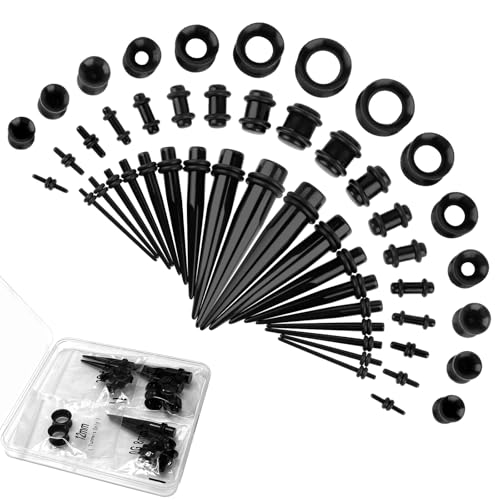
Okxiri 50 Pc Acrylic Ear Stretching Kit, 14G-00G
The Strengths Of Each Pick
The HEKEUOR kit lands at the point where many stretchers pause, sitting between 0g and 00g, which is a notoriously awkward jump from a standard piercing. It includes two steel tapers and two matching steel tunnels, so the user has a guided path from one gauge to the next without buying pieces piecemeal.
Steel feels weighty in the hand, and for people who already know their ears tolerate metal, that familiarity is reassuring. Compared with the multi-size acrylic set further down the list, this one is far more focused, built specifically for a single transition rather than a long sequence of steps.
What Works In Its Favor
- Steel tapers and tunnels give a precise, steady stretch without flex or wobble.
- The 0g to 00g window addresses a transition many multi-size kits skip or undersize.
- Four-piece layout keeps the routine simple, no sorting through dozens of options.
- Steel holds up well to regular cleaning, which matters for stretched lobes in daily contact with hair and hats.
Things To Consider
- Steel can irritate very sensitive ears, so anyone prone to reactions should test a small window of wear first.
- The kit only covers one size transition, so a full journey from small to large still needs additional purchases.
Who Will Love This
Stretchers working through the mid-range who want a focused, no-fuss transition from 0g to 00g.
Look Elsewhere When
The Narberkapo glass kit suits people earlier in the journey who need multiple smaller sizes first.
Glass plugs and tapers earn a quiet reputation in stretching communities, and the Narberkapo set leans into that fully. The set is split into two ranges, seven pairs from 14g to 4g (1.6mm to 5mm) and five pairs from 2g to 00g (6mm to 10mm), so it walks a user from a fresh standard piercing all the way to 10mm in gradual steps.
The smooth, hypoallergenic surface tends to be gentler on healing lobes than rougher metals or acrylic, which matters most in the first weeks of any stretch. Owners commonly mention how easily glass wipes clean, a small but real benefit when lobes are still tender.
Everyday Advantages
- Hypoallergenic glass lowers the risk of irritation for sensitive skin.
- Graduated sizing from 14g to 00g covers nearly the entire common stretching journey.
- Single flare design with included rubber rings keeps plugs seated securely during daily wear.
- Smooth finish makes cleaning quick, usually just soap, warm water, and a soft cloth.
Trade Offs
- Glass can crack if dropped on a hard bathroom or tile floor, so storage on a soft surface is wise.
- More pieces in the box means more to keep track of between sessions.
Key Product Details
Perfect Match For
First-timers and sensitive-skin wearers who want a single kit to carry them through almost the entire stretching journey.
Swap It Out When
The HEKEUOR steel set is a better call for someone whose ears already tolerate metal and who only needs the 0g to 00g transition.
The Urban Body Jewelry kit keeps things stripped back to a single goal: moving ears to 1 gauge, around 7mm. It ships with two steel tapers and two steel single-flare tunnels, which is the minimum useful set for a clean, controlled stretch at that specific size.
That narrow focus is the point. Someone who already knows they are heading to 1G and only 1G does not want to pay for sizes they will never use, and this kit respects that. The four-piece count also means less to misplace during a stretch session.
The Value In It
- Targeted 1G sizing removes the guesswork for stretchers committed to a specific gauge.
- Steel construction is durable under daily wear and frequent cleaning.
- Single-flare tunnels are easier to insert than double-flare styles for newer stretches.
Points To Note
- Only useful for the 1G step, so anyone going larger or smaller will need another kit soon after.
- Steel is not the right pick for lobes that have reacted to metal in the past.
Right Fit For
Stretchers who already know 1G is their target and want a focused, compact kit to get there cleanly.
Another Choice May Suit
The Okxiri acrylic set is a smarter pick for anyone who wants a long ladder of sizes in one purchase.
The Okxiri set is built for breadth, packing 50 pieces, including tapers, plugs, and silicone tunnels, into a single purchase. The size range covers 14G through 00G, which essentially mirrors the Narberkapo glass kit’s ladder, just in a lighter, more colorful material.
Acrylic is the go-to for stretchers who want low weight and lots of options without a serious upfront spend. It works best after the lobes have already settled, since very fresh stretches tend to prefer smoother, less porous materials.
Where It Delivers
- 50-piece count covers a full stretching journey from 14G to 00G in one box.
- Acrylic construction keeps the kit light, comfortable for sleep and long wear.
- Mixed tapers, plugs, and silicone tunnels give users flexibility to find their preferred style.
- Wide size ladder means fewer extra purchases between starting and reaching 00G.
Honest Caveats
- Acrylic can feel rough against very fresh stretches, so a glass or steel starter may be safer for new lobes.
- With 50 pieces, organization matters, since loose plugs tend to vanish in drawers and travel bags.
Built With In Mind
First-time stretchers who want a full kit in one purchase and do not mind working through a longer ladder of sizes.
Consider Something Else When
The Narberkapo glass set is a smarter call for sensitive ears that need a hypoallergenic surface from day one.
What Matters Most Before Choosing ear stretching kits
Material and Skin Compatibility
The first decision is what touches the lobe. Steel is durable and easy to clean but can bother very reactive skin. Glass is hypoallergenic and smooth, a common pick for sensitive ears and fresh stretches. Acrylic is light and varied, though it tends to be rougher on healing tissue. Matching material to skin type is more useful than chasing the largest size range.
Size Coverage and Stretching Pace
A full kit from 14G to 00G removes the need for repeat purchases, but a focused single-size kit can be a better value when the target gauge is already known. Stretching too quickly is the most common cause of blowouts and tears, so a kit that encourages small, patient jumps is worth more than one that skips sizes.
Flare Style and Daily Wear
Single flare plugs are easier to insert and remove, which helps during the early stretch phase. Double flare styles hold more securely but can be tougher to maneuver in tender lobes. Rubber o-rings add grip and prevent slipping during sleep or exercise, a small detail that matters more than it seems.
Long-Term Comfort and Care
Steel and glass both wipe clean with mild soap and water, while acrylic needs a bit more attention because its surface can hold onto residue. Storage on a soft pouch or in a divided case prevents scuffs and cracks, especially for glass pieces. A kit that fits a normal care routine tends to stay in rotation far longer.
Key Considerations Across These Picks
Where Shoppers Go Wrong
The most common slip is buying the largest size range without checking the material, which leaves sensitive ears sore and slow to heal. Another is stretching more than one size per session, which can cause thinning and tearing even with a well-made kit. Going slow, even when the kit offers the next size, is almost always the smarter move.
When Paying More Pays Off
Spending more tends to buy smoother finishes, tighter tolerances between tapers and tunnels, and materials that hold up over years of wear. The higher glass set, for instance, is a step up in comfort for anyone with reactive skin, while a denser steel kit offers reassuring weight and stability. For stretchers planning to stay at a larger gauge long term, that material upgrade usually pays back in comfort and durability.
Frequently Asked Questions
How long should ears rest between stretches?
Most practitioners wait several weeks between sizes, though healing time varies by lobe thickness and stretch history. A good rule is to wait until the current size moves freely with no tightness before moving up.
Are glass or steel tapers better for beginners?
Glass is often the gentler choice for fresh stretches because of its smooth, hypoallergenic surface. Steel is sturdy and long-lasting, which suits ears that have already settled into metal wear.
What gauge should a beginner start from?
Many people start from a standard 14G or 16G piercing, moving up gradually over months. Jumping sizes too quickly is a common cause of damage, so patience matters more than speed.
Can the same kit be used for both ears?
Yes, the kits listed here include pairs, so both ears can be stretched together. It helps to keep the sizes matched so the lobes stay symmetrical during the process.
How should tapers and plugs be cleaned?
Warm water, mild soap, and a soft cloth are usually enough for glass and steel. Acrylic benefits from a gentle wipe rather than harsh alcohol, which can dull the finish over time.
Closing Remarks
The right kit depends less on ambition and more on skin, patience, and where the ears already are. Pick the material that suits the lobes, choose a size ladder that respects a slow pace, and the rest tends to fall into place. Any of the four sets above will serve that process well when matched to the right starting point.
