

A vitamin C serum can make a crowded bathroom shelf feel surprisingly complicated. Brightening, hydration, dark-spot care, and stable formulas all sound useful, yet your skin’s tolerance and morning routine matter more than a long ingredient list. These six options help you narrow the field by formula, texture, and daily practicality.
The Essentials At A Glance

Dermalogica Biolumin-C

e.l.f. SKIN Vitamin C Serum with Vitamin E and Pomegranate

Drunk Elephant C-Firma Fresh Day Serum with 15% L-Ascorbic and 0.5% Ferulic Acids

La Roche-Posay Hyalu B5
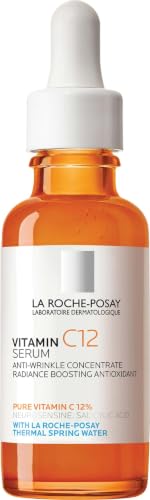
La Roche-Posay 12% Vitamin C
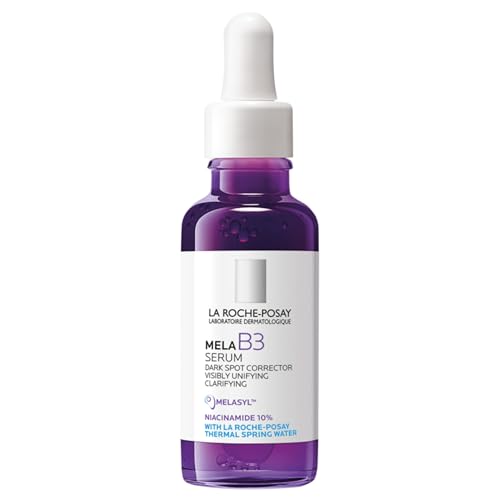
La Roche Posay Mela B3 Serum
Inside Each Recommended Option
For a mature complexion that needs more than a one-note brightening serum, Dermalogica Biolumin-C brings together vitamin C, gentle exfoliation, and hydration in a lightweight format. The few-drop application suits mornings when you want brightening without several jars crowding the counter.
Compared with the high-potency C-Firma formula, this serum feels more restrained and easy to integrate around moisturizer. Its dual stable vitamin C complex is designed to resist the oxidation that causes many vitamin C products to lose effectiveness, which matters for consistent daily use.
What It Does Well
- Combines brightening vitamin C with lactic acid for gentle exfoliation.
- Chia seed oil adds hydration without a heavy serum feel.
- Palmitoyl tripeptide-5 supports the formula’s firmer-skin positioning.
- The fast-absorbing texture layers comfortably under moisturizer.
Trade Offs
- Several active ingredients make it more involved than the straightforward e.l.f. formula.
- Its focus on normal to mature skin offers little reason to choose it for a simple beginner routine.
Feature Snapshot
The Right Fit
You’ll appreciate this option if your priorities are uneven tone, fine lines, and hydration in one lightweight morning step.
Where Another Pick Suits Better
Choose the e.l.f. SKIN Vitamin C Serum when you want a shorter ingredient story and a lightweight formula for a basic daily routine.
A first vitamin C serum has to be easy to understand and easy to wear. The e.l.f. formula keeps things straightforward with vitamin C, vitamin E, and pomegranate extract, all in a texture that absorbs without demanding a separate routine adjustment.
That simplicity separates it from Dermalogica Biolumin-C, which pairs vitamin C with exfoliating and firming ingredients. You get a more focused antioxidant step here, particularly attractive for morning use before moisturizer and sunscreen.
Notable Upsides
- Lightweight layering suits humid weather and quick routines.
- Vitamin E complements the formula with added hydration.
- Pomegranate extract contributes additional antioxidants.
- The brand is vegan, with cruelty commitments recognized by Leaping Bunny and PETA.
Small Caveats
- It offers fewer supporting ingredients for uneven texture than the Dermalogica option.
- Dark-spot care is not the central purpose of this formula, so the La Roche Posay Mela B3 option may align more closely with that goal.
Quick Facts
Made For
You’ll find this formula most useful as an uncomplicated first step for someone building a consistent skincare routine.
Reach For A Different Pick When
Choose Dermalogica Biolumin-C when your skin also needs gentle exfoliation and firmer-skin support within the same serum.
Freshness matters most with L-ascorbic acid, the active form of vitamin C that can oxidize after exposure to air and light. C-Firma addresses that issue by asking you to mix two components before the first use, keeping the formula fresh while you work through it.
At 15% L-ascorbic acid, this is a more concentrated choice than the other vitamin C options here. For an established routine, that potency makes sense; for a first serum, the mixing step and higher concentration create more commitment.
What Stands Out
- Uses 15% L-ascorbic acid for a concentrated antioxidant step.
- Adds 0.5% ferulic acid, an antioxidant that supports the formula.
- Vitamin E contributes hydration alongside the antioxidant complex.
- The formula avoids essential oils, silicones, fragrance, dyes, drying alcohols, and SLS.
- Morning application fits neatly before sunscreen.
Practical Considerations
- Mixing the components before first use adds a permanent step to the routine.
- The high concentration may be unnecessary for someone beginning with a gentler serum.
Technical Highlights
Who Will Love This
You’ll appreciate the freshness protocol and high concentration if you already understand how L-ascorbic acid fits into a morning routine.
A Better Fit Elsewhere
Choose La Roche-Posay 12% Vitamin C when you want a ready-to-use formula with options that pair vitamin C with hydration or exfoliation.
Not every skin needs a strong antioxidant serum, particularly when dryness is the visible problem. La Roche-Posay Hyalu B5 takes a different route with hyaluronic acid, a water-binding molecule, glycerin, and vitamin B5 for moisture and barrier support.
The rich texture makes it more substantial than the e.l.f. vitamin C serum. In a consumer study of 85 people applying it twice daily, 91% reported that their skin felt smoother immediately, and instrumental measurements showed barrier repair within one hour.
Features That Help
- Rich hydration suits skin that feels tight after cleansing.
- Hyaluronic acid supports a plumper, smoother-looking finish.
- Vitamin B5 complements the formula’s moisturizing role.
- The formula is suitable for sensitive skin.
Points To Note
- It contains no vitamin C, making it a hydration alternative rather than an antioxidant serum.
- The richer texture may feel heavier during hot, humid weather.
Best Suited To
You’ll find this formula most useful when dryness, tightness, and barrier comfort matter more than direct brightening.
Swap It Out When
Choose Dermalogica Biolumin-C when uneven tone, dark spots, and visible aging are your primary skincare goals.
The useful feature of La Roche-Posay 12% Vitamin C is not just its 12% vitamin C concentration, but the choice of supporting ingredients. One formula pairs vitamin C with hyaluronic acid for hydration, while another combines it with salicylic acid, an exfoliating ingredient that suits uneven texture.
Compared with the concentrated C-Firma serum, this is a less complicated routine with no mixing step. It also offers a middle path between a lightweight antioxidant formula and a richer treatment for dry skin.
Benefits That Matter
- The hyaluronic acid pairing adds moisture-focused support.
- The salicylic acid option supports smoother-looking texture.
- Ready-to-use formulas simplify the morning process.
- The product is also presented as suitable for sensitive skin.
Some Limits To Know
- You must compare the two formulas closely because their supporting ingredients serve different needs.
- Salicylic acid may be less appealing during periods when your skin feels sensitized.
The Key Facts
Whose Shelf It Belongs On
You’ll appreciate this option if you want a 12% vitamin C serum and your skin needs either extra moisture or smoother texture.
Another Choice May Suit
Choose the e.l.f. SKIN Vitamin C Serum when you prefer a featherlight texture and a shorter ingredient list for daily layering.
Post-acne marks can be a frustrating reason to add another brightening product. La Roche Posay Mela B3 Serum takes a different approach through niacinamide, a form of vitamin B3, with discoloration care as its central purpose.
The formula is aimed at sun spots, age spots, and post-inflammatory hyperpigmentation, meaning the marks left behind after skin becomes irritated or blemished. It is a better match for that concentrated concern than a general antioxidant serum, especially when your priorities are tone and visible spots.
The Case For It
- Targets several common forms of visible discoloration.
- Focuses on the post-acne marks that general brightening may overlook.
- Supports a more even-looking and radiant-looking complexion.
Worth Bearing In Mind
- It does not provide vitamin C, so it belongs beside the list rather than inside its vitamin C category.
- It suits a discoloration-first routine better than a general antioxidant goal.
Built With In Mind
You’ll find this formula most relevant when lingering post-acne marks are the main skin concern you want to address.
Where A Sibling Pick Shines
Choose Dermalogica Biolumin-C when you want vitamin C, gentle exfoliation, hydration, and support for firmer-looking skin in one formula.
How to Build a Vitamin C Routine That Fits
Start With Your Skin Goal
Vitamin C suits general radiance, uneven tone, and visible signs of sun damage. Niacinamide becomes more relevant when lingering post-acne marks are your focus, while hyaluronic acid takes priority when tightness and dehydration dominate your routine. Choosing the goal first keeps you from adding a brightening product that addresses only part of your concerns.
Read the Active Ingredient
L-ascorbic acid is the active form of vitamin C and is often used at higher concentrations, as in the 15% C-Firma formula. Stable vitamin C systems offer a different convenience by resisting oxidation, while formulas that pair vitamin C with lactic or salicylic acid add exfoliation. Check that added purpose matches what your skin already tolerates.
Consider Texture and Timing
A lightweight formula disappears easily under moisturizer and works well during warm weather. Richer hydration formulas suit skin that feels tight, while a mixing protocol requires more attention before the first application. Most routines work best with a few deliberate steps: cleanse, treat, moisturize, and finish with morning sunscreen.
Smart Routine Details
Mistakes Worth Dodging
Mixing several brightening serums can make your routine harder to evaluate. Choose one vitamin C formula, introduce it gradually, and give it a consistent place in your schedule. Pay attention to texture, lingering irritation, and how easily the product layers before adding another active.
The Upgrade Payoff
Higher-cost formulas may use higher antioxidant concentrations, stability systems, or fresh-mixing protocols. Those features can suit an established routine, but a simpler vitamin C serum often delivers a more comfortable introduction. The useful upgrade is the formula your skin tolerates, not the one with the longest ingredient list.
Frequently Asked Questions
Which Drugstore Vitamin C Serum Is Easiest for Beginners?
The e.l.f. SKIN Vitamin C Serum is the simplest starting point because it combines vitamin C, vitamin E, and pomegranate extract in a lightweight texture. It also layers easily, which helps you establish a consistent morning habit.
Can You Use Vitamin C Every Day?
Daily use is reasonable once your skin is comfortable with the formula. Start with fewer applications and increase the frequency based on your skin’s response, especially when the serum also contains exfoliating acids.
What Does Stable Vitamin C Mean?
Stable vitamin C is formulated to resist oxidation and deterioration from air and light. Dermalogica uses a dual stable complex, which can be easier for regular users to incorporate than C-Firma’s pre-first-use mixing ritual.
Can Vitamin C Replace Sunscreen?
No. Vitamin C can support a brighter-looking complexion, but morning sunscreen remains a separate step, and C-Firma’s instructions specifically call for it after serum application.
Is Niacinamide Serum the Same as Vitamin C Serum?
No. Niacinamide is a form of vitamin B3, so La Roche Posay Mela B3 Serum serves a different role from the vitamin C options, particularly when post-acne marks are your main concern.
Final Thoughts
The right serum depends on your actual routine, not the length of its ingredient list. Start with a stable, lightweight formula for uncomplicated use, move higher when your skin is comfortable, and choose hydration or niacinamide when those concerns outrank general brightening. Consistency matters more than adding every active at once.
