

A sunscreen-heavy evening can leave you juggling several products, but double cleansing works best when each step has a clear job. Oil-based and micellar cleansers lift makeup, sunscreen, and surface oils, while a foaming gel or water-based wash removes what remains.
You’ll find options for sensitive, dehydrated, combination, and oily skin in this guide. The right pair also depends on how much makeup you wear, how your skin feels afterward, and whether you prefer a no-rinse first step or a transforming foam.
The Essentials At A Glance
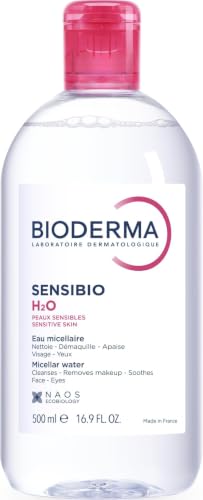
Bioderma Sensibio H2O Micellar Water

Bioderma Sébium H2O Micellar Cleanser

Bioderma Hydrabio H2O Micellar Water Cleanser
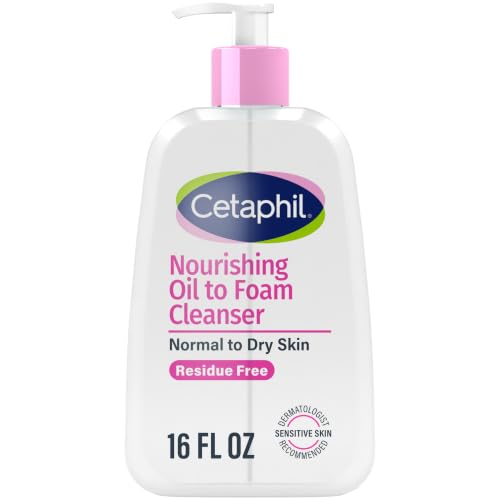
Cetaphil Nourishing Oil Cleanser

innisfree Green Tea Amino Acid Cleansing Foam

La Roche-Posay Toleriane Purifying Cleanser

esfolio Collagen Hydrating Cleansing Foam with Centella, 150ml
What Each Pick Brings To The Table
Sensitive skin can object to a demanding evening routine, especially after a full day of sunscreen and makeup. Bioderma Sensibio H2O uses micelles, microscopic cleansing droplets designed to capture oils and surface debris, so you can sweep gently across your face without a foaming cleanser or rinsing step.
The formula works from the skin’s pH, the measure of its acid-to-alkaline balance, and is intended for gentle cleansing of the face and eye area. For most people with sensitive skin, its softer first-step role makes more sense than pairing it with another rich cream cleanser.
What Earns Its Place
- Removes face and eye makeup with a simple cotton-pad application.
- No rinsing makes it convenient for travel or late-night makeup removal.
- Targets impurities and fine airborne particles without a stripping lather.
- Suits people who dislike the sensation of a traditional oil cleanser.
Things To Consider
- A separate water-based cleanser may still be needed for a complete double-cleansing routine.
- You’ll need enough cotton pads to avoid repeatedly dragging product across the skin.
Key Specs
Who It Suits Best
This pick fits sensitive-skinned adults who wear light to moderate makeup and prefer a simple first step without rinsing.
A Better Fit Elsewhere
Those with very oily skin may prefer Bioderma Sébium H2O Micellar Cleanser for its more targeted purifying approach.
Oil tends to reappear quickly on combination skin, particularly across the forehead and nose. Bioderma Sébium H2O takes a more targeted approach than the Sensibio formula, purifying dirt and makeup while remaining suited to skin that produces excess sebum.
You can use it as the first step when shine is your main concern, then follow with a mild foaming cleanser. Unlike a heavier cream or balm, the micellar format rinses away easily and feels more natural on a warm, humid day.
The Helpful Details
- Addresses the excess oil associated with combination and oily skin.
- Removes makeup and accumulated dirt in a single wipe.
- Offers a light alternative to rich cream cleansers.
Trade Offs
- It may feel too light for people whose makeup routine includes heavier layers.
- A second cleanser is useful when you want a more thorough after-work wash.
- Its oil-focused positioning offers less appeal for already-dry skin.
Built With In Mind
This option suits people with a shiny T-zone, frequent midday oiliness, and a preference for a no-rinse first cleanse.
Where Another Pick Shines
Sensitive-skinned shoppers seeking a gentler broad-spectrum choice may feel more comfortable with Bioderma Sensibio H2O Micellar Water.
Dehydrated skin can feel tight after cleansing even when it doesn’t appear especially oily. Bioderma Hydrabio H2O combines gentle micellar cleansing with a focus on skin that feels both sensitive and short on moisture, making it a sensible bridge between the Sensibio and Sébium options.
The cleansing water lifts face and eye makeup, impurities, and fine particles from the air. For a humid commute followed by an evening change of clothes, it offers a comfortable no-rinse step before a hydrating foam.
Everyday Perks
- Supports a gentle routine for sensitive, dehydrated skin.
- Removes makeup from both the face and eye area.
- Leaves no foam or rinsing stage behind.
- Works well before a richer second-step cleanser.
- Suits travel days when your routine needs to stay compact.
Soft Caveats
- You may prefer a creamier texture for very dry areas.
- The product addresses surface cleansing rather than a full makeup routine on its own.
At A Glance
Right Fit For
This pick fits people whose skin feels tight or rough after washing and who want makeup removal without a drying after-feel.
Consider Something Else When
People concentrating on excess oil across the entire face may get a more suitable match from La Roche-Posay Toleriane Purifying Cleanser.
Dry skin can make cleansing feel like a trade-off between removing makeup and retaining a comfortable surface. Cetaphil Nourishing Oil Cleanser begins as a silky oil and transforms into foam when worked with water, giving you a makeup-melting first step followed by a more familiar cleanser texture.
The 16 fl oz bottle is designed for sensitive and normal-to-dry facial skin. It also works as a standalone daily cleanser, though the dissolving oil-to-foam design makes it particularly interesting for heavier evening routines.
Positive Takeaways
- Starts as oil to loosen makeup, excess oil, and impurities.
- Turns into a gentle foam during use.
- Leaves less of a tight sensation than a basic foaming wash.
- Suits sensitive, normal, and dry facial skin.
- Can serve as either step in a double-cleansing routine.
Practical Considerations
- You’ll need to emulsify the oil thoroughly with water before rinsing.
- The large bottle requires more shelf space than a travel-size option.
Feature Snapshot
Made For
This cleanser suits dry or sensitive adults who wear makeup regularly and prefer a rich first step that rinses clean.
Look Elsewhere When
Your routine needs a dedicated no-rinse first cleanse, making Bioderma Sensibio H2O Micellar Water a neater option.
A second cleanser should remove the residue left by the first without turning the final step into a foamy spa ritual. innisfree Green Tea Amino Acid Cleansing Foam creates a rich lather with green tea and an amino acid complex, then rinses away dirt, oil, and impurities.
You dispense a pea-sized amount, work it into a lather, and massage it over wet skin. The formula is sulfate-free and pH-balanced, which makes it a practical second step after a micellar water or a straightforward choice for simpler routines.
The Upside
- Produces a generous lather with a small amount.
- Cleans without leaving skin feeling overly dry.
- Sulfate-free formula suits people avoiding harsher lather ingredients.
- Green tea and amino acids give the routine a more targeted feel.
Small Caveats
- A rich lather takes more time to rinse than a lightweight gel.
- It is primarily a water-based cleanser rather than a dedicated makeup remover.
Who Will Love This
This pick appeals to people who want a fragrant-free-feeling, sulfate-free foam for the second stage of an evening routine.
Swap It Out When
Those who prefer a light gel texture and very quick rinsing may get a better fit from La Roche-Posay Toleriane Purifying Cleanser.
A foaming gel can clear away sunscreen and everyday residue without the heavier texture of a cream cleanser. La Roche-Posay Toleriane Purifying Cleanser targets normal-to-oily sensitive skin, removing makeup, impurities, and excess oil while supporting the skin’s natural protective barrier.
Its pH-balanced gel is a logical second step after Bioderma Sébium H2O for an oily complexion, though it also works on its own. The niacinamide addition gives the formulation a defined focus without requiring a complicated multi-product routine.
Practical Pluses
- Removes makeup, impurities, and excess oil in one gel cleanser.
- Supports a comfortable feel on normal-to-oily sensitive skin.
- Uses niacinamide as a targeted formula feature.
- Helps maintain the skin’s natural protective barrier.
- Works well after a micellar first step.
Details To Watch
- It may feel too clarifying for people whose skin is dry across the entire face.
- Its foaming format requires massaging and rinsing rather than a simple wipe-away step.
Core Details
The Right Fit
This cleanser suits people with oily or combination skin who want a foaming gel that also feels considered for sensitive skin.
Another Choice May Suit
People experiencing tightness and dryness benefit more from the oil-based approach of Cetaphil Nourishing Oil Cleanser.
You don’t need an elaborate shelf to complete double cleansing. esfolio Collagen Hydrating Cleansing Foam offers one bottle that can handle dirt, excess oil, and makeup residue while remaining suitable for all skin types, making it a straightforward choice for simpler routines.
The 150 ml, or 5.29 oz, formula combines collagen with centella and milk protein. Its foam provides a more substantial clean than a light gel, so it works well as the second step after a gentler micellar cleanse.
Notable Gains
- Cleans dirt, excess oil, and leftover makeup residue.
- Foaming texture makes it easy to spread over the face.
- Formulated for all skin types.
- Collagen, centella, and milk protein round out the skincare ingredients.
- A single 150 ml bottle can handle both steps for less complicated routines.
Where It May Fall Short
- It may not remove heavy makeup as neatly as a dedicated first-step cleanser.
- The 150 ml size is convenient, but it offers less product than a family-sized bottle.
Feature Facts
Whose Shelf It Belongs On
This foam fits minimalists, beginners, and all-skin-type households that want an effective daily cleanser without a crowded shelf.
Reach For A Different Pick When
Heavy-makeup wearers benefit more from starting with Cetaphil Nourishing Oil Cleanser to loosen more substantial layers.
Matching Cleansers To Your Skin and Routine
Start With Your Skin Type
Sensitive skin generally benefits from a low-friction first cleanse, making Bioderma Sensibio H2O Micellar Water or Bioderma Hydrabio H2O Micellar Water Cleanser practical starting points. Combination and oily skin calls for controlling excess oil without making the final wash feel overly harsh, which points toward Bioderma Sébium H2O Micellar Cleanser or La Roche-Posay Toleriane Purifying Cleanser.
Dry skin needs a richer first step that can dissolve makeup while preserving a comfortable surface feel. Cetaphil Nourishing Oil Cleanser and esfolio Collagen Hydrating Cleansing Foam with Centella, 150ml both suit routines that value hydration.
Match the First Step to Makeup
Light makeup and sunscreen can often begin with a micellar water, while foundation, cream products, or a heavier application benefit from an oil-based cleanser. Cetaphil Nourishing Oil Cleanser changes from oil to foam when mixed with water, which helps it handle both jobs without forcing you into two separate textures.
You don’t need a dramatic removal stage. The first cleanser should lift what you applied, and the second should remove residue without leaving your face feeling tight.
Check the Finish Carefully
Your skin’s reaction after rinsing matters as much as the ingredient list. A comfortable result means clean without tautness, excessive shine, or a persistent film. Pay closer attention when combining a strong oil cleanser with a clarifying foaming formula, since the second step can alter the overall feel.
A pea-sized amount of foam is often enough for the second stage. More product adds friction and time without necessarily improving the cleanse.
Choosing A Double Cleansing Routine Without Overcomplicating It
Mistakes Worth Dodging
A common mistake is using two harsh cleansers simply because double cleansing calls for two steps. Give each product a distinct role: one loosens makeup and oil, while the other removes what remains. Another error is skipping the second step without checking whether the first cleanser fully emulsifies and rinses cleanly.
What Separates Premium From Basic
A more specialized formula may pair ingredients with a narrower skin focus, such as excess oil, dehydration, or added hydration. The extra investment can be worthwhile when your skin consistently reacts to generic foaming washes, but a basic formula remains sensible for uncomplicated routines. Match the formulation to your needs rather than adding steps for their own sake.
Frequently Asked Questions for Double Cleansing
What does double cleansing mean?
Double cleansing uses an oil-based or micellar cleanser to remove makeup, sunscreen, and surface oil, followed by a water-based foam or gel. The second step removes residue left by the first cleanse.
Can micellar water be the first step?
Micellar water works well as the first step for light to moderate makeup and sunscreen. You can follow it with a gentle foam or gel, though heavier makeup may benefit from an oil cleanser.
Is double cleansing suitable for sensitive skin?
Sensitive skin can use double cleansing when both steps are gentle and matched to its condition. A no-rinse micellar cleanser followed by a hydrating foam is often easier to tolerate than pairing two rich cleansers.
Which pick is best for oily skin?
Bioderma Sébium H2O Micellar Cleanser suits combination to oily skin, while La Roche-Posay Toleriane Purifying Cleanser provides a foaming second step. Your comfort after rinsing should guide the final choice.
How often should you double cleanse?
An evening cleanse is enough for most people who wear sunscreen or makeup daily. You can simplify to one cleanser in the morning, especially when your skin feels dry or easily uncomfortable.
The Takeaway
The best double cleansing routine assigns one cleanser to makeup and oil removal, then uses a gentle foam or gel to finish the wash. Sensitive skin benefits from micellar or hydrating textures, oily skin calls for targeted purifying formulas, and dry skin usually appreciates a richer first step. Match the pair to your makeup level and how your skin feels after rinsing, not simply to the number of steps.
