

A long day of sunscreen, foundation, city air, and excess oil leaves your skin ready for more than a quick splash of cleanser. A double cleansing routine gives you two distinct steps: an oil-based cleanser to dissolve makeup and sebum, followed by a water-based product to remove residue and leave the skin feeling fresh.
A Side-By-Side Look

SHANGPREE AA Cleansing Oil
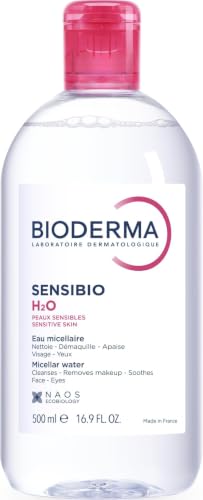
Bioderma Sensibio H2O Micellar Water

Bioderma Sébium H2O Micellar Water

Bioderma Hydrabio H2O Micellar Cleansing Water

Palmer’s Skin Therapy Cleansing Face Wash

IUNIK Calendula Cleansing Oil

medicube Zero Pore Cleansing Oil
More On The Choices That Made The List
Your first cleanse should remove what water alone often leaves behind, including foundation, sunscreen, and the oil your skin produces throughout the day. SHANGPREE AA Cleansing Oil takes that role seriously with olive and moringa oils, then uses argan oil to keep the application smooth. You get a dedicated first step for a proper double cleanse.
Compared with the Bioderma micellar waters later in the list, this formula gives you a more traditional oil-first experience. The practical difference is emulsification, the process of breaking an oil cleanser into water so it can rinse away. Its U-fermentOil Summer component is designed to support that transition, which matters after a heavy day of makeup.
What It Does Well
- Olive and moringa oils target makeup, excess oil, and embedded impurities.
- Advanced emulsification helps the cleanser rinse away with less oily residue.
- Argan oil supports a smooth, low-friction application.
- The 200 ml bottle suits a regular once- or twice-daily routine.
- It can function as either the first or second stage of a double cleanse.
Things To Consider
- You need to emulsify the oil thoroughly before rinsing to get the full benefit.
- For makeup explicitly labeled for face and eyes, Bioderma Sensibio H2O offers a clearer use-case match.
Feature Snapshot
Made For
You benefit most from this formula when heavy makeup and daily oil buildup are routine parts of your evening cleanse.
A Better Fit Elsewhere
IUNIK Calendula Cleansing Oil may suit you better when pore impurities and blackheads are your main cleansing concern.
Your skin does not always need a full oil massage to come clean. Bioderma Sensibio H2O uses micelles, tiny cleansing structures that capture makeup, fine particles, and pollution in water. You soak a cotton pad, sweep it across your face and eyes, and remove the collected residue without rinsing.
That makes it a useful companion to an oil cleanser rather than a direct substitute. After removing heavier makeup with SHANGPREE AA Cleansing Oil, a gentle micellar pass can finish the routine. For sensitive skin, the face-and-eye application and skin-friendly pH make this format easy to recommend.
The Good Stuff
- Removes makeup from both the face and eye area.
- Micellar water leaves no oil or balm texture behind.
- The pad format suits quick morning and evening routines.
- Fine particles and pollution are included in its cleansing role.
Soft Spots
- You need cotton pads, which adds a consumable and a step to the routine.
- It may feel less thorough than an oil massage on a day with unusually heavy makeup.
Quick Facts
Who It Suits Best
You will appreciate this option when you prefer a low-friction cleansing step for sensitive skin.
Where Another Pick Shines
medicube Zero Pore Cleansing Oil is the stronger fit for a routine centered on dissolving blackheads with an oil-based first step.
A shiny T-zone and visible pores call for a cleanser designed around excess sebum rather than a universal formula. Bioderma Sébium H2O targets dirt and makeup on combination-to-oily skin, with particular relevance to the oilier areas of your face. The soft micellar format keeps the routine uncomplicated.
Unlike Bioderma Hydrabio H2O, which is directed toward dehydrated sensitive skin, Sébium focuses on oil control and a clean finish. You can use it alone for light makeup or after a richer oil cleanser, although its cotton-pad format still makes cleansing partly dependent on the pad and the number of passes you use.
What Works In Its Favor
- Designed specifically for combination and oily skin.
- Removes dirt and makeup without requiring massage or rinsing.
- A useful option for shine-prone T-zone areas.
- Works well as a simple morning cleansing step.
Possible Compromises
- Its cleansing approach depends on a cotton pad rather than direct fingertip massage.
- Persistent sunscreen layers may need several careful passes and a follow-up cleanser.
The Right Fit
This choice suits you when excess oil across the T-zone is the main feature shaping your routine.
Look Elsewhere When
Bioderma Hydrabio H2O fits better when dryness and dehydration matter more than oily T-zone shine.
Skin can feel dehydrated and still collect plenty of oil, especially after a warm commute or a day in makeup. Bioderma Hydrabio H2O addresses that middle ground with micellar cleansing, makeup removal, and a formula intended for dehydrated sensitive skin. You apply it with a cotton pad rather than massaging it across your face.
Its most useful distinction from Sébium H2O is the skin profile: Hydrabio leans toward comfort and moisture, while Sébium leans toward purification and shine. You may find Hydrabio more useful as a gentle second step after an oil cleanser, especially when your skin tends to feel tight after a strong wash.
Positive Points
- Removes makeup from the face and eyes.
- Targets impurities, fine particles, and pollution.
- Formulated for dehydrated sensitive skin.
- Leaves a comfortable, non-rinsed finish.
- Works comfortably as a morning or evening step.
Worth Noting
- It relies on a cotton pad, so you need enough pads for a complete makeup removal.
Core Details
Best Suited To
You benefit from this formula when your skin feels dry or depleted but still needs daily makeup removal.
Another Choice May Suit
Bioderma Sébium H2O is the better fit for combination-to-oily skin with a pronounced T-zone.
Not every double cleanse needs two separate bottles. Palmer’s Skin Therapy combines cleansing oils with cocoa butter and vitamin C in a rinse-off face wash, giving you a familiar cleanser that can dissolve dirt, oil, and makeup. It fits neatly as the second step after a dedicated oil cleanser.
The trade-off is the format. Unlike SHANGPREE AA Cleansing Oil, you apply this product directly to the face and rinse it away instead of emulsifying it first. That makes Palmer’s more approachable for beginners, while the 6.5 fl oz size keeps it easy to store beside the sink.
Points In Its Favor
- Cleansing oils, cocoa butter, and vitamin C in a straightforward face wash.
- Dissolves makeup, oil, and everyday impurities before rinsing.
Details To Watch
- You give up the massage step that a true oil-first cleanser provides.
- The listing offers 6.5 fl oz and two-pack variations, so check the selected size.
- It works better as the second stage than as a replacement for a richer oil cleanse.
Built With In Mind
This face wash suits you if you want one uncomplicated rinse-off product to complete a two-step routine.
Reach For A Different Pick When
IUNIK Calendula Cleansing Oil is a better fit when your first step must focus on blackheads and pore-clogging impurities.
A cleansing oil can do more than dissolve foundation, and IUNIK Calendula gives you a pore-focused reason to reach for one. Its formula is designed to help dissolve blackheads and remove impurities that can collect around pores. That makes it a logical first step before a water-based cleanser or the rest of your skincare routine.
The supporting feature is moisture retention. The formula is designed to help maintain hydration for up to six hours after use, so you get a soft, balanced finish rather than a dry or tight one. Compared with medicube Zero Pore Cleansing Oil, IUNIK places more emphasis on post-cleansing softness.
Bright Spots
- Targets blackheads and pore-clogging impurities.
- Designed to support moisture for up to six hours.
- Leaves skin feeling soft and balanced.
- Works as the first step before a second cleanser.
- The 6.7 fl oz bottle is sized for regular use.
Trade-Offs To Consider
- An oil cleanser still needs thorough rinsing and emulsification.
- You may prefer the blue, pore-focused approach of medicube for a more targeted routine.
Feature Overview
Who Will Love This
You benefit most from this oil when blackheads and pore impurities are the focus of your evening cleanse.
Swap It Out When
medicube Zero Pore Cleansing Oil may suit you better when a blue oil designed to handle makeup, sunscreen, and blackheads in one step fits your routine.
A single cleansing oil can simplify the first stage of a double cleanse, particularly when you want it to handle several concerns at once. medicube Zero Pore Cleansing Oil uses a blue oil format to dissolve sebum, blackheads, makeup, and sunscreen. Its all-skin-type positioning makes it relevant to routines beyond oily skin.
Compared with IUNIK Calendula Cleansing Oil, medicube emphasizes a one-step oil cleanse across several daily concerns, while IUNIK highlights longer moisture support after use. You still need to emulsify and rinse the oil properly, and a follow-up cleanser completes the traditional two-stage method.
A Strong Showing
- Handles sebum, blackheads, makeup, and sunscreen in one oil format.
- Designed for daily use across all skin types.
- Targets both surface oil and hardened impurities within pores.
- Leaves the skin feeling moisturized and refreshed.
- Suits anyone seeking to simplify the first stage of a double cleanse.
Small Caveats
- You still need water, a proper massage, and thorough rinsing to emulsify the oil.
Product Snapshot
Whose Shelf It Belongs On
This option belongs on your shelf when you want one oil to handle makeup, sunscreen, oil, and pore impurities together.
Consider Something Else When
Bioderma Sensibio H2O is a better fit for a cotton-pad routine centered on gentle face-and-eye makeup removal.
What Matters Most in a Two-Step Cleansing Routine
Your skin type should set the direction
Oily and combination skin often needs more attention to sebum, while sensitive or dehydrated skin may favor formulas designed to preserve a comfortable finish. Your normal makeup level matters too, because a lightweight micellar product may handle sunscreen and light base makeup without the massage of an oil cleanser.
The first step should match the mess
Oil cleansing earns its place when your face carries sunscreen, foundation, or a buildup of sebum. You need to massage it over dry skin and add water to emulsify it, a process that turns the oil into a lighter emulsion that rinses away.
The second step should finish the job
A water-based cleanser removes the emulsion and any residue left behind. Palmer’s Skin Therapy Cleansing Face Wash suits this role because it combines cleansing oils with a familiar rinse-off texture. Micellar water can also serve as a second step, especially when you want the routine to remain pad-based.
Two Details That Shape Your Choice
Mistakes Worth Dodging
Avoid skipping the emulsification step with an oil cleanser, since unworked oil can leave a film behind. Also avoid choosing by scent, color, or slickness alone, because a rich finish does not necessarily mean the product removed every layer of makeup.
The Upgrade Payoff
A richer oil can help with heavier buildup, while specialized ingredients may add support for dryness or pore concerns. The extra investment is most useful when your ordinary routine leaves makeup behind, feels uncomfortable, or fails to address a consistent concern.
Frequently Asked Questions
What is double cleansing oil?
Double cleansing oil is typically the first step in a two-stage routine, where an oil cleanser dissolves makeup, sunscreen, and excess oil before a water-based cleanser removes the residue. It is most useful after a day involving makeup or substantial oil buildup.
Is cleansing oil better than micellar water?
Cleansing oil suits you better when you want a massage-based first step for heavier makeup or sebum. Micellar water is more convenient for light makeup removal and sensitive routines because it works with a cotton pad and requires no rinsing.
Can you use cleansing oil every day?
Daily use can suit many routines, but your skin type and the amount of buildup should guide you. Light cleansing may need only one product on some days, while heavier sunscreen or makeup can justify the full two-step method.
Do you need a separate cleanser after an oil?
You do, if you want to follow a traditional double cleansing routine. The second, water-based step removes the emulsified oil and leaves your skin feeling fresh without a heavy film.
Which cleansing oil suits sensitive skin?
Bioderma Sensibio H2O and IUNIK Calendula Cleansing Oil are the clearest matches for sensitive or gentle routines. The micellar water uses a pad-based format, while IUNIK provides an oil cleanser with a soft, moisture-focused finish.
Final Verdict
Your best choice depends on the job your first cleanser must do. Choose an oil for heavy makeup and sebum, micellar water for a gentle pad-based routine, and a rinse-off face wash as the practical second step. Once you match the format to your skin and daily buildup, the routine becomes much easier to keep consistent.
