

You already know the frustration of watching a breakout fade, then noticing the darker shadow it leaves behind. Pimple scars stick around because the healing process rebuilt collagen unevenly, and most over-the-counter moisturizers simply cannot reorganize that. The right topical treatment works on that rebuilding phase, softening discoloration and flattening raised areas with consistent daily use.
Silicone-based formulas lead this category because silicone forms a flexible, semi-occlusive layer over skin. That layer holds in moisture, which keeps the scar hydrated during a remodeling window when tissue is still pliable. Pair that with daily broad-spectrum sun protection, and you’ve covered the two steps that actually move the needle on discoloration and texture. The nine creams below cover different scar profiles, budgets, and format preferences, so the right match is in here somewhere.
The Picks In Brief

Suquato Silicone Scar Stick

CRISLICED Silicone Scar Gel with Dimethicone

Biocorneum Silicone Scar Gel SPF 30 50g

Biocorneum SPF 30 Scar Gel 10g

Biocorneum SPF 30 Scar Cream 20g

Biocorneum Silisilk Pure Silicone Gel 30g
Biocorneum Water-Resistant Scar Cream 50g
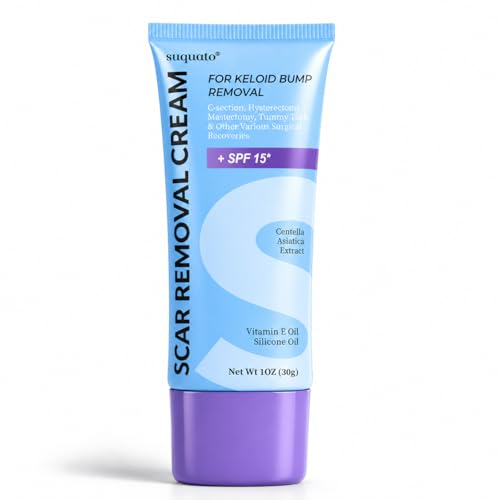
Suquato Advanced Silicone Scar Cream 30g

Suquato Advanced Silicone Scar Cream
Taking A Closer Look At The Options
Twist sticks rarely appear in the scar-care aisle, which is exactly what makes the Suquato Silicone Scar Stick worth a second look. Rather than squeezing gel onto a fingertip and risking transfer to your eyes or pillowcase, you twist the base and glide a concentrated silicone layer directly onto the mark.
The format suits people who treat their morning routine like a pit stop: gym bag, desk drawer, carry-on. The 20g size fits in a palm, and the twist mechanism means no caps to lose in a hotel bathroom. Anyone treating scattered pimple scars on the cheeks or jawline, rather than a single wide surgical zone, gets the most mileage from this applicator style.
What Helps Most
- Twist-up format lets you apply without touching the scar, reducing cross-contamination from fingers.
- Silicone base forms the same breathable barrier as tube gels, so the underlying mechanism matches larger competitor products.
- Compact 20g size slips into a dopp kit, gym bag, or work tote for midday reapplication.
- Direct application wastes less product compared to fingertip spreading, which means the tube stretches across more scar areas.
Things To Consider
- Stick format does not include SPF, so you’ll need a separate sunscreen over treated areas during the day.
- Smaller surface coverage per stroke works less efficiently on long surgical scars than a wide gel tube.
Who It Suits Best
Travelers, gym-goers, and anyone with scattered facial pimple scars who wants mess-free reapplication on the move.
A Better Fit Elsewhere
Anyone treating a single long C-section or surgical scar benefits more from the CRISLICED Silicone Scar Gel with Dimethicone and its larger tube.
If you’ve been scrolling scar gels and feeling sticker shock, the CRISLICED tube resets the math. At 50ml, this Dimethicone-based gel offers roughly twice the volume of many compact competitors, which matters because silicone scar care is a months-long commitment.
Dimethicone is the silicone polymer most dermatologist-recommended scar gels rely on, so the active approach here mirrors clinical-grade products. The gel texture spreads thin and dries into that signature flexible film, so you can layer clothing over it without sticky residue. Pimple-scar shoppers managing multiple zones on the face and back get strong value from the larger volume.
A Strong Showing
- 50ml size delivers more applications per tube, lowering the per-day cost across a typical 8 to 12 week treatment window.
- Dimethicone base matches the silicone technology used in higher-priced clinical scar gels.
- Multi-scar labeling covers surgical, C-section, acne marks, stretch marks, and burns in one formula.
- Versatile texture works on raised scars and flat discoloration alike.
Points To Note
- No built-in SPF means pairing with a separate daytime sunscreen on exposed areas.
- Lack of brand-name clinical credentials may matter to shoppers who prioritize physician-tracked product lines.
Feature Snapshot
Made For
Budget-conscious shoppers managing multiple or large-area pimple and acne scars who need a roomy tube without sacrificing the silicone mechanism.
Reach For A Different Pick When
If built-in sun protection is the priority, the Biocorneum SPF 30 Scar Cream 20g combines silicone and sunscreen in one step.
The flagship Biocorneum tube splits the difference between medical-grade silicone and everyday sun defense. The Silishield crosslinked silicone sits in a longer-chain polymer structure, which holds together as a cohesive film longer than standard silicone gels tend to.
Built-in SPF 30 protects healing tissue from UV-triggered hyperpigmentation, a real risk for fresh pimple scars that look pink or brown in sunlight. The 50g size covers extended treatment cycles, so a single tube spans the full remodeling window most dermatologists recommend. Shoppers with post-surgical scars, larger acne-scarred areas on the chest or back, or anyone committed to one product over many months will value the combination.
The Value In It
- SPF 30 integration replaces a separate sunscreen step on treated scar areas, simplifying morning routines.
- Silishield crosslinked polymer forms a more durable barrier than standard silicone gels.
- Generous 50g tube supports extended treatment courses for larger scar zones.
- Single-product approach cuts down on layered skincare purchases.
Trade Offs
- Higher tier pricing reflects the dual silicone-plus-SPF technology, which may stretch smaller budgets.
- SPF 30 needs reapplication during long sun exposure, since the silicone film stays put but the sunscreen layer wears down.
Right Fit For
Shoppers treating fresh, sun-exposed pimple scars on the face, chest, or shoulders who want one product to handle both barrier and UV defense.
Swap It Out When
Anyone wanting a smaller commitment to test response should start with the Biocorneum SPF 30 Scar Gel 10g instead.
The 10g Biocorneum is the brand at its most approachable. You get the same Silishield silicone plus sunscreen combo as the larger tubes, but in a size that fits a single scar zone without the cost of a 50g commitment.
The fast-drying finish is the practical detail that matters here. Once the gel sets, you can apply foundation or concealer over a treated pimple scar without pilling or smearing. That makes this tube a sensible pick for shoppers testing silicone for the first time or anyone treating one stubborn cheek scar.
What Works In Its Favor
- 10g size lowers the entry cost for first-time silicone users testing a small scar area.
- Fast-drying texture supports makeup layering without disturbing the silicone film.
- SPF 30 protects small facial scar zones without a separate sunscreen step.
- Travel-friendly footprint for purse or carry-on.
Honest Caveats
- Small tube runs out quickly on body-wide acne-scar patterns across back or chest.
- SPF needs midday reapplication on long sun-exposure days, so the silicone film alone is not enough.
Quick Facts
Best Suited To
First-time silicone users with one or two facial pimple scars who want to gauge results before committing to a larger tube.
Where Another Pick Suits Better
Wider post-acne scarring across the back or shoulders calls for the Biocorneum Water-Resistant Scar Cream 50g and its larger surface coverage.
The 20g Biocorneum tube is the middle child of the lineup, and that is a strength, not a weakness. Smaller than the 50g flagship, larger than the 10g starter, it lands in the volume range most pimple-scar routines actually consume across a typical 60 to 90 day window.
The Silishield crosslinked polymer plus SPF 30 pairing carries over from the other Biocorneum tubes, so you give up nothing in formulation. Shoppers with two or three facial scars, or a defined zone on the chest, get the right balance of cost and coverage without overshooting on volume.
What Stands Out
- 20g size matches typical scar-gel usage rates across a 60-day treatment cycle.
- Crosslinked Silishield silicone delivers a durable protective film under daily wear.
- SPF 30 keeps exposed pimple scars shielded without a separate morning layer.
- Mid-range price point positions between entry-level and premium tiers.
Worth Bearing In Mind
- Wider acne-scar fields across the back will burn through 20g quickly, so size up to 50g for body-wide use.
- SPF requires reapplication under direct sun for sustained UV protection.
Who Will Love This
Shoppers with a defined facial or chest scar pattern who want a clinical silicone formula without committing to the largest tube.
Look Elsewhere When
Anyone wanting a non-SPF option for layering under foundation should consider the Biocorneum Silisilk Pure Silicone Gel 30g.
Silisilk takes the Silishield silicone chemistry and drops the sunscreen, which sounds like a step backward until you picture it under makeup. The result is a soft-touch, dry-finish gel that behaves more like a primer than a treatment.
The 30g tube is built for layering. Apply in the morning, let it set, then follow with your regular SPF moisturizer or foundation. That separation matters for anyone whose skin reacts to combined silicone-plus-chemical-sunscreen formulas, or for nighttime-only routines where SPF would just be wasted product.
The Good Stuff
- Pure silicone formula layers cleanly under foundation, tinted moisturizer, and sunscreen.
- Silky dry-down leaves no tacky residue on the skin surface.
- No chemical sunscreen filters means fewer ingredients for sensitive or reactive skin to tolerate.
- 30g size balances daily facial use across a full treatment course.
Things To Weigh Up
- Lack of built-in SPF requires a separate sunscreen step on daytime scar zones.
- Premium-tier pricing reflects the specialized non-SPF formulation.
Feature Card
Perfect Match For
Makeup wearers and sensitive-skin shoppers who want silicone scar care without chemical sunscreen filters competing in the same tube.
Not Your Match When
Shoppers who want one product to handle both scar barrier and UV protection should reach for the Biocorneum SPF 30 Scar Cream 20g instead.
The water-resistant 50g Biocorneum tube is the formula to reach for when your day does not cooperate with a calm desk job. The same Silishield crosslinked silicone here carries extra staying power through sweat, humidity, and pool sessions.
That durability translates to real benefits for pimple-scar routines on the chest, shoulders, and back, areas that rub against clothing and face friction throughout the day. The 50g size covers larger scar zones over a full treatment window, so you do not run out mid-cycle. Anyone training outdoors, living in humid climates, or simply tired of reapplying gel three times a day gets the most value from this version.
The Practical Payoff
- Water-resistant formula holds through sweat, light water exposure, and humid conditions.
- 50g size covers body-wide scar zones across a full 60 to 90 day cycle.
- Crosslinked silicone technology supports longer-wearing scar film integrity.
- Reduced need for reapplication during active hours.
Where It May Fall Short
- Water-resistant claim covers sweat and brief splashes, not long soaking or swimming laps.
- Larger 50g size carries a higher upfront cost than the 10g or 20g Biocorneum tubes.
Who Should Grab It
Active shoppers treating chest, shoulder, or back acne scars who need silicone film to survive workouts, commutes, and humid weather.
Consider Something Else When
Shoppers focused on small facial scars in controlled indoor settings may prefer the Biocorneum SPF 30 Scar Gel 10g for its compact size and built-in sun protection.
Where most silicone gels stick to a single active, the Suquato Advanced formula adds vitamin E oil alongside the silicone base. Vitamin E has a long history in scar care for its emollient (skin-softening) and antioxidant qualities, and pairing it with silicone lets the formula address both texture and tone in one tube.
The SPF 15 rating provides light daily UV defense on treated scar tissue, useful for short outdoor errands and indoor office days. The 30g size fits a multi-zone pimple-scar routine across the face and jawline. Suquato built this tube with post-surgical recovery in mind, so the formula covers keloids, C-section scars, hysterectomy, and tummy tuck recovery alongside acne-related marks.
Practical Advantages
- Vitamin E addition supports skin conditioning beyond the silicone barrier effect.
- SPF 15 covers brief sun exposure without forcing a separate sunscreen application.
- 30g tube spans a full treatment course for facial and small-body scar zones.
- Multi-scar coverage handles surgical and acne marks in one product.
Possible Compromises
- SPF 15 sits below the SPF 30 standard recommended for prolonged outdoor exposure.
- Added vitamin E may not suit shoppers with sensitivities to oily botanical-derived ingredients.
Quick Technical Notes
Built With In Mind
Post-surgical recovery shoppers and pimple-scar routines wanting silicone plus vitamin E conditioning in a single tube.
Skip It When
Shoppers needing higher SPF for outdoor exposure should consider the Biocorneum SPF 30 Scar Cream 20g.
The final Suquato Advanced tube carries the same silicone plus vitamin E core as its 30g sibling but ships without a specified fill weight, which makes it a flexible option for shoppers who want the formula in whatever volume the listing offers. The scar-type coverage reads like a dermatology textbook: keloid, surgical, C-section, hysterectomy, mastectomy, tummy tuck, and acne marks.
SPF 15 rounds out the daytime defense on treated zones, which suits indoor routines and brief outdoor exposure. For pimple-scar shoppers managing multiple scar types across different body areas, the broad labeling removes guesswork about whether the formula applies to your specific situation.
Benefits That Matter
- Silicone and vitamin E formula targets scar texture and tone in one application.
- Broad scar-type labeling covers surgical, keloid, and acne-related marks.
- SPF 15 supports daytime scar protection in indoor and short-outdoor routines.
Potential Sticking Points
- Unspecified fill weight means shoppers should confirm tube size at the listing before ordering.
- SPF 15 rating falls short for full-day beach or pool exposure on treated scars.
Whose Shelf It Belongs On
Shoppers juggling multiple scar types, including post-surgical and acne marks, who value flexible coverage over a specific tube size.
Where A Sibling Pick Shines
Shoppers wanting a clearly specified 30g tube with the same Suquato formula should pick the Suquato Advanced Silicone Scar Cream 30g.
What To Weigh Before Choosing A Scar Cream
The silicone question matters more than the brand name. Most clinical scar-care protocols rely on silicone because the polymer forms a flexible, semi-occlusive film over healing tissue, which keeps the area hydrated during the collagen-remodeling phase. That hydration matters: dry scar tissue contracts unevenly and leaves behind raised, discolored marks. Silicone-based formulas here, including the Biocorneum and Suquato tubes plus the CRISLICED gel, all work through this same mechanism.
Sun protection is the second decision point. Fresh pimple scars darken quickly under UV exposure because the melanocytes (pigment-producing cells) in healing tissue overreact to sunlight. A built-in SPF simplifies the morning routine, but it also means the silicone film carries sunscreen filters, which some sensitive skin types prefer to separate.
Format and volume round out the practical choices. Stick applicators suit on-the-go touch-ups, mid-size tubes handle defined scar zones, and 50g options cover body-wide patterns. Match the tube size to the scar area you actually treat, since a small tube over a large zone will run out mid-cycle and interrupt the consistent daily application that drives results.
Key Considerations Across These Picks
Where Shoppers Go Wrong
A common slip is treating only discoloration while ignoring raised texture. Pimple scars often combine flat dark marks with slightly raised areas, and silicone gel handles both, but only with consistent twice-daily application over weeks. Sporadic use resets the remodeling clock.
Another trap is applying the gel too thickly. A pea-sized amount spread thin dries faster, holds longer, and wastes less product than a heavy layer that smears off on pillowcases or clothing. The film should feel barely there once it sets.
When Paying More Pays Off
Higher-tier options like the Biocorneum 50g tubes carry crosslinked silicone chemistry, which holds together as a more durable film compared to basic silicone gels. That extra durability matters on body-wide scar zones and during active days when sweat and friction break down thinner formulas faster.
Built-in SPF integration also justifies a higher tier for shoppers who skip separate sunscreen steps. Combining barrier and UV defense in one tube simplifies routines and improves compliance, which is what actually drives scar improvement over the long treatment window.
Frequently Asked Questions
How long does it take to see results from silicone scar creams?
Most silicone-based formulas show visible texture changes within 60 days on fresh scars and around 90 days on older marks when applied twice daily without interruption.
Can silicone scar gel be used on the face?
Yes, silicone gel is generally well tolerated on facial skin and works well on pimple scars on the cheeks, jawline, and forehead, though a patch test helps rule out sensitivity.
Should silicone scar gel be applied before or after sunscreen?
If the gel contains built-in SPF, it goes on first as the last skincare step. If the gel is silicone-only, apply the gel first, let it dry, then layer a separate sunscreen over it.
Do silicone scar creams work on old pimple scars?
Silicone formulas can improve the appearance of older pimple scars, though results take longer to appear compared to fresh marks and may be more modest in texture change.
Is vitamin E safe to use alongside silicone scar gel?
Vitamin E is often included in silicone formulas, but applying additional pure vitamin E oil over a silicone film can dilute the barrier effect and reduce the gel’s remodeling benefits.
The right cream for pimple scars comes down to matching the format, SPF integration, and volume to your specific scar pattern. Pick the silicone mechanism first, layer in sun protection based on your daily sun exposure, and commit to consistent twice-daily application across a full treatment cycle. The picks above cover that range from compact sticks to clinical 50g tubes, so the right fit is somewhere in this list.
