

Uneven patches, leftover marks from old breakouts, and slow-fading sun damage all share the same frustration: tone correction takes patience, and the wrong product makes the wait longer. The nine picks below approach pigmentation differently, from heavy-hitting spot correctors to gentle K-beauty hydrators that support barrier repair. Think about your skin type, your tolerance for actives, and whether you want a targeted treatment or a daily cream before choosing.
The Lineup, Simplified

Wolimao Dark Spot Remover for Face and Body, 1 Fl Oz

HANYWIL Dark Spot Corrector Cream for Uneven Skin Tone

mixsoon Bean Glass Skin Duo Essence and Cream Set

Weaglad Dark Spot Remover Cream for Face & Body, 1.69 fl oz
SKIN1004 Madagascar Centella Ampoule, 3.38 fl oz

Eight Saints Vitamin C Serum for Face, 1 oz
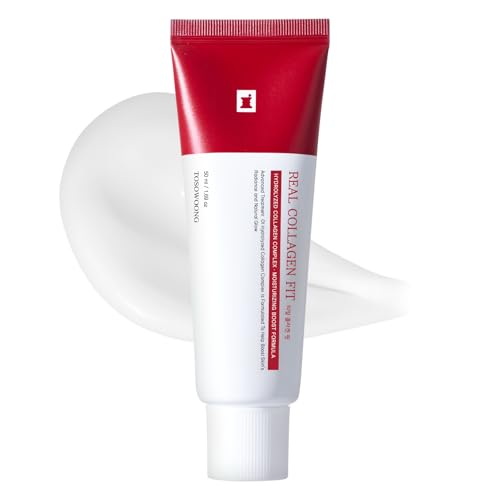
TOSOWOONG Real Collagen Fit Peel-Off Mask
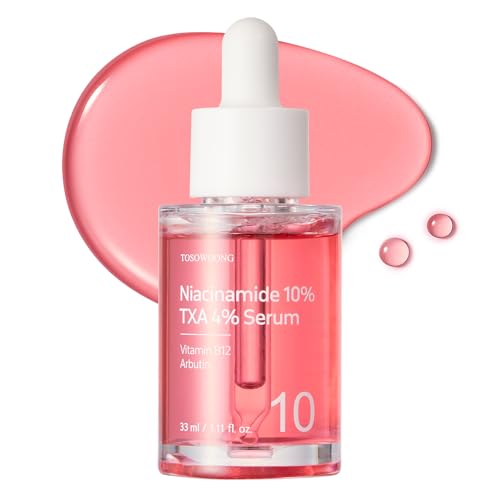
TOSOWOONG Niacinamide 10% + Tranexamic Acid 4% Serum

TOSOWOONG Arbutin 7% + Tranexamic Acid 4% Cream
Why These Options Stand Out
The Wolimao serum pulls in eight named actives at once, which is unusually dense for a pigmentation product at this size. Niacinamide (a form of vitamin B3 that helps even tone), alpha-arbutin, glutathione, vitamin C, centella asiatica, squalane, and Salmon DNA PDRN sit alongside 4-butylresorcinol, an ingredient often used to interrupt the melanin production cycle. The 1 fl oz bottle suits a face-and-body routine where pigment shows up on shoulders, hands, or chest along with the cheeks.
Where it stands out is layering. Most creams for pigmentation on face focus on one or two pathways; this one targets melanin production, surface dullness, and barrier support in a single step. Owners with sun spots and post-acne marks report in similar routines that the multi-active approach simplifies their shelf. The trade-off is that sensitive skin may want to introduce it slowly, since the ingredient list is long and unfamiliar.
The Case For It
- Eight-ingredient blend covers brightening, soothing, and hydration in one bottle
- 4-butylresorcinol adds a clinical-feeling melanin-targeting active
- Multi-use format works on face and body, reducing product clutter
- Glutathione and squalane support an even surface and supple finish
Things To Consider
- Long ingredient list increases the chance of irritation on reactive skin
- Smaller 1 fl oz bottle may run out faster when applied to large body areas
- Owners commonly report needing consistent daily use for several weeks before visible changes
Who It Suits Best
Anyone juggling multiple pigmentation types, including sun spots, age spots, and leftover acne marks, who wants one product that covers several concerns.
Look Elsewhere When
Highly reactive skin often finds a softer option in the SKIN1004 Madagascar Centella Ampoule, which focuses on barrier calming with fewer actives.
HANYWIL frames this as a face-only cream built around percentages you can actually read. The formula lists 3% niacinamide, 3% tranexamic acid, 2% arbutin, 2% glutathione, and 1% 4-butylresorcinol, a five-active blend aimed at pigment, dullness, and texture in one jar. Where the Wolimao serum leans multi-purpose, this one stays disciplined: a true tone-correcting moisturizer.
The cream format suits shoppers who want to streamline their shelf by replacing a separate brightening serum and a daytime moisturizer. In most routines, it slots in after cleansing and before sunscreen. Tranexamic acid, originally studied for reducing recurring discoloration, has become a staple in pigmentation routines, and pairing it with niacinamide gives this cream a well-rounded profile for early sun damage and post-inflammatory marks.
Benefits That Matter
- Clearly stated percentages help you know what you are applying
- Tranexamic acid targets recurring discoloration patterns
- Arbutin and glutathione add complementary brightening support
- Cream texture doubles as a daily moisturizer
Worth Noting
- Tranexamic acid and niacinamide together may feel rich in humid climates
- Several actives in one jar may sting around the eye area on first uses
- Formulated for face only, not suited for hands or neck coverage
Quick Facts
Made For
Daily users who want a single cream that handles pigment and moisture without juggling a separate brightening serum.
Consider Something Else When
Shoppers needing broader coverage for chest and hands will get more mileage from the Weaglad Dark Spot Remover Cream for Face & Body.
Unlike the previous pigment-focused formulas, mixsoon’s Bean Glass Skin Duo takes a different angle. The set pairs a fermented bean essence with a barrier-supporting cream, both built around Korean pear, pomegranate, barley, and fermented bean extract. Pigmentation work happens in a roundabout way: by smoothing texture and supporting an even, hydrated surface rather than targeting melanin production head-on.
The duo suits reactive or acne-prone skin that has struggled with stronger brightening ingredients. The essence preps the skin, and the cream seals it in with a light, non-greasy layer. For someone easing into pigmentation work after a damaged barrier, this combination is a comfortable starting point. Owners with textured skin or post-blemish marks often find the gentle exfoliation in the essence a useful complement to a stronger treatment used on alternate days.
Positive Points
- Gentle fermented base suits sensitive or easily irritated routines
- Two-step system simplifies layering for newcomers
- Lightweight finish works under sunscreen and makeup
- Plant-led ingredient list reads simple compared to clinical actives
Small Caveats
- Does not include dedicated melanin-targeting actives
- Visible pigmentation shifts may take longer compared to concentrated serums
- Essence and cream come as a pair, so reordering runs through both bottles
Right Fit For
Sensitive, acne-prone, or barrier-compromised skin that needs hydration and texture work before jumping into stronger brighteners.
Reach For A Different Pick When
You want a dedicated melanin-targeting treatment, in which case the HANYWIL Dark Spot Corrector Cream pulls more weight on stubborn patches.
The Weaglad cream fills a gap most targeted serums ignore: pigmentation on the neck, chest, hands, and arms. The 1.69 fl oz bottle is noticeably larger than the Wolimao and HANYWIL options, making it practical for anyone whose discoloration is not limited to the face. The formula is positioned as a gentle, all-skin-types corrector with an emphasis on even tone.
Compared to the Wolimao serum’s eight-active lineup, this cream keeps things simpler, which can be a plus for skin that has not tolerated dense pigment-targeting formulas well. Owners commonly apply it morning and night on pigment-prone areas after cleansing. The trade-off is that you trade ingredient density for coverage area, so the pigmentation work tends to be more gradual on stubborn patches.
Useful Touches
- Larger bottle suits body areas like neck, chest, and hands
- Mild formulation reads well for sensitive skin
- Multi-use format simplifies morning and evening routines
- Targets freckles, sun spots, and melasma in one jar
Areas To Watch
- Fewer actives means slower progress on stubborn pigment
- May need pairing with a stronger serum for face-only use
- Larger jar takes up more shelf space than a 1 fl oz serum
Feature Card
Whose Shelf It Belongs On
Anyone whose pigmentation extends past the jawline, including sun-exposed areas like the chest and the backs of the hands.
Swap It Out When
You want concentrated brightening for the face only, where the HANYWIL cream or Wolimao serum typically delivers faster visible shifts.

The SKIN1004 ampoule is the calming counterweight in this roundup. Centella asiatica, also called cica or tiger grass, is a plant extract known for soothing and barrier-repair properties. Where the previous picks target pigment directly, this one supports the conditions under which pigment tends to settle: a calm, well-hydrated barrier that responds better to brightening treatments layered on top.
The 3.38 fl oz size is generous for a serum, and the lightweight texture absorbs without stickiness. Owners with reactive skin, rosacea-prone complexions, or post-procedure sensitivity often reach for cica products as a base layer. The honest read is that this ampoule alone will not erase pigmentation, but it makes every other product in a routine work better by keeping the skin calm and balanced.
Reasons It Performs
- Centella asiatica supports barrier repair and calmness
- Generous 3.38 fl oz size outlasts typical 1 oz serums
- Lightweight, non-sticky finish suits layering
- Pairs well with stronger brightening treatments used alongside
Honest Caveats
- Not a direct melanin-targeting treatment on its own
- Visible pigment shifts require pairing with a dedicated brightener
- Centella-focused formula lacks the multi-active density of serum picks above
Best Suited To
Sensitive or stressed skin that needs barrier support before adding stronger brighteners, or anyone building a layered routine around cica.
A Better Fit Elsewhere
For direct pigmentation work in a single product, the TOSOWOONG Niacinamide 10% + Tranexamic Acid 4% Serum concentrates more brightening actives in one bottle.
The Eight Saints serum is built around SAP, or sodium ascorbyl phosphate, a stable, water-soluble derivative of vitamin C that tends to be gentler than the classic ascorbic acid form. That detail matters for sensitive or acne-prone users who have tried pure vitamin C and found it irritating. The formula also pulls in hyaluronic acid, vitamin E, jojoba oil, and aloe, making it read more like a treatment-moisturizer hybrid.
Compared to the multi-ingredient serums earlier in this list, the Eight Saints bottle takes a more focused path. Vitamin C is the headline act, with supporting ingredients that help it absorb and stay stable. For someone wanting a single daytime serum to pair with sunscreen, this one fits cleanly into a morning routine without piling on too many actives at once.
A Strong Showing
- SAP form of vitamin C reads as gentler than pure ascorbic acid
- Hyaluronic acid and jojoba oil add hydration in the same step
- Suitable for sensitive and acne-prone skin
- Light enough to layer under sunscreen and makeup
Points To Note
- Vitamin C alone may not address stubborn hormonal pigmentation
- Smaller 1 oz bottle runs out faster with daily full-face use
- Owners commonly report mild tingling on initial applications
Who Should Grab It
Morning-routine users who want a stable vitamin C treatment that plays well with sensitive, acne-prone, or easily irritated skin.
Skip It When
You need heavy-duty pigment intervention, in which case the TOSOWOONG Arbutin 7% + Tranexamic Acid 4% Cream brings more melanin-targeting firepower.
The TOSOWOONG peel-off mask breaks the pattern of leave-on serums and creams on this list. It is a collagen-focused treatment applied as a cream, allowed to set, and peeled away in one sheet. Used once or twice a week, it gives tired, uneven skin a noticeable pick-me-up, especially before events when the complexion looks dull and uneven.
Where daily brighteners work gradually, a peel-off treatment offers a faster visual shift in tone and texture. Pigmentation is not the primary target, but improved surface smoothness and glow indirectly help uneven tone look less visible. The honest read is that this mask works best as a complement to one of the daily treatments above rather than as a standalone pigmentation solution.
Everyday Perks
- Peel-off format delivers an instant visual refresh
- Collagen focus supports firmness and bounce
- Weekly use fits easily into a routine
- Pairs naturally with daily brightening treatments
Things To Weigh
- Not a daily-use pigmentation solution on its own
- Peel-off masks can feel cold or tight on first removal
- Needs a clean, dry application for best results
Perfect Match For
Routine builders who already use a daily brightener and want a weekly boost treatment to refresh dull, tired-looking skin.
Another Choice May Suit
Daily-only users get more consistent results from the Eight Saints Vitamin C Serum or the TOSOWOONG Niacinamide 10% Serum.
The Niacinamide 10% + Tranexamic Acid 4% serum is the high-strength option in this roundup. Niacinamide at 10% sits at the upper end of what most skin tolerates, and tranexamic acid at 4% is meaningfully higher than the 3% in the HANYWIL cream. Ceramide NP and hyaluronic acid round out the formula to keep the barrier supported while those actives do their work.
This serum suits skincare users who already know their tolerance for actives and want concentrated pigment-targeting in one dropper bottle. The lightweight texture absorbs quickly, making morning and night application straightforward. For most beginners, the strength here is worth easing into. Patch-testing first and starting every other day is a sensible approach before daily use.
The Upside
- 10% niacinamide is among the higher concentrations available
- Tranexamic acid targets recurring discoloration patterns
- Ceramide NP supports barrier comfort during treatment
- Lightweight finish suits morning and evening layering
Practical Considerations
- High-strength actives may irritate sensitive skin without slow introduction
- Not the right starting point for ingredient-newcomers
- Owners commonly report needing consistent use for several weeks before visible shifts
Quick Facts
Who Will Love This
Experienced skincare users comfortable with actives who want a concentrated, multi-pathway brightening serum in a single bottle.
Where A Sibling Pick Shines
Ingredient-newcomers often find the HANYWIL Dark Spot Corrector Cream easier to start with thanks to lower percentages and a cream format.
The Arbutin 7% + Tranexamic Acid 4% cream closes the roundup with a focused pigment-fading formula. Arbutin is a well-known melanin-production inhibitor, and pairing it with tranexamic acid gives this cream a clear identity: it goes after post-inflammatory hyperpigmentation and recurring dark spots head-on. Glutathione rounds out the formula for additional antioxidant support.
The cream format sets it apart from the serum-style picks earlier in the list. Where the HANYWIL cream targets daily tone correction at moderate percentages, this one cranks up the arbutin. It suits post-acne pigmentation, hormonal spots, and stubborn dark patches that have lingered for months. Owners commonly reach for it as a focused treatment step layered over a hydrating base, then sealed with sunscreen in the morning.
Where It Helps
- 7% arbutin is among the higher concentrations available
- Tranexamic acid adds a complementary fading pathway
- Glutathione brings antioxidant support to the mix
- Cream texture doubles as a nighttime moisturizer
Trade-Offs To Consider
- Higher percentages may irritate very sensitive skin
- Best used as a focused treatment rather than an all-over moisturizer
- Visible shifts typically require weeks of consistent daily use
Feature Card
Built With In Mind
Anyone dealing with stubborn post-blemish marks, hormonal dark spots, or long-standing pigmentation patches who wants a high-strength arbutin treatment.
Not Your Match When
You prefer a gentler, multi-ingredient approach; the Wolimao Dark Spot Remover Serum spreads its actives across a wider ingredient list for a softer ramp-up.
What To Know Before Choosing a Pigmentation Cream
Pigmentation, the overproduction or uneven distribution of melanin, the natural pigment that gives skin its color, shows up in different forms. Sun spots, melasma, post-acne marks, and age spots each respond to different ingredient pathways. Knowing which type you are dealing with shapes which cream makes sense.
Active ingredients matter more than packaging. Niacinamide supports an even surface and is generally well tolerated. Tranexamic acid works against recurring discoloration patterns. Arbutin slows melanin production. Vitamin C, in stable forms like SAP, brightens gradually. Centella asiatica supports calm, healthy skin so other treatments work better. The right pick depends on whether you want a single powerhouse or a layered routine.
Sunscreen is non-negotiable alongside any brightening routine. Pigmentation darkens and reappears with UV exposure, so a daily SPF 30 or higher protects the work your cream is doing. Without it, even the most concentrated serum will struggle to keep up.
Patch-testing new actives, especially at high percentages, prevents setbacks. Apply a small amount to the jawline or behind the ear for two to three days before full-face use. Sensitive or reactive skin benefits most from this habit.
Key Considerations Across These Picks
Pitfalls Shoppers Hit
Chasing the highest percentage of an active ingredient often backfires. A 10% niacinamide serum can sting, peel, or trigger redness on skin that would have tolerated 3% to 5% just as well. Start lower, give your skin time to adjust, and step up only if the results stall.
Skipping sunscreen is the most common reason pigmentation treatments feel ineffective. Even one unprotected afternoon in strong sun can undo weeks of careful product work. Daily SPF closes the loop.
Mixing too many strong actives at once, for example pairing a high-percentage serum with a strong exfoliant, is another frequent stumble. Pick one pathway, let it work for several weeks, then layer in a complementary treatment.
Where The Extra Money Goes
Higher-tier pigmentation creams tend to invest in formulation stability. Stable vitamin C derivatives like SAP, encapsulated actives, and barrier-supporting ceramides cost more to source and formulate, but they reduce irritation and improve shelf life.
Concentration is another driver. A 7% arbutin cream requires more raw ingredient per jar than a 2% formula, and the price reflects that. Generous bottle volumes, such as the 3.38 fl oz SKIN1004 ampoule, also push the price up compared to a standard 1 oz serum.
Premium picks typically include complementary actives, glutathione, squalane, or hyaluronic acid, that round out the formula. Those additions cost more but reduce the need for separate products, which can offset the higher price over a full routine.
Frequently Asked Questions
How long does it take for pigmentation creams to show results? Most creams for pigmentation on face need eight to twelve weeks of consistent daily use before visible shifts in tone. Stubborn hormonal pigmentation often takes longer, sometimes three to six months, before marks fade meaningfully.
Can I use more than one pigmentation cream at the same time? Layering is fine when the products address different pathways, for example, a hydrating base plus an arbutin treatment on top. Avoid stacking two strong brighteners in the same routine, as that increases the risk of irritation and barrier damage.
Are pigmentation creams safe for sensitive skin? Sensitive skin tolerates lower percentages and gentler formats best. Centella-based picks like the SKIN1004 ampoule and the mixsoon duo read as softer entry points. Patch-testing first protects reactive skin from full-face setbacks.
Do pigmentation creams work on body areas like hands and neck? Many do, especially face-and-body formulas like the Weaglad cream. The skin on hands and neck is generally less sensitive than facial skin, but it benefits from the same daily SPF to keep pigmentation from returning.
Should I use a pigmentation cream morning or night? Both work, depending on the product. Vitamin C serums often fit morning routines under sunscreen, while higher-strength treatments like arbutin and tranexamic acid are commonly used at night when skin is in repair mode.
Wrap Up
Pigmentation work rewards consistency more than intensity. Match the cream to your skin type, your tolerance for actives, and the area you want to treat, then give it time to work alongside daily SPF. The right cream, used patiently, can quietly even out tone over weeks and months.
