

Healing eyelid skin after blepharoplasty is delicate work, and the wrong concealer can set you back fast. You’re working with incision lines that may stay pink or slightly raised for weeks, and the surrounding under-eye area often bruises or shadows as it recovers. Most everyday concealers lean heavily on fragrance, alcohol, or thick waxes that settle into fresh scars and draw the eye straight to them.
What helps instead is a gentle, buildable formula that respects a compromised skin barrier, layers without tugging, and avoids ingredients that sting. The picks below cover a range of textures and coverage levels, from serum-light to full camouflage, so you can match your stage of healing.
The Shortlist At A Glance

Anastasia Beverly Hills Magic Touch Full-Coverage Liquid Concealer

Neutrogena SkinClearing Blemish Concealer, Light 10.05 oz

NYX Bare With Me Concealer Serum, Medium

Almay Clear Complexion Concealer, 100, 0.3 fl oz
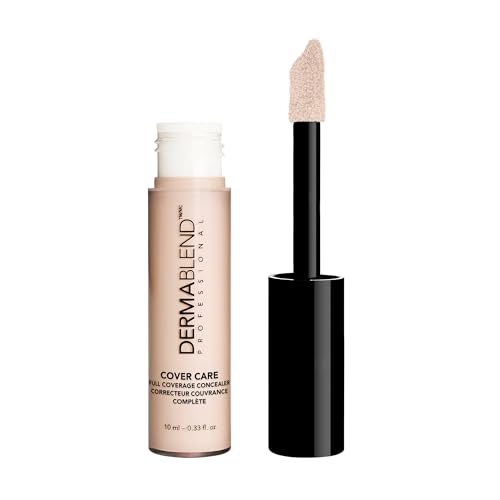
Dermablend Cover Care Full Coverage Concealer
Maybelline Instant Age Rewind Eraser Multi-Use Concealer, 146
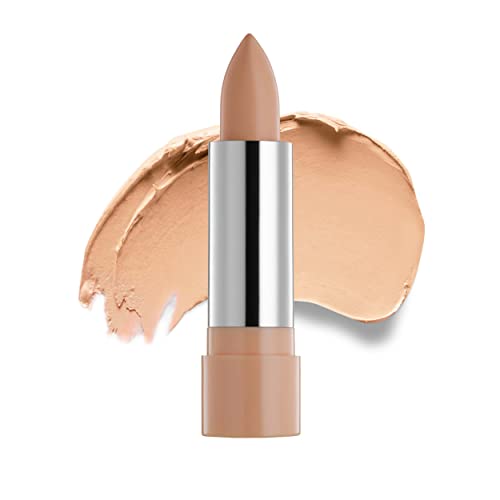
Physicians Formula Gentle Full Coverage Concealer Stick, Light
More On The Choices That Made The List
When your incision lines have closed but still show pink or red along the lash line, you need pigment that disappears into the skin rather than sitting on top of it. The Magic Touch formula is built around high colour payoff in a thin, flexible film, which matters because thicker products tend to cake inside the small creases that eyelid surgery leaves behind. The liquid texture spreads with a fingertip or a damp sponge, and for most users it settles into a soft-focus matte that doesn’t call attention to the healing area.
Compared with the serum-light NYX Bare With Me further down, this one is for the later recovery stage when camouflage matters more than hydration. It’s the kind of concealer you reach for once your surgeon has cleared you to wear makeup again and you want scar tone to truly blend with the surrounding skin.
Bright Spots
- High pigment load covers pink incision lines in a single thin layer, so you don’t have to overwork tender skin.
- Soft-matte finish reflects light away from raised areas, helping scars look flatter in person and on camera.
- Buildable without flaking, so layering for a wedding or event looks even rather than patchy.
- Liquid texture spreads with minimal tugging, which matters when the eyelid margin is still sensitive.
Trade Offs
- Full coverage can read too heavy on very fair or very deep skin tones if the undertone isn’t matched carefully, so shade selection matters.
- Liquid formulas typically need a careful removal routine at night, and rubbing freshly healed lids is something most owners are cautious about.
Who It Suits Best
Healed patients with persistent redness who want their scar to vanish under a single layer without looking made-up.
Where Another Pick Suits Better
For the first few weeks of recovery, the gentler, hydrating NYX Bare With Me Concealer Serum is usually a smarter match.
Post-surgery skin sometimes decides to break out along the brow or cheekbone, especially if you’ve been applying antibiotic ointment for weeks. The Neutrogena SkinClearing formula pairs a light concealer base with salicylic acid, a beta-hydroxy acid that helps unclog pores and calm the kind of small, angry pimples that crop up near healing scars. Coverage sits in the natural-medium range, which suits the early recovery phase when you don’t want anything thick sitting on incision lines.
The shade range is small, and the .05 oz tube is genuinely tiny, so for most users this lives as a spot treatment and cover-up rather than an all-over under-eye product. Pair it with the Physicians Formula stick for a full routine that keeps the lid area calm.
Everyday Perks
- Salicylic acid helps treat the small breakouts that often appear around healing scars, reducing the need for a separate acne product.
- Light 10 shade flatters fair-to-light complexions, common in the early blepharoplasty window when bruising makes skin look paler than usual.
- Pocket-friendly size slips into a post-op care kit for work or follow-up appointments.
Honest Caveats
- Salicylic acid can sting on freshly closed wounds, so this belongs in your routine only after your surgeon confirms the skin is intact and non-reactive.
- The shade line is narrow, and shoppers with medium-to-deep skin often find the available tones too ashy for natural blending.
Feature Snapshot
Made For
Healing patients dealing with unexpected breakouts along the brow or temple who want one product to treat and cover.
Skip It When
You have dry, flaky post-op skin and need soothing hydration first, in which case the NYX Bare With Me Concealer Serum is a better fit.
Right after surgery, your priority is keeping the eyelid area hydrated and undisturbed. The NYX Bare With Me is formulated as a serum-concealer hybrid, so it behaves more like a skin treatment than a makeup product. The texture is fluid and slightly slippery, which makes it glide over tender skin without dragging, and the medium shade range gives fair-to-tan complexions a realistic option during the bruising phase when under-eyes can look grey or yellow.
Compared with the heavier Anastasia formula at the top of the list, this one is for the week-two-to-six stage when comfort matters more than camouflage. For most users recovering at home, it earns a permanent spot in the routine because it doesn’t settle into fine lines.
Useful Strengths
- Serum-style texture layers onto freshly healed lids without pulling, which is helpful when the area is still tight.
- Hydrating finish keeps flaking at bay during the dry, tight weeks of post-op skin.
- Light-to-medium coverage masks bruising rather than redness, ideal for the first month of recovery.
Points To Keep In Mind
- Coverage is too sheer for the pink scar lines that linger in months three to six, where the Dermablend Cover Care is a stronger match.
- Owners commonly report the doe-foot applicator can pick up too much product, so tapping off excess helps avoid streaks.
Best Suited To
Anyone in the first month of recovery who needs hydration and bruise coverage without the weight of a traditional concealer.
Look Elsewhere When
You need to disguise a still-visible pink incision line for an event, in which case the Dermablend Cover Care Full Coverage Concealer is the stronger tool.
Some patients come out of surgery with skin that suddenly reacts to products they used for years. Almay’s Clear Complexion line is built for that reactive profile, and the concealer version delivers a soft-matte finish that doesn’t smother pores. The formula is designed to look like an even skin tone rather than a layer of makeup, which is the right goal for a scar that just needs to fade quietly into the rest of the face.
For most people in the second or third month of recovery, this is a workhorse that handles mild redness and uneven tone around the eye without irritation. It’s less pigment-dense than the Anastasia pick, so reserve it for daylight and office hours.
Practical Pluses
- Hypoallergenic-leaning formula reduces the chance of a sting or rash on post-op skin that has lost some of its usual resilience.
- Soft-matte finish doesn’t catch on flaky patches the way some liquid concealers do.
- Easy to find in drugstores, so reordering during the months-long recovery is simple.
Where It Is Less Suited
- Coverage is medium at best, so shoppers with deeper scar discolouration will need a stronger pigment such as the Dermablend Cover Care.
- The shade labelled “100” runs cooler than some shoppers expect, and undertone-matching matters in person more than on a swatch.
Feature Rundown
Perfect Match For
Reactive, post-surgery skin in the middle of recovery that needs daily wear without irritation.
Reach For A Different Pick When
Your scar is still showing strong pink or red and you need true camouflage, where the Dermablend Cover Care Full Coverage Concealer is more effective.
There are days when you need a scar to truly disappear: a wedding, a headshot, a public event, or simply the day you go back to work. Dermablend built its reputation on exactly that problem, and the Cover Care formula extends the wear time up to 24 hours while keeping the layer flexible. Pigment concentration is high enough that a single pass covers most pink or red incision lines without that “painted on” look that thicker camouflage products can leave.
Compared with the serum-light NYX, this is the heavy artillery, so you reach for it on specific days rather than every day. For most users who want one product in their kit for scar days, this fills that role.
Where It Excels
- One-coat coverage on incision lines means less rubbing, which matters when the area is still tender.
- Long-wear claim keeps the concealer in place through long workdays, dinners, or photo sessions.
- Hydrating base softens the look of dry scar tissue, so coverage doesn’t sit in a flat mask.
Less-Strong Areas
- Full coverage can read too obvious in casual daylight, so it’s an event product more than an everyday one for most users.
- Removal at the end of the day needs a proper oil or balm cleanser, and that extra step can feel like work on already-tired lids.
Quick Facts
Right Fit For
Anyone facing a specific event, photo, or return-to-work day who needs reliable full coverage on a still-visible scar.
A Better Fit Elsewhere
For daily gentle wear during the early weeks of recovery, the hydrating NYX Bare With Me Concealer Serum is a kinder everyday option.
The Instant Age Rewind has stayed popular for a simple reason: the sponge-tip applicator does the work for you. You twist the base, the cushion loads with product, and a gentle tap deposits concealer exactly where you need it. For blepharoplasty recovery, that means no dragging a brush or finger across a healing lid. The Haloxyl-infused formula is marketed for dark circles, but the practical appeal here is the controlled, no-touch application that suits fragile skin.
It’s the kind of concealer most shoppers keep on the bathroom shelf long after recovery, because the format is genuinely easy. For a first foray back into eye makeup, the price point makes it a low-stakes choice.
Good Reasons To Consider
- Sponge-tip applicator means fingers never touch the lid, which helps when the area is still tender.
- Drugstore price point keeps the cost low during a recovery that already involves plenty of medical bills.
- Shade 146 is a versatile medium that works for many undertone profiles.
Practical Considerations
- The cushion sponge is notoriously hard to clean, and replacing the cap doesn’t fully prevent bacterial build-up, so most owners replace the tube every couple of months.
- Coverage sits in the light-to-medium range, so it’s better for bruising than for a still-pink scar, where the Dermablend is the stronger pick.
Product Snapshot
Who Should Grab It
Early-stage recovery patients who want a low-cost, no-fuss applicator that doesn’t require extra tools.
Swap It Out When
You need serious coverage for an obvious scar, where the Dermablend Cover Care Full Coverage Concealer handles the job more reliably.
Sometimes the easiest applicator is the one you can twist up and swipe. The Physicians Formula Gentle Cover Stick is a creamy, non-drying solid that glides onto skin without pulling, and the formula is hypoallergenic and fragrance-free, which is the right profile for the kind of reactive skin that follows eyelid surgery. The light shade suits fair complexions in the early months when bruising is still fading.
It’s also a useful tool for touching up small spots around the eye without committing to a full face routine, so many patients keep one in a handbag. Pair it with the NYX serum for a day-to-day combination that handles both hydration and spot coverage.
What Pays Off
- Solid stick format means no brush, sponge, or finger touching tender eyelid skin.
- Hypoallergenic, fragrance-free formula suits skin that has lost tolerance during recovery.
- Travel-friendly size fits in a small post-op kit for follow-up appointments.
Honest Caveats
- Stick format can drag on dry patches, so applying over a thin layer of moisturiser helps most users.
- Shade range skews light, so shoppers with medium or deeper skin tones often need to look at the Almay or Dermablend lines instead.
Whose Shelf It Belongs On
Fair-skinned patients in the first two months of recovery who want the simplest, lowest-friction way to disguise a small mark.
Not Your Match When
You need a serum-style hydrating layer for tight, dry post-op lids, where the NYX Bare With Me Concealer Serum is the better fit.
What To Weigh Before Choosing A Concealer For Post-Surgery Skin
Ingredient Sensitivity Around A Healing Barrier
Freshly operated eyelid skin behaves differently from the skin you remember. The stratum corneum, the outer protective layer, is temporarily thinned and the nerve endings are closer to the surface, which is why products that never bothered you before can suddenly sting. Look for fragrance-free, alcohol-free, and acid-light formulas in the first six weeks. Salicylic acid, like that in the Neutrogena option, is helpful for breakouts but should wait until your surgeon confirms the incision is fully closed and the area is non-reactive.
Coverage That Matches The Stage Of Healing
Coverage needs shift across the recovery arc. In weeks one to three, you mostly want to disguise yellow and purple bruising, and a serum-light hydrating formula such as the NYX Bare With Me does the job without weight. From months two to four, redness around the scar fades unevenly, and a buildable medium-coverage pick like Almay Clear Complexion is more useful. For months four onward, when pink incision lines can persist, full-coverage formulas such as the Dermablend or Anastasia options give the pigment density needed for a single-pass result.
Applicator Format And Skin Trauma
How a concealer goes on the skin matters as much as what’s in it. A sponge-tip applicator like the Maybelline Instant Age Rewind keeps fingers off the lid entirely. A creamy stick like the Physicians Formula lets you swipe without rubbing. Liquids tend to need a brush or fingertip, which means more contact with healing tissue. For most post-op patients, the lowest-friction applicator is the one that makes daily application feel safe and quick.
Longevity, Removal, And Daily Routine
A concealer that lasts 24 hours is great for an event, but the removal step needs a proper oil or balm cleanser, and that extra work can stress freshly healed lids. For everyday wear in the early months, a lighter formula that washes off with a gentle cleanser is usually a kinder choice. Save the heavy-wear options for days you genuinely need them.
Key Considerations Across These Picks
Pitfalls Shoppers Hit
The most common mistake is reaching for a long-wear or matte formula too early, when the eyelid skin is still dry and tight. Matte products sit on the surface and tend to crack across healing scar tissue, which actually highlights the line you’re trying to hide. Another frequent miss is using a heavy hand because the scar is “still visible” at week two, when in reality another two weeks of healing will do more than another layer of pigment.
Where The Extra Money Goes
Premium and performance-leader concealers earn their higher price through pigment concentration, longer wear, and more sophisticated base formulas that flex with the skin rather than sitting on top of it. The Dermablend and Anastasia picks, for example, use raw materials that hold colour through sweat and oil without oxidising orange. For occasional scar days or specific events, that investment pays off. For daily wear during the calmer months of recovery, a budget-friendly pick like the Maybelline does the job without the markup.
Frequently Asked Questions
When can I wear concealer over blepharoplasty scars?
Most surgeons clear patients for makeup around two weeks after surgery, once the incision lines are fully closed and any sutures or strips have been removed. Always follow your specific surgeon’s guidance, because individual healing varies.
Is a fragrance-free formula really necessary?
Fragrance is one of the most common irritants in cosmetic products, and freshly operated skin is more reactive than usual. Choosing fragrance-free options such as the Almay or Physicians Formula picks reduces the chance of a sting or rash during the first months.
Should I avoid salicylic acid on healing scars?
Yes, at least until the incision is fully closed and the area is no longer tender. Salicylic acid is a chemical exfoliant and can disrupt a still-healing wound. Once cleared, a salicylic acid concealer like the Neutrogena option helps with the small breakouts that sometimes appear around healing scars.
Do I need a separate under-eye brightener?
Not necessarily. The concealers on this list are designed for the eye area, and layering a separate brightener can add weight and creasing. A well-matched concealer applied lightly gives a natural brightening effect without the extra product.
Can a concealer actually slow scar healing?
A heavy, occlusive product rubbed aggressively into a healing wound can irritate the tissue, but a gentle, breathable formula applied with light taps won’t interfere with healing. The bigger risk is what you do at removal time, so a soft, oil-based cleanser matters as much as the product itself.
Closing Remarks
Concealer after blepharoplasty is a temporary tool, not a permanent part of your routine. Pick the formula that matches where you are in the healing arc, keep the applicator gentle, and let the incision line mature on its own schedule. The right product simply helps the world stop noticing the scar while time does the real work.
