

A stubborn ring of blue or purple under your eyes can make even a well-rested face look tired, and the wrong concealer shade often makes things worse by settling gray or crepey. Color theory is your friend here: peach and pink neutralize blue and purple shadows, while deeper orange tones cancel brown or deep-toned discoloration on melanin-rich skin. The trick is matching the right undertone to your specific under-eye hue, then layering a concealer that matches your skin tone on top. Below are seven options that make that job easier, from sheer brightening fluids to long-wear foundations that handle the rest of your face too.
A Snapshot Of The Selections
Yjasfoo Eye Corrector with Peach Undertones (Tinted Mineral Eye Cream 0.34 Fl Oz)
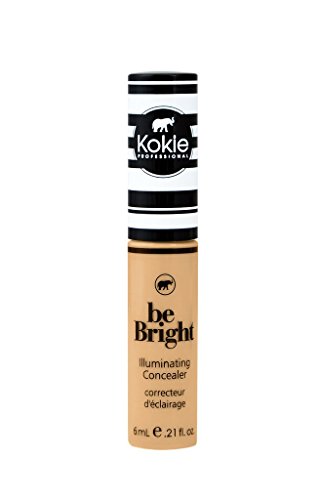
Kokie Cosmetics Be Bright Concealor and Color Corrector Medium Beige (0.21 fl oz)

Revlon Colorstay Longwear Foundation Combo/Oily 180 Sand Beige (1 fl oz)

Revlon Colorstay Longwear Foundation Combo/Oily 350 Rich Tan (1 fl oz)

Revlon PhotoReady Insta-Sculpt Contour Stick 430 Etched (0.31 oz)
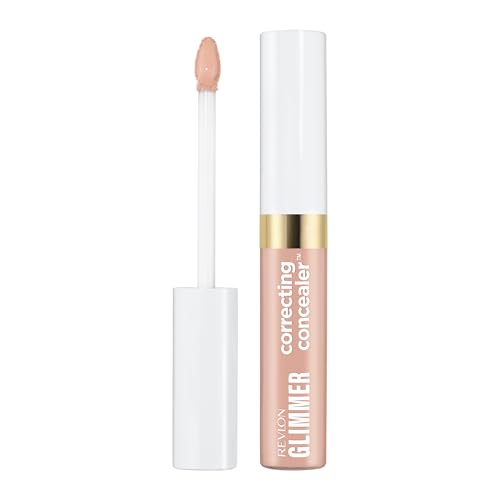
Revlon Glimmer Color Correcting Concealer 105 Pink (0.3 fl oz)

Revlon Glimmer Color Correcting Concealer 100 Green (0.3 fl oz)
Taking A Closer Look At The Options
Peach undertones sit directly across from blue and purple on the color wheel, which is exactly why a peach-toned corrector is the most common recommendation for fair-to-light skin with cool-toned shadows. This pick leans into that logic with a soft peach pigment suspended in a hydrating tinted mineral cream, so it reads as skincare and makeup simultaneously.
Where it differs from a standard concealer is the gentleness of the formula. The mineral base is intended for the delicate under-eye area, so people with thin, crepey skin who avoid heavy cream products may find it more comfortable than the dense liquid options lower in this list. You still need to layer your skin-tone concealer on top, but the corrector does the heavy lifting underneath.
Everyday Perks
- Peach undertone that directly cancels blue-purple discoloration
- Mineral base suited to fragile under-eye skin
- Hydrating cream texture reduces the crepey, dry look
- Compact 0.34 fl oz tube fits a travel kit or small vanity
Things To Consider
- Sheer pigment may be too light for very deep or brown-toned circles
- Tube format can dry out near the end without a tight cap routine
Made For
Fair to light complexions with cool-toned blue or purple shadows who want a low-fuss, hydrating first step under their concealer.
Look Elsewhere When
Medium-deep skin with brown-toned circles will get better neutralization from the Revlon Colorstay Longwear Foundation in 350 Rich Tan further down the list.
If the Yjasfoo corrector leans sheer and skin-caring, the Kokie Be Bright tube goes in the opposite direction: a small 0.21 fl oz pot of densely pigmented, beige-toned color work that handles both the neutralizing step and the coverage step in one pass. The Medium Beige shade lands squarely in the middle of the spectrum, which is why it tends to suit such a wide range of undertone questions.
Pigmentation is the headline. A tiny dot warms up under the eye and blends out before creasing, so for someone layering product over a busy morning routine, this dual-purpose approach saves time. Compared to the Revlon Glimmer shades further down, you trade the pure color-corrector format for a one-step color-plus-cover finish.
Why It Works Well
- Highly pigmented formula so a little product stretches across both eyes
- Light, blendable finish that avoids a heavy mask-like look
- Beige-leaning shade bridges the corrector and concealer steps
Points To Note
- Single Medium Beige shade may not flatter very fair or very deep complexions
- Smaller 0.21 fl oz size runs out faster with daily use
- Layering too much product can crease in fine lines over a long workday
Key Product Details
Right Fit For
Neutral-to-warm medium skin tones who want one product to do the brightening and covering step together.
Consider Something Else When
Fair, cool-toned skin with pink-blue circles will see more lift from the Revlon Glimmer Color Correcting Concealer in 105 Pink.
This is the foundation shelf pick, not the dedicated corrector pick, and that distinction matters. Where the Yjasfoo product targets only the under-eye, the Revlon Colorstay Longwear in 180 Sand Beige is a full-face foundation that also happens to make a serviceable under-eye companion when you already need a long-wear base for the rest of your face.
The oil-free, fragrance-free formulation is built for oily skin types, so if shine breakthrough by mid-afternoon is your usual complaint, this is the texture to lean into. The 180 Sand Beige shade is the fair end of the spectrum, which fits the same fair-to-light profile that the Yjasfoo peach corrector suits. Stack the Yjasfoo underneath for serious blue-purple circles, or use the Colorstay alone for milder cases.
Standout Benefits
- Oil-free formula designed for oily and combination skin
- Long-wear base handles a full workday without fading
- Sand Beige shade covers fair-light under-eye areas evenly
- Larger 1 fl oz bottle lasts across multiple uses
Worth Noting
- Full-coverage foundation may look heavy if layered over a separate corrector
- Matte finish can emphasize dryness on already crepey under-eyes
- Single-shade bottle means switching for deeper months requires a second product
Whose Shelf It Belongs On
Oily-skinned office workers or anyone needing long-wear face coverage plus modest under-eye brightening in a single bottle.
Skip It When
Mature or very dry under-eyes will settle into fine lines more comfortably with the Yjasfoo hydrating peach corrector in Pick 1.
The 350 Rich Tan shade is the mirror of Pick 3, same long-wear formula but tuned for medium-deep complexions. For dark circles on melanin-rich skin, peach correctors can read chalky and gray, while a deeper warm-toned foundation with enough pigment density does the actual neutralizing work.
Owners commonly report that the warm undertone in 350 Rich Tan softens the brown-purple discoloration that often shows up under deeper eyes. Layer a true orange or red-leaning corrector underneath if your circles are stubborn, and the Colorstay formula locks everything in place without sliding off by evening.
The Good Stuff
- Warm undertone that suits medium-deep complexions
- Long-wear, oil-free base for full-day wear in warm climates
- Dense enough pigment to neutralize mild-to-moderate dark circles alone
- Generous 1 fl oz bottle suits daily foundation use
Honest Caveats
- Shade is too deep for fair or light skin tones
- Heavy coverage can still need a true orange corrector for very stubborn shadows
- Glass bottle is heavier to travel with than tube formats
Built With In Mind
Medium-deep and tan skin tones looking for a foundation that doubles as a dark-circle neutralizer without going ashy.
Swap It Out When
Fair or light complexions should reach for the Revlon Glimmer in 105 Pink instead for cooler-toned correction.
This one is the wildcard of the list. The PhotoReady Insta-Sculpt is technically a cream contour and bronzer stick, but the deeper 430 Etched shade doubles as a sculpting corrector when you trace it just under the cheekbone and along the under-eye hollow. The cream format glides on without tugging the delicate eye area.
Used alone, it adds warmth and dimension that visually distracts from shadows. Paired with one of the dedicated correctors above, it finishes the look by adding the structural depth that flat concealer layers can wash out. Compared to the Glimmer shades, you trade pure neutralizing pigment for a multi-purpose contour tool.
What Works In Its Favor
- Stick format is quick to apply without a brush
- Creamy texture blends easily over corrected under-eyes
- 430 Etched is a versatile deeper tone for sculpting and shading
- Doubles as a bronzer for the rest of the face
Things To Weigh
- Not a true color corrector, so blue-purple circles still need a dedicated product underneath
- Stick format can melt in hot, humid storage conditions
- Requires careful blending to avoid harsh lines on the eye area
Feature Snapshot
Best Suited To
Anyone wanting to combine dark-circle coverage with cheekbone contour in a single multipurpose stick.
A Better Fit Elsewhere
For pure color correction on blue-purple circles, the Yjasfoo Peach Corrector in Pick 1 is the more targeted tool.
Pink correctors live one rung lighter on the color wheel than peach, so they’re most useful for fair skin where blue dominates and peach would skew too orange. The Revlon Glimmer 105 Pink leans into that niche cleanly, and the lightweight formula is designed not to settle into the fine lines that crop up under aging or mature eyes.
Think of it as the cooler cousin of the Yjasfoo pick. Both brighten, but the Glimmer uses a pink bias that reads more like a natural flush on porcelain skin. It’s also a more modern, liquid-style formula, so application feels closer to a serum than a balm.
Everyday Wins
- Pink pigment cancels blue tones on the fairest complexions
- Lightweight fluid texture avoids the heavy, cakey look
- Designed to flex with skin without settling into creases
- Practical 0.3 fl oz tube travels well
Trade Offs
- Pink undertone can look ruddy on medium or deeper skin
- Sheer pigment means stubborn circles still need a concealer on top
- Liquid format may separate if stored in warm cars
Who Will Love This
Fair-skinned users with cool, bluish under-eye tones who want a modern, lightweight brightening step.
Reach For A Different Pick When
Medium-deep skin with brown-toned circles will neutralize better with the Revlon Colorstay 350 Rich Tan in Pick 4.
The 100 Green variant isn’t a dark-circle corrector at all, but it earns its spot because rosacea, broken capillaries, and post-blemish redness around the eye orbit often get misread as dark circles. Green sits opposite red on the color wheel, so a touch of green pigment knocks out that red flush before your regular concealer goes on.
Use it sparingly along the inner corner or the outer rim where redness pools, then layer your normal product on top. Compared to the pink and peach shades above, this one is a tool for a different problem, but the same makeup bag solves both.
Reasons It Performs
- Green pigment neutralizes redness that mimics under-eye shadows
Where It May Fall Short
- Wrong tool for actual blue or purple dark circles
- Green pigment can read unnatural if over-applied without concealer on top
- Limited use case compared to broader peach and pink correctors
Quick Facts
Perfect Match For
Anyone whose under-eye area reads more red than purple and who needs targeted redness correction before concealer.
Not Your Match When
True blue or purple dark circles call for the Yjasfoo peach-toned corrector from Pick 1 instead.
Matching Concealer Shades To Your Specific Under-Eye Tone
The right undertone does more work than the right brand. Most people default to a beige concealer that matches their foundation, but beige alone rarely neutralizes deep blue or purple shadows. It just sits on top, leaving a gray cast that draws attention to the exact area you wanted to hide.
Color correctors earn their place by canceling out the underlying hue before your concealer goes on. A light peach corrector works across fair and light skin, pink correctors handle the cool blue tones on porcelain complexions, and warmer orange or red-leaning correctors tackle brown-toned circles on deeper skin. Green has a narrower job, reserved for redness rather than true dark circles.
Formula matters almost as much as shade. Hydrating mineral bases suit thin or mature under-eyes, while matte long-wear foundations belong on oily or combination skin. Layering a corrector under a slightly lighter concealer than your foundation tends to lift the eye area more naturally than one thick coat of product.
Understand Your Under-Eye Color First
Look at your circles in natural light, ideally without any product on. Blue or purple tones mean you need peach or pink pigment. Brown or deep gray tones mean you need a warmer, deeper corrector in orange or red-leaning shades. Redness around the inner or outer corners points to green first, then concealer.
Skin thickness matters too. Thinner under-eyes show veins more clearly, so blue dominates. Thicker or melanin-rich skin shows more brown pigment, so peach alone often looks chalky and a richer tone does the work.
Match Shade To Skin Depth
A fair-light corrector on medium-deep skin disappears without effect. A deep warm corrector on fair skin reads orange and muddy. The same rule applies here as foundation matching: the corrector should be a few shades deeper and warmer than your natural skin tone.
If you sit between two depths, the safer pick is usually the slightly deeper option. You can always sheer it out, but you cannot easily deepen a too-light corrector without losing its neutralizing power.
Think About Texture And Wear Time
Under-eyes crease, fold, and reflect every product choice. Hydrating cream or mineral bases tend to flex better with expression. Long-wear matte formulas suit oily skin or long days, but they can settle into fine lines over time.
For most routines, a thin layer of corrector topped with a lightweight concealer wears longer and looks fresher than a single thick product. Setting with a translucent powder helps, but only after the layers have settled.
Things Worth Knowing Before You Buy
Pitfalls Shoppers Hit
The most common mistake is skipping the color-correction step and going straight to a beige concealer. The result is product that looks fine at home but photographs gray and emphasizes the very circles you wanted to fix.
Another trap is matching the corrector to the concealer rather than to the skin’s undertone. Correctors are meant to be visible only as a hint of warmth, not as a finished look on their own. Layering a too-light concealer over a too-warm corrector gives the dreaded reverse-panda effect that no amount of blending fixes.
When Paying More Pays Off
Higher-tier correctors tend to offer more pigment in less product, which means a thinner layer does the same neutralizing work. That matters under the eye, where thick layers crease fastest. Spending up also tends to buy better skincare-grade ingredients, like hyaluronic acid or mineral bases, that hydrate while they color-correct.
The honest read is this: a mid-range corrector paired with a good concealer beats an expensive foundation used alone. The premium tier pays off mainly for mature, dry, or very demanding under-eyes that punish heavy formulas.
Frequently Asked Questions
What concealer color cancels dark circles best?
Peach correctors cancel blue-purple shadows on fair to light skin, while deeper orange or red-leaning shades neutralize brown-toned circles on medium-deep complexions. Pink is best for fair skin with cool blue tones, and green is reserved for redness rather than true dark circles.
Layer a concealer that matches your skin tone over the corrector to finish the look.
Should I use a corrector or just a concealer?
A corrector alone rarely finishes the job because its job is to neutralize, not to cover. The two-step approach, corrector underneath, concealer on top, produces a smoother result that looks awake rather than painted.
Skip the corrector only when your circles are very mild or your concealer already leans warm enough to do the work.
How do I pick the right depth of corrector?
Pick a corrector one to two shades warmer and deeper than your natural skin tone. The pigment should still look slightly obvious on its own, because the concealer on top will soften it.
For very stubborn circles, you may need a richer orange or red-leaning corrector than the typical peach.
Can I use foundation instead of a dedicated corrector?
A long-wear foundation like the Revlon Colorstay can pull double duty for mild circles on oily skin. For deeper or more colorful circles, a true corrector gives better, faster results because the pigment is denser.
Foundation alone tends to go on thick and crease more by mid-afternoon.
How long does a corrector typically last through the day?
Most modern correctors paired with a setting powder hold for eight to ten hours on normal skin. Oily skin may notice breakthrough sooner, especially without a primer or powder.
A long-wear formula underneath helps, and a light dusting of translucent powder locks everything in place.
Wrap Up
Choosing the right concealer color for dark circles starts with identifying the actual undertone you are trying to neutralize, then matching it with the opposite pigment on the color wheel. The seven picks above cover peach, pink, beige, warm deep, contour, and green options so you can build the right layer for your skin depth and the kind of circles you tend to see. A quick swatch test on the inner forearm or jawline before committing always saves regret, and pairing a corrector with a complementary concealer tends to look fresher than any single product used alone.
