

A good blurring powder acts like a soft-focus filter for your real face, softening the look of pores, fine lines, and uneven texture without settling into creases. The tricky part is finding one that does the blurring work without leaving a chalky cast or flattening your skin to a flat matte finish. This roundup looks at seven powders that take different routes to that same smooth finish, so you can match one to your skin type, coverage preference, and budget.
The Essentials At A Glance

Bissú Compact Powder Makeup 06

Clinique Blended Loose Setting Powder

Ciate London Extraordinary Translucent Powder

tarte Creaseless Setting Powder

Laura Geller Baked Balance-N-Glow Medium

Laura Geller Baked Balance-N-Glow Light
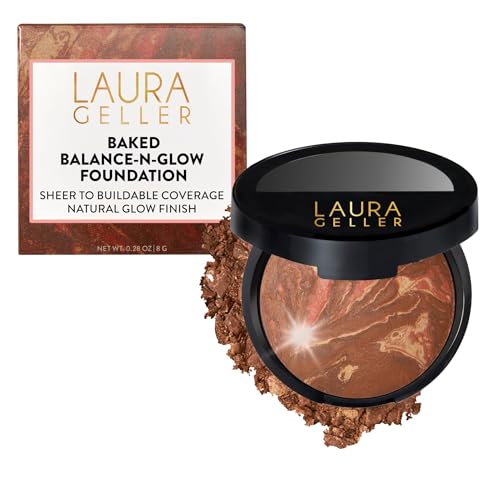
Laura Geller Baked Balance-N-Glow Toffee
Inside Each Recommended Option
The Bissú compact lands at the friendly end of the spectrum, which makes it an easy pick when you want a basic pressed powder without a big commitment. In shade 06 Natural Beige, the formula aims at light-to-medium neutral tones, and the small compact format slips into a handbag or desk drawer without fuss.
If your routine is foundation plus a quick sweep through the T-zone, this kind of compact often gets the job done. It is a sensible grab-and-go option for quick touch-ups during a long workday.
The Case For It
- Pocket-friendly price point keeps it low-risk to try.
- Compact format travels well in small bags.
- Natural Beige 06 suits light to medium complexions.
- Pressed format works for fast midday blotting.
Things To Consider
- Light coverage means it blurs less than dedicated setting powders.
- Limited shade data means deeper skin tones may find the range narrow.
- Compact pans tend to need replacing sooner than loose jar formats.
Who It Suits Best
Beginners and anyone who wants a simple pressed powder for quick blotting and light blurring on light-to-medium skin.
Where Another Pick Suits Better
Skip it when you want a stronger pore-blurring effect and reach for the Laura Geller Baked Balance-N-Glow Illuminating Powder Foundation in Medium instead.
The Clinique Blended Loose Setting Powder focuses on a sheer, natural-looking veil rather than heavy mattifying. The texture is described as superfine and silky, which is a polite way of saying it aims to disappear into the skin instead of sitting on top of it. The light-reflecting quality is meant to add a soft radiance rather than a flat finish.
For anyone who finds heavier powders chalky, this format tends to be easier to control with a light hand. It layers over foundation or wears alone on good-skin days.
Positive Takeaways
- Superfine texture blends without obvious powder lines.
- Light-reflecting finish keeps skin looking lively, not flat.
- Loose format lets you dial coverage up or down with brush pressure.
- Marketed as suitable across skin types.
Worth Noting
- Loose powders can scatter during application, so expect a little fallout on the counter.
- Sheer coverage means very oily areas may still need a midday touch-up.
Quick Facts
Made For
Anyone who wants a barely-there setting powder that prioritises a natural, slightly luminous finish over heavy mattifying.
Consider Something Else When
For a powder that leans further into oil control, swap to the tarte creaseless setting powder instead.
Ciate London pitches this translucent powder as featherweight, blendable, and soft-focused. “Translucent” here means it skips added colour so it can layer over most foundation shades without shifting them. The promise is a soft-focus blur that smooths the look of texture and pores rather than masking the skin.
If your main complaint is visible pores around the nose and cheeks, this kind of formula is built for that brief. Use a small brush to press it into those zones rather than sweeping broadly.
Why It Works Well
- Translucent shade works across a range of skin tones.
- Lightweight feel avoids the heavy-powder sensation.
- Soft-focus finish targets visible pores and texture.
Trade Offs
- Loose jar format can be messy on a shared vanity.
- Light coverage does not replace foundation if you want more evening-out.
- Brushes shed fibres sometimes catch in the sifter holes, a small but real annoyance.
Right Fit For
Combination or normal skin that wants a gentle blur over foundation rather than a mattifying seal.
Look Elsewhere When
For a powder that pulls double duty as foundation, try the Laura Geller Baked Balance-N-Glow Illuminating Powder Foundation in Light.
The tarte creaseless setting powder is built for the long-wear crowd. Marketed as lightweight and oil-absorbing, it aims to lock foundation in place through work hours, workouts, or hot weather. The vegan, cruelty-free formula also suits shoppers who factor those values into their routine.
The brand notes it is designed to avoid creasing under the eyes and to keep a smooth, camera-ready finish without flashback in flash photography, which matters for events. Compared with the sheer Clinique powder above, this one leans toward more matte, more held-in-place territory.
Strong Points
- Oil-absorbing formula suits shine-prone areas.
- Designed to resist creasing under the eyes.
- Vegan and cruelty-free formulation.
- Marketed for longwear finishes across skin tones.
- Built to minimise flashback in photography.
Honest Caveats
- Loose powder means a bit of cleanup around the sink after use.
- Matte-leaning finish may feel too flat for very dry skin types.
Best Suited To
Combination to oily skin and anyone who needs foundation to hold through long days, events, or humid weather.
Reach For A Different Pick When
For a softer, more luminous finish, the Ciate London Extraordinary Translucent Powder is the gentler alternative.
Laura Geller’s Balance-N-Glow sits in a different lane from the loose setting powders above. The Medium shade is described as a flattering middle tone, and the baked formula gives a satin radiance rather than a strictly matte veil. That makes it a sensible base when you want coverage plus glow in one step.
Baked powders are typically swirl-and-go with a denser brush, then blend out with a fluffier one. The finish tends to look most natural in natural daylight.
A Favorable Mix
- Baked pearl pigments give a soft satin radiance.
- Buildable sheer-to-medium coverage in one compact.
- Medium shade suits a broad range of neutral and warm undertones.
Points To Note
- Glowy formula may not suit very oily skin in humid weather.
- Swirl-and-bake application takes a beat longer than a quick pressed powder.
Feature Snapshot
Who Will Love This
Medium skin tones who want coverage with a soft glow rather than a flat-matte foundation finish.
Swap It Out When
If your undertone runs deeper, the Laura Geller Baked Balance-N-Glow Illuminating Powder Foundation in Toffee is the closer match.
The Light version of the same baked formula trades the deeper pigment of Medium for a brighter, pearl-led finish. Pearl-infused pigments are described as adding soft satin radiance rather than obvious shimmer, so the effect stays close to a healthy-skin glow.
On fair complexions, this kind of light-reflective base can replace a heavier foundation for daytime. It also layers well under a sheer concealer where you want extra coverage.
Everyday Advantages
- Pearl pigments keep the finish gentle rather than glittery.
- Light shade suits fair skin without ashy patches.
- Buildable coverage supports a no-foundation makeup day.
- Baked in Italy for an even, marbleised pigment pattern.
Softer Spots
- Light shade will look too pale on medium-to-deep tones.
- Satin finish is not the right call for very oily skin in summer.
Key Product Details
Perfect Match For
Fair to light skin tones who want a luminous base that doubles as light foundation.
Where A Sibling Pick Shines
For deeper undertones, the Laura Geller Baked Balance-N-Glow Illuminating Powder Foundation in Toffee fits much better.
The Toffee shade rounds out the Balance-N-Glow family, bringing a warmer, deeper tone to the same baked pearl formula. It is the one to look at when the Medium shade pulls too light or too cool against your skin.
For deeper complexions, that warmth matters because cool-toned powders can read grey or ashy in daylight. A baked formula with pearl pigments still keeps the glow without flattening the depth of the shade.
Strengths Worth Knowing
- Warm Toffee tone suits deeper complexions without ashing.
- Pearl pigments add glow without obvious shimmer.
- Baked format layers well over moisturiser or primer.
- Buildable coverage for day or evening looks.
Things That May Matter
- Swirl-and-apply method takes a moment longer than a tap-on pressed powder.
- Compact pans can crack if dropped, which is worth knowing for travel bags.
Feature Card
Who Should Grab It
Medium-deep to deep skin tones looking for a warm, glowy base rather than a flat-matte powder.
Skip It When
Fair skin shoppers will find the Laura Geller Baked Balance-N-Glow Illuminating Powder Foundation in Light a better tonal match.
What Matters Most When Choosing a Blurring Powder
Picking the right powder comes down to understanding how a few core attributes line up with your skin and your routine. Format matters most, since loose, pressed, and baked powders behave quite differently once they hit the brush.
A loose powder tends to give the most control over how much product lands on your face. You can tap off excess and build sheer coverage gradually, which suits precise work around the nose and under the eyes. The trade-off is the inevitable mess on the counter, plus the sifter that likes to clog if your brush is damp. Pressed compacts sacrifice a little of that control for convenience, since you can pat them on quickly between meetings or after a workout. Baked powders sit in the middle, often pressed into a domed pan but with a smoother, more luminous finish than a typical pressed powder.
Finish is the next big fork. A true matte powder flattens shine and helps oily skin through the day, but can look heavy on anyone with dry patches. A satin or luminous finish keeps skin looking lit-from-within, which most people with normal or dry skin prefer, though it can read greasy in photographs without the right lighting. Pigment matters too, since a translucent powder aims to disappear into most skin tones while a tinted powder doubles as light foundation.
Shade range and undertone often decide whether a powder looks invisible or leaves a grey cast. Translucent formulas are usually a safe starting point if you are unsure, and a quick check in natural daylight is more reliable than a bathroom mirror.
Common Slips Shoppers Make
Mistakes Worth Dodging
Many people grab a powder that is too dark for their skin tone and wonder why their jawline suddenly looks muddy. A quick swatch on the inner wrist in natural light catches that problem before checkout. Another common slip is using a dense, heavy brush that loads far too much product, which then sits visibly on top of foundation rather than melting in. A fluffy brush with light pressure is almost always the better move.
Where The Extra Money Goes
Higher-tier powders often invest in finer milling, which is what lets them blur pores without looking chalky. They also tend to include skin-friendly additives like vitamins or pearl pigments that cheaper formulas skip, which is where the soft satin glow comes from. When an upgrade makes sense is when you wear powder every day, since the difference in feel and finish becomes obvious over months of daily use. If you only powder occasionally for events, a mid-tier option will usually serve you just as well.
Frequently Asked Questions
How do blurring powders actually blur pores?
Most blurring powders rely on finely milled particles, often silica or mica, that scatter light across the skin. That diffused light makes pores and fine lines look softer in person and in photos.
Can I use a blurring powder without foundation underneath?
Yes, especially with sheer or translucent formulas. The powder just adds a soft-focus layer over bare skin, though coverage will obviously be lighter than with foundation.
Will a blurring powder make dry skin look worse?
Sometimes, depending on the formula. Mattifying powders can cling to dry patches, so a satin or luminous baked formula usually flatters dry skin more comfortably.
How do I keep a loose powder from going everywhere?
Tap the brush off before applying, hold it a few inches from the face, and press rather than sweep. A small sifter shake also helps control how much powder comes out at once.
Is a baked powder the same as a mineral powder?
Not always. Baked refers to how the product is finished in the oven after the pigments are mixed, while mineral usually refers to the ingredient source. The two terms can overlap, but they are not interchangeable.
Closing Remarks
The best blurring powder for you is the one that fits your skin type, your undertone, and how much coverage you actually want in a day. Start with the format and finish that match your routine, then narrow down by shade. From there, any of the seven picks above should earn its place on your vanity.
