

A crowded bathroom shelf can make one small skincare decision feel surprisingly complicated. Antioxidant ingredients such as vitamin C, green tea derivatives, and grape water attract attention, but hydration, texture, discoloration, and visible lines can point toward very different serums. These options suit different routines, from lightweight daily moisture to focused dark-spot care.
The Choices Worth Comparing
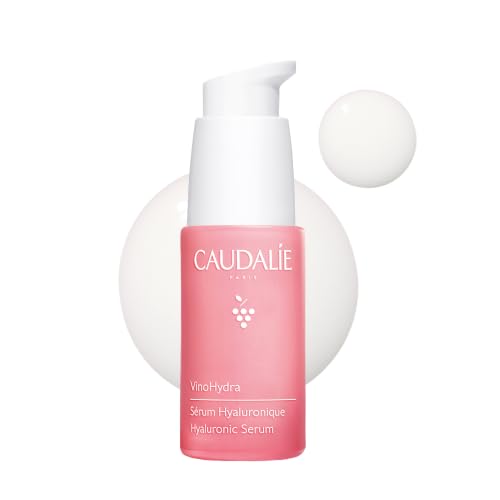
Caudalie VinoHydra Serum 30 mL

PCA SKIN Rejuvenating Anti Aging Serum 1 fl oz

Origins Plantscription Multi-Powered Youth Serum with Peptides

La Roche Posay Hyalu B5 Serum
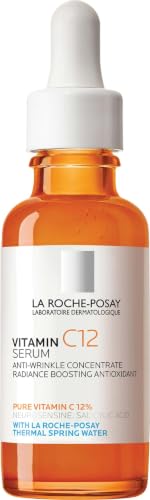
La Roche-Posay 12% Vitamin C Serum
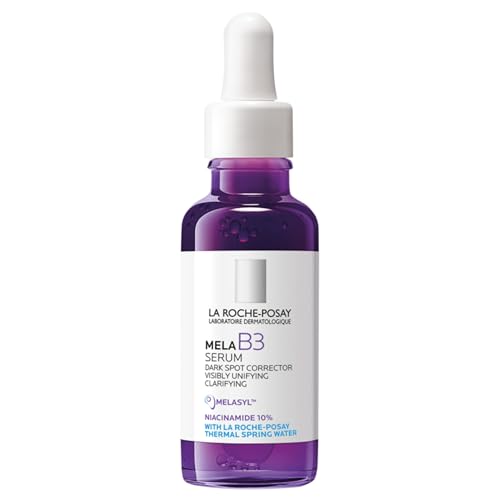
La Roche-Posay Mela B3 Niacinamide Serum
More Details On Our Top Picks
A serum that hydrates without feeling heavy has an easier place in a daily routine. Caudalie VinoHydra combines hyaluronic acid, a humectant that attracts water to the skin, with antioxidant-rich grape water in a lightweight 30 mL formula.
For a commute followed by hours in air conditioning, that balance makes sense. You get a moisture-focused step with a small antioxidant component, but you won’t mistake it for a brightening or dark-spot treatment.
A Few Highlights
- The lightweight texture suits layering under moisturizer or sunscreen.
- Hyaluronic acid supports a moisture-focused daily routine.
- Grape water adds the antioxidant angle highlighted in the formula.
- The 30 mL bottle offers a manageable size for regular use.
Small Caveats
- Its main strength is hydration rather than targeted discoloration care.
- Those wanting visible-line support may prefer a more specialized formula.
Quick Facts
Made For
You benefit most from this formula when lightweight hydration matters more than intensive brightening or line targeting.
A Better Fit Elsewhere
PCA SKIN Rejuvenating Anti Aging Serum 1 fl oz offers a stronger green tea antioxidant angle for radiance-focused routines.
Compared with Caudalie VinoHydra’s moisture-first approach, PCA SKIN puts more emphasis on antioxidants and radiance. Its formula includes EGCG, a green tea compound, alongside grapefruit cell extract in a convenient 1 fl oz pump bottle.
The pump makes this a sensible choice for someone who wants a measured amount each morning. Its glow-oriented positioning may fit a routine built around visible radiance, although hydration remains a sensible companion step.
The Helpful Details
- EGCG provides a clearly identified antioxidant component.
- Grapefruit cell extract adds another botanical antioxidant ingredient.
- The pump makes daily dispensing more controlled.
- The 1 fl oz size suits a compact skincare setup.
Worth Noting
- Its radiance focus is less specific than a dedicated dark-spot serum.
- Those wanting a larger treatment bottle may prefer a 30 mL format.
At A Glance
Who Will Love This
You suit this serum best when a compact pump and a green tea antioxidant are more important to your routine than intensive hydration.
Consider Something Else When
La Roche Posay Hyalu B5 Serum better serves a moisture-depleted routine that prioritizes rich hydration and barrier support.
Your priorities shift here from a single antioxidant to a broader line-focused routine. Origins Plantscription pairs peptides, small amino-acid fragments used in skin-care formulas, with niacinamide, a form of vitamin B3.
Compared with PCA SKIN’s green tea emphasis, this formula is built around visible lines, pores, tone, radiance, and firmness. That makes it the more practical choice when several early aging concerns compete for attention, though it isn’t as direct an antioxidant option as the 12% vitamin C formula.
Why It Works Well
- Peptides support a routine focused on the appearance of fine lines.
- Niacinamide adds a versatile skin-care active to the formula.
- The positioning covers lines, pores, uneven tone, and firmness.
- It suits someone wanting several appearance goals in one step.
- Radiance and a lifted appearance remain central to the formula’s purpose.
Points To Note
- Niacinamide may not suit every routine, so check how it fits your current products.
Built With In Mind
This serum fits adults who want a peptide-and-niacinamide treatment for a broad set of visible aging concerns.
Where A Sibling Pick Shines
La Roche-Posay 12% Vitamin C Serum makes more sense for a routine centered on direct antioxidant and brightening ingredients.
After several feature-focused formulas, La Roche Posay Hyalu B5 returns the decision to moisture. Pure hyaluronic acid works with glycerin, a humectant that helps draw water into the outer skin layer, and vitamin B5.
The rich texture suits skin that feels tight after cleansing or during a dry commute. Unlike Origins Plantscription, this formula is less about a multi-ingredient approach to lines and more about hydration, smoothness, and barrier support.
The Practical Payoff
- Three humectants create a well-rounded hydration approach.
- The rich texture suits skin that dislikes watery layers.
- Its formulation is positioned for sensitive skin.
Where It May Fall Short
- Its strongest benefit is moisture rather than a strong antioxidant story.
Feature Snapshot
Best Suited To
You benefit most when your priority is lasting moisture and a comfortable, rich serum texture rather than intensive brightening.
Not Your Match When
La Roche-Posay Mela B3 Niacinamide Serum offers a better fit for uneven tone and post-acne discoloration.
Vitamin C is the most recognizable antioxidant on this list, and this serum puts it at 12%. For a morning routine built around radiance, uneven tone, and texture, that clear concentration gives the formula a distinct purpose.
You also have a formula decision at checkout. One option pairs vitamin C with hyaluronic acid, while another pairs it with salicylic acid, a beta hydroxy acid commonly used in acne-focused skin care, so check the selected variant carefully.
Key Advantages
- The 12% vitamin C concentration gives the antioxidant feature clarity.
- It suits a morning routine centered on radiance and texture.
- A hyaluronic acid option adds a familiar hydration partner.
- The salicylic acid option serves a more clarifying-oriented routine.
Possible Compromises
- Two formula options require you to check which variant is selected.
- Vitamin C is less suitable for everyone than a simple hydrating serum.
Technical Highlights
Right Fit For
This formula suits adults seeking a clearly defined vitamin C antioxidant step alongside hydration or clarifying support.
Another Choice May Suit
Caudalie VinoHydra Serum 30 mL is the gentler fit for a lightweight routine centered on hydration and grape-water antioxidants.
Uneven tone changes the decision from general antioxidant care to a more targeted routine. La Roche-Posay Mela B3 centers niacinamide and is designed for visible sun spots, age spots, post-acne marks, and other discoloration.
Compared with La Roche-Posay 12% Vitamin C Serum, this is less about a direct vitamin C antioxidant and more about supporting an even-looking complexion. That focus makes it useful after breakouts or when specific marks have become a routine concern.
Useful Highlights
- Niacinamide gives the formula a clearly identified active.
- The serum targets several common forms of facial discoloration.
- Post-acne marks fit naturally into its stated purpose.
Details To Watch
- It is a focused dark-spot serum rather than a broad multi-concern treatment.
- Those seeking a direct vitamin C antioxidant may prefer the 12% formula.
- Your existing products may already include niacinamide, which affects routine balance.
Whose Shelf It Belongs On
You benefit most from this serum when sun spots, age spots, or post-acne marks are the main appearance concern in your routine.
Reach For A Different Pick When
PCA SKIN Rejuvenating Anti Aging Serum 1 fl oz better fits a routine built around green tea antioxidants and visible radiance.
What Matters Most in a Face Antioxidant
Match the Primary Goal
A face antioxidant can share a category while serving different purposes. Vitamin C offers the most explicit antioxidant positioning, while grape water and EGCG offer botanical antioxidant angles. Hydrating formulas such as Caudalie VinoHydra may make more sense when dryness is your daily concern, and niacinamide products are more useful when uneven tone leads your routine.
Check the Supporting Actives
The supporting ingredients can determine how a serum feels and fits. Hyaluronic acid and glycerin act as humectants, meaning they attract water to the skin. Peptides support line-focused routines, while salicylic acid adds a clarifying element that can make a vitamin C formula less suitable for some routines.
Consider Texture and Routine Order
A lightweight serum usually sits comfortably before moisturizer and sunscreen, while a rich formula may need less product around it. You also need to account for what you already use. Two vitamin C or niacinamide products can make a routine feel repetitive, and the La Roche-Posay 12% Vitamin C Serum requires a quick check of the selected formula.
Match the Result to Your Concern
Lines, dark spots, dullness, and dehydration rarely have one ideal solution. Caudalie VinoHydra fits moisture-first routines, Origins Plantscription leans toward multiple visible aging concerns, and Mela B3 concentrates on discoloration. Your most persistent concern should guide the selection more than a broad anti-aging label.
Common Sense Before You Add Another Serum
Mistakes Worth Dodging
Choosing based on antioxidant language alone can leave you with the wrong product for your skin. A dark-spot serum, a rich hydrator, and a vitamin C treatment can all sound appealing while serving different routines. Check the supporting ingredients, texture, and your main concern before adding another step.
What Separates Premium From Basic
A higher-priced serum may concentrate its featured active, combine several useful ingredients, or offer a texture that fits a particular routine better. The extra cost matters most when the formula directly matches your concern and you will use it consistently. Ingredient concentration, formula design, and packaging matter more than a luxury label.
Frequently Asked Questions for Antioxidant Serum For Face
What is an antioxidant serum for the face?
An antioxidant serum features ingredients such as vitamin C, green tea derivatives, or grape water to support skin against environmental oxidative stress. The formula may also address hydration, radiance, lines, or discoloration.
Can you use antioxidant serum every day?
Daily use depends on the formula, your routine, and how your skin responds. Vitamin C and concentrated niacinamide formulas deserve particular attention to application frequency and compatibility with your other products.
Should antioxidant serum come before moisturizer?
Most lightweight serums fit before moisturizer and sunscreen, while richer formulas may need less product afterward. Apply the serum to clean skin and allow it to settle before moving to the next step.
Is hyaluronic acid an antioxidant?
Hyaluronic acid is primarily a humectant that attracts water, so it is better understood as a hydration ingredient. It can complement antioxidant formulas such as Caudalie VinoHydra or the vitamin C option.
What is the best antioxidant serum for dark spots?
La Roche-Posay Mela B3 Niacinamide Serum is the closest fit for a dark-spot-focused routine because niacinamide is central to its positioning. La Roche-Posay 12% Vitamin C Serum may suit shoppers who prefer a vitamin C and brightening approach.
Final Verdict
The right antioxidant serum depends on what your skin needs most right now. Caudalie VinoHydra suits lightweight hydration, PCA SKIN emphasizes green tea antioxidants, Origins Plantscription addresses several visible aging concerns, and the La Roche-Posay options cover rich hydration, vitamin C, or dark-spot care. Start with one clearly matched formula and give your routine room to stay simple.
