

A clay mask can fit into a very different routine depending on your goal. Some formulas focus on facial pore care, while others target the texture and appearance of skin across the body, and raw clay powders suit DIY projects best.
A Closer Look At The Lineup

SIOT Rice Jam Mask and Gua Sha Duo

NUNA Volcanic Ash Clay Mask, 15 Single-Use 4 g Treatment Sachets

Bare Essentials Living White Kaolin Clay Powder for DIY Masks, Soaps, and Crafts, 2 lb
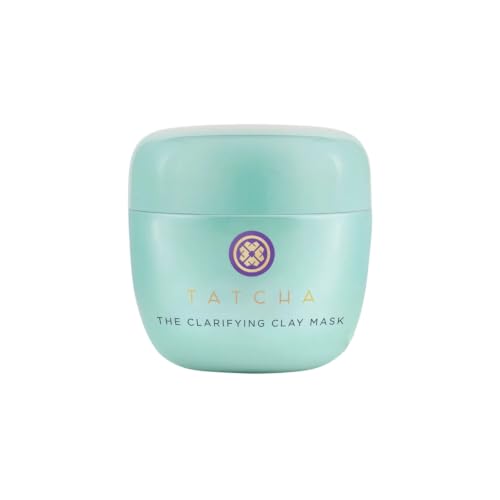
TATCHA The Clarifying Clay Mask

SIOT Matcha Catechin Gua Sha Body Cream

SIOT Rice Jam Mask, 8.45 oz Korean Icheon Face and Body Treatment
The Strengths Of Each Pick
Pre-vacation prep often calls for more than one small correction, and this SIOT set provides a logical order. The rice jam mask handles exfoliation and the appearance of uneven tone, while the matcha gua sha cream provides a leave-on massage for areas such as thighs, hips, and arms.
Unlike the rinse-off formulas later in this list, this pairing works as a two-stage body routine. The wash-off mask clears the surface before the cream goes on, which may make the follow-up massage easier to spread evenly across targeted areas.
Everyday Perks
- Coordinates exfoliation with body massage rather than forcing one product to handle both tasks.
- Uses Korean rice and seven botanical extracts in the rinse-off mask.
- Targets common appearance concerns on elbows, knees, underarms, and inner thighs.
- Builds massage directly into the cream applicator, reducing the need for a separate tool.
Practical Considerations
- You need to manage two products and remember the suggested order rather than applying them interchangeably.
- The mask is suggested one or two times weekly, so it fits a planned routine better than frequent spontaneous use.
Feature Snapshot
Who It Suits Best
This set fits people preparing a multi-step body-care routine for areas such as thighs, underarms, elbows, and knees.
Another Choice May Suit
The NUNA Volcanic Ash Clay Mask suits you better when portable facial pore care matters more than body massage.
Traveling with clay usually means balancing a messy formula against the space it takes up. NUNA solves that practical issue with 15 individually sealed 4 g sachets, giving you one measured portion for each facial treatment without carrying a full jar.
The formula combines volcanic ash with a triple-clay complex, while pearl extract, centella asiatica, squalane, shea butter, hydrolyzed hyaluronic acid, and allantoin round out the ingredient list. Compared with SIOT Rice Jam Mask, this option leans more heavily into facial oil absorption and pore care.
A Few Strong Suits
- Single-use portions simplify storage, travel, and weekly routines.
- The 2% volcanic ash content gives the clay complex a clearly defined centerpiece.
- Hydrating and conditioning ingredients complement the oil-absorbing base.
Possible Compromises
- Each pouch contains only 4 g, so you may prefer a larger container for regular at-home use.
- The packet format is convenient, but opening and discarding 15 sachets creates more packaging than one reusable jar.
- This facial treatment does not provide the body massage feature found in the SIOT duo.
Quick Facts
Made For
This format works especially well for frequent travelers, overnight bag packers, and people who prefer a fresh facial portion each time.
Reach For A Different Pick When
The TATCHA The Clarifying Clay Mask fits a short, at-home facial session better when you do not need individually packaged portions.
A finished clay mask and a jar of raw kaolin clay solve entirely different problems. This 2 lb container belongs in the DIY section of your bathroom or craft cupboard, where you can control the quantity, consistency, and ingredients of each mixture.
Kaolin is a fine white clay used in face masks, soaps, bath bombs, deodorant mixtures, seed bombs, and gardening projects. Unlike the NUNA single-use treatment or TATCHA facial mask, this product gives you a versatile base rather than a ready-to-apply formula.
Real Benefits
- The 2 lb quantity gives you plenty of material for repeated DIY formulations.
- One base works across skincare, bath, soap, and gardening projects.
Points To Note
- You need to supply the other ingredients and determine the proper mixture for your intended use.
- Raw clay powder is not a ready-to-apply facial mask, so beginners may prefer a premixed option.
- Keep the powder sealed and dry, and follow the directions for your chosen formulation.
- This is the broadest option here, but that versatility also demands more responsibility on your part.
Right Fit For
This clay suits DIY formulators, soap makers, crafters, and gardeners who want one dependable base for several projects.
Look Elsewhere When
The SIOT Rice Jam Mask offers a more direct choice for a wash-off face and body treatment without formula preparation.
A three-minute facial treatment fits neatly between washing your face and applying the rest of your skincare. TATCHA uses that short window to combine Japanese volcanic ash, Okinawa kucha clay, and Japanese konjac, an exfoliating ingredient derived from a konjac root.
The warming sensation distinguishes this clay from the cooler-feeling NUNA sachets, although that sensation may not appeal to everyone. Its focus remains facial clarity and pore appearance, making it less relevant to a body-focused routine than the SIOT Matcha Catechin Gua Sha Body Cream.
What Helps Most
- Works within a clearly stated three-minute treatment window.
- Combines three distinct clay ingredients with a konjac exfoliant.
- Targets excess oil, sebum, and the appearance of pore congestion.
- Warms on contact for a noticeable change in application texture.
- Suits people who prefer a dedicated facial treatment over a multi-purpose body cream.
Small Caveats
- You may prefer a cool formula because the mask creates a warming sensation during application.
Technical Highlights
Who Will Love This
This facial mask suits people who enjoy a warm, fast-acting clay treatment and want a focused pore-care step.
A Better Fit Elsewhere
The NUNA Volcanic Ash Clay Mask fits travel and on-the-go routines better because each treatment arrives in an individual sachet.
A separate gua sha stone adds another step and another item to clean, which is where this SIOT cream becomes especially practical. Its curved built-in applicator lets you glide the formula over thighs, upper arms, and other targeted areas without reaching for a separate massage tool.
Matcha, caffeine, EGCG, collagen, and peptide form the cream base, while the massage component is designed to address the appearance of bumpy or uneven texture. Unlike the original rice-and-gua-sha duo, this option focuses only on the leave-on body step.
Practical Advantages
- The integrated applicator keeps the body massage within one product.
- Targeted use suits routines centered on thighs, hips, and arms.
- You can apply the cream directly instead of preparing a separate clay mixture.
Details To Watch
- This is a body cream rather than a wash-off clay mask, so it serves a narrower purpose than the Bare Essentials Living powder.
- You choose where to apply it, making the cream less convenient for an all-over facial treatment.
Built With In Mind
This cream suits people who regularly massage body-care formulas into the thighs, hips, or upper arms and prefer an integrated applicator.
Swap It Out When
The TATCHA The Clarifying Clay Mask is the better fit for a short facial treatment focused on pores and excess oil.
Some routines call for one mask that can move from the face to the body without changing products. The 8.45 oz SIOT Rice Jam Mask takes that approach, using Korean Icheon rice extract in a wash-off formula intended for dull-looking skin, uneven tone, and areas such as the underarms, knees, elbows, and face.
Compared with the smaller NUNA sachets, the jar-style format supports repeated home use without opening a new packet each time. It also differs from TATCHA by combining exfoliation with moisturizing care rather than centering the experience on pore refining.
Key Advantages
- Works across both face and body for a flexible personal-care routine.
- Supports exfoliation while leaving the skin feeling soft and moisturized.
- The 8.45 oz container reduces the need for frequent repurchasing compared with single-use sachets.
- Targets the appearance of dark spots and dull areas across several body locations.
Trade Offs
- The broad face-and-body positioning does not provide the focused three-minute facial experience of TATCHA.
- A jar requires you to keep it closed and protected from moisture between uses.
- The formula does not include a built-in massage applicator like the SIOT body cream.
Core Details
The Right Fit
This mask suits people who want one rice-based treatment for both facial and body routines, particularly around the knees, elbows, and underarms.
Where A Sibling Pick Shines
The Bare Essentials Living White Kaolin Clay Powder fits DIY formulators better because it can also be used in soaps, bath bombs, deodorant mixtures, and crafts.
What To Look For In A Clay Mask
Match The Formula To The Area
A facial clay mask is centered on the face, while a body treatment may be intended for the thighs, hips, arms, or underarms. The SIOT Rice Jam Mask and Gua Sha Duo covers both, but its two-step format also asks for more routine planning. You should choose the product that matches the area you actually plan to treat.
Decide Between Ready-To-Use And DIY
A premixed mask saves you from calculating ingredient ratios. Raw kaolin clay, by contrast, gives you control over the mixture and lets you use the same base in several personal-care or craft projects. For beginners, a ready-to-apply formula is usually the simpler place to start.
Pay Attention To Application And Storage
Travelers may favor the NUNA single-use sachets, while a larger jar or 2 lb powder container suits regular use at home. A built-in gua sha applicator also changes the routine by adding massage without another tool. Check the amount, application time, and storage needs before making your choice.
Look Beyond The Clay Base
Supporting ingredients can change the feel and purpose of a mask. TATCHA includes konjac for exfoliation and creates a warming sensation, while NUNA combines volcanic ash with conditioning ingredients. The SIOT formulas use rice or matcha as their defining feature, so your preferred texture and application method may matter more than the word clay alone.
Common Clay Mask Decisions To Get Right
Wrong Turns To Avoid
Choosing a raw powder because “clay” sounds natural can backfire when you expected a ready-to-apply treatment. Read the format, directions, and intended area before buying, especially for a large DIY container. Also account for storage, since loose powder and open jars need more protection than sealed sachets.
What Separates Premium From Basic
The higher-priced options tend to add specialized ingredients, a refined application format, or built-in massage tools. A basic powder gives you raw material and broad project potential, while a premium facial formula may offer a shorter treatment or more targeted ingredient story. Pay for the convenience and formulation features your routine will actually use.
Frequently Asked Questions
What Is An Amazonian Clay Mask?
An Amazonian clay mask is a clay-based skin treatment positioned around cleansing, exfoliation, pore care, or the appearance of smoother skin. The six options here range from premixed facial masks to body treatments and raw kaolin clay.
Which Clay Mask Is Best For Travel?
The NUNA Volcanic Ash Clay Mask is the most travel-friendly option because it contains 15 individually sealed 4 g sachets. Each portion is premeasured, so you do not need to carry a separate container or divide the formula before leaving home.
Can Clay Masks Be Used On The Body?
Yes, several options in this lineup are intended for body use. The SIOT Rice Jam Mask works on the face and body, while the SIOT Matcha Catechin Gua Sha Body Cream focuses on massaging targeted areas such as thighs, hips, and arms.
Is Raw Kaolin Clay Better Than A Premixed Mask?
Raw kaolin clay gives you more control and supports multiple DIY projects, but you must prepare the mixture correctly. A premixed mask is more convenient for a straightforward personal-care routine and gives you a defined texture and application method from the start.
Should You Use A Clay Mask More Than Once A Week?
Your skin tolerance, the product directions, and the rest of your routine all affect frequency. The SIOT Rice Jam Mask and Gua Sha Duo suggests using its rice mask one or two times weekly, so following the product-specific schedule is the sensible starting point.
Wrap Up
The best Amazonian clay mask depends on whether you want a focused facial treatment, a body-massage step, a wash-off formula for several areas, or a raw ingredient for DIY projects. Match the format to your routine, read the application directions, and choose based on the finish you want rather than the number of ingredients on the label.
