

Your hair can feel dry after a busy week of commuting, gym sessions, or frequent shampooing, yet heavy moisture can leave it looking flat. Aloe vera conditioners give you different ways to balance softness, manageability, and weight, but the best formula depends on your hair type and whether you also color it.
A Side-By-Side Look

Garnier Aloe Conditioner

Aloderma Aloe Shampoo 16 oz
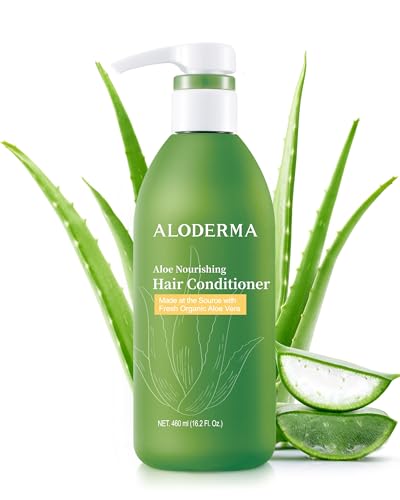
Aloderma Aloe Conditioner 16.2 oz

Aloderma Aloe Body Wash 16 oz

Suave Charcoal Aloe Conditioner 12.6 oz

dpHUE Apple Cider Vinegar Lightweight Conditioner 8.5 fl oz
Why These Options Stand Out
For your regular wash-day routine, this conditioner is built around moisture rather than a heavy styling effect. Coconut water and aloe vera extracts help dry hair feel softer and easier to manage, making the formula a practical fit for strands that feel rough after frequent cleansing.
The honest read is that this is a straightforward everyday option, not a specialized treatment. Its combination of hydration, nourishment, and scalp-friendly ingredients makes it useful after a commute, workout, or week of dry indoor air.
The Practical Payoff
- Coconut water and aloe vera extracts target dryness at the rinse-out stage.
- Softness and manageability make daily detangling less of a struggle.
- Vitamins and nutrients support a nourished-feeling hair routine.
- The formula fits a simple routine without requiring multiple steps.
Practical Considerations
- Very fine hair may need a smaller amount for the same soft finish.
- The broad moisture focus offers less color-specific support than the dpHUE formula.
Feature Snapshot
Who It Suits Best
This formula suits people with dry, manageable hair who want simple aloe and coconut water care after routine shampooing.
Where Another Pick Suits Better
Choose the dpHUE Apple Cider Vinegar Lightweight Conditioner instead when preserving the appearance of color-treated hair matters more to your routine.
Your shampoo step gets the aloe treatment in this formula, rather than the conditioner step. Aloderma makes this shampoo for damaged hair with organic aloe vera, and the 16-ounce bottle gives you a familiar size for a home bathroom shelf.
Compared with the Garnier Aloe Conditioner, this product changes the order of your routine: it cleanses first rather than smoothing the lengths afterward. It also fits a more ingredient-focused approach, with aloe processed on-site and converted into the finished product within 12 hours of leaving the fields.
Real-World Strengths
- Organic aloe vera leads a formula designed around aloe-based hair care.
- The 16-ounce size works for a standard home shampoo routine.
- Fresh-harvest processing connects the product to a short aloe-to-formula timeline.
- Its damaged-hair positioning pairs well with a separate moisturizing conditioner.
Points To Note
- This is shampoo, so it cannot replace the conditioning step.
- Your hair type and styling goals determine how it works alongside your conditioner.
- The bottle size may be more than you need for occasional use or travel.
Made For
This shampoo suits people with damaged hair who want an organic aloe cleansing step and already plan to pair it with a conditioner.
Consider Something Else When
Choose the Aloderma Aloe Conditioner instead when you want the conditioning and crambe oil benefits rather than a cleansing product.
Hair that feels dry but still needs a rinse-out treatment gives this Aloderma conditioner its clearest purpose. Fresh organic aloe and crambe oil, an oil extracted from the seeds of the African cabbage plant, create a more substantial moisture direction than a lightweight finishing product.
Where the Aloderma Aloe Shampoo handles cleansing, this 16.2-ounce bottle handles the step afterward. That pairing may suit you especially well when your hair feels rough after washing and needs help with softness and manageability.
Notable Gains
- Organic aloe offers a familiar botanical focus for dry-feeling hair.
- Crambe oil adds a conditioning element beyond aloe alone.
- The formula supports a softer, more manageable finish after rinsing.
- The 16.2-ounce size suits a regularly used home product.
Small Caveats
- Fine or oily hair may prefer the lighter Suave formula.
- The oil-based conditioning direction is less focused on color-treated hair than dpHUE.
Key Product Details
Best Suited To
This conditioner suits people who prioritize aloe and a richer conditioning direction for dry-feeling hair.
Look Elsewhere When
Look to the Garnier Aloe Conditioner for a lighter everyday formula built around coconut water and aloe vera extracts.
Aloe can be useful beyond the shampoo shelf, and this Aloderma body wash brings it into your shower routine. Organic aloe vera serves as the primary ingredient, while shea butter and allantoin support a creamier, moisture-focused cleansing experience.
This shares the brand’s fresh-harvest approach with the Aloderma Aloe Conditioner, but the purpose is entirely different. You use it to cleanse skin, not condition hair, so it fits alongside your hair products rather than replacing them.
Where It Delivers
- Organic aloe vera leads a formula designed for hydration and gentle cleansing.
- Shea butter and allantoin add a rich moisturizing component.
- Over 95% of the formula uses natural ingredients.
- The 16-ounce bottle fits a regular home shower routine.
Where It Is Less Suited
- It is a body wash and does not condition your hair.
- Those wanting hair-specific aloe benefits need a separate conditioner.
- A rich moisturizing texture may not suit someone who prefers a very light body wash.
Right Fit For
This body wash suits people who want an aloe-led, moisture-focused cleanser for dry-feeling skin.
A Better Fit Elsewhere
Choose the Garnier Aloe Conditioner instead when your priority is softening and managing hair after shampooing.
Oily hair needs conditioning without automatically adding more weight, which is the problem this Suave formula targets. Charcoal brings the clarifying angle, while natural aloe vera gives the conditioner a moisture-conscious foundation and a fresh scent.
Compared with the richer Aloderma Aloe Conditioner, this 12.6-ounce option presents a lighter path for hair that gets oily quickly. The formula also omits parabens, phthalates, and dyes, which gives you useful ingredient details to compare against your usual products.
Strong Points
- Charcoal supports a clarifying direction for oily hair.
- Natural aloe vera adds a botanical and moisture-focused element.
- The formula is designed to condition without stripping important moisture.
- Parabens, phthalates, and dyes are left out.
- The fresh aloe scent makes it distinct from richer oil-based formulas.
Worth Noting
- Your scalp condition and oil pattern determine how clarifying the result feels.
- The 12.6-ounce bottle is smaller than the two Aloderma hair-care options.
Quick Facts
Who Will Love This
This conditioner suits people with oily hair who want aloe and charcoal in a clarifying rinse-out formula.
Reach For A Different Pick When
Reach for the dpHUE Apple Cider Vinegar Lightweight Conditioner when color care and detangling are your main priorities.
Color-treated hair creates two linked goals: keeping the color looking vibrant and avoiding a conditioner that weighs down the style. This dpHUE formula addresses both with apple cider vinegar, aloe vera, shea butter, and panthenol in an 8.5-ounce lightweight package.
Unlike the Suave Charcoal Aloe Conditioner, which centers on oily hair, dpHUE focuses on hydration, shine, detangling, and color protection. The formula is designed for all hair colors and types, including color-treated hair, and supports the scalp’s pH balance without a heavy finish.
Strengths Worth Knowing
- Apple cider vinegar supports pH balance and a brighter-looking finish.
- Aloe vera, shea butter, and panthenol provide a blended conditioning formula.
- Detangling support suits hair that becomes difficult to comb after washing.
- The lightweight texture works well when you want moisture without substantial weight.
Trade Offs
- The 8.5-ounce size is the smallest bottle in this group.
- Color support is the central focus, so it may offer less direction than the Aloderma conditioner for a richer moisture routine.
- Your hair’s porosity and styling routine will determine how much conditioning it needs.
Technical Highlights
Built With In Mind
This formula suits people with color-treated hair who want detangling, hydration, and color care in a lightweight conditioner.
Where A Sibling Pick Shines
Choose the Garnier Aloe Conditioner instead when a straightforward coconut water and aloe routine fits your hair better than color-specific care.
What to Match to Your Hair Routine
Your Hair Type and Texture
Start with how your hair behaves after a normal wash. Dry, rough strands usually respond well to a formula centered on moisture and softness, while oily hair may benefit from a lighter clarifying conditioner. Fine hair deserves special attention to amount and weight, since richer formulas can flatten your usual volume.
Moisture Versus Weight
Aloe is only one part of the formula, so the accompanying ingredients often shape the result. Coconut water supports a simple softness-focused routine, crambe oil adds a richer conditioning direction, and apple cider vinegar suits a lightweight color-care approach. You may need to adjust the amount over several washes as your hair and styling routine change.
Ingredients and Routine Placement
Check whether you need shampoo, conditioner, or body care before choosing. The Aloderma Aloe Shampoo cleanses damaged hair, while the Aloderma Aloe Conditioner softens it after cleansing. The Aloderma Aloe Body Wash belongs in your shower routine and cannot replace either hair product.
Common Sense Checks Before You Buy
Mistakes Worth Dodging
Don’t choose solely because aloe appears in the name, and don’t confuse a shampoo or body wash with a conditioner. Read the formula and intended use first, especially when your hair is fine, oily, or color-treated.
What Separates Premium From Basic
A more specialized formula may add color support, detangling, or a clarifying angle. It matters only when that feature matches a recurring problem in your routine, rather than adding ingredients you will never benefit from.
Frequently Asked Questions
Is Aloe Vera Conditioner Good for Dry Hair?
Aloe vera conditioner can suit dry hair because aloe is used to support a moisture-focused formula. The result also depends on the other ingredients and how much you apply.
Can You Use Aloe Vera Conditioner on Oily Hair?
Oily hair can use a lightweight aloe conditioner, but a clarifying formula may fit your routine better. The Suave Charcoal Aloe Conditioner is designed specifically around that approach.
Does Aloe Vera Conditioner Help Color-Treated Hair?
It can support a color-care routine, but aloe alone does not address every concern. The dpHUE formula combines aloe with apple cider vinegar, shea butter, and panthenol for hydration, shine, detangling, and color protection.
Should You Use Aloe Shampoo and Conditioner Together?
Using an aloe shampoo and conditioner together creates a more consistent ingredient-focused routine. Your hair type and the conditioning direction you want should determine the combination.
Which Aloe Vera Conditioner Is Lightest?
The dpHUE Apple Cider Vinegar Lightweight Conditioner is designed for a light finish. The Suave Charcoal Aloe Conditioner is also positioned for oily hair that benefits from clarifying care.
Final Verdict
Your best choice depends on the problem your hair presents most often. Choose Garnier for simple everyday moisture, Aloderma for a richer aloe-and-oil routine, Suave for oily hair, and dpHUE for color-treated strands. Pick the formula that matches your routine rather than adding another product that solves a problem you do not have.
