

A sunny stroller ride, a splash pad session, and a family beach day all call for a sunscreen that suits a baby’s sensitive skin and fits your routine. The six options here include mineral formulas, lotions, and a portable spray, with SPF levels from 30+ to 50 and sizes for everything from diaper bags to beach bags.
A Side-By-Side Look

California Baby Super Sensitive Sunscreen SPF 30+ 1.8 oz

California Baby Super Sensitive Sunscreen SPF 30+ 6 oz

Panama Jack Travel Size Baby Sunscreen SPF 50 3 FL OZ
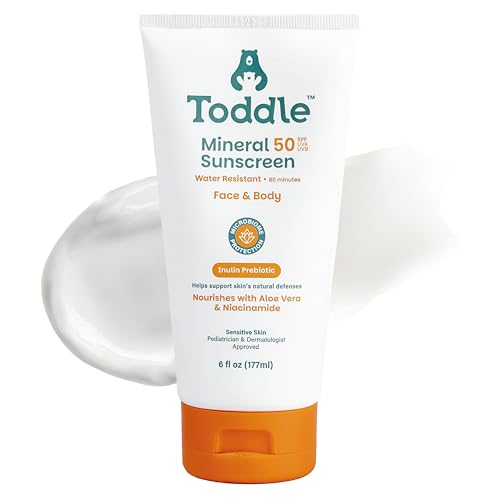
Toddle Prebiotic Mineral Sunscreen SPF 50 6 oz

Toddle Prebiotic Mineral Sunscreen SPF 50 1.7 oz
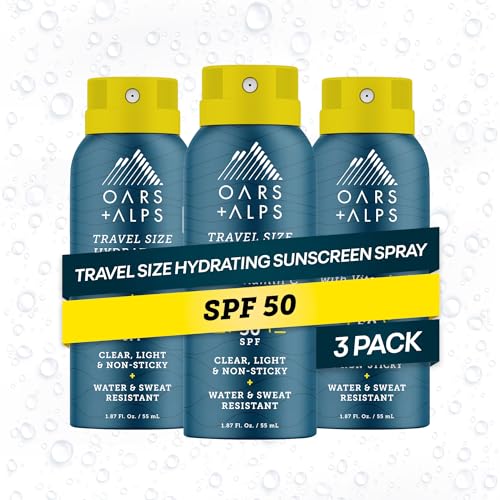
Oars + Alps SPF 50 Body Sunscreen Spray
The Picks, Examined More Closely
The 1.8-ounce California Baby Super Sensitive Sunscreen is built for short outings where carrying a full bottle would be inconvenient. Its mineral active ingredient is non-nano titanium dioxide, a physical UV filter, while the SPF 30+ label and broad-spectrum protection cover both UVA and UVB rays.
The unscented lotion works for face and body, which simplifies a rushed diaper-bag routine. For families headed to Hawaii, the formula’s reef-conscious positioning adds another consideration, although the 1.8-ounce size may need a refill during a full beach day.
Everyday Advantages
- Non-nano titanium dioxide offers mineral protection without a chemical UV filter.
- Broad-spectrum SPF 30+ coverage suits routine playground and stroller exposure.
- Water resistance lasts up to 80 minutes for swimming or active play.
- Unscented, face-and-body use reduces the number of products in your bag.
- The 1.8-ounce tube travels well and is marketed for babies six months and older.
Small Caveats
- SPF 30+ sits below the SPF 50 offered by the Toddle and Panama Jack options.
- A single small tube may not cover an entire day at the beach or pool.
Feature Snapshot
Made For
You get a convenient fit for short outings with a baby six months or older who needs an unscented mineral lotion.
Consider Something Else When
Toddle Prebiotic Mineral Sunscreen SPF 50 1.7 oz is a stronger alternative when your day outdoors is longer and SPF 50 takes priority.
The 6-ounce California Baby Super Sensitive Sunscreen is the roomier version of the travel tube, making it more practical for regular daycare runs and repeated applications. It uses the same non-nano titanium dioxide mineral filter, SPF 30+ protection, and broad-spectrum UVA and UVB coverage.
You also get an unscented formula intended for face and body, plus water resistance for up to 80 minutes. Compared with the 1.8-ounce option, the larger bottle trades some bag space for fewer refill stops, and the sensitive-skin focus remains the same.
Strengths Worth Knowing
- Six ounces suits families that apply sunscreen repeatedly during a full day.
- Mineral titanium dioxide and broad-spectrum coverage meet basic daily sun-care needs.
- The unscented, face-and-body formula keeps a busy changing routine simpler.
Things To Consider
- The 6-ounce bottle takes up noticeably more room than either travel-size lotion.
Quick Facts
Right Fit For
You benefit most from a full-size sensitive-skin lotion for regular daytime routines and home-based childcare.
Another Choice May Suit
Panama Jack Travel Size Baby Sunscreen SPF 50 3 FL OZ suits you better when compact packaging and SPF 50 matter more than bottle capacity.
Panama Jack takes a simpler route with a 3-fluid-ounce baby lotion that pairs SPF 50 with broad-spectrum UVA and UVB protection. That makes it a useful middle ground between the lighter SPF 30+ California Baby formulas and the SPF 50 Toddle lotions.
The formula is described as non-greasy and hypoallergenic, so it may appeal to families seeking a light lotion without fragrance as a primary concern. It also omits oxybenzone and octinoxate, making it a sensible option to examine when you prefer to avoid those commonly discussed sunscreen filters.
What Pays Off
- SPF 50 and broad-spectrum protection provide a useful label for extended outdoor days.
- The 3-ounce bottle balances portability with more capacity than a tiny travel tube.
Practical Considerations
- The 3-ounce bottle is less convenient for a packed diaper bag than the 1.7-ounce Toddle option.
- As with any lotion, you need enough time to spread it evenly before dressing a child.
Who Will Love This
You get an easy fit for a family wanting SPF 50 broad-spectrum lotion in a moderate travel size.
Look Elsewhere When
Toddle Prebiotic Mineral Sunscreen SPF 50 1.7 oz is the better fit for families who prioritize a zinc oxide formula and an especially compact container.
Toddle’s 6-ounce mineral sunscreen is built around non-nano zinc oxide, with SPF 50 broad-spectrum protection for both UVA and UVB rays. The formula is also positioned for sensitive skin and children six months and older, making its labeling relevant to families starting a daily sun-care routine.
Its distinguishing addition is inulin, a prebiotic ingredient associated with supporting the skin’s microbiome. You may find that detail compelling or largely unnecessary, but the no-white-cast claim, 80-minute water resistance, and generous tube make this a practical full-size option.
Why It Works Well
- Non-nano zinc oxide provides a mineral approach to broad-spectrum protection.
- SPF 50 gives families a higher labeled level than the SPF 30+ California Baby picks.
- The formula is marketed without a white cast, which matters for visible coverage on darker skin tones.
- Water resistance lasts up to 80 minutes for pool days and active outdoor play.
- Inulin adds a skin-supporting ingredient beyond the UV filter.
Possible Compromises
- The 6-ounce tube is less convenient for travel than the 1.7-ounce version.
- Families seeking the simplest possible formula may not place much value on the prebiotic positioning.
Core Details
Built With In Mind
You benefit most from a full-size SPF 50 mineral lotion for a child with sensitive skin and frequent outdoor exposure.
Where Another Pick Shines
California Baby Super Sensitive Sunscreen SPF 30+ 6 oz offers a simpler unscented mineral option for families who do not need SPF 50 or prebiotic positioning.
The 1.7-ounce Toddle tube preserves the SPF 50 mineral formula while cutting the package down for travel. Non-nano zinc oxide handles the broad-spectrum UVA and UVB protection, and the 80-minute water-resistance claim suits days involving swimming, splashing, or active play.
You also keep the inulin addition and the no-white-cast positioning found in the larger Toddle tube. For a family moving through airports, theme parks, or long car rides, that compact shape can matter more than having a generous supply at home.
Useful Strengths
- The 1.7-ounce size is easy to carry without taking up a full diaper-bag compartment.
- SPF 50, non-nano zinc oxide, and inulin retain the core attributes of the 6-ounce version.
Details To Watch
- A small tube may require a refill during a long beach day or an extended trip.
Travel Ready
You benefit most from a compact SPF 50 mineral formula for frequent travel or days spent away from home.
Swap It Out When
Toddle Prebiotic Mineral Sunscreen SPF 50 6 oz makes more sense for regular use at home, where a larger tube is easier to keep within reach.
Oars + Alps takes a different approach with a body sunscreen spray for older children and family outings. SPF 50 broad-spectrum protection covers UVA and UVB rays, while the water- and sweat-resistant formula lasts up to 80 minutes and can be applied to wet skin.
The spray can be directed at different angles, including upside down, which helps with broad body coverage. Vitamin C, alpine caribou moss, and olive leaf extract round out a formula positioned as hydrating and non-greasy, although the listing is not specifically framed as an infant sunscreen.
Features That Help
- SPF 50 broad-spectrum protection suits long outdoor days and active use.
- The formula can go onto wet skin, helping during pool or beach outings.
- All-angle spraying supports quicker coverage across the body.
- Alpine caribou moss and olive leaf extract add moisturizing ingredients.
- Octinoxate and oxybenzone are omitted from the formula.
Less-Strong Areas
- The listing does not position the spray specifically for infant use, so age guidance deserves a careful look.
- Sprays require controlled application, particularly around a child’s face.
- It offers less direct face-and-body fit than the lotions in this list.
Technical Highlights
Whose Shelf It Belongs On
You benefit most from a quick body spray for an active older child who can cooperate with application during outdoor activities.
Reach For A Different Pick When
California Baby Super Sensitive Sunscreen SPF 30+ 1.8 oz is a better fit for a baby whose face and body need direct lotion application.
What to Look for in Infant Sunscreen
Start With the Active Filter
A mineral sunscreen uses zinc oxide or titanium dioxide to form a protective layer over the skin. These formulas suit families seeking a physical UV filter, while the SPF label tells you the degree of UVB protection, and broad spectrum adds UVA coverage. Check the ingredient panel before choosing based on a mineral preference alone.
Match the Format to Your Routine
Lotion gives you more control over placement, which matters on a baby’s face, arms, and legs. A spray can cover broad body areas faster, though you still need to apply it carefully and rub it in. For travel, the 1.7-ounce Toddle and 1.8-ounce California Baby tubes take up less space than the 6-ounce options.
Plan Around Water and Play
Water resistance indicates how long the sunscreen may remain effective through water exposure, and all six choices carry an 80-minute claim. You still need to reapply according to the label, particularly after swimming, heavy sweating, toweling off, or spending long periods in the sun.
Check the Age Guidance
The age range matters because a product suited to a six-month-old is not automatically appropriate for a newborn. Compare the label, ask your child’s pediatrician for guidance when needed, and try a small area before spreading a new formula across sensitive skin.
Buying Wisely for Daily Family Use
Mistakes Worth Dodging
SPF 50 does not remove the need to apply sunscreen correctly or reapply it at the labeled intervals. Another common mistake is choosing by container size alone, since a compact tube can run out during a long day while a large bottle is awkward to carry.
What Separates Premium From Basic
The extra spend may buy a larger container, a specific mineral filter, or added ingredients such as Toddle’s inulin. It makes sense when a child has specific formula preferences or your outings require reliable 80-minute water resistance.
Frequently Asked Questions
Is Mineral Sunscreen Better for an Infant?
Mineral sunscreen may align with a family preference for zinc oxide or titanium dioxide formulas. The right choice also depends on the child’s age guidance, skin tolerance, and your ability to apply the product evenly.
Should You Choose SPF 30 or SPF 50?
SPF 30 covers less labeled UVB exposure than SPF 50, so the higher level fits prolonged outdoor exposure. For babies, routine coverage, fragrance sensitivity, and ease of application can influence the decision too.
What Does Reef-Safe Mean on a Sunscreen Label?
It generally indicates that the formula is made without ingredients commonly restricted in marine environments. You can still use it according to the label, and you should avoid directly adding sunscreen to bodies of water.
Which Size Is Best for Travel?
The 1.7-ounce Toddle tube and 1.8-ounce California Baby option take up the least space. The larger California Baby and Toddle tubes work better for regular use at home or repeated applications without refills.
How Often Should Infant Sunscreen Be Applied?
Apply it according to the product label before outdoor exposure and reapply at the stated times, including after water exposure or heavy sweating. For a newborn or an unusual skin concern, your pediatrician can help you choose an appropriate approach.
Final Verdict
Your simplest choice is the unscented 1.8-ounce California Baby tube for short outings and the 6-ounce version for regular routines. Choose the compact Toddle 1.7-ounce tube for SPF 50 and travel, while the 6-ounce version adds convenience at home. The spray fits older, active children better than babies, and Panama Jack offers a balanced SPF 50 lotion for shorter trips. Match the format, age label, and protection level to your family’s actual routine.
