

A cluttered shelf can make a simple skincare decision harder than it needs to be. You may be looking for a hydrating toner, a brighter-looking finish, or an alpha hydroxy acid, commonly called AHA, to add exfoliation without assembling a complicated routine. These options cover several of those priorities, including toners, cleansers, and a foaming wash for delicate skin.
Your Options, Compared
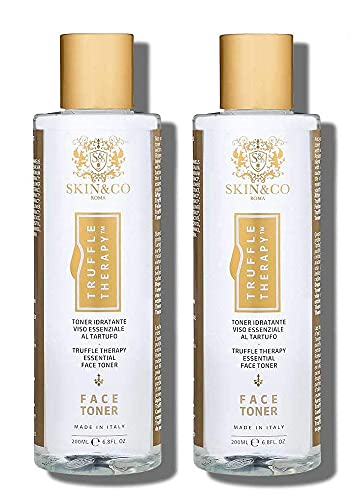
SKIN&CO Face Toner

The Ordinary 7% Glycolic Acid Exfoliating Toner
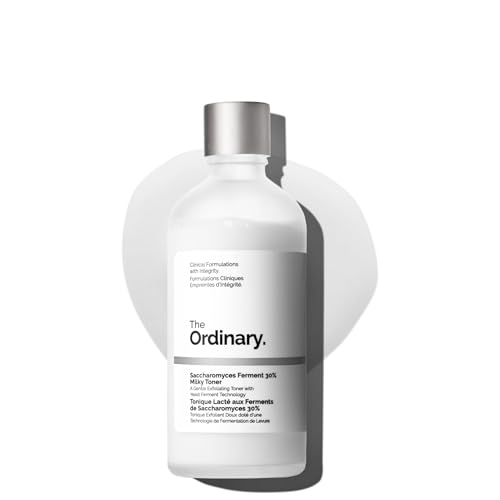
The Ordinary Saccharomyces Ferment 30% Milky Toner

The Ordinary Glucoside Foaming Cleanser 5.1 Fl Oz

QRxLabs 10% AHA Toner 6 Fl Oz

Simplified Skin 8% AHA Toner
Why These Options Stand Out
A short routine benefits from a clear division between cleansing, toning, and treatment. SKIN&CO Truffle Therapy Essential Face Toner fits the middle step, giving you a straightforward way to finish cleansing before moisturizer or another targeted product. That simplicity makes it most useful for a bathroom shelf where fewer decisions matter more than a complex ingredient lineup.
Compared with The Ordinary 7% Glycolic Acid Exfoliating Toner, this option does not center its role around a defined glycolic acid concentration. You may prefer it for a pared-back routine rather than an active exfoliation step. The honest read is that its value lies in keeping the routine organized, not in promising the brighter finish associated with an AHA formula.
Everyday Advantages
- Creates a simple layer between facial cleansing and moisturizer.
- Suits routines built around a short list of essential steps.
- Keeps your decision focused on toner function rather than a crowded routine.
Trade Offs
- It does not address the exfoliation goals that draw you to an AHA toner.
- Your routine still needs a separate cleanser before you apply it.
Made For
You get the most from this toner when you want a pared-back daily step and already know which exfoliating products, if any, belong elsewhere in your routine.
Another Choice May Suit
The Ordinary 7% Glycolic Acid Exfoliating Toner suits you better when a defined AHA concentration matters more than a basic toner role.
Glycolic acid is an AHA that loosens the relationship between surface skin cells, supporting smoother texture and a more even-looking tone. At 7%, The Ordinary Glycolic Acid Exfoliating Toner gives you a clearly defined concentration, which makes comparisons with 8% and 10% formulas much easier.
The formula is designed for daily use, and it can also be applied to the scalp to hydrate and rebalance dry scalp skin. That scalp application broadens its use beyond the face, although you may prefer a dedicated scalp product for a more targeted routine.
Everyday Perks
- The stated 7% concentration makes active strength easy to assess.
- Daily use supports a simple exfoliating-toner step after cleansing.
- Plant-derived extracts add conditioning elements around the glycolic acid.
- Scalp application gives you a second use for a dry-feeling scalp.
Points To Note
- Your routine may not need both this toner and another glycolic acid product.
Quick Facts
Right Fit For
You fit this formula well when you are new to exfoliating toners and prefer a stated concentration over an unspecified active.
A Better Fit Elsewhere
The Ordinary Saccharomyces Ferment 30% Milky Toner suits you better when hydration and a milder exfoliating concept matter more than glycolic acid.
Your skin can feel smooth without feeling stripped, which is the central appeal of this milky toner. Saccharomyces ferment comes from fermented yeast, while N-acetylglucosamine, commonly called NAG, serves as a skin-conditioning ingredient. Together, they support gentle exfoliation, improved radiance, and hydration.
The 3.4 fl oz format sits between a basic toner and a focused acid treatment. Compared with The Ordinary 7% Glycolic Acid Exfoliating Toner, you move away from a defined glycolic acid percentage and toward a yeast-based approach aimed at texture, brightness, and moisture.
Points In Its Favor
- Combines exfoliation with an emphasis on lasting hydration.
- Targets uneven texture and the appearance of dark spots.
- Works well for you when your skin needs moisture alongside exfoliation.
Small Caveats
- You may want a more direct glycolic acid concentration for precise routine comparison.
- The 3.4 fl oz bottle may require another purchase sooner than the larger options here.
Feature Rundown
Built With In Mind
You benefit most from this toner when dryness and uneven texture are both part of your skincare priorities.
Look Elsewhere When
QRxLabs 10% AHA Toner 6 Fl Oz suits you better when a more concentrated glycolic acid formula fits your established exfoliation routine.
A toner can only finish the cleansing stage properly when your skin is already clean, which is why this foaming cleanser belongs in the conversation. You can pair it with an AHA toner for a two-step routine that separates cleansing from exfoliation. It suits delicate skin, including babies, and has been accepted by the National Eczema Association.
The formula uses plant-derived surfactants, substances that help lift dirt and environmental impurities while producing foam. Unlike the acid toners in this group, its job is cleansing rather than exfoliation. That distinction keeps it useful even when your goal is a brighter, smoother-looking complexion.
Notable Upsides
- Removes dirt and environmental impurities without a stripping step.
- Supports the skin’s moisture barrier during cleansing.
- Suitability extends to babies and sensitive skin.
- Plant-derived surfactants provide a gentler cleansing approach.
- Creates a practical foundation for using a separate exfoliating toner.
Where It May Fall Short
- It does not replace a toner or provide the exfoliation provided by the acid formulas.
Core Details
Whose Shelf It Belongs On
You benefit most when someone in your household has delicate skin and you want a foaming cleanser that fits before toner.
Swap It Out When
Simplified Skin 8% AHA Toner suits you better when you want exfoliation in the toner step instead of a separate cleanser.
QRxLabs uses 10% glycolic acid, giving this toner the highest stated AHA concentration among the exfoliating toners here. That makes it the clearest choice for a routine built around a more intensive glycolic acid step. The toner refines texture while supporting a brighter, more radiant-looking complexion.
Hydration is part of the formula rather than an afterthought, which helps explain its suitability for oily and combination skin. You may find 10% more useful after your routine already includes exfoliation, while the 7% and 8% formulas offer gentler concentration points. A toner does still need to follow proper cleansing.
Where It Helps
- The 10% glycolic acid concentration makes active strength immediately clear.
- Supports smoother texture and a brighter-looking complexion.
Possible Compromises
- The higher concentration may be more than you need in a simple routine.
- Your routine may become unnecessarily complex if you already use another glycolic acid product.
- The toner remains dependent on a separate cleansing step to complete your routine.
Who It Suits Best
You suit this formula when your established skincare routine already includes exfoliation and you want a defined 10% glycolic acid step.
Where A Sibling Pick Shines
The Ordinary 7% Glycolic Acid Exfoliating Toner suits you better when a lower stated concentration better matches your routine.
An 8% glycolic acid formula lands between The Ordinary 7% option and QRxLabs 10%, giving you a clear middle point for routine planning. Simplified Skin uses that concentration to exfoliate away surface dead skin cells, which can leave your complexion looking smoother and more radiant.
The toner also works as an astringent, meaning it helps clear away oil, makeup, and impurities after cleansing. It supports your skin’s pH, a measure of how acidic or alkaline a formula is. For a straightforward exfoliating toner with several jobs, this is a practical middle option.
The Helpful Details
- The 8% glycolic acid concentration offers a clear middle ground.
- Removes surface dead skin cells for a smoother-looking finish.
- Clears makeup, oil, and impurities beyond basic toning.
- Supports the skin’s pH after cleansing.
Things To Weigh
- You may need more than one toner step for your preferred routine.
- Its glycolic acid focus does not match the hydration emphasis of The Ordinary Saccharomyces Ferment 30% Milky Toner.
Important Details
Who Should Grab It
You should choose it when you want a mid-strength glycolic acid toner for a streamlined post-cleansing step.
Reach For A Different Pick When
The Ordinary Saccharomyces Ferment 30% Milky Toner suits you better when hydration is the priority alongside exfoliation.
Find the Exfoliating Step That Fits Your Routine
Start With the Active
An AHA toner is a toner containing an alpha hydroxy acid, with glycolic acid being the most familiar option in this group. A stated percentage makes comparison easier: you can place The Ordinary at 7%, Simplified Skin at 8%, and QRxLabs at 10%. Choose the concentration that fits your established routine rather than selecting the largest number automatically.
Decide How Much Exfoliation You Want
A yeast-based toner offers a different approach from a glycolic acid formula. The Ordinary Saccharomyces Ferment 30% Milky Toner combines exfoliation with hydration, while the acid toners provide clearly defined glycolic acid strengths. You may prefer the first approach for moisture, or a percentage-led formula for routine consistency.
Keep Cleansing Separate
None of the toners cleans your face, even when they remove oil, makeup, or impurities. The Ordinary Glucoside Foaming Cleanser completes that earlier step with a plant-derived foaming format suited to delicate skin. Using separate cleanser and toner products makes your routine easier to understand and adjust.
Match the Product to Your Goal
A basic toner fits a pared-back routine, while a hydrating yeast formula suits skin that needs moisture alongside exfoliation. For a middle glycolic acid concentration, Simplified Skin offers 8%. Your existing products matter too, since adding another strong active can make your routine unnecessarily complex.
Keeping the Exfoliating Step Simple
Mistakes Worth Dodging
The most common mistake is selecting a toner by its acidic reputation without checking the concentration. Another error is treating toner as a cleanser, even though the cleansing step still needs to happen first. You can avoid both problems by matching the formula to one clear goal: hydration, gentle exfoliation, or a defined glycolic acid percentage.
What Separates Stronger From Simpler Formulas
A higher concentration can suit a routine already comfortable with exfoliation. Here, QRxLabs leads at 10%, while The Ordinary provides 7% and Simplified Skin provides 8%. A stronger formula makes sense when you have a specific reason to choose it; a simpler or hydration-focused toner may suit your needs better.
Frequently Asked Questions
What Is an AHA Toner?
An AHA toner is a facial toner formulated with an alpha hydroxy acid to support exfoliation. Glycolic acid is the most common active used in the options above.
Which AHA Toner Concentration Should You Choose?
The concentration provides a useful basis for comparison, but your established routine matters most. The Ordinary offers 7%, Simplified Skin offers 8%, and QRxLabs offers 10%.
Can an AHA Toner Replace a Face Cleanser?
No, you still need to cleanse before applying a toner. Some formulas remove oil or makeup during toning, but that does not make them a replacement for a dedicated face wash.
Which Option Focuses Most On Hydration?
The Ordinary Saccharomyces Ferment 30% Milky Toner pairs exfoliation with hydration. Its yeast ferment and N-acetylglucosamine make it a useful alternative to the glycolic acid toners.
Is The Ordinary Glucoside Foaming Cleanser An Exfoliating Toner?
No, it is a foaming cleanser rather than a toner. You can use it for the cleansing step before applying one of the exfoliating toners in this roundup.
