Address
304 North Cardinal
St. Dorchester Center, MA 02124
Work Hours
Monday to Friday: 7AM - 7PM
Weekend: 10AM - 5PM
Address
304 North Cardinal
St. Dorchester Center, MA 02124
Work Hours
Monday to Friday: 7AM - 7PM
Weekend: 10AM - 5PM


Makeup mistakes can really affect your application experience. Recognizing and correcting them is key to achieving that flawless look you want. Remember, everyone makes these errors when starting out. By learning how to avoid them, you’ll boost your confidence and enhance your makeup skills.
Always prep your skin before applying makeup. Cleanse, treat, and moisturize to ensure a smooth base and longer-lasting makeup.
Check the expiration dates on your makeup products. Using expired items can harm your skin and ruin your look.
Apply makeup in thin layers. This technique prevents a cakey appearance and allows for a more natural finish.
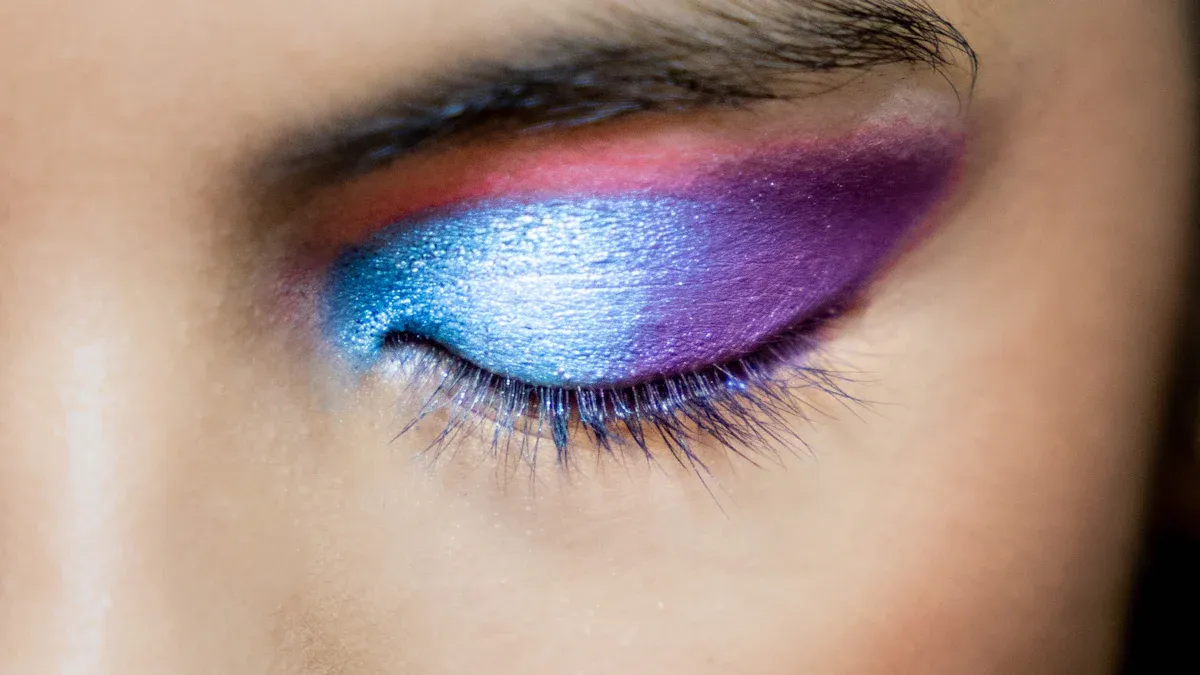
One of the most significant makeup mistakes beginners make is not prepping their skin before applying makeup. You might think that skipping this step saves time, but it can lead to a less polished look. Dermatologists emphasize that neglecting skin preparation can decrease both the durability and visual appeal of your makeup. When your skin is well-hydrated and healthy, your makeup not only looks better but also stays intact longer. So, always start with a clean face, followed by a good moisturizer and primer. This simple step can make a world of difference!
Another common makeup mistake is using expired products. Many beginners may not realize that makeup has a shelf life. Using expired products can lead to clogged pores, bacterial growth, and even skin infections. For instance, liquid makeup, especially, is prone to bacterial growth over time, increasing the risk of irritation. You should regularly check your makeup for changes in color, texture, or smell. If something seems off, it’s best to toss it. Remember, your skin health is more important than saving a few bucks on old makeup!
Here are some commonly expired items to watch out for:
Cream products like blush and foundation often dry out or change consistency.
Lip products may develop unpleasant odors or change in pigment.
Powder products can be harder to identify when expired, but changes in application are clear indicators.
Many beginners also skip sun protection as part of their makeup routine. This is a huge mistake! Studies show that a significant percentage of makeup users neglect sunscreen. Skipping it can lead to serious long-term effects, including skin cancer and premature aging. Each time you expose your skin to the sun without protection, you contribute to cumulative damage. To prevent this, always apply a broad-spectrum sunscreen with an SPF of 30 or higher before your makeup. Your future self will thank you!
Overusing product is another common makeup mistake that can ruin your look. You might think that applying more makeup will give you a flawless finish, but it often leads to a cakey appearance. Professional makeup artists recommend using a light hand and starting with thin layers. This way, you can build coverage gradually without overwhelming your skin. Remember, less is often more! If you find yourself applying too much, take a step back and reassess.
Here are some tips to avoid overuse:
Use a light hand when applying makeup.
Start with a thin layer to achieve a natural finish.
Build coverage gradually to avoid a heavy look.
By being mindful of these common makeup mistakes, you can enhance your application skills and achieve a more polished look.
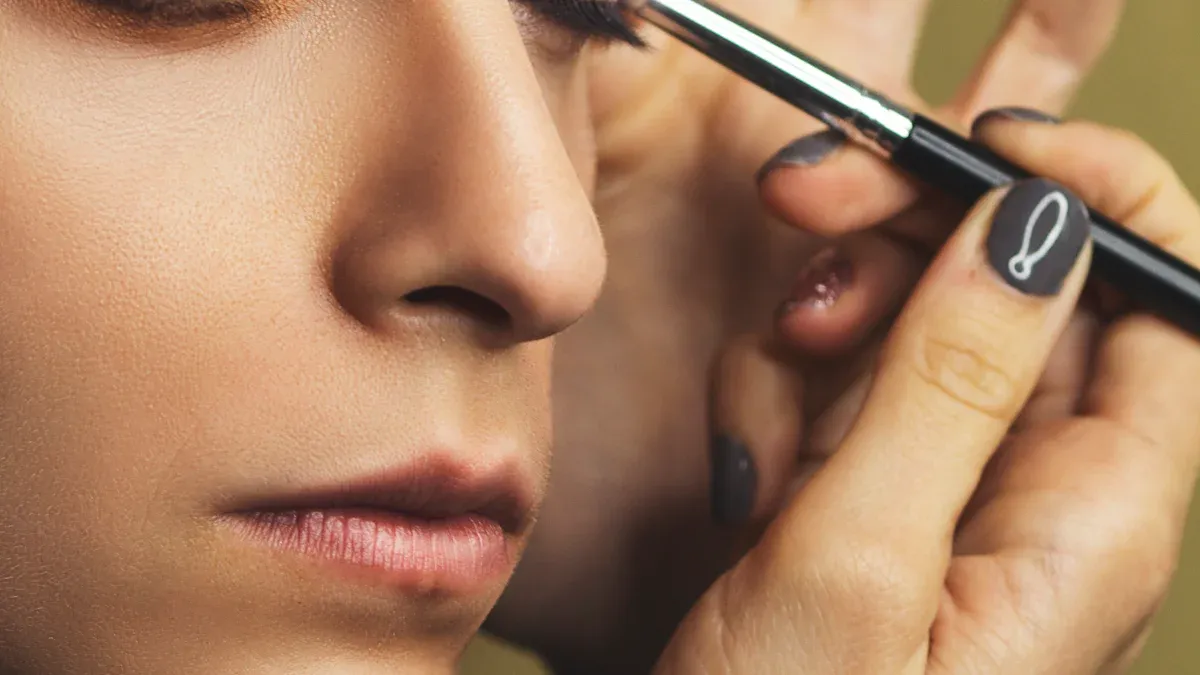
To achieve a flawless makeup application, you must start with proper skin prep. This step is crucial for ensuring your makeup adheres well and lasts longer. Here’s a simple routine you can follow:
Cleanse: Use a pore-penetrating cleanser to remove impurities and excess oil. A product with salicylic acid works wonders for unclogging pores.
Treat: Apply an alpha hydroxy acid exfoliating treatment to slough off dead skin cells. This helps create a smoother canvas for your makeup. If you have specific blemishes, consider using a clear-drying spot treatment.
Moisturize: Incorporate hydrating ingredients like hyaluronic acid. This will give your skin a plump, dewy base that enhances your makeup’s appearance.
Proper skin preparation not only improves the look of your makeup but also increases its wear time. Studies show that well-prepped skin enhances makeup adherence, leading to a more polished finish.
Selecting the right makeup products is essential to avoid common makeup mistakes. Different skin types require different product qualities. Here’s a quick guide to help you choose wisely:
Skin Type | Product Qualities | Application Techniques |
|---|---|---|
Oily | Long-wearing, oil-free, mattifying | Use face powder to absorb oil, apply eyeshadow primer, and finish with setting spray. |
Dry | Creamy, dewy finish, hydrating | Apply eye cream before concealer and avoid powder for a fresh look. |
Combination | Satin finish, buildable | Apply powder only on the T-zone and use highlighter on cheekbones. |
When selecting foundation, always test shades in natural light to find your perfect match. Understanding your skin’s undertones—whether warm, cool, or neutral—will help you avoid mismatched makeup.
One of the best beginner makeup tips is to apply products in thin layers. This technique prevents a cakey appearance and allows you to build coverage gradually. Start with a small amount of product and blend it out. If you need more coverage, add another layer. This method not only looks more natural but also helps you avoid the common mistake of overusing product.
Setting your makeup is crucial for ensuring it lasts throughout the day. Here are some effective methods to consider:
Use a Primer: A good primer helps your makeup adhere better and smooths skin texture.
Use a Setting Powder: This provides a matte finish and keeps your makeup in place.
Hydrate Your Skin Properly: Proper hydration enhances makeup longevity.
Blot Out Oil: Use blotting papers to remove excess oil without adding more makeup.
Choose Long-Lasting Products: Opt for products designed for longevity.
Apply Your Makeup Like a Makeup Artist: Use the right techniques and tools for application.
Different skin types may benefit from different setting products. For example, setting powders work well for oily skin, while setting sprays can provide a natural finish for all skin types.
By implementing these solutions, you can significantly improve your makeup application and avoid common mistakes. Remember, practice makes perfect, so don’t hesitate to experiment with these tips!
Being aware of makeup mistakes is crucial for improving your skills. Recognizing these errors helps you apply makeup more effectively and confidently. Implementing the solutions we discussed can lead to a more polished look.
Take a moment to reflect on your makeup habits. Are there areas where you can improve? Try out the tips shared in this post and watch your makeup game elevate!
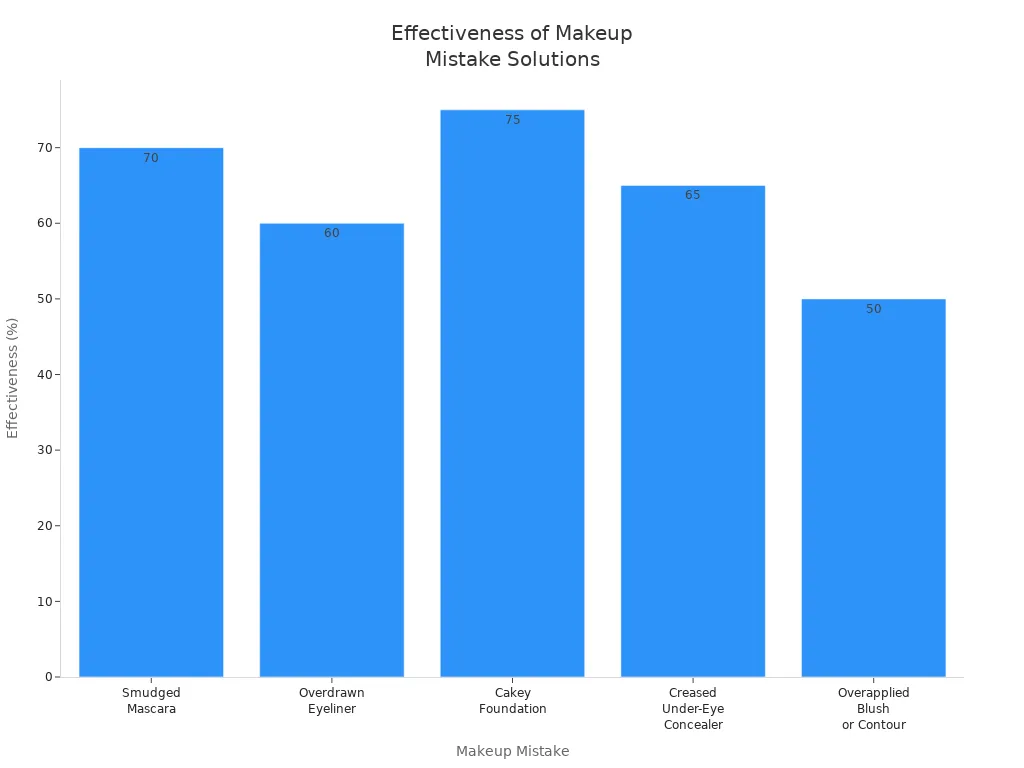
Here’s a quick look at some common makeup mistakes and effective solutions:
Makeup Mistake | Solution | Effectiveness |
|---|---|---|
Smudged Mascara | Gently wipe away with a cotton bud dipped in micellar water | 70% |
Overdrawn Eyeliner | Use eye-makeup remover on a slightly damp cotton bud | 60% |
Cakey Foundation | Dampen a sponge, dab on face, and use setting spray | 75% |
Creased Under-Eye Concealer | Smooth out with a brush or fingers, then set with powder | 65% |
Overapplied Blush or Contour | Use a sponge or brush to blend, or apply translucent powder | 50% |
Use a gentle makeup remover or micellar water. Apply it with a cotton pad, then cleanse your face to ensure all makeup is gone.
Replace liquid makeup every 6-12 months and powder products every 2-3 years. Always check for changes in smell or texture.
Yes, but choose hypoallergenic and fragrance-free products. Always do a patch test before applying new makeup to your face.

