

If your skin feels dull, slightly rough, or just one exfoliation session away from looking tired, enzyme-based cleansing is worth a closer look. These formulas use gentle fruit-derived enzymes to loosen dead cells instead of scrubbing them away, which suits sensitive or reactive complexions that find acids too harsh. The eight picks below span creamy washes, water-activated powders, foaming oils, and serums, so you can match the format to your routine and skin type.
Your Options, Compared

TATCHA The Rice Wash Soft Cream Cleanser

La clear Pure Mild Enzyme Powder Cleanser

JAXON LANE Shake and Wake Enzyme Powder Face Wash for Men, 4 Pack
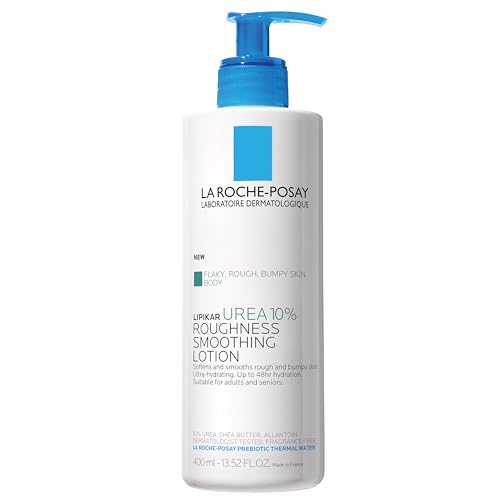
La Roche-Posay Lipikar Urea 10% Body Lotion

The Face Shop Rice Water Bright Enzyme Powder Wash

La Roche-Posay Lipikar AP+MAX Triple Repair Body Cream

La Roche-Posay Lipikar AP+ Gentle Foaming Cleansing Oil

Earth Harbor Sunshine Dew Oil Cleanser
Meet The Standout Selections
TATCHA’s The Rice Wash takes a different angle than the powder cleansers that dominate this list. Instead of a foaming enzyme, you get a soft cream built around Japanese rice powder that releases a low, milky lather on damp skin. Hyaluronic acid and an Okinawa algae blend are included to push hydration back in while the rice powder does the gentle resurfacing work.
For commuters dealing with city grime or anyone whose skin reads as “tight” by mid-afternoon, the cream format cushions the cleanse rather than stripping it. Compared with the foaming oils later in this roundup, this one leans nurturing rather than clarifying, which makes it a natural fit for drier or more mature skin types.
Advantages To Know
- Rice powder offers physical-soft exfoliation without scratchy grains
- Ceramides support the moisture barrier so skin feels replenished post-wash
- Hyaluronic acid and algae help maintain plumpness in drier climates
- Low-foam texture suits people who dislike squeaky-clean tightness
Honest Caveats
- Lighter exfoliation than true enzymatic powders, so dullness may need a stronger companion product
- Cream format leaves a faint residue that oily skin types may want to follow with a second cleanse
Quick Facts
Made For
Anyone with dry, easily dehydrated, or more mature skin who wants enzyme-level brightening without the tight, stripped finish.
Look Elsewhere When
Oilier or breakout-prone skin will likely prefer the deeper-clean feel of the JAXON LANE Shake and Wake Enzyme Powder Face Wash, which targets buildup more directly.
La clear’s Pure Mild Enzyme Powder Cleanser is the quiet workhorse of the bunch. The 2.47 oz jar holds a fine powder you tip into wet palms, where it transforms into a creamy lather. Allantoin sits at the heart of the formula, which is a soothing compound often paired with calming routines for reactive complexions.
Because the powder is mixed fresh each use, you skip the preservatives that liquid cleansers rely on, which is a small win for anyone whose skin flares at the first sign of fragrance or extra additives. For first-time enzyme users, the gentle positioning and broad suitability make this an easy entry point.
What Earns Its Place
- Allantoin adds a calming layer suited to sensitive or post-treatment skin
- Powder format means no water-based preservatives sitting in the jar
- Lathers into a soft, cushioned foam that rinses clean
Trade-Offs To Consider
- 2.47 oz size runs out faster than larger liquid cleansers, so heavy users may need to reorder sooner
- Mild exfoliation only; those chasing visible brightening may want to pair it with a stronger serum
Who It Suits Best
Newcomers to enzyme cleansing with sensitive or acne-prone skin who want a low-risk, soothing daily wash.
Consider Something Else When
If your main concern is uneven tone rather than sensitivity, The Face Shop Rice Water Bright Enzyme Powder Wash layers in rice-derived brightening that this formula doesn’t lean on.
JAXON LANE designed this powder for skin that produces a lot of oil by mid-day. The 4-pack configuration ships each 1.4 oz shaker separately, which keeps the enzymes stable until water wakes them up in your palm. Pineapple and papaya enzymes sit alongside aloe to lift surface buildup without leaving the skin barrier feeling attacked.
For anyone who trains outdoors, wears a helmet on the commute, or simply wants a more matte finish after cleansing, the foaming texture and targeted fruit enzyme blend are a step up from a basic foaming face wash. Compared with the calming La clear option above, this one reads as the more active, clarifying sibling.
Features That Help
- Pineapple and papaya enzymes target oil and dead-cell buildup at the surface
- Aloe supports comfort so post-cleanse tightness is minimal
- Four-pack format spreads cost across multiple shakers, useful for gym bags or travel
- Water-activated formula means no soggy, preservative-heavy jar
Less Ideal Details
- Not the right choice for very dry skin, which may want a creamier counterpoint
- Smaller individual shakers mean each one needs replacing more often than a single large tub
Quick Facts
Best Suited To
Active users with oilier or breakout-prone complexions who want a frequent-use enzyme cleanse that travels well.
A Better Fit Elsewhere
Anyone prioritizing calming over clarifying will appreciate TATCHA’s The Rice Wash instead, since its creamy texture suits drier skin far better.
Strictly speaking, the La Roche-Posay Lipikar Urea 10% Body Lotion is not a face cleanser, but it earns its slot because it solves the same dullness-and-roughness problem from the other end. The 13.52 oz pump bottle carries a 10% urea formula blended with shea butter and allantoin to smooth everything from knees to upper arms. Urea is a humectant that also gently dissolves the bonds between dead skin cells.
Pairing an enzyme face wash with a urea body lotion is the move for people whose skin reads rough from collarbone down, especially during colder months. The non-sticky, fast-absorbing texture makes it easier to layer under clothing than richer balms.
Well-Handled Touches
- 10% urea softens rough patches while drawing moisture into the stratum corneum
- Shea butter replenishes the skin’s lipid layer for lasting comfort
- Large 13.52 oz pump covers full-body use without constant replacement
Things To Consider
- Not a true facial product, so it complements rather than replaces an enzyme face wash
- Active skin or fresh waxing may sting, so apply it on calm, intact skin
Right Fit For
Anyone whose body skin looks or feels rough and wants a smoothing partner to go with a daily enzyme face cleanser.
Swap It Out When
For a richer allover barrier strategy, the La Roche-Posay Lipikar AP+MAX Triple Repair Moisturizing Body Cream is the heavier sibling with more lipid-repair focus.
The Face Shop’s Rice Water Bright Enzyme Powder Wash is the Korean skincare entry on this list, and it leans into a multi-acid approach rather than enzymes alone. Papaya and pineapple enzymes share the formula with AHAs and PHAs, while rice extract and rice bran layer in a brightening story for dull, uneven complexions. The 55g jar dispenses a fine powder that morphs into a low, milky foam.
Compared with TATCHA’s cream-based Rice Wash earlier, this powder version turns up the resurfacing volume. Anyone already using a vitamin C serum or a niacinamide step will find this pairs well as the polish in the routine.
The Case For It
- Triple-action blend of fruit enzymes plus AHAs and PHAs for stronger daily resurfacing
- Rice extract and rice bran support a brighter, more even-looking finish
- Powder format stays stable until mixed, helping preserve active potency
Points To Note
- Higher resurfacing load means sensitive skin should test on a small patch first
- Daily use alongside other acids can over-exfoliate, so pairing with a strong retinoid needs care
- Smaller 55g jar means refills come sooner than larger cream cleansers
Feature Snapshot
Perfect Match For
Skin that reads dull or uneven and tolerates layered resurfacing, especially those already running a brightening routine.
Reach For A Different Pick When
Sensitive or barrier-stressed complexions are better served by the La clear Pure Mild Enzyme Powder Cleanser, which keeps the enzyme level lower and skips the extra acids.
The Lipikar AP+MAX Triple Repair Moisturizing Body Cream is the heavy lifter of the roundup, built for severely dry skin that flakes, itches, or reacts to most lotions. The triple-repair positioning leans on replenishing essential lipids to rebuild the protective barrier, while keeping the texture wearable rather than waxy.
Where the Lipikar Urea 10% lotion focuses on smoothing with chemical exfoliation, this cream is about rebuilding lipids first. The two pair naturally if your skin needs both softening and barrier repair, especially in dry winter climates or post-shower routines.
Why It Works Well
- Lipid-replenishing base targets the source of dry-skin discomfort
- Designed for sensitive, easily reactive skin
- Useful companion to a daily enzyme face cleanser for head-to-toe routine consistency
Practical Considerations
- Richer feel may feel heavy on humid summer days or naturally oily areas
- Best used on body skin rather than the face, where a lighter formula may be preferred
Whose Shelf It Belongs On
Anyone with severely dry, eczema-prone, or barrier-compromised skin who needs a heavy-duty body cream alongside a gentle facial routine.
Not Your Match When
Mildly dry skin that just needs a touch of smoothing will likely find the La Roche-Posay Lipikar Urea 10% Body Lotion lighter and more daily-friendly.
The Lipikar AP+ Gentle Foaming Cleansing Oil flips the usual order of operations. You apply the oil first to dry skin, then add water, and the formula transforms into a light foam that lifts dirt without stripping. Shea butter anchors the moisture side, which is unusual for a foaming cleanser and a real plus during dry seasons.
Anyone whose face feels tight after a typical foaming wash will find this hybrid texture a useful bridge. Compared with the JAXON LANE powder, which leans clarifying, this one trades deep oil removal for comfortable softness.
Real-World Strengths
- Shea butter delivers in-shower hydration, especially helpful for dry climates
- Foaming-oil format removes sunscreen and grime without tight post-cleanse feel
- Suits both face and body, which simplifies shared bathroom routines
Soft Spots
- Oil base can feel slick during rinse-off, which takes a little practice to manage without mess
- Not designed for heavy makeup removal the way a dedicated cleansing oil is
Who Should Grab It
Anyone with dry or sensitive skin who finds traditional foaming cleansers too stripping but still wants a foaming experience.
Where A Sibling Pick Shines
If your main goal is removing long-wearing makeup, the Earth Harbor Sunshine Dew Oil Cleanser is built specifically for that job with a papaya enzyme boost.
Earth Harbor’s Sunshine Dew rounds out the list with a 2 fl oz cleansing oil that leans on papaya enzymes for the chemical side of cleansing and a blend of sea kelp, meadowfoam, and jojoba oils for the conditioning side. The pitch is straightforward: dissolve waterproof makeup, rinse clean, and leave skin firm and bright without any greasy after-feel.
For anyone who wears foundation, sunscreen, or long-wear lip color daily, this is the practical first step before a water-based enzyme cleanser like La clear or TATCHA. The citrus and vanilla bean layering also gives it a sensory edge over purely functional oils.
What Pays Off
- Papaya enzymes help break down pore-clogging proteins as the oil lifts makeup
- Sea kelp and jojoba mirror skin’s natural sebum for a non-greasy rinse
- Antioxidant-rich oils target dullness and early signs of environmental stress
- Lightweight texture rinses clean without a heavy film
Worth Bearing In Mind
- Citrus oils can be a concern for very sensitive skin, so a patch test is wise
- Small 2 fl oz bottle means regular replacement for daily users
- Works best as a first cleanse in a double-cleansing routine
Feature Rundown
Who Will Love This
Makeup wearers and anyone dealing with stubborn sunscreen residue who wants an enzyme-driven first cleanse that doesn’t leave an oily film.
Skip It When
Skin that prefers a foaming experience or reacts to citrus notes should reach for the La Roche-Posay Lipikar AP+ Gentle Foaming Cleansing Oil instead.
Choosing the Right Enzyme Cleanser for Your Skin
Picking an enzyme face cleanser comes down to format, exfoliation strength, and how reactive your skin already is. Cream washes like TATCHA’s The Rice Wash lean hydrating and suit drier complexions, while water-activated powders such as the La clear and JAXON LANE options give more lift against oil and buildup. Cleansing oils like Earth Harbor’s Sunshine Dew work best as a first step for makeup wearers, and foaming hybrids from La Roche-Posay bridge the gap between comfort and a foam-rich experience.
Match the format to your barrier. Sensitive or post-treatment skin usually prefers low-strength enzyme options without extra acids, while resilient complexions tolerate layered formulas such as The Face Shop’s Rice Water Bright blend. For body skin that mirrors facial dryness, urea lotions and lipid-rich creams from the same brand family extend the smoothing routine from neck to toes.
Things To Weigh Before You Add To Cart
Pitfalls Shoppers Hit
Many shoppers grab the strongest exfoliating formula without checking what their barrier can handle. Enzymes are gentler than acids, but pairing a multi-acid powder with a strong retinoid can still tip skin into over-exfoliation. Starting every other day and watching for tightness or redness is a smarter ramp-up.
Another common slip is treating body lotions like face products. The La Roche-Posay Lipikar Urea 10% Body Lotion and AP+MAX Triple Repair cream are excellent for body skin, but they can clog facial pores or sting if misapplied to compromised areas.
Why Top Tier Costs More
Premium enzyme cleansers tend to combine more active layers, like TATCHA’s rice powder plus ceramides or The Face Shop’s triple enzyme and acid blend. You also pay for packaging that preserves activity, such as shakers and pumps that protect powders from moisture and oils from oxidation. The upgrade is worth it for anyone who has tried basic formulas and wants stronger brightening or a richer post-cleanse feel.
Frequently Asked Questions
How often should I use an enzyme face cleanser?
Most enzyme cleansers work well once or twice a day, depending on the strength of the formula and how reactive your skin tends to be. Start with daily evening use and adjust if you notice dryness or sensitivity.
Are enzyme cleansers safe for sensitive skin?
Enzyme cleansers are generally well tolerated by sensitive skin because they avoid the higher acid strengths found in chemical peels. Powder formulas like La clear’s Pure Mild option are a gentle entry point.
Can I use an enzyme cleanser with retinol or acids?
Yes, but introduce them on different days or different times of day to avoid over-exfoliation. Sensitive skin may do best alternating an enzyme cleanser with a retinol night and skipping acids on active days.
Do enzyme cleansers remove sunscreen and makeup?
Powder enzyme washes lift light residue, but waterproof makeup and long-wear sunscreen come off more reliably with a cleansing oil like Earth Harbor’s Sunshine Dew as a first step.
How long does a powder cleanser usually last?
Most powder cleansers last roughly two to three months with daily use, depending on the jar size and how much you dispense. Smaller shakers like JAXON LANE’s 1.4 oz sizes run out faster and benefit from multi-pack value.
The Takeaway
Enzyme face cleansers offer a softer path to brighter, smoother skin, especially when you match the format to your skin type. Powder formulas handle buildup, creams cushion dryness, and oil cleansers tackle makeup before the water-based step. Whichever you choose, easing in slowly and pairing with a barrier-friendly moisturizer keeps the routine sustainable.
