

Your hair works hard for you, so it deserves a routine that actually delivers. If dry ends, flaky scalp, or brittle strands have become the norm, a high-quality organic coconut oil can be a quiet game-changer in your wash-day lineup. The trick is knowing which formulas stay pure, which ones behave well on textured hair, and which simply smell like a tropical vacation. The picks below cover cooking-grade staples, fractionated standbys, argan alternatives, and castor oils that earn their place next to coconut in a natural hair routine.
A Quick View Of The Lineup

Island Fresh Organic Coconut Oil, Extra Virgin, Cold-Pressed, 54 fl oz
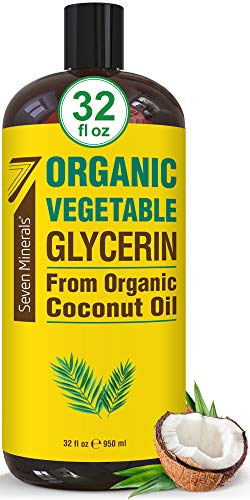
Seven Minerals Organic Vegetable Glycerin 32 fl oz

Carrington Farms Organic Extra Virgin Coconut Oil 84 fl oz

Soapeauty Argan Oil Refined 32 fl oz

Kirkland Signature Organic Coconut Oil 84 fl oz

PURA D’OR Organic Fractionated Coconut Oil 16oz

PURA D’OR Organic Castor Oil Glass Bottle 16.9oz

PURA D’OR Organic Castor Oil 4oz

PURA D’OR Organic Jamaican Black Castor Oil 4oz
A Closer Look At Each Pick
If you want one bottle that handles both weeknight cooking and a pre-shampoo hair mask, Island Fresh earns its spot on your shelf. The extra-virgin, cold-pressed extraction means the oil keeps its naturally occurring fatty acids, which is exactly what makes coconut oil such a strong match for parched strands. You get the same warm, tropical aroma you’d expect from a fresh-pressed coconut, without any added fragrance to compete with your other products.
For hair routines specifically, the 54-fluid-ounce size is generous enough to cover a scalp treatment, a deep conditioner, and several body moisturizing sessions without running dry mid-month. Texture is on the firmer side at room temperature, so you may find it easiest to scoop a small amount, warm it between your palms, and work it through damp ends. Compared to the castor options later in this list, Island Fresh feels lighter and more versatile, which is why it suits people who split their oil time between the kitchen and the bathroom.
What Stands Out
- Single-ingredient formula with nothing added or stripped away
- Large 54-fluid-ounce size that outlasts most hair-only oils
- Works equally well as a pre-wash treatment and a cooking fat
- Solid at room temperature, so it stays tidy on the counter without leaking
- Comes from a category known for sustainable sourcing in tropical regions
Trade-Offs To Weigh
- Firm texture means it needs warming before you can apply it to hair
- Strong coconut aroma may clash with strongly scented styling products
Feature Snapshot
Whose Vanity It Belongs On
Shampoo-and-conditioner loyalists who want one organic oil that moonlights in the kitchen.
Reach For A Different Pick When
Anyone who wants a lightweight liquid for daily scalp massage should look at PURA D’OR’s fractionated coconut oil instead.
Seven Minerals isn’t a straight coconut oil, but it earns its place on a hair-care list because vegetable glycerin, a humectant that pulls moisture from the air into your hair, is often derived from coconut and pairs beautifully with coconut oil in custom masks. If you’ve been mixing your own leave-in sprays or detangling mists, this bottle gives you a single-ingredient base with no palm oil in the mix. You get 32 fluid ounces, which is plenty for experimenting without committing to a tiny trial bottle.
The clear, syrupy texture blends quickly into water-based recipes, so you can layer it into a spritz bottle with distilled water and a few drops of your favorite carrier oil. For hair routines, glycerin helps curls hold definition on humid days and keeps low-porosity strands from feeling crunchy. This is a different beast from the heavy cold-pressed coconut oils earlier, and it’s the right tool when your hair drinks up moisture more easily than it holds onto oils.
A Few Highlights
- Single-ingredient formula with no palm oil or additives
- Large 32-fluid-ounce bottle for ongoing DIY projects
- Mixes cleanly into water-based sprays and masks
Honest Caveats
- Not a standalone styling product, so it works best as a recipe ingredient
- Can leave hair feeling sticky in very dry indoor environments if overused
Right Fit For
DIY mixologists who build their own hair sprays, detanglers, and deep-conditioning recipes at home.
Swap It Out When
Someone who wants a ready-to-use hair oil without any blending should reach for Island Fresh Organic Coconut Oil instead.
Carrington Farms leans into scale. At 84 fluid ounces, this jar is built for households where coconut oil moves from the sauté pan to the bathroom counter without anyone blinking. The extra-virgin extraction keeps the naturally occurring lauric acid intact, which is the fatty acid hair fibers love for smoothing down the cuticle and sealing in moisture after a wash.
If your routine leans heavily on oil-based pre-poo treatments, scalp massages, or DIY whipped body butters, the larger jar cuts down on packaging waste and the constant reordering. You may find that 84 fluid ounces feels oversized for a single-person bathroom, so this shines in shared homes where everyone reaches for the same jar. Texture-wise it matches Island Fresh closely, so think of this as the volume version rather than a different product.
Notable Gains
- Generous 84-fluid-ounce size for high-volume users
- Extra-virgin extraction to retain hair-loving fatty acids
- Multi-purpose jar that handles cooking, baking, and beauty routines
- Reduces how often you need to reorder staples
Points To Note
- Large jar takes up real shelf space in smaller bathrooms
- Solid at room temperature, so it needs warming before hair application
Feature Snapshot
Who Should Grab It
Families and heavy users who burn through coconut oil for both cooking and weekly hair treatments.
Consider Something Else When
Solo users with limited counter space will find Island Fresh’s 54-fluid-ounce bottle easier to manage.
Not every hair type loves the heaviness of straight coconut oil, which is where Soapeauty’s argan oil steps in as a friendly middle ground. Argan oil is lighter on the strand and absorbs faster, so fine or thin hair that gets weighed down by coconut oil often takes to argan without complaint. The refined version has a softer scent profile, which keeps it from competing with leave-in conditioners or styling mists.
At 32 fluid ounces, the bottle is generous for an argan product, and it works as a carrier oil for diluting essential oils if you build your own scalp treatments. For hair, you can smooth a few drops through damp ends after washing or massage it into the scalp before bed. Compared to the cold-pressed coconut oils above, this feels silkier and less waxy, which is the trade-off for switching oils entirely.
What It Does Well
- Lighter texture that suits fine or low-porosity hair
- Refined finish with minimal competing scent
- Doubles as a carrier oil for DIY essential oil blends
- 32-fluid-ounce size covers long-term daily use
Things To Consider
- Not a true coconut oil, so it misses lauric acid’s hair-specific benefits
- Argan oil typically costs more per ounce than coconut alternatives
Best Suited To
Fine-haired folks who find coconut oil too heavy but still want a plant-based daily hair oil.
Not Your Match When
Curly and coily textures craving richer sealing moisture should stick with Island Fresh Organic Coconut Oil.
Kirkland Signature’s coconut oil sits in the same bulk-tier category as Carrington Farms but pulls in a different shopper. The unrefined, cold-pressed extraction keeps the oil in its natural state, which means hair benefits from the same fatty acid profile that makes any extra-virgin coconut oil a useful styling and treatment ingredient. The 84-fluid-ounce format rewards shoppers who plan ahead and refill smaller bottles for daily bathroom use.
For hair routines, the oil behaves like a classic solid-at-room-temperature coconut oil: scoop, warm in the hands, and work through the ends or onto the scalp. It’s also marketed as a butter-and-oil replacement for cooking, so it bridges the kitchen-and-vanity gap nicely. One difference worth flagging: this jar is built for big households, so solo users may find it hard to finish before the oil approaches its flavor and aroma best-by window.
The Practical Payoff
- Unrefined cold-pressed extraction for full fatty acid content
- Large 84-fluid-ounce jar suited to shared households
- Works as both a hair treatment and a cooking fat
- Solid format that stores cleanly on a pantry or bathroom shelf
Factors To Consider
- Large jar may be more than single users can finish comfortably
- Solid texture means a few seconds of warming before applying to hair
Feature Snapshot
Made For
Multi-person households that want one organic coconut oil jar covering cooking, baking, and hair care.
Look Elsewhere When
Anyone wanting a smaller, easier-to-store jar should pick Island Fresh Organic Coconut Oil at 54 fluid ounces.
Fractionated coconut oil is a different cut of the same fruit. The long-chain triglycerides that make regular coconut oil solid at room temperature are removed, leaving a lightweight liquid that stays pourable in any climate. PURA D’OR’s version leans into that convenience, giving you a 16-ounce bottle that fits neatly on a bathroom counter or in a gym bag without melting into a puddle.
For hair, the liquid format means no warming or scooping. You can pump a small amount straight onto the scalp for a pre-shampoo massage or smooth it through damp ends after a wash. MCT-rich oils like this tend to absorb faster than their solid counterparts, which helps if you’re impatient or have low-porosity strands that reject heavy sit-downs of oil. Compared to Island Fresh, this feels noticeably airier on the hair, with less risk of leaving a greasy cast when you overdo the dose.
Advantages To Know
- Liquid at all temperatures, so no melting or scooping needed
- 16-ounce bottle is portable for travel and gym bags
- Lightweight finish suitable for low-porosity hair
- Useful as a carrier oil for essential oil scalp blends
Softer Spots
- Smaller bottle means more frequent reordering for daily users
- Lighter texture may not seal in moisture as long as solid coconut oil
Who It Suits Best
Daily users who want a fuss-free liquid oil for scalp massage and post-wash sealing.
A Better Fit Elsewhere
People who prefer scooping a thick, traditional coconut oil should stick with Carrington Farms Organic Extra Virgin Coconut Oil.
Castor oil sits next to coconut oil in the natural hair-care playbook, and PURA D’OR’s glass-bottled version gives you the experience with extra packaging polish. The cold-pressed extraction keeps the oil rich in ricinoleic acid, the fatty acid hair-care enthusiasts credit with supporting thicker-looking lashes, fuller brows, and a healthier scalp environment over time. The glass bottle protects the oil from light exposure better than plastic, which helps preserve freshness between uses.
Castor oil is thicker and more viscous than coconut oil, so a little goes a long way. Most people apply it with a small dropper or spoolie to the lash line and brow area, or massage a coin-sized amount into the scalp before washing. For hair routines, you can also blend it with the fractionated coconut oil above to loosen the texture. Compared to the smaller PURA D’OR castor bottle later in this list, the 16.9-ounce size gives more runway for daily users.
What Earns Its Place
- Cold-pressed extraction for full nutrient content
- Glass bottle shields the oil from light degradation
- 16.9-ounce size for multi-month daily routines
- Works on lashes, brows, scalp, and strands
Worth Noting
- Very thick consistency means it resists blending into lighter oils
- Glass packaging adds weight if you travel with it often
Perfect Match For
Routine-focused shoppers building a lash, brow, and scalp ritual who want fresher-tasting oil protected by glass.
Skip It When
First-timers who only want a small bottle to test castor oil should start with PURA D’OR Organic Castor Oil 4oz.
The 4-ounce bottle is the same cold-pressed castor oil in a friendlier intro size. For anyone curious about castor oil but unsure whether their hair or skin will respond to its thick texture, this format lowers the commitment. The smaller bottle also travels well in a dopp kit or weekend bag, so it works for people who rotate products between home and a second location.
In practice, the oil behaves the same as its larger sibling. You can sweep a tiny amount across brows and lashes with a clean spoolie, or work a few drops into the scalp before shampooing. Some folks find that mixing a drop of castor oil with a larger volume of fractionated coconut oil creates a more spreadable scalp treatment. Compared to the glass-bottled version, this bottle is lighter and easier to toss in a gym bag, which is the main reason to pick it.
Where It Excels
- Compact 4-ounce size for travel and trial use
- Cold-pressed to retain beneficial fatty acids
- Versatile for lash, brow, and scalp routines
Some Limits To Know
- Tiny bottle runs out fast for daily scalp users
- Plastic packaging exposes oil to light more than glass alternatives
- Higher cost per ounce than the larger castor bottle
Built With In Mind
First-time castor oil users who want a small bottle to test before committing to a larger size.
Where A Sibling Pick Shines
Daily users will save by switching to PURA D’OR Organic Castor Oil in the 16.9-ounce glass bottle.
Jamaican black castor oil is roasted before pressing, which gives the final product a deeper color, a slightly smoky aroma, and a thicker consistency than standard yellow castor oil. PURA D’OR’s version is cold-pressed and USDA certified, so you still get the same fatty acid profile without the harsh solvent residue that some cheaper castor oils carry. For textured hair types, that thickness is a feature rather than a flaw: it grips strands more firmly, which makes it a strong match for twists, locs, and protective styles.
The smoky scent is the most distinctive detail. Some people love the roasted, almost coffee-like aroma, while others find it polarizing compared to lighter oils. You can work a small amount along parted sections before styling or use it as a sealing layer over leave-in conditioner. Compared to the standard PURA D’OR castor bottle earlier, this one trades a softer scent for more holding power on textured strands.
Strong Points
- Thick, roasted formula grips textured hair and locs well
- Cold-pressed extraction without hexane solvents
- USDA certified organic for ingredient transparency
- 4-ounce size is portable and beginner-friendly
Room For Improvement
- Smoky scent can clash with fragrant hair products
- Very thick texture makes it harder to spread without warming
- Tiny bottle may not last for full scalp-treatment routines
Quick Facts
Who Will Love This
Anyone with coily, kinky, or loc’d hair who wants a rich sealing oil with a traditional roasted profile.
Where Another Pick Suits Better
People who prefer a milder scent and a thinner consistency should try PURA D’OR Organic Fractionated Coconut Oil.
How To Match Organic Coconut Oils To Your Hair Goals
Cold-Pressed vs. Refined
Cold-pressed means the oil is extracted without heat or chemical solvents, so the fatty acids your hair actually responds to stay intact. Refined versions are bleached or deodorized for a neutral scent and clearer color, but they often lose some of the nutrients in the process. For hair care specifically, cold-pressed is the safer default unless you actively dislike the coconut aroma.
Refined coconut oil has its place when you want a light scent that won’t compete with your styling products. People with fragrance sensitivity also tend to reach for refined versions because the processing strips away most of the natural coconut aroma. The trade-off is that you may sacrifice some of the moisturizing richness that makes the cold-pressed options so popular.
Solid vs. Fractionated
Solid coconut oil is the classic jar you scoop and warm between your palms. It seals in moisture well, which makes it a strong fit for high-porosity hair that loses hydration fast. Fractionated coconut oil, by contrast, stays liquid and absorbs faster, which low-porosity strands tend to prefer.
Think of solid coconut oil as a richer sealing step at the end of wash day, while fractionated oil works as a daily scalp or midweek refresher. Both have a place in the routine; the right pick depends on how your hair drinks moisture and whether you want a thicker or airier finish. Heavy-handed users sometimes prefer the liquid format because it spreads evenly without clumping.
Hair Type and Texture Fit
Coily, kinky, and loc’d textures usually appreciate the thicker holding power of castor oil or unrefined coconut oil, both of which grip strands through twists and protective styles. Fine, straight, or oily hair tends to do better with lighter argan oil or fractionated coconut oil, which add moisture without flattening the style.
Color-treated or chemically processed hair responds well to cold-pressed oils used as a pre-shampoo barrier, since the fatty acids help reduce how deeply surfactants penetrate the strand. Dry or heat-damaged hair often shows the fastest visible improvement from regular oiling, because the cuticle has lost its natural sealing ability. Always patch test a new oil along the inner arm before working it into your scalp routine.
Key Takeaways Before You Add To Cart
Common Buying Traps In This Category
The most common mistake is buying a “coconut oil” that turns out to be a blend with palm oil, fillers, or fragrance. The ingredient list should read “coconut oil” and nothing else, and a USDA Organic seal adds another layer of confidence. Anything labeled as “hydrogenated” or “refined, bleached, and deodorized” has been processed past the point of meaningful hair benefit.
Another trap is grabbing the cheapest jar without checking the extraction method. Solvent-extracted oils can leave trace chemicals that scalp skin doesn’t appreciate, especially with repeated use. The honest read is that cold-pressed costs a little more for a real reason, and the price gap usually reflects the quality of the starting coconut meat and how carefully it was handled.
What Separates Premium From Basic
The upgrade tier typically buys you a more careful extraction, single-origin sourcing, and packaging that protects the oil from light and heat. Glass bottles, amber containers, and smaller formats all help the oil stay fresher between uses, which matters more for castor and argan oils than for stable coconut oil.
Higher-end picks also tend to come with third-party certifications like USDA Organic, which require annual audits of the supply chain. That extra paperwork is reflected in the cost, and it gives you independent verification that the bottle matches its label. For daily scalp or lash use, that certainty is often worth paying for, especially if you have reactive skin.
Frequently Asked Questions
How often should you use coconut oil on hair?
Most people see good results with one to three applications per week, depending on how dry their strands are. Daily users with very dry or high-porosity hair can oil more often without weighing strands down.
Can coconut oil help with a dry scalp?
Cold-pressed coconut oil can soothe a flaky scalp when massaged in lightly before shampooing. Rinse thoroughly afterward so residue doesn’t clog follicles or leave hair limp.
Is fractionated coconut oil better for hair than solid?
Fractionated coconut oil absorbs faster and stays liquid, which suits low-porosity hair and daily use. Solid coconut oil seals moisture more aggressively, which helps high-porosity or very dry strands.
Should you apply coconut oil to wet or dry hair?
Wet hair absorbs oils more evenly and reduces the risk of greasy buildup. Dry hair works for targeted spot treatments on split ends or stubborn dry patches.
How long does organic coconut oil last once opened?
Unrefined coconut oil typically stays fresh for one to two years when stored in a cool, dark spot. Castor and argan oils have shorter windows, so smaller bottles are a safer bet if you rotate slowly.
Closing Thoughts
The right organic coconut oil depends less on brand buzz and more on how your hair behaves after you use it. Match the format to your porosity, the size to your routine, and the extraction method to your standards. Start small if you’re new, give it a few weeks, and let your strands tell you what works.
