

Hair care shoppers who scan labels for plant-derived formulas often notice “vegan” on the front of the bottle and stop reading. The truth is more layered. Some vegan conditioners lean on coconut milk and hibiscus water for slip and shine. Others rely on grapeseed oil and olive leaves for scalp comfort. A handful earn their vegan label through reef-safe sourcing rather than aggressive cleansing agents. Sorting the marketing from the real formula matters, especially if your hair is color-treated, curly, sun-exposed, or simply prone to breakage. This shortlist pulls together eight vegan-friendly conditioners that earn their plant-based credentials through specific ingredient choices, and each one targets a slightly different hair scenario.
How The Shortlist Stacks Up

Aveda Damage Remedy Daily Hair Repair | Leave-In Treatment

Stream2Sea Leave-In Conditioner with UV Protection

Garnier Fructis Sleek and Shine Leave-In Conditioning Cream

Maui Moisture Nourish & Moisture + Coconut Milk Set

Maui Moisture Lightweight Hydration + Hibiscus Water Set

Maui Moisture Heal & Hydrate + Shea Butter Hair Care Set
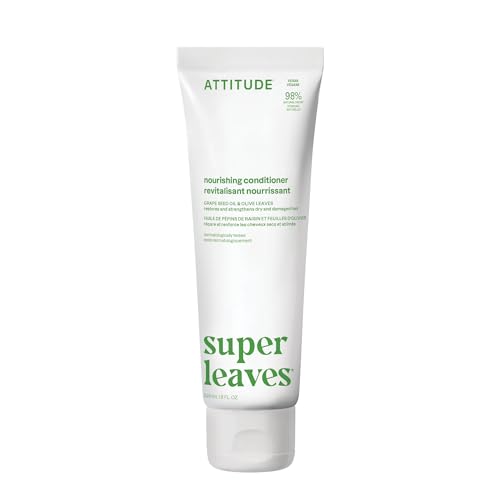
ATTITUDE Nourishing Conditioner with Olive Leaves

ATTITUDE Moisture Rich Conditioner with Quinoa and Jojoba
Why These Options Stand Out
Anyone who flat-irons daily or lightens their hair knows the brittleness that follows. Aveda’s leave-in treatment steps into that gap with a botanical blend aimed at strands weakened by heat and color work. The texture is light enough for fine hair but rich enough to coat split ends after towel drying.
Spray it on damp hair and comb through before styling. The formula doubles as a heat shield, so you can skip a separate protectant in your morning routine.
A Few Strong Suits
- Botanical-led formula targets breakage from heat tools and chemical processing
- Pulls double duty as a heat protectant, which simplifies morning routines
- Lightweight spray texture won’t weigh down fine strands
- Helps detangle wet hair, cutting down on comb-snapping
Worth Noting
- Small 3.4 oz bottle runs out quickly for those with long or thick hair
- Concentrated fragrance may bother sensitive noses
Quick Facts
Built With In Mind
Color-treated, heat-styled, or bleach-lightened hair that breaks easily and needs a daily repair step.
Look Elsewhere When
Reach for the Stream2Sea Leave-In Conditioner instead if your main concern is sun and saltwater exposure on beach or surf days.
Most leave-in conditioners forget that the beach is a hair environment too. Stream2Sea’s formula is built around that reality, layering in UV shielding alongside slip and moisture. Reef-safe sourcing means rinse-off won’t trouble ocean ecosystems, which matters for surfers and frequent snorkelers.
It feels lighter than a traditional cream, with a non-greasy finish that suits fine hair in humid climates.
What Works In Its Favor
- Reef-safe formulation designed for ocean and pool environments
- UV protection helps preserve color-treated hair against sun fade
- Light, non-greasy texture suits post-swim towel-offs
- Free from sulfates and parabens for gentler daily use
Honest Caveats
- Smaller brand presence means fewer in-store touchpoints before purchasing
- UV protection is supplemental, not a substitute for a hat on long exposure days
Right Fit For
Swimmers, surfers, and travelers who deal with salt, chlorine, and sun exposure on a regular basis.
Swap It Out When
Consider the Aveda Damage Remedy Daily Hair Repair if your concern is heat and chemical damage rather than outdoor exposure.
Frizz has a way of winning in humid climates, and reapplying product daily gets old fast. Garnier’s argan-oil cream tackles that cycle with a smoothing texture designed to hold shape through muggy weather. The three-pack format keeps the cost per ounce low, which is the real reason it earns its spot here.
Work a small amount through damp strands and let air-drying do the rest. The result is a glossy finish without the heavy feel of traditional anti-frizz serums.
The Good Stuff
- Argan oil helps seal the cuticle for smoother-looking strands
- Multi-pack format drives down the per-bottle cost
- Generous 10.2 oz bottle covers shoulder-length hair with room to spare
Soft Spots
- Fragrance lingers longer than some fragrance-sensitive shoppers prefer
- Results can flatten very fine hair if you over-apply
- Lighter on deep-conditioning than the Maui Moisture options above
Who Should Grab It
Frizz-prone hair in humid climates, plus shoppers stocking up on a smoothing staple without overspending.
Reach For A Different Pick When
Pick the Maui Moisture Nourish and Moisture Coconut Milk Set if your strands need deep hydration rather than daily smoothing.
Curls drink moisture, and most conditioners treat them like straight hair in a bottle. This Maui Moisture duo leans into coconut milk as the slip agent, giving strands the kind of slip that makes wide-tooth combing painless. It’s a paired set, so the shampoo and conditioner work in tandem rather than fighting each other.
Daily use is safe, which matters for tighter curl patterns that get washed more often.
Why It Works Well
- Coconut milk base delivers slip without silicones weighing curls down
- Paired shampoo and conditioner simplify routine-building for new curl-care shoppers
- Color-treated hair is safe to use, which is rare in vegan curl formulas
- Silicone and paraben-free formulation aligns with cleaner routines
Less-Strong Areas
- Fragrance-forward scent lingers in the shower
- Not heavy enough for severely dry, coarse curl patterns without layering
Feature Snapshot
Made For
Wavy to tight curl patterns needing daily hydration, especially color-treated curls that need a gentle touch.
Consider Something Else When
Choose the ATTITUDE Moisture Rich Conditioner with Quinoa and Jojoba if you want a single 32 oz bottle for the whole family rather than a paired set.
Fine waves and loose curls often get punished by rich conditioners. The strands fall flat before lunch and any volume you fought to build collapses. This hibiscus-water duo sidesteps that by leaning on a water-based formula with aloe vera leading the ingredient list, so the hydration lands without the weight.
It’s the set to reach for when your hair wants moisture but refuses anything that feels like a mask.
What Helps Most
- Aloe vera leads the ingredient list, signaling a water-based base
- Hibiscus water adds slip without coating strands
- Passion fruit and watermelon round out a fruity, non-medicinal scent
- Paired shampoo keeps the routine matched, avoiding product-on-product conflict
Things To Weigh
- Lightweight feel may not satisfy shoppers with severely dry ends
- Two 13 oz bottles take up shower space compared to a single 32 oz option
Best Suited To
Fine wavy hair and loose curls that flatten under rich formulas and need moisture without the weight.
A Better Fit Elsewhere
Pick the Maui Moisture Heal and Hydrate Shea Butter Set if your strands are noticeably dry and need richer conditioning instead.
When damage runs deeper than split ends, you need a formula that smooths the cuticle rather than just coating the strand. Shea butter has a long history of doing exactly that, and Maui Moisture leans on it for the heavier end of the curl spectrum. Citrus, melon, and shea notes give the set a recognizable scent profile.
Compared with the coconut milk duo above, this one targets dryness first and slip second.
What Stands Out
- Shea butter helps smooth raised cuticles on damaged waves and curls
- Aloe vera base keeps the formula from sitting on top of strands
- Two 13 oz bottles deliver a full routine in a single purchase
- Designed for daily use, supporting consistent moisture levels
Practical Considerations
- Rich feel can weigh down very fine curls if not rinsed thoroughly
- Scent is more pronounced than the hibiscus water option earlier on the list
Perfect Match For
Dry, damaged waves and curls needing a richer conditioning step with a familiar shea butter base.
Where Another Pick Suits Better
Choose the Maui Moisture Lightweight Hydration Hibiscus Water Set if your hair can’t tolerate heavy conditioning without falling flat.
Dry scalp is its own problem, and most conditioners treat only the strands. ATTITUDE’s formula pulls olive leaves into the mix alongside grapeseed oil, aiming to soothe the scalp while it conditions the hair below. The 98% natural origin claim puts it firmly in the plant-based camp without resorting to harsh cleansers.
It’s also one of the few options here with dermatological testing behind it.
A Few Highlights
- Olive leaves extract targets dry, itchy scalp alongside strand conditioning
- Grapeseed oil adds shine without leaving a heavy residue
- Dermatologically tested for sensitive skin routines
- Free from silicones and SLES for a gentler wash
Small Caveats
- 8 oz bottle is on the smaller side for shared bathroom use
- Not the strongest detangler in this lineup for very tangled lengths
Key Attributes
Whose Shelf It Belongs On
Anyone managing a dry, sensitive scalp while still wanting vegan, plant-based ingredients in their wash routine.
Not Your Match When
Skip toward the Garnier Fructis Sleek and Shine Leave-In Cream if frizz control matters more than scalp comfort.
Shared bathrooms punish small bottles. ATTITUDE’s 32 oz size solves that problem with a formula built around quinoa and jojoba proteins for hydration and shine. It’s the largest format in this lineup, which keeps the per-use cost modest for households that wash hair daily.
Like the olive leaves version above, it leans on plant proteins rather than silicones to do the smoothing work.
Points In Its Favor
- Quinoa protein helps strands hold moisture longer between washes
- Jojoba protein adds a soft shine without coating the hair
- 32 oz bottle cuts down on repurchasing for shared bathrooms
- Free from silicones and SLES for cleaner rinsing
Possible Compromises
- Pump or pour spout design varies, and the large bottle can be slippery when wet
- Protein-leaning formulas can build up on very fine hair without occasional clarifying
Core Details
Who Will Love This
Families and shared bathrooms that need a large-format vegan conditioner without sacrificing a plant-based ingredient list.
Skip It When
Pick the Maui Moisture Heal and Hydrate Shea Butter Set if your priority is richer conditioning for damaged curls rather than a single bulk bottle.
What Matters Most When Choosing Vegan Conditioners
Read Past the Vegan Label
A “vegan” badge tells you what the formula leaves out: animal-derived ingredients like keratin, beeswax, or silk proteins. It doesn’t tell you what’s actually inside. Look for named plant proteins (quinoa, jojoba, coconut milk), specific oils (argan, grapeseed, olive), and recognizable extracts. Short ingredient lists with names you can pronounce tend to track with plant-based intent.
Match the Formula to the Hair Type
Fine, wavy hair usually wants water-based formulas with aloe or hibiscus at the front of the ingredient list. Thicker curl patterns and heat-damaged strands benefit from richer carriers like shea butter, coconut milk, or argan oil. A conditioner that feels luxurious in the bottle can flatten fine hair in real life, so weigh weight as carefully as scent.
Consider What the Formula Protects Against
Swimmers and outdoor types need UV protection and reef-safe sourcing. Color-treated hair benefits from sulfate-free surfactants and silicone-free conditioning. Heat-styled hair needs a formula with built-in thermal shielding. Each use case asks a different question of the bottle, and the right answer saves you from layering five products.
Factor in Bottle Size and Household Use
A 3.4 oz spray bottle can vanish in weeks for long hair, while a 32 oz bottle can sit too long in a humid shower. Match the format to your usage rate and storage space. Bulk sizes make sense for shared bathrooms; smaller formats suit gym bags and travel kits.
Smart Choices Across This Shortlist
Where Shoppers Go Wrong
The most common trap is treating “vegan” and “moisturizing” as the same promise. A vegan formula can still lean on harsh surfactants that strip natural oils. Reading the surfactant line (the second or third ingredient on most labels) tells you more than the front-of-bottle claim. Sodium cocoyl isethionate and decyl glucoside are gentler than sodium lauryl sulfate, and either shows a brand is thinking about the wash, not just the marketing.
Another misstep is ignoring scalp needs. A conditioner can leave strands silky while the scalp stays itchy, especially with rich formulas designed for very dry ends. Shoppers with reactive scalps should weigh olive leaves, jojoba, or quinoa proteins over heavier butters.
What The Higher Tier Buys
Premium vegan conditioners tend to invest in two places: the surfactant system and the protein source. Lower-tier formulas use harsher cleansers and lean on fragrance to carry the experience. Higher-tier options substitute gentler sugar-based surfactants and source specific plant proteins that actually bind to the hair shaft. The upgrade shows up most clearly in color-treated and chemically processed hair, where gentler cleansing translates directly to longer-lasting color and less breakage over months of use.
Frequently Asked Questions
What does “vegan” actually mean in a conditioner?
A vegan conditioner contains no animal-derived ingredients like keratin, beeswax, lanolin, or silk proteins. It can still use synthetic fragrances and lab-made preservatives. The label tells you what’s excluded, but the ingredient list tells you what’s included.
Are vegan conditioners gentler than traditional ones?
Not always. Vegan status says nothing about surfactant strength or fragrance load. Some vegan formulas use very mild sugar-based cleansers, while others rely on sulfates that strip natural oils. Look at the ingredient list rather than the badge.
Can vegan conditioners handle frizzy or curly hair?
Yes, when the formula includes plant proteins or oils like argan, coconut milk, or shea butter. Vegan curl conditioners have come a long way and several on this list target specific curl patterns, from fine waves to tight coils.
Do vegan conditioners expire faster than traditional ones?
Plant-based formulas often skip synthetic preservatives, which can shorten shelf life once opened. Look for a period-after-opening symbol on the bottle, typically 12 months. Store away from direct shower steam to extend usability.
Is vegan conditioner safe for color-treated hair?
Most are, especially those labeled sulfate-free. The Maui Moisture coconut milk and ATTITUDE options on this list specifically note color-safe use. Sulfate-free cleansing helps color last longer regardless of the vegan claim.
Closing Remarks
The right vegan conditioner depends less on the badge and more on your hair’s specific needs: heat damage, sun exposure, curl pattern, scalp comfort, or shared-bathroom logistics. Match the formula’s lead ingredients to your hair’s primary complaint, and the rest usually follows. Browse the shortlist, weigh the trade-offs, and pick the one that solves your real-world problem rather than chasing the loudest label.
