

Shine creeping through your foundation by 10 a.m. is the kind of low-key frustration that derails a whole day. A solid shine control primer works quietly underneath everything else, gripping foundation while keeping oil from pushing through. This lineup gathers eight options that handle slick zones differently, from silicone-style mattifiers to sunscreen hybrids and stick formats for deeper skin tones, so there’s a path forward for oily, combination, and humidity-prone complexions.
A Quick View Of The Lineup

Urban Decay All Nighter Waterproof Setting Spray
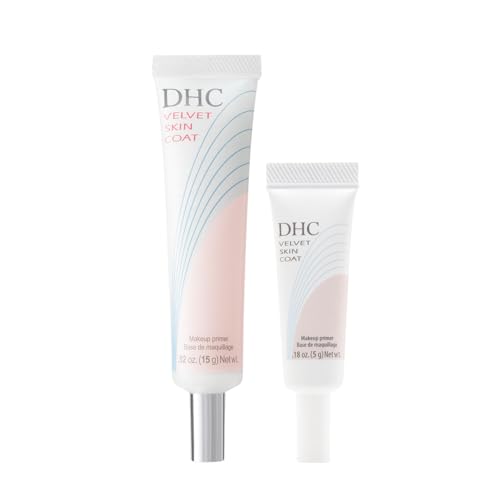
DHC Velvet Skin Coat Mattifying Primer

WEEMAY 3-in-1 Color Corrector SPF 50 Primer

LAURA GELLER Spackle Hydrate Primer 2 Fl Oz

LAURA GELLER Spackle SPF 30 Primer

LAURA GELLER Spackle Champagne Glow Primer

Flori Roberts Cream To Powder Foundation

Flori Roberts Base Strokes Crème Stick
Meet The Standout Selections
Setting sprays and primers live in different lanes, but the All Nighter earns a spot on a shine control list because it caps the whole routine once foundation is on. The mist is genuinely fine, so it lays down a flexible film over makeup rather than dripping or disturbing the layers beneath. On long shoot days, outdoor events, or any commute that turns into a sauna, that finishing step keeps everything from migrating southward.
The formula leans on film-forming polymers (ingredients that create a thin, flexible web over the skin) and glycerin, which is a basic humectant, meaning it pulls water toward the surface for a softer feel. Worth flagging: this is a setting spray, not a silicone-based primer, so it works as the final seal rather than the slip layer under foundation. People with very oily t-zones often pair it with a dedicated mattifier underneath.
A Favorable Mix
- Ultra-fine mist that won’t drag foundation around on application
- Film-forming polymers help grip makeup for marathon days
- Layerable between foundation steps for extra hold
- Lightweight, non-sticky finish that suits most skin types
Trade-Offs To Consider
- Not a primer by itself, so very oily skin still needs a mattifier beneath
- Bottle runs through faster when applied heavily between every layer
Feature Snapshot
Whose Vanity It Belongs On
Anyone who finishes a full face of foundation and needs a final seal to survive commutes, gym sessions, or humid weather.
Look Elsewhere When
The DHC Velvet Skin Coat is the better starting point for someone whose main problem is oil sliding foundation around before it sets.
DHC built this around a powder-gel texture, which means the formula starts creamy and dries down to a soft, almost powdery veil. On combination skin with a slick t-zone, that transition matters: pores look blurred, fine lines fade a touch, and the surface feels grippy enough to keep foundation from sliding. The clear, transparent base is friendly across a wide range of skin tones, which isn’t always the case for mattifiers that lean chalky.
The set arrives as a 0.52 oz tube plus a 0.18 oz travel size, a thoughtful pairing for people who want to test the formula before committing to a full size. Compared to the All Nighter spray above, this is the slip layer that goes on first, not a finisher. It plays nicely on bare skin too, doubling as a light mattifier for no-makeup days.
Where It Helps
- Powder-gel finish blurs the look of pores and fine lines
- Clear formula suits a broad range of skin tones
- Travel-size pair is handy for gym bags and weekend trips
Honest Caveats
- Drier areas of the face may feel tight after extended wear
- Needs a few seconds to set before foundation goes on top
Whose Vanity It Belongs On
Combination and oily skin types who want a true mattifying base that works under foundation or on its own.
Skip It When
The LAURA GELLER Spackle Hydrate is worth a look for anyone whose skin leans dry and reacts badly to strict oil-stripping formulas.
This three-in-one plays three positions: SPF 50 broad-spectrum sun protection (covering both UVA, the deeper-penetrating aging rays, and UVB, the burning rays), a color-correcting base, and a primer that blurs pores. The shade trio handles common concerns in one pass, which is a real time-saver on rushed mornings. The SPF rating also replaces a separate sunscreen step, freeing up a slot in the routine.
Worth knowing: stacking SPF-rated products in a single base doesn’t always replace a dedicated sunscreen for long outdoor days. Most dermatologists recommend a dedicated broad-spectrum sunscreen as the primary protection, with SPF in makeup as a helpful top-up. Pair this with the All Nighter spray for outdoor events when humidity is also a factor.
Bright Spots
- Three-in-one formula cuts down morning routine steps
- Built-in SPF 50 broad-spectrum coverage
- Color-correcting shades target redness, dullness, and sallowness at once
- Budget-friendly price point for the multi-function bundle
Practical Considerations
- SPF in a primer works as a backup, not always a primary sun shield
- Tinted shades may need blending to avoid obvious green or lavender casts on certain skin tones
- Bulk packaging is bulkier to store than a single tube
Feature Snapshot
Right Fit For
Busy routines where sunscreen, color correction, and primer need to happen in a single layer.
A Better Fit Elsewhere
The LAURA GELLER Spackle SPF 30 is a better match for skin that wants a softer glow alongside sun protection, without the active color-correcting layers.
Spackle Hydrate is the answer for skin that wants grip and moisture at the same time. The lightweight, non-greasy formula works as both a moisturizer and a primer, which simplifies routines for people who don’t want a separate hydrating layer. It wears well under foundation and is friendly on bare skin days when a glow without shine is the goal.
The 2 oz super-size is generous compared to the other LAURA GELLER options in this roundup, and the brand is credited with popularizing the makeup primer category. For shine specifically, this isn’t a mattifier. It’s the prep layer that keeps skin balanced so oil doesn’t surge in response to dryness later in the day.
Benefits That Matter
- Doubles as a moisturizer, so routines stay simple
- Non-greasy texture grips foundation without clogging pores
- Generous 2 oz size outlasts most primer tubes
Points To Keep In Mind
- Not a strict mattifier, so very oily t-zones may need a separate product
- Layering over an existing moisturizer can feel too rich
Best Suited To
Dry-to-combo skin that flakes under mattifying primers and needs hydration built into the base step.
Swap It Out When
The DHC Velvet Skin Coat is a stronger oil-control choice for someone whose main concern is midday shine on an already-hydrated face.
This is the Spackle formula built for outdoor days: broad-spectrum SPF 30 in a clear, pore-smoothing primer. The finish leans sheer and pearly, which adds a soft glow rather than a flat matte, useful for skin that wants sun protection without looking chalky. Foundation layers over it cleanly, and the sun protection sits at a practical middle ground between casual daily SPF and the higher SPF 50 in the WEEMAY above.
The Hydrate version earlier in the list is a richer prep for dry skin, while this one adds the SPF layer in. Both blur pores similarly. If oil control is the priority over glow, pair this with a mattifier or set with a finishing spray for outdoor events.
A Few Strong Suits
- Built-in SPF 30 broad-spectrum coverage
- Sheer, pearly finish that keeps skin looking fresh, not flat
- Visibly smooths pores and fine lines on application
Some Limits To Know
- SPF 30 may fall short for extended direct-sun exposure
- The pearly finish adds glow, not strict matte oil control
Who It Suits Best
People who walk, commute, or work near windows and want a daily base with sun protection included.
Consider Something Else When
The Flori Roberts Cream To Powder Foundation is a stronger fit for someone who wants a complete matte base plus coverage in a single step.
The Champagne Glow leans into a soft gold tint, the kind of subtle warmth that perks up dull, tired skin without veering into shimmer. It’s a base designed to brighten before foundation, not a strict mattifier, so it lands on the more luminous end of the shine control spectrum. For people whose main issue is dullness rather than heavy oil, this is a smart way to even out tone and add a touch of life.
Compared to the SPF 30 Spackle above, this skips the sun protection in favor of pure glow. The lightweight, non-greasy grip still helps foundation hold, and the 2 oz size is generous for everyday use. It’s the one to reach for when the goal is radiance with a side of prep.
Useful Strengths
- Subtle gold tint brightens dull complexions without obvious shimmer
- Non-greasy formula grips foundation for longer wear
- Generous 2 oz bottle for daily use
Potential Compromises
- Not a dedicated mattifier for very oily skin types
- Gold tint can read warm on already-yellow undertones
Made For
Skin that looks tired or uneven and needs a subtle warmth boost before foundation goes on.
Not Your Match When
The WEEMAY 3-in-1 makes more sense for someone who needs color correction, sun protection, and primer in a single pass.
Flori Roberts built this one specifically for deeper skin tones, which is a meaningful differentiator in a category that often defaults to lighter shades. The cream-to-powder transition gives the wear time of a powder with the natural, skin-like finish of a cream, so it sits comfortably for full workdays without settling into fine lines. The matte finish is the real sell for shine control, since the formula is designed to keep oil at bay across the full face, not just the t-zone.
It isn’t a primer, it’s a foundation, so it layers on top of any base in this roundup. Pair it with the DHC Velvet Skin Coat for a comprehensive shine-fighting routine. The 0.30 oz compact is small enough to toss in a bag for midday checks.
The Practical Payoff
- Shade range tailored to deeper and richer complexions
Factors To Consider
- Cream-to-powder formulas can emphasize dry patches on already-dry skin
- Smaller 0.30 oz size requires more frequent replacement
Feature Snapshot
Who Should Grab It
Anyone with a deeper complexion who wants a foundation with a proper matte finish and shade range that actually fits.
Reach For A Different Pick When
The Flori Roberts Base Strokes Stick is the better call for someone who wants portable, on-the-go coverage with the same deeper-tone range.
The Base Strokes Crème Stick finishes the lineup as the travel-friendly sibling to the cream-to-powder foundation above. Stick formats glide on without a mirror, which makes them ideal for commutes, gym bags, and quick checks in the car. The natural finish is a touch less matte than the compact, so it leans toward “real skin with evening tone” rather than full matte.
It works as a primer in the strictest sense too, since cream sticks can double as a base for fuller foundation layered on top. The eight-shade range covers deeper tones specifically, much like the compact. For touch-ups across the day, this is the easier format to live out of a bag.
Where It Excels
- Twist-up stick format is mess-free and mirror-optional
- Eight-shade range covers deeper complexions thoughtfully
- Doubles as a base or a quick coverage touch-up
- Lightweight feel on the skin across long days
Details To Watch
- Stick format can pick up bacteria over time without regular cleaning of the surface
- Natural finish is less shine-fighting than the matte compact option
Who Will Love This
Anyone who needs deeper-tone coverage that fits in a pocket, purse, or carry-on for fast touch-ups.
Where A Sibling Pick Shines
The Flori Roberts Cream To Powder Foundation is the stronger pick for full-face matte coverage that lasts an entire workday.
What To Weigh Before Choosing A Shine Control Base
Shine control products split into a few real categories, and knowing which one fits your day is half the battle. Mattifying primers like the DHC Velvet Skin Coat use powder-gel or silicone bases to soak up oil at the start. Setting sprays like the Urban Decay All Nighter seal everything in place once foundation is on. SPF hybrids (the WEEMAY and the LAURA GELLER SPF 30 Spackle) fold sun protection into the same layer. And foundation sticks or compacts, like the two Flori Roberts picks, handle oil while delivering coverage.
Skin type matters more than brand. Very oily t-zones usually need a dedicated mattifier under foundation. Combination skin often gets away with a hydrating primer plus a setting spray. Dry skin tends to misbehave under strict mattifiers, which is where the LAURA GELLER Spackle Hydrate earns its place.
Application sequence also affects performance. Apply a small amount of primer to clean, moisturized skin, let it set for 30 to 60 seconds, then layer foundation. Setting sprays go on last, ideally in an X and T pattern across the face. Sticks work best warmed slightly by fingertip before blending for a thinner layer.
Key Considerations Across These Picks
Mistakes Worth Dodging
Skipping moisturizer because the primer claims hydration is a common slip-up: most primers, even hydrating ones, work best over a basic moisturizer. Another trap is layering too many mattifying products at once, which can backfire as the skin overproduces oil in response. SPF in a primer works as a backup, not always a primary shield, so dedicated sunscreen still earns its spot for long outdoor days.
When Paying More Pays Off
Higher-tier primers tend to invest in finer mists, smarter film-formers, and more sophisticated SPF systems. The Urban Decay All Nighter is a good example: the mist quality is genuinely refined compared to drugstore sprays, and the hold holds up under stress. The trade-off shows up when the routine is simple: a basic mattifier plus a drugstore setting spray handles most days. The upgrade earns its place for weddings, long shifts, or humid climates where lower-tier products tend to break down.
Frequently Asked Questions
How long does a shine control primer usually last once applied?
Most primers hold up for six to ten hours under foundation, with dedicated mattifiers often outlasting hydrating options. Humidity, skin type, and whether a setting spray is layered on top all affect the actual wear time.
Can a shine control primer replace sunscreen?
Not entirely. A primer with SPF, like the LAURA GELLER Spackle SPF 30, adds protection but a dedicated broad-spectrum sunscreen is the more reliable choice for primary defense, especially for extended time outdoors.
Is a shine control primer safe for sensitive or acne-prone skin?
Most modern formulas are non-comedogenic, meaning they won’t clog pores, but individual reactions vary. Patch-testing a small area for 24 hours before a full application is the safest move for reactive skin.
Should a shine control primer go on before or after moisturizer?
Moisturizer first, then primer. The moisturizer hydrates and protects the skin barrier while the primer grips foundation and controls oil on top.
Can a shine control primer be worn without foundation on top?
Yes, especially clear or tinted mattifiers. The DHC Velvet Skin Coat and the LAURA GELLER Spackle Hydrate both wear well on bare skin for a natural, slightly blurred finish without foundation.
The Takeaway
Eight options, four different angles on shine. Mattifiers like the DHC Velvet Skin Coat attack oil at the base, setting sprays like the All Nighter lock everything down, SPF hybrids fold sun protection into the routine, and the Flori Roberts picks bring real shade range and matte coverage to deeper complexions. The best match depends on which problem shows up first in your day: slick foundation, midday breakthrough, or the constant need to reapply on the go.
