

Sensitive eyes punish shortcuts. Rub too hard with a regular wipe and the lids sting, blur, or flush for an hour. The picks below handle mascara through gentler chemistry, lighter fragrance loads, or shorter contact time, so removing a smoky eye no longer feels like a punishment.
How The Shortlist Stacks Up

Neutrogena Makeup Remover Micellar Wipes 2 Pack

Neutrogena Daily Single Face Towelettes 20 Ct
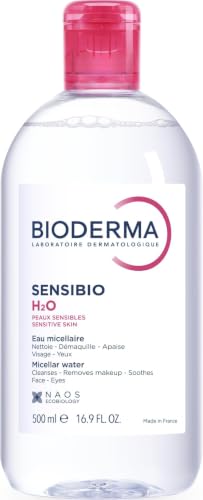
Bioderma Sensibio H2O Micellar Water

Neutrogena Makeup Remover Wipes Fragrance-Free 25 Ct

Garnier Micellar Water with Hyaluronic Acid 400 mL

Pond’s Cold Cream Makeup Remover 2-Pack 6.1 Oz

BIOCHEM Bulgarian Rose Foaming Face Wash 170 mL

BIOCHEM DL-Mandelic Acid Renewal Ampoule 30 mL

OPTASE Life Sensitive Eye Makeup Remover 100 mL
The Details Behind The Selections
The two-pack of Neutrogena’s micellar cloths is the kind of bathroom-staple buy that quietly does the job without ceremony. Each wipe carries a micellar solution, which is water dotted with tiny cleansing spheres that grab makeup and oil without the aggressive surfactants found in harsher cleansers. For sensitive eyes, that chemistry matters: less surfactant means less of the foaming, tight sensation that triggers redness.
The bigger practical win is the count. Two tubs of 25 wipes each means a household of two can share a routine without one person raiding the other’s stash. Owners commonly tuck a tub in the bathroom and a second by the bedside for late-night removals. The resealable lid helps the cloths stay damp instead of drying out into stiff rectangles.
What Makes Sense
- Micellar solution lifts mascara with less drag on the lid, cutting the rubbing that irritates reactive eyes.
- Plant-based cloth texture feels soft against skin, important for the thin tissue around the orbital bone.
- Two tubs mean backups during allergy season when eyes water and need extra wipe-downs.
- Single-use cloths eliminate the cross-contamination that happens when a washcloth sees mascara one night and bare skin the next.
- Compact tubs fit on a small bathroom counter or in a dorm caddy.
Worth Bearing In Mind
- Owners commonly report that very heavy waterproof mascara needs two wipes per eye, which burns through the pack faster.
- The plastic tub adds to landfill once empty, a small consideration for shoppers reducing single-use packaging.
Quick Technical Notes
Built With In Mind
Daily makeup wearers who want a quick, rinse-free routine and don’t mind a wipe format.
Swap It Out When
Contact lens wearers with strong sensitivities may prefer OPTASE Life Sensitive Eye Makeup Remover for a liquid designed specifically around the eye.
Single-use sachets solve a problem that bulky tubs create: the wipe that dries out before its time. Each Neutrogena Daily Single Face Towelette comes in its own little packet, so the cloth inside stays soaked until the moment a tired face actually needs it. For anyone whose eyes flare up the moment a regular wipe meets them, that freshness translates into less sting because the active ingredients haven’t evaporated.
The format shines outside the bathroom. Travelers can toss a few into a carry-on without worrying about pressure changes squeezing liquid through a lid, and gym-goers can stash a packet in a jacket pocket for a post-workout face reset. The single-serve design also means the rest of the pack isn’t compromised when one towel gets used and the reseal gets forgotten.
Useful Highlights
- Each wipe is sealed until use, so it stays fully soaked and avoids the dry-cloth frustration that leads to over-rubbing.
- Slim packets slide into a wallet, dopp kit, or laptop sleeve for on-the-go touch-ups.
- Micellar base is gentle on the under-eye, where the skin thins to roughly half a millimeter and absorbs irritants faster.
- Smaller count per pack keeps the product rotating, which matters for anyone who forgets to repurchase.
Trade Offs To Consider
- Individually wrapped wipes cost more per use than the tub format, a real consideration for nightly routines.
- Each packet is a small piece of film waste, an issue for shoppers trying to cut plastic.
- Owners commonly note that the cloth is smaller than a standard wipe, requiring an extra pass for full-face removal.
Whose Shelf It Belongs On
Commuters, frequent flyers, and gym regulars who want freshness in a small footprint.
Reach For A Different Pick When
Anyone removing mascara nightly at the bathroom sink will save money on the Neutrogena Makeup Remover Micellar Wipes tub format reviewed earlier.
Bioderma practically invented the micellar water category, and Sensibio H2O is the formula they built for faces that react to almost everything. The solution is balanced to skin’s natural pH, the slightly acidic level at which the skin barrier holds moisture best. That detail matters for sensitive eyes because a cleanser that nudges pH upward disrupts the barrier and exposes nerve endings to irritants.
The application is different from a wipe. Soak a cotton pad, press it gently against a closed eye for a few seconds, then sweep. The hold-and-sweep method gives the micelles time to bind mascara pigments before any rubbing starts, and that means far less friction across the lid. For long-wearing or tubing mascaras, a second soaked pad is usually enough to finish the job without ever touching the inner corner.
The Upside
- pH-balanced formula supports the skin’s acid mantle, the thin protective film that keeps reactive lids calm.
- Press-and-sweep method removes makeup with very little physical pulling, a clear win for thin lid skin.
- Liquid format lets users control the dose, adding more water for stubborn mascara or less for a quick refresh.
- The Sensibio line is designed for skin that struggles with redness, so the eye area gets a formula aligned with its needs.
Honest Caveats
- Liquid and cotton pads cost more than a tub of cloths over time, depending on cotton pad choice.
- Without cotton rounds in the cabinet, the format stops mid-cleanse, a small but real annoyance.
Key Product Details
Best Suited To
Users with documented skin sensitivity who want a trusted liquid format and are willing to add cotton pads to the routine.
Consider Something Else When
Shoppers looking for a one-step, no-accessory routine will find the Garnier Micellar Water with Hyaluronic Acid more convenient, since the format and benefits are similar but often paired with reusable pads.
Fragrance is one of the most common triggers for eye-area irritation, and it shows up in cleansers long after the formula looks minimal on the label. Neutrogena’s fragrance-free wipes strip that variable out entirely. There’s no scent layer to mask or perfume the experience, just the micellar solution doing its work, which makes these cloths a sensible pick for anyone whose eyes water up the moment a perfumed product nears the lash line.
The micellar base here is built around hyaluronic acid, a humectant, an ingredient that pulls water toward the skin rather than stripping it, plus a triple emollient blend that softens the lid as it cleans. That combination matters at the end of a long day when the skin barrier is already fatigued and a harsher remover would push it over the edge.
What Works In Its Favor
- Removing fragrance eliminates one of the leading causes of eye-area reactions during makeup removal.
- Hyaluronic acid helps the skin hold water, so the lid feels less tight after cleansing than with soap-based options.
- Hypoallergenic positioning reassures users who track ingredients for rosacea or eczema-prone skin.
Some Limits To Know
- Smaller pack count than the two-pack reviewed earlier, so the per-use cost is slightly steeper.
- Owners commonly find that very long-wearing mascaras still need a follow-up rinse with a separate cleanser to feel fully clean.
Right Fit For
Fragrance-allergic users, contact lens wearers, and anyone whose eyes react to scented skincare within minutes.
A Better Fit Elsewhere
Anyone who wants a liquid rather than a cloth will be happier with Bioderma Sensibio H2O Micellar Water for the same hypoallergenic, rinse-free approach.
Garnier’s micellar water pairs the gentle cleansing action of micelles with hyaluronic acid and aloe, a combination that turns a cleansing step into a hydrating one. For sensitive eyes on dry skin, that dual purpose solves a specific complaint: many removers leave the lid feeling stripped, which then triggers flaking near the lashes the next morning. The hyaluronic acid here pulls moisture into the upper skin layers rather than washing it away.
The 400 mL bottle is the workhorse format, big enough for the bathroom shelf rather than the travel pouch, and it pairs well with reusable cotton or microfiber pads. Vegans and those avoiding animal-tested ingredients have an aligned option here too, since the formula is built without animal-derived inputs.
Real Benefits
- Hyaluronic acid helps the eye area retain water, useful for lids that feel papery after a long day.
- Aloe adds a soothing layer that calms the sensation of post-removal tightness.
- Larger bottle delivers more uses per container than travel sizes, lowering the per-use cost over time.
- Works on waterproof mascara with the same press-and-sweep method used on Bioderma’s formula.
A Few Limitations
- Bigger bottle adds counter clutter in tight apartment bathrooms.
- Owners commonly report the pump or cap can stick once the bottle is half empty.
Made For
Dry skin users who want a single bottle that cleanses and hydrates at the same time, without switching products.
Look Elsewhere When
Anyone needing a smaller format for the road will prefer the single-serve Neutrogena Daily Single Face Towelettes.
Cold cream is one of the oldest makeup removal methods still on shelves, and Pond’s version uses an oil-and-water emulsion that loosens pigments before they need to be scrubbed. For sensitive eyes wearing heavy or theatrical mascara, that pre-loosening step matters: a cream that grabs the mascara first means less pressure at the lash line later. The result is a removal that feels closer to a mini facial than a chore.
The two-pack format stretches the value across more nights, useful for households that share a single jar. Owners commonly scoop a small amount onto a pad, press gently, and follow with a warm washcloth to lift everything away, a process that doubles as a soothing end-of-day ritual.
Reasons It Performs
- Emulsified oil binds to waxy mascara pigments faster than water-based removers, shortening total contact time.
- Hypoallergenic positioning aligns with reactive-skin routines.
- Non-comedogenic label reassures users whose pores clog easily from richer formulas.
- The cream texture feels substantial in the hand, which helps control the amount used per session.
Details To Watch
- Cold cream usually requires a follow-up washcloth or second cleanse, adding a step that micellar users skip.
- Owners commonly report the jar can leave a slight oily film that needs rinsing to feel fully clean.
- Jar packaging exposes the cream to air and fingers, which means dipping rather than pouring.
Perfect Match For
Wearers of heavy or long-wearing mascara who enjoy a slower, spa-like removal ritual at the sink.
Where Another Pick Suits Better
Anyone wanting a faster, rinse-free routine will find the Neutrogena fragrance-free wipes a simpler alternative.
BIOCHEM’s Bulgarian rose foaming wash earns its place on this list as a morning cleanse and a light makeup finisher, the second step after a primary remover has done the heavy lifting. The airy mousse texture spreads easily without the pulling that thicker cleansers cause around the orbital bone, and the Bulgarian rose oil plus vitamin C pairing gives a mild brightening effect to lids that look tired by Wednesday.
For sensitive eyes, the formula skips harsher surfactants in favor of gentler foaming agents. That means a comfortable cleanse even if a little suds drifts near the lash line. On its own, this wash won’t lift waterproof mascara, so it works best paired with a micellar step at night, then used solo in the morning.
A Favorable Mix
- Mousse texture glides across the face without tugging, helpful on the thin skin under the eyes.
- Vitamin C supports a brighter look over time, useful when the eye area looks dull after a late night.
- Rose oil adds a light botanical scent that tends to be tolerated better than synthetic fragrance.
Less Ideal Details
- Foaming cleansers need rinsing, which adds a tap-water step that some sensitive users try to avoid.
- Doesn’t replace a primary mascara remover, so it works as a complement rather than a one-product routine.
Who Will Love This
Skin-care enthusiasts who already use a separate mascara remover and want a gentle second cleanse in the morning.
Skip It When
Anyone needing a single-step mascara remover will be better served by Garnier Micellar Water or the Neutrogena fragrance-free wipes.
The DL-mandelic acid ampoule earns a spot here as a follow-up treatment rather than a first-pass remover. Mandelic acid is a gentle exfoliating acid with a larger molecule than glycolic, which means it works on the skin surface at a slower pace, an attribute that matters for sensitive users who can’t tolerate faster acids. Combined with niacinamide and oleanolic acid, the ampoule targets texture and uneven tone around the orbital area after makeup has been removed.
The 30 mL dropper bottle is small, but a little goes a long way: two to three drops tapped into the skin after cleansing is the usual routine. For sensitive eyes, the key is keeping the product well outside the lash line, since exfoliating acids and reactive lids are not a friendly combination.
Practical Advantages
- Larger mandelic acid molecule offers slower surface action, a gentler profile than glycolic for reactive skin.
- Niacinamide supports an even-looking skin tone, useful for the area where mascara residue sometimes leaves a shadow.
- Small bottle delivers many applications, lowering the per-use cost over months.
Worth Noting
- This is a treatment, not a remover, so the routine still needs a separate mascara remover.
- Owners commonly report a brief tingle on first uses, which typically fades as the skin adjusts.
- Dropper packaging requires careful handling to keep the product from oxidizing once opened.
Who Should Grab It
Skin-care enthusiasts layering a renewal step after their primary mascara removal, especially those focused on texture and tone.
Not Your Match When
Anyone needing an actual eye makeup remover will find more direct value in the Neutrogena Makeup Remover Micellar Wipes reviewed earlier.
OPTASE built this remover specifically for the eye area, which sets it apart from general face cleansers that happen to work near the lash line. The active system uses ionized water, water treated so its particles carry a mild charge, and that charge helps the solution attract and lift pigment particles rather than relying on rubbing to break them down. For contact lens wearers and anyone whose ophthalmologist has flagged sensitivity, that approach is reassuring.
Apply it to a soft pad, hold against closed lashes for several seconds, then sweep. The longer hold is the trick for waterproof formulas: the ionized water does the work while the skin rests. The 100 mL bottle is mid-sized, comfortable on a bathroom shelf and small enough for an overnight bag.
The Value In It
- Formulated specifically for the eye area rather than adapted from a face cleanser.
- Ionized water chemistry is designed to lift pigment with less physical rubbing.
- Compatible with contact lens routines, an important note for the many wearers whose eyes react to standard removers.
Soft Spots
- Specialty positioning can mean a higher per-bottle cost than general micellar waters.
- Owners commonly find that long-wearing tubing mascaras still need a second pass for a fully clean lash line.
The Right Fit
Contact lens wearers, post-surgical eyes cleared by an ophthalmologist, and anyone with persistent eye-area reactivity.
A Better Fit Elsewhere
Shoppers looking for an all-face remover will get more value from Bioderma Sensibio H2O, which performs well across face and eyes at a lower cost.
What Matters Most Before Choosing Mascara Removers for Sensitive Eyes
Format That Fits the Routine
Wipes, liquids, and creams answer different parts of the same problem. Wipes suit quick, rinse-free nights and travel. Liquids paired with cotton pads allow precise dosing and a slower press-and-sweep method that limits rubbing. Creams shine when mascara is heavy or layered, since they pre-loosen pigment before any pulling begins. Picking the format that matches the heaviest night of the week avoids the routine that fights the user.
Skin Barrier and pH
The skin barrier, the outermost layer that locks in moisture and keeps irritants out, works best at a slightly acidic pH. Cleansers that lean alkaline can disrupt it, leaving lids dry, tight, or flushed. pH-balanced formulas and micellar systems tend to leave the barrier calmer, which matters for the eye area where the skin is at its thinnest.
Active Chemistry That Won’t Sting
Hyaluronic acid and similar humectants add water back to the skin during removal. Botanical oils like rose or jojoba bind to waxy pigments without harsh surfactants. Fragrance-free options remove a leading reaction trigger. A short ingredient list, ideally with named actives the user can recognize, tends to outperform complex formulas that hide multiple potential irritants.
Use Case and Lifestyle
Sensitive eye routines fail when the chosen product doesn’t fit the moment. A large bottle is wasted in a carry-on. A single sachet is wasteful at the home sink. Travel-heavy shoppers should prioritize packets or small formats. Home-centered routines benefit from bigger bottles or jar creams. Active wearers who need a post-workout cleanse do best with rinse-free options, while evening ritual users often enjoy a cream followed by warm water.
Key Considerations Across These Picks
Common Shopping Slip Ups
The most frequent error is reaching for the strongest remover on the shelf, assuming power equals performance. Heavy waterproof mascara comes off cleanly with a hold-and-sweep method on a soaked pad, so gentleness often beats aggression. Another slip is ignoring the format. Buying a tub of wipes for a single-traveler wastes product once the lid isn’t sealed properly, while buying a bottle for a shared bathroom can run dry in weeks. Always match the format to the most common use case, not the occasional one.
Why Top Tier Costs More
Premium picks in this category tend to invest in pH-balanced formulations, ophthalmologist-trusted ingredient lists, and softer cloth materials that don’t drag on the lid. The ionized water chemistry in OPTASE and the dermatology pedigree of Bioderma carry real research costs that translate into gentler performance. The upgrade is worth it for users with documented reactivity, but shoppers without sensitivity concerns often do fine with the value tier.
Frequently Asked Questions
Can micellar water really remove waterproof mascara?
Yes, when used correctly. Soak a cotton pad thoroughly, press it against a closed eye for several seconds to dissolve the mascara, then sweep gently without rubbing. A second soaked pad finishes the job for very long-wearing formulas.
Are makeup wipes bad for sensitive eyes?
Not necessarily, since fragrance-free and hypoallergenic wipes are designed for reactive skin. The risk comes from rubbing too hard or using wipes that contain heavy fragrance or alcohol, both of which can irritate the lid.
How often should mascara removers be replaced?
Wipe tubs last a few weeks once opened, depending on how well the lid seals. Liquids typically last several months but should be tossed if the scent or color changes. Cream jars have the shortest window after opening, usually noted on the label.
Do sensitive eye removers also work on eyeliner?
Most do, since the same gentle chemistry that lifts mascara also handles pencil and cream eyiner. Long-wearing gel or liquid eyiner may need a second pass with a soaked pad.
Is rinsing required after using a micellar remover?
Not strictly, since modern micellar waters are formulated to leave behind humectants rather than residue. A rinse with lukewarm water is fine for users who prefer the fresh feel, but skipping it won’t disrupt the skin barrier for most routines.
Closing Thoughts
The right remover turns end-of-day cleanup from a fight into a small calm ritual. Wipes win on convenience, liquids on dosing, creams on heavy makeup, and eye-specific formulas on the most reactive lids. Pick the format that fits the heaviest night of the week, and the rest of the routine tends to fall into place.
