

Dry skin has a way of letting you know when a cleanser is too harsh: tightness within minutes, flaking around the nose, that squeaky feeling nobody actually wants. The right milk or cream cleanser takes a different path, lifting away makeup and grime while leaving the skin’s moisture barrier more or less intact. This roundup focuses on gentle options for parched complexions, including a couple of supporting skincare staples that pair naturally with a milk cleanse.
An Overview Of The Picks

CeraVe Hydrating Cream To Foam Cleanser, 19oz

TATCHA The Rice Wash, Soft Cream Cleanser

Glow Recipe Avocado Ceramide Facial Cleanser 150ml

Dr. Hauschka Soothing Cleansing Milk, 4.9 Fl Oz

Glow Recipe PHA + BHA Face Toner, 150ml

Glow Recipe Blueberry Bounce Exfoliating Face Wash, 160ml
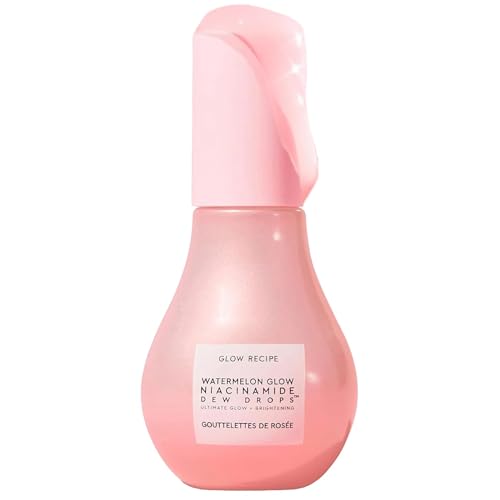
Glow Recipe Watermelon Niacinamide Dew Drops, 40ml

Dr. Hauschka Rose Day Cream, 1.0 Fl Oz

Glow Recipe Plum Plump Hyaluronic Acid Cream, 50ml

Dr. Hauschka Volume Mascara 01, 0.27 Fl Oz
A Deeper Look At The Lineup
For a bathroom counter that doubles as a family hub, a 19-ounce pump bottle of cream-to-foam cleanser earns its keep fast. The formula dispenses as a soft cream and lathers up once water hits the skin, so a single pump handles a full face without stripping. In a shared morning routine, that means less fiddling with smaller bottles and fewer last-minute replacements.
Compared with the powder-fine Tatcha pick coming up, this one is more utilitarian and noticeably easier to rinse. The 19-ounce size suits people who run through a cleanser every six to eight weeks and want a single product to stock, while smaller sizes work better for travel or trial use.
What Helps Most
- The large pump keeps a busy vanity stocked for weeks, cutting down on repurchase runs.
- The cream-to-foam texture lifts sunscreen and light makeup without leaving a tight feeling behind.
- Fragrance is minimal, which matters for anyone whose nose prefers a quiet cleanser.
- The bottle’s wide base resists tipping on a crowded shelf next to electric toothbrushes and serums.
Things To Consider
- The foam stage is gentle, so heavy foundation may need a separate first cleanse.
- For very reactive skin, patch testing first is wise, since even mild surfactants can occasionally sting.
Key Product Details
Whose Shelf It Belongs On
Anyone sharing a bathroom with partners or teens who want one reliable, fragrance-light cleanser that doesn’t run out every few weeks.
Where Another Pick Suits Better
Dr. Hauschka Soothing Cleansing Milk is a smarter fit for purely reactive skin that cannot tolerate any foaming action at all.
The Rice Wash treats the morning cleanse as a small ritual rather than a chore. The texture starts as a creamy paste and softens into a gentle, slippy lather that feels almost like applying moisturizer first. It is the kind of cleanser that pairs well with a quiet cup of coffee and a couple of minutes of intention.
Where the CeraVe pick is built for utility, this one is positioned more toward a sensory experience. The Japanese rice powder (a fine, starchy exfoliant) helps buff the surface lightly, while added hyaluronic acid, a humectant that draws water into the skin, supports the moisture barrier. The trade-off is the price, which climbs well past a basic drugstore option.
The Case For It
- The soft cream feels more like a treatment than a wash, ideal for slow evening routines.
- Rice powder gives a barely-there polish that helps dull winter skin look fresher.
- The formula rinses clean without leaving a residue, so serums layer smoothly after.
Honest Caveats
- The price per ounce is high, so daily use can add up quickly.
- The light grit from rice powder may not suit skin that flares with any physical exfoliation.
Made For
Dry, mature skin that enjoys a calmer, more deliberate cleansing ritual and tolerates a hint of gentle buffing.
Skip It When
The Glow Recipe Avocado Ceramide Facial Cleanser is friendlier for tight budgets that still want a creamy, barrier-friendly cleanse.
The avocado ceramide cleanser is built for anyone whose skin protests the moment a foaming face wash touches it. The gel-to-foam transition is softer than a traditional foaming cleanser, and the formula leans on ceramide boosters (lipid-like molecules that mimic the skin’s natural mortar) plus colloidal oatmeal, which is finely ground oat suspended in water to soothe. The result is a wash that feels more like a brief hydrating mask than a stripping step.
This is the second-step option in a Korean double-cleanse routine, so it shines after an oil or balm has already lifted sunscreen and makeup. Pairing it with the Dr. Hauschka Soothing Cleansing Milk is one way to build a two-step evening routine that respects dry skin.
The Value In It
- Leaves skin soft rather than tight, a clear win for parched complexions.
- The gel-foam hybrid suits people who want some lather without the squeaky-clean feel.
- Pairs naturally with an oil cleanse for evenings that involve long-wearing makeup.
Points To Keep In Mind
- It does not remove heavy makeup on its own, so a first-step oil is almost always needed.
- The 150ml bottle is on the smaller side for daily AM and PM use.
Feature Snapshot
Right Fit For
Anyone with reactive, dry skin who already double-cleanses or wants to start without committing to a foaming wash.
Not Your Match When
The Tatcha Rice Wash makes more sense for those who want a single-step cleanse with a touch of buffing built in.
The Dr. Hauschka Soothing Cleansing Milk is the most “old-school” option in this lineup, and that is part of its charm. The texture is genuinely milky rather than a cream that lathers, and it works as both a pre-cleanse and a light makeup remover. Pressed onto dry skin, it dissolves face makeup and sunscreen before rinsing, which is helpful on nights when the thought of two steps feels like too much.
For people who read ingredient lists closely, the certified natural formulation and soap-free, pH-balanced approach stand out. The 4.9 fl oz bottle is modest, but a little goes a long way since the milk is pressed, not scrubbed, into the skin.
Everyday Advantages
- The non-detergent formula preserves the natural moisture barrier, ideal for chronically dry skin.
- Works as a one-step cleanse on light makeup days, simplifying tired evenings.
- pH-balanced, which matters for skin that reddens easily after a foaming wash.
Practical Considerations
- The bottle is small relative to the CeraVe pick, so heavy users may repurchase often.
- Pressing the milk into dry skin takes a minute longer than a quick foaming step, so patience pays off.
Best Suited To
Sensitive, redness-prone, or simply very dry skin that has reacted poorly to foaming cleansers in the past.
Consider Something Else When
The CeraVe Hydrating Cream To Foam Cleanser is the better match for households that prefer a pump bottle and a touch of lather.
This toner is not a milk cleanser, but it earns its place in a dry-skin routine that needs a soft follow-up after washing. PHA, or polyhydroxy acid, exfoliates the surface more gently than traditional AHAs because its larger molecules penetrate the skin more slowly. BHA, or beta-hydroxy acid, is oil-soluble and works inside pores. The pair, balanced with watermelon, cactus water, and glycerin (a moisture-pulling humectant), is meant to clarify without the sting many dry-skin users fear.
Used after the Dr. Hauschka Soothing Cleansing Milk, this toner is one way to add a touch of exfoliation on nights when skin feels dull but not irritated.
A Few Highlights
- The PHA-driven exfoliation is noticeably more forgiving than glycolic acid toners for dry skin.
- The hydrating ingredients help the toner feel more like a treatment than a stripping step.
- The 150ml bottle lasts a reasonable amount of time at two to three times a week of use.
Worth Bearing In Mind
- Daily use can be too much for very reactive skin, so starting slow is wise.
- The BHA component may be unnecessary for purely dry complexions with no pore concerns.
Quick Facts
Who Should Grab It
Dry skin that also battles the occasional dull patch or visible pore and wants a kinder alternative to glycolic acid.
A Better Fit Elsewhere
The Tatcha Rice Wash covers light exfoliation within a single cleanse for those who prefer to keep routines to two steps.
For someone who likes a product that pulls double (or triple) duty, the Blueberry Bounce is appealing. It works as a gentle foaming cleanser, a light makeup remover, and a clarifying mask when left on the skin for a few minutes. The bouncy gel texture is unusual, more like a jelly than a cream, which makes the mask function feel indulgent.
For dry skin, the hyaluronic acid and gentle AHA blend (a mix of fruit acids that smooth the surface) is friendlier than high-strength exfoliants, though anyone with truly reactive skin should still patch test. The blueberry in the name is more about the antioxidant association than a strong fragrance.
What Works In Its Favor
- The mask function is a real perk for nights when skin looks tired or uneven.
- The gel texture spreads easily, so a small amount covers the full face.
- The 160ml size is generous for a product that does three jobs in one.
Possible Compromises
- The mild AHA element is still exfoliating, so daily mask use can be too much for some skin types.
- It foams, which may bother people who genuinely cannot tolerate any surfactant contact.
Perfect Match For
Dry or combination skin that wants flexibility: a quick cleanse most days, a mask on weekends, and one product covering both.
Reach For A Different Pick When
The Dr. Hauschka Soothing Cleansing Milk is the better answer for skin that needs a strictly non-foaming, ultra-mild option.
After a milk cleanse, skin often drinks in a hydrating serum more readily, and that is where these dew drops fit. Niacinamide, a form of vitamin B3, is the headline ingredient here, supported by hyaluronic acid. The texture is a thin gel that sinks in fast and leaves a dewy, not shiny, finish, which is why it doubles as a primer under makeup.
For dry skin, layering these between the CeraVe cleanser and the Dr. Hauschka Rose Day Cream creates a comfortable morning routine. The 40ml bottle is small but lasts well because a few drops cover the entire face.
A Strong Showing
- The serum-plus-primer hybrid streamlines routines for mornings that are already packed.
- Leaves a fresh, dewy finish that suits dry skin that tends to look flat under foundation.
- Layers cleanly under sunscreen without pilling in most cases.
Honest Caveats
- The small bottle means it disappears faster than expected with daily use.
- Anyone wanting a true matte base for oily areas may find the finish too dewy.
Feature Snapshot
Who It Suits Best
Dry skin that wants a single step to add both hydration and a subtle glow before foundation goes on.
Where Another Pick Suits Better
The Glow Recipe Plum Plump Hyaluronic Acid Cream is a stronger fit for anyone who prefers a moisturizer over a serum as the next layer.
The Rose Day Cream is the moisturizing half of a dry-skin routine that begins with a milk or cream cleanser. The texture is rich, almost balm-like, and it absorbs with a soft, comforting finish rather than a slick one. Shea butter (a fatty plant butter) and avocado oil do most of the heavy lifting, while rose helps ease the look of redness.
For mornings that begin with the CeraVe cream-to-foam and end with this cream, the routine is short and unfussy. The 1 fl oz jar is small, but a fingertip amount covers the full face, so it stretches further than expected.
The Helpful Details
- Comforts dry, sensitive skin that tends to flush after cleansing.
- Shea butter and avocado oil create a protective layer against cold wind and indoor heating.
- The light rose note is calming rather than overpowering in most cases.
Small Limitations
- Under foundation, the richness can feel heavy in humid weather.
- The jar size is small, so daily use calls for repurchasing every few weeks.
Made For
Dry, redness-prone skin that wants a daytime moisturizer with a calming scent and a thick, protective feel.
Swap It Out When
The Glow Recipe Plum Plump Hyaluronic Acid Cream is the lighter, gel-cream alternative for people who dislike a rich finish.
Plum Plump takes a different approach to dry skin than the Dr. Hauschka Rose Day Cream. The texture is a gel-cream, which feels cool going on and absorbs in under a minute, leaving a bouncy, dewy finish. Hyaluronic acid is paired with polyglutamic acid, a peptide that holds water even more efficiently than hyaluronic on its own, and a small peptide complex.
The refillable jar is a small but meaningful touch for anyone trying to reduce bathroom waste. The 50ml size is a comfortable middle ground between the 1 fl oz Rose Day Cream and the bulkier CeraVe cleanser, and it pairs naturally with the Watermelon Dew Drops layered underneath.
What It Does Well
- Delivers deep hydration without a heavy or greasy after-feel.
- The refillable jar reduces packaging waste over time.
- The gel-cream texture works well under foundation, unlike richer balms.
Less Ideal Details
- The hydration may not feel substantial enough for very dry skin in winter.
- The plum and peptide blend adds up to a higher price per jar than basic moisturizers.
Right Fit For
Combination or mildly dry skin that wants visible plumpness and a modern, lightweight finish.
Where Another Pick Suits Better
The Dr. Hauschka Rose Day Cream is the more comforting choice for skin that needs a richer barrier during cold months.
Mascara is not a cleanser, but it is the product that most often forces a harsh eye-makeup remover into a dry-skin routine. The Dr. Hauschka Volume Mascara uses a blend of quince seed, silk, and canella wax to build thickness without flaking, which makes it far easier to lift with a milk cleanser at the end of the day.
For anyone with dry, sensitive eyes who has been relying on micellar water or oil to remove stubborn mascara, switching to a gentler mascara in the first place removes the need for that extra step. The 0.27 fl oz tube is small, but a typical tube lasts a couple of months with daily use.
A Favorable Mix
- Builds visible volume without the brittle, crunchy feel of many volumizing mascaras.
- The gentler wax blend rinses away with a milk cleanser instead of harsh removers.
- Suitable for delicate eye areas that tend to react to heavy fragrance.
Trade-Offs To Consider
- The volume effect is softer than high-drama mascaras, so dramatic looks may need layering.
- The price per tube is higher than drugstore volumizing options.
Who Will Love This
People with dry, reactive eyes who wear mascara daily and want a simpler, gentler removal routine.
Consider Something Else When
The Tatcha Rice Wash is the better choice for someone whose priority is the cleanser itself, not a supporting eye product.
What To Weigh Before Picking A Milk Cleanser
Texture And Foam Level
Cleansing milks and cream cleansers sit at the gentlest end of the spectrum. Truly non-foaming options like the Dr. Hauschka Soothing Cleansing Milk rely on oils and waters to dissolve makeup, while cream-to-foam hybrids such as the CeraVe pick add a small amount of surfactant (a cleansing agent that lowers water’s surface tension) to lift grime. For chronically dry skin, the less foam, the less chance of post-wash tightness.
Try a small bottle before committing to a 19-ounce pump. Texture preferences are deeply personal, and what feels luxurious in winter can feel too rich in summer.
Ingredient Priorities
Look for ceramides, hyaluronic acid, colloidal oatmeal, squalane, and gentle plant oils on the label. These support the skin barrier rather than strip it. Avoid high-strength acids and sulfates in a daily milk cleanser, even if the product is marketed as gentle, since dryness often shows up hours after cleansing rather than immediately.
For sensitive skin, fragrance-free or naturally derived scent only is a safer bet. The Tatcha and Dr. Hauschka options both have a soft, recognizable scent, but neither is heavily perfumed.
Routine Fit
Consider where the cleanser sits in the wider routine. A milk cleanse pairs well with a hydrating serum (the Watermelon Dew Drops) and a richer day cream (the Rose Day Cream) for mornings, or with a gentle exfoliating toner (the PHA + BHA option) two or three nights a week. The right cleanser is the one that makes the rest of the routine easier, not harder.
Bottle Size And Value
Milk cleansers are used in small amounts, so a 4.9 fl oz bottle can last nearly as long as a 12 fl oz foaming option. Compare price per milliliter, not sticker price, especially when weighing the CeraVe 19-ounce bulk size against smaller natural options.
Key Considerations Across These Picks
Where Shoppers Go Wrong
The most common mistake is choosing a milk cleanser by texture alone. A cleanser that feels buttery in the bottle can still contain a stripping surfactant underneath. Reading the ingredient list matters more than how the product looks in the jar.
Another slip is skipping patch testing. Even gentle formulas can trigger reactions, and dry skin tends to be more reactive than oily skin. A two-day test on the jawline is enough to catch problems before they spread.
Where The Extra Money Goes
Premium picks like the Tatcha Rice Wash cost more partly because of rare ingredients (Japanese rice powder, specialty hyaluronic acid) and partly because of the brand’s research into skin barrier function. That investment pays off for ritual-focused routines and for skin that has not responded to simpler options.
For daily cleansing, mid-tier choices like the Glow Recipe Avocado Ceramide cleanser offer a similar barrier-friendly profile at a friendlier price. The honest read is that spending more makes sense when the routine is settled and the budget allows, not as a first step into a new category.
Frequently Asked Questions
How often should a milk cleanser be used on dry skin?
Most people with dry skin can use a milk cleanser morning and night without irritation. The gentler formulas in this list, like the Dr. Hauschka option, are designed for twice-daily use on sensitive complexions.
If a richer cream is added at night, some users find a single evening cleanse with the milk plus a water rinse in the morning works well.
Do milk cleansers remove sunscreen and makeup?
They handle light to moderate makeup and most SPF products on their own, especially when pressed into dry skin first. Long-wearing foundation or heavy eye makeup usually needs a separate first step, such as a cleansing oil or balm.
The Tatcha Rice Wash and CeraVe cream-to-foam have slightly more lifting power, while true milks like the Dr. Hauschka formula benefit from a pre-cleanse on heavy makeup days.
Can a milk cleanser cause breakouts?
Milk cleansers are typically non-comedogenic, but individual reactions vary. Ingredients like heavy plant oils can occasionally trigger congestion in acne-prone skin, even when the product is designed for dry complexions.
Starting with a small size and using it consistently for two weeks is the most reliable way to judge how a particular formula behaves on a specific skin type.
What should follow a milk cleanser in a routine?
A hydrating toner or serum, like the Watermelon Niacinamide Dew Drops, is a common next step. From there, a day cream such as the Dr. Hauschka Rose Day Cream seals in moisture for the morning.
At night, a richer cream like the Plum Plump Hyaluronic Acid Cream is a more comfortable choice for skin that needs overnight repair.
Is a milk cleanser enough for double-cleansing routines?
For some routines, yes. A milk cleanser can serve as the second step after an oil or balm first cleanse. For others, a milk cleanser works as the first step, with a water-based foaming or gel cleanser like the Glow Recipe Avocado Ceramide following.
The right combination depends on the level of makeup and sunscreen used, plus how the skin feels after each step.
Closing Remarks
Dry skin thrives on a routine that respects the moisture barrier, and a milk cleanser is often the first step in that direction. The right pick depends on the texture that feels comfortable, the ingredients that earn trust, and the rest of the routine that surrounds it. Take the time to patch test, read the label, and let the skin respond over a few weeks rather than a single wash.
