

Leather soaks up life: smoke from a winter fireplace, sweat from a daily commute, pet mishaps on a sofa cushion, mildew from a damp closet. Once that smell settles into the grain, regular soap rarely shifts it, and the wrong product can leave a sticky film or strip the finish. The picks below cover leather seats, jackets, shoes, and the smaller tools that help keep them all fresh. Each one earns its spot for a specific situation, so matching the right formula to the right material matters more than chasing a single “everything” bottle.
How The Shortlist Stacks Up

Pledge Dust & Allergen Multisurface Cleaner Spray, Lemon, 9.7 oz, (3-Pack)

Purrfect Potion CATastrophe Remover (One Gallon Refill)

Chemical Guys Colorless & Odorless Leather Cleaner, 32 oz
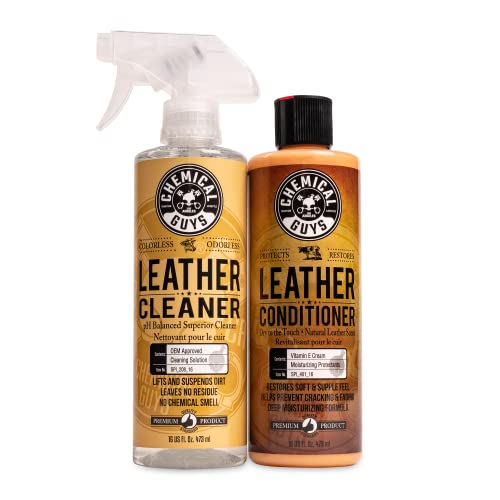
Chemical Guys Leather Cleaner & Conditioner Kit, 2 x 16 oz

Arm & Hammer Foot Powder, Talc-Free, 7 oz

Chemical Guys Sprayable Leather Cleaner & Conditioner, 16 oz

Un-du 32 oz Adhesive Remover Bottle
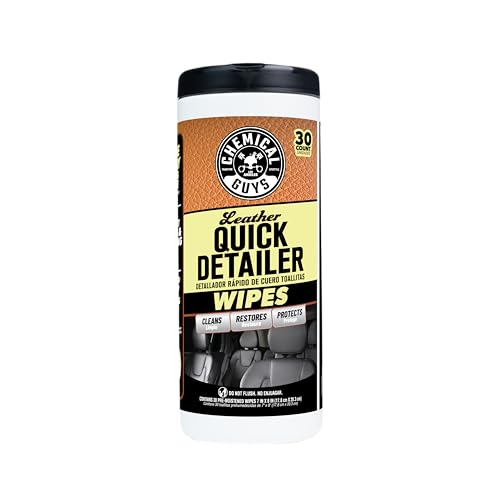
Chemical Guys Leather Quick Detailer Wipes, 30 ct

Uncle Todd’s Shoe Deodorizer Spray (Mountain Fresh)

Uncle Todd’s Shoe Deodorizer Spray (Midnight Rain)
Why These Options Stand Out
Leather furniture rarely fails because of dust alone, but a thin film of grime absolutely holds onto smells like cooking grease or fireplace residue. The Pledge Dust & Allergen Multisurface Cleaner Spray in lemon is built for sealed hard surfaces, which means it can sweep across a leather tabletop or the smooth side of a finished chair without soaking the hide.
The lemon scent does some of the heavy lifting on stale rooms, masking older odors while the formula lifts dust and pet dander. For most living rooms, a light weekly pass keeps the air cleaner between deeper treatments. The three-pack format also means one can stays in the kitchen, one in the living area, and one near the entryway.
Strong Points
- Effective on sealed granite, laminate, and finished wood that often sits near leather pieces.
- Lemon fragrance helps freshen musty rooms while the formula captures dust and dander.
- Three-can pack keeps a backup ready for the next deep clean.
- Aerosol spray covers wide leather tops and large ottomans quickly.
Worth Noting
- Not designed for deep odor penetration, so it works best as a maintenance pass rather than a fix for soaked-in smells.
- Strong lemon scent may feel overpowering for anyone sensitive to fragrances in a small room.
Who It Suits Best
Households with sealed leather furniture who want a quick weekly freshener rather than a deep odor treatment.
Where Another Pick Suits Better
Smoke-soaked jackets and car seats call for the Chemical Guys Leather Cleaner & Conditioner Kit, which is built to lift embedded odors rather than dust.
Cat urine is famously stubborn on leather sofas, partly because most cleaners are salt-based soaps that dehydrate the stain and let humidity revive it later. Purrfect Potion CATastrophe Remover takes a different angle with an enzyme-style formula (enzymes are biological molecules that break down odor-causing compounds) designed to keep working after the surface dries.
The one-gallon refill format suits multi-cat homes where a single small bottle disappears within a week. Application stays simple: blot the area, spray generously, and walk away rather than scrubbing the leather. Owners with repeated accidents on a sectional typically rotate this with a leather conditioner to keep the hide supple.
Useful Touches
- Enzyme-based approach keeps working after drying, which helps prevent the smell rebound common with soap-based cleaners.
- One-gallon size covers a long stretch of couch cushions and recliners.
- Spray-and-walk-away method reduces scrubbing on delicate leather surfaces.
- Targets urine, vomit, and spray marks in a single pass.
Points To Note
- Enzyme formulas usually need repeat applications on older stains that have soaked through to the cushion foam.
- The gallon bottle is bulky for apartments with limited storage space.
Feature Snapshot
Made For
Multi-cat households dealing with recurring accidents on leather sofas, recliners, and ottomans.
Skip It When
Smooth finished leather seats in a single car smell cleaner with the Chemical Guys Sprayable Leather Cleaner & Conditioner in One Spray.
Sensitive noses and pale leather interiors do not always mix well with citrus-heavy detailing sprays. The Chemical Guys Colorless & Odorless Leather Cleaner skips fragrance and dye, which keeps it gentle on light beige or cream seats where streaks show up easily.
At 32 ounces, the bottle is sized for several full interior jobs on a sedan or SUV. The format leans toward detailers who want to lift body oils, food spills, and sweat without leaving a perfumed haze behind. For daily drivers with passengers who get headaches from strong scents, the lack of fragrance is the main draw.
The Upside
- Fragrance-free formula suits sensitive passengers and pale leather that shows residue.
- 32-ounce bottle stretches across multiple interior cleanings.
- Targets embedded body oils and food spills common in family vehicles.
- Pairs well with a separate conditioner for a full two-step routine.
Trade Offs
- Does not include a conditioner, so buyers tackling neglected leather will need a second product.
- Agitation with a brush is usually required, which adds an extra step for casual users.
Right Fit For
Detailers and family drivers with pale leather seats who want fragrance-free cleaning before conditioning.
A Better Fit Elsewhere
Shoppers wanting a single bottle that cleans and conditions should consider the Chemical Guys Leather Cleaner & Conditioner Kit instead.
A clean-only routine can leave leather feeling tight, which is one reason older jackets and sofas end up cracking a year later. The Chemical Guys Leather Cleaner & Conditioner Kit pairs two 16-ounce bottles so the job moves cleanly from scrubbing away grime to restoring suppleness.
Both bottles are built to handle cars and household pieces alike, so the same kit can rotate between a leather couch, a steering wheel, and a bomber jacket. The dedicated conditioner leaves a non-greasy finish that matters for clothing and upholstery where transfer onto shirts or pants is a real risk. Compared with the single-bottle spray below, this kit adds a second step but rewards anyone willing to put in the routine.
Real Benefits
- Two-step system lifts grime and restores softness, which helps prevent the cracking that locks in future smells.
- Two 16-ounce bottles cover a couch, a car interior, and several jackets with product to spare.
- Non-greasy conditioner finish reduces transfer onto clothing.
- Suitable for natural leather across both vehicles and household furniture.
Less Ideal Details
- Two-bottle routine takes more time than a single spray-and-wipe approach.
- Scent profile may feel strong for users who prefer the fragrance-free option above.
Feature Rundown
Whose Shelf It Belongs On
Owners with multiple leather surfaces, including cars and sofas, who want a structured cleaning and conditioning routine.
Reach For A Different Pick When
Pet owners dealing with urine-soaked cushions may want the Purrfect Potion CATastrophe Remover alongside this kit for the worst spots.
Leather shoes trap moisture in a way sneakers rarely do, and that damp lining is the perfect host for odor. The Arm & Hammer Foot Powder brings baking soda-style odor control in a talc-free format, which suits anyone who prefers to avoid talc near skin.
A light dusting inside boots or loafers before a long day helps absorb sweat before it soaks the lining. The 7-ounce size is portable enough for a gym bag, and the powder format works on leather, canvas, and synthetic uppers alike. For most daily wearers, that routine keeps boots smelling neutral between deeper cleans.
Points In Its Favor
- Talc-free formula reduces concerns about skin contact in closed leather shoes.
- Baking soda component neutralizes odor at the source rather than masking it.
- 7-ounce bottle fits into gym bags and travel kits easily.
- Light daily dusting routine takes only seconds per shoe.
A Few Limitations
- Powder format can leave a faint white residue on lighter leather linings.
- Not designed for finished leather exteriors, so it stays in the footwell rather than on the upper.
Best Suited To
Daily wearers of leather boots and loafers who want a talc-free powder routine for the inside lining.
Consider Something Else When
Those chasing a spray-only routine for the entire shoe will likely prefer Uncle Todd’s Shoe Deodorizer Spray in either scent.
Time is the real constraint for most families, and a separate clean-then-condition routine does not always survive a busy week. The Chemical Guys Sprayable Leather Cleaner & Conditioner in One Spray collapses both steps into a single pass, which keeps leather seats and jackets from being skipped entirely.
The 16-ounce bottle targets natural leather, synthetic, and faux surfaces without the fading risk that harsher solvents sometimes carry. Owners commonly reach for it as a maintenance spray between deeper details, especially on steering wheels and armrests that collect body oils faster than full seats. Compared with the two-bottle kit above, this single spray trades some deep-cleaning power for sheer speed.
Benefits That Matter
- One-step routine cuts detailing time nearly in half.
- Safe across natural, synthetic, and faux leather, which helps households with mixed materials.
- Maintains a soft feel on high-touch zones like steering wheels and armrests.
- Classic scent signals when the coat has been applied evenly.
Honest Caveats
- Not as aggressive as dedicated cleaners on ground-in grime, so heavily soiled leather still needs the kit version.
- Owners with very pale leather should test a small spot first to confirm no color shift.
Perfect Match For
Busy commuters and families who want a quick weekly leather refresh without juggling two bottles.
Another Choice May Suit
Anyone restoring neglected, cracked leather will see better results from the Chemical Guys Leather Cleaner & Conditioner Kit’s deeper treatment.
Most leather odor removers focus on organic smells, but sticky residue from old price tags or tape can trap grime and start smelling musty on its own. The Un-du 32 oz Adhesive Remover handles that specific job with a patented formula that lifts stickers, tape, and labels on contact.
The attached scraper tool helps lift stubborn residue without scratching finished leather, and the formula evaporates fully so no oily film is left behind. The 32-ounce commercial size suits studios or shops, though home users typically decant what they need into a smaller bottle. The acid-free, non-toxic makeup also keeps it safe around archival papers, which matters for crafters who work with mixed materials.
Useful Strengths
- Patented formula removes stickers and tape without leaving oily residue behind.
- Attached scraper lifts stubborn glue without scratching finished leather.
- Acid-free and non-toxic, so it stays safe around archival papers and craft projects.
- Evaporates cleanly, which means no follow-up soap rinse is required.
Practical Considerations
- Specialty product rather than an everyday cleaner, so it complements rather than replaces other picks.
- Always test on a hidden area first to confirm compatibility with delicate leather finishes.
Who Should Grab It
Leather crafters, restorers, and shoppers with stickered bags or jackets who need residue lifted before cleaning.
Look Elsewhere When
Smoke or pet odors are the main issue; the Chemical Guys Leather Cleaner & Conditioner Kit handles those more directly.
Rideshare drivers and weekend road trippers do not always have time to pull out a spray bottle between fares. The Chemical Guys Leather Quick Detailer Conditioning Wipes put a clean-and-condition step into a single 30-count canister that fits in a door pocket or glove box.
Each wipe leaves a dry-to-the-touch matte finish, which matters for steering wheels where a slick surface is a safety concern. The light leather scent keeps interiors smelling fresh without overpowering passengers. For most daily drivers, the wipes handle the small stuff, while the spray kit above covers the deeper details.
The Case For It
- Portable canister fits in glove boxes and center consoles for quick cleanups.
- Dry-to-the-touch finish keeps steering wheels grippy after wiping.
- Subtle leather scent freshens interiors without overpowering passengers.
- 30-count format stretches across several weeks of daily touch-ups.
Small Caveats
- Wipes dry out if the canister lid is not sealed properly between uses.
- Not designed for deep-set stains that need scrubbing with the spray cleaner above.
Built With In Mind
Rideshare drivers, road-trippers, and parents who need a portable leather refresh between deeper details.
Swap It Out When
Restoring neglected leather requires the cleaning power of the Chemical Guys Leather Cleaner & Conditioner Kit rather than surface wipes.
Leather sneakers and work boots collect sweat that powders alone sometimes cannot reach once it sinks into the lining. Uncle Todd’s Shoe Deodorizer Spray in Mountain Fresh uses an enzyme-based spray to break down odor-causing buildup inside shoes, with a plant-derived formula that avoids heavier chemical solvents.
The Mountain Fresh scent leans on green ivy, Brazilian orange, Italian lemon, and a base of patchouli, cedarwood, musk, and vanilla, which gives shoes a warm outdoorsy finish rather than a sharp chemical note. Owners commonly spray the interior after workouts and let shoes dry overnight for the strongest effect.
The Practical Payoff
- Enzyme formula keeps working after the spray dries, which helps with stubborn sweat smell.
- Plant-derived ingredients suit shoppers avoiding harsher solvent sprays.
- Warm Mountain Fresh scent reads more outdoorsy than clinical.
- Spray format reaches the toe box where powders cannot settle evenly.
Things To Consider
- Enzyme sprays need drying time, so shoes are usually not wearable for several hours after treatment.
- Scent may feel too layered for anyone who prefers a single-note freshener.
Who Will Love This
Active wearers of leather sneakers and boots who want an enzyme spray with a warmer fragrance profile.
A Better Fit Elsewhere
Crisp-scent shoppers may prefer the Midnight Rain variant below, which leans toward citrus and herbal notes.
The Midnight Rain variant of Uncle Todd’s Shoe Deodorizer Spray swaps the warm Mountain Fresh notes for a crisper blend built on kaffir lime, lemon, basil, black pepper, cucumber, vetiver, and clove. For shared closets or anyone who finds warmer scents too heavy, that cooler profile makes daily use easier.
The enzyme spray mechanism is identical to its sibling, so the same drying routine applies: spray, leave overnight, and wear the next day. Compared with the Mountain Fresh option, the choice really comes down to scent preference, since both share the same plant-derived deodorizing action across leather and fabric footwear.
The Helpful Details
- Crisp citrus and herbal notes suit shared closets and warm climates.
- Plant-derived enzyme formula targets odor at the source rather than masking it.
- Spray format reaches into toe boxes that powders cannot reach.
- Works across leather, canvas, and synthetic uppers.
Some Limits To Know
- Cooler scent may fade faster than the warmer Mountain Fresh option in humid environments.
- Multiple treatments are usually required for shoes that have been stored damp for weeks.
The Right Fit
Shoppers who prefer crisp, citrus-leaning scents and want an enzyme shoe spray for daily leather footwear.
Where A Sibling Pick Shines
Anyone wanting a warmer, more outdoorsy fragrance will likely prefer the Mountain Fresh variant of the same Uncle Todd’s spray.
What Matters When Shopping For Leather Odor Removers
Leather is technically animal hide, so it breathes, absorbs, and reacts to liquids in ways that fabric does not. The first thing to match is the finish: protected or pigmented leather (coated with a clear sealant) tolerates more aggressive cleaners, while aniline or nubuck (lightly treated, more natural-feeling) needs gentler, water-based formulas. Aniline leather shows the natural grain and absorbs spills quickly, so stronger solvents can leave permanent dark spots.
For jackets and clothing, fragrance load matters because the leather sits against skin all day. A heavily perfumed spray on a bomber jacket can clash with cologne or perfume, so fragrance-free or lightly scented options tend to wear better. Household furniture has more flexibility, but open living rooms can trap scent for hours after a treatment.
Shoe leather faces the toughest job because sweat and heat soak the lining daily. Enzyme sprays reach deeper than powders, while powders stay useful for prevention on a daily basis. The smartest move for most people is pairing one interior treatment with a quick daily habit, rather than relying on a single product for every job.
Key Considerations Across These Picks
Mistakes Worth Dodging
Spraying an untested product directly onto a visible cushion is the single fastest way to learn what “water spotting” really looks like on pale leather. Always test on a hidden seam first, especially with pigmented aniline finishes. Another common slip is assuming more product means faster results. Enzyme sprays and leather cleaners work best when given dwell time, which is the period the product sits on the surface before wiping, rather than aggressive scrubbing that can wear the finish. Finally, never seal damp leather back into a closet or car trunk. Moisture trapped under a cover is how mildew smell develops in the first place, and a quick air-dry step prevents the cycle from restarting.
Where The Extra Money Goes
Premium kits like the Chemical Guys two-bottle set cost more because they separate cleaning from conditioning, which lets each formula specialize. That separation matters on neglected leather where a single-step spray would need to balance two jobs at once. Larger gallon refills, like the Purrfect Potion option, save money per ounce for multi-cat homes that would burn through smaller bottles in a week. Enzyme technology also tends to push the price up versus basic deodorizers, because the biological agents are more expensive to stabilize in a shelf-stable bottle.
Frequently Asked Questions
Can leather odor removers damage the finish?
Most formulas designed specifically for leather are safe on protected finishes, but always spot test on a hidden seam first. Harsh solvents and household cleaners can strip pigment or dye, so sticking to dedicated leather products matters.
How long does it take for odor to fully disappear?
Light surface smells often fade within a few hours of treatment, while embedded pet or smoke odors can take several repeat applications. Drying time between passes is what allows the formula to keep working.
Are enzyme sprays safe on all leather types?
Enzyme sprays work well on finished leather and most linings, though delicate aniline leather should still be spot tested. Aniline is the most absorbent type, so a quick hidden test prevents visible spotting.
Should leather be conditioned after deodorizing?
Yes, in most cases. Cleaning lifts grime and odor but can leave leather feeling dry, so a follow-up conditioner helps restore suppleness and prevents cracking that locks in future smells.
How often should leather be treated for odors?
Most leather benefits from a light cleaning every few weeks and a deeper treatment every few months. Shoes and high-touch areas may need more frequent attention than furniture or jackets.
Final Verdict
The right leather odor remover depends on where the smell lives. Jackets and sofas usually respond best to a two-step cleaner and conditioner, while shoes and pet-soaked cushions call for enzyme sprays or powders. Picking one maintenance product and one deeper treatment covers most homes without overcomplicating the routine.
