

Cracked heels, rough soles, and that tight, paper-dry feeling after a long day on hard floors don’t fix themselves. A dedicated foot cream works differently from a body lotion, packing in richer emollients, heavier occlusive ingredients, and often a keratolytic active like urea to actually break down thickened skin. The right one softens calluses over weeks, not minutes, and turns the nightly routine into a small act of repair.
The lineup below mixes European spa formulas, clinical-strength urea treatments, and a wave of newer solid-stick balms designed for gym bags and bedside tables. Every pick here earned its spot for a specific reason, whether that’s diabetic-friendly safety, vegan ingredient lists, or a format that actually fits a travel kit. Skip the guesswork and find the one that matches the kind of feet you live with.
A Closer Look At The Lineup

L’OCCITANE 15% Organic Shea Butter Foot Cream

The Naked Bee Foot Balm for Restoration Heel (2 oz)

Flexitol Heel Balm 4 Oz Tube (Pack of 2)

O’Keeffe’s for Healthy Feet Foot Cream 2-Pack

OKeeffes Healthy Feet Cream Travel Tube
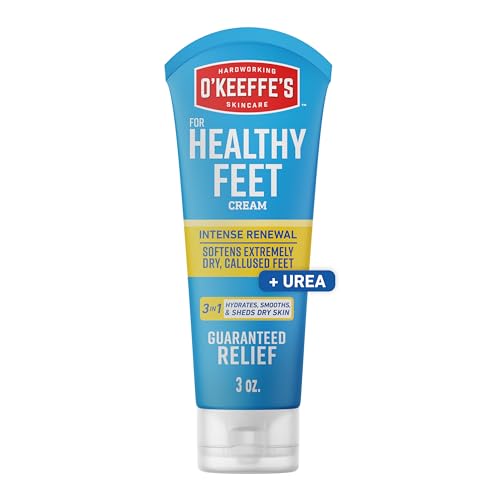
OKeeffes Healthy Feet Intense Renewal Cream

Urea 60% + Salicylic Acid Foot Cream Stick

REBODUM Heel Treatment Balm Stick with Manuka Honey

REBODUM Peach Foot Care Stick with Shea Butter

REBODUM Aloe Vera Foot Care Stick with Shea Butter
A Deeper Look At The Lineup
Shea butter anchors this French pharmacy-style formula at 15% concentration, which sits well above what most body lotions bother to include. The texture absorbs fast, leaving a soft satin finish rather than the slick film heavier balms tend to leave behind, and the vegan ingredient list reads clean for shoppers who screen labels.
For people whose feet are dry but not damaged, this is the easy everyday choice. Scent is light, and a little goes a long way across both feet after a shower, depending on how much lotion is applied.
Everyday Perks
- 15% organic shea butter, a higher concentration than most body lotions
- Non-greasy finish that absorbs in seconds, good for slipping into socks after
- Vegan formula suits label-conscious shoppers
- Light, pleasant scent won’t clash with perfume or sandal weather
- A pea-sized amount covers both heels, so one tube stretches further than expected
Worth Noting
- Not built to break down thick calluses the way urea-based formulas do
- Premium pricing means it works best as a maintenance cream, not a heavy-duty repair treatment
- Tube runs small for the price tier, so daily long-term users may go through it quickly
At A Glance
Who It Suits Best
Dry-but-healthy feet in need of a daily luxury moisturizer, especially in dry climates or heated indoor spaces where skin loses moisture overnight.
Consider Something Else When
Heels with deep cracks or thickened calluses will respond better to Flexitol Heel Balm, which targets rough skin with a keratolytic active.
This 2 oz jar from The Naked Bee leans into a honey-and-beeswax base, with meadowfoam oil for moisture retention and neem oil for antioxidant support. The orange blossom honey scent is gentle, the texture is dense, and the format works well as a slather-on-at-night treatment.
It feels like an old-school balm rather than a clinical cream, which is a feature, not a bug, for shoppers who prefer simpler ingredient decks. The brand sources domestically where it can, and the formulation avoids the urea-and-acid chemistry that some skin types find irritating.
Points In Its Favor
- Honey, beeswax, and meadowfoam oil build a natural-feeling occlusive layer
- Compact 2 oz jar fits easily on a nightstand or in a toiletry bag
- No urea or acids, so it suits sensitive skin that reacts to keratolytics
Trade Offs
- Jar format means dipping fingers in, which can introduce moisture and shorten shelf life
- Won’t break down thickened callus tissue the way urea-based treatments do
- Scent, while mild, is still present, so fragrance-sensitive users should sample first
Made For
Shoppers who want a naturally derived balm and prefer jar-and-scoop rituals over squeeze-tube convenience.
Skip It When
Thick, persistent heel calluses will need Flexitol Heel Balm, whose 25% urea content does the heavy lifting this balm isn’t designed for.
Flexitol’s signature is a 25% urea concentration, which is high enough to actually dissolve the intercellular glue holding dead skin cells together. The balm also layers in aloe, vitamin E, shea butter, lanolin, and glycolic acid, creating a thick, treatment-grade product aimed at heels that have moved past cosmetic dryness into rough, cracked territory.
It comes in a 4 oz tube, and the listing is a two-pack, which makes sense for anyone who uses it daily on both feet. The brand also markets it as diabetic-safe, and the formula avoids fragrance, a small but important detail for compromised skin.
Real Benefits
- 25% urea actively sloughs thickened skin instead of just coating it
- Diabetic-friendly formulation, generally well tolerated on fragile skin
- 4 oz tubes in a two-pack deliver serious value for daily users
- Non-greasy feel once massaged in, despite the heavy active load
Honest Caveats
- Urea at this strength can sting on freshly cracked or bleeding heels
- More aggressive than what mild dryness needs, so over-application risks irritation
- Tube opening can clog if the cap isn’t wiped after use, a small but common frustration
Quick Facts
Right Fit For
People with thick, callused, or visibly cracked heels who want a treatment-grade product rather than a maintenance lotion.
Where Another Pick Suits Better
Mildly dry feet without callus buildup will find L’OCCITANE’s shea foot cream gentler and more pleasant for everyday use.
O’Keeffe’s built its reputation on concentrated, no-nonsense repair creams, and the Healthy Feet formula is its flagship. The product creates a protective layer on the skin’s surface, which locks in moisture and gives severely cracked heels a real chance to recover overnight. The two-pack format here means a spare tube lives in the gym bag while the primary stays bedside.
It’s not glamorous, but for severely dry feet that have ignored every lotion tried so far, this is the kind of product that tends to change minds. Texture is dense and tacky at first, then absorbs within a few minutes, leaving feet feeling sealed rather than coated.
What Stands Out
- Concentrated formula targets extremely dry, cracked skin with serious intent
- Non-greasy once absorbed, so pajamas and socks stay clean
- Two 3 oz tubes cover daily morning-and-night use for months
- Wide, stable tube base sits upright on a counter without tipping
Points To Keep In Mind
- Texture is thicker than a typical lotion, which can feel unfamiliar at first
- No exfoliating active, so it repairs around callus rather than dissolving it
- May need consistent nightly use for a week before cracked heels visibly improve
Key Product Details
Best Suited To
People with severely dry or cracked heels who have tried standard lotions without success and want a focused repair cream.
Look Elsewhere When
Thick callus buildup needs chemical exfoliation, in which case Flexitol Heel Balm with 25% urea is the stronger choice.
Same core formula as the two-pack flagship, but in a single 3 oz travel tube sized for carry-on bags and gym lockers. For anyone who already trusts the brand and just wants one tube to live in a toiletry kit, this is the no-fuss option.
The 3 oz size fits within standard carry-on liquid rules for air travel, which is the practical reason this listing exists. For chronic dry-feet sufferers who don’t want a multi-month stockpile, buying a single tube keeps the rotation lean.
Where It Delivers
- Single 3 oz tube fits airline carry-on liquid rules for travel
- Same concentrated repair formula as the multi-pack
- Slim profile slips into a dopp kit or gym bag without taking up space
Room For Improvement
- Single tube costs more per ounce than the 2-pack
- Still no exfoliating active, so callus-prone feet need pairing with a urea product
Feature Snapshot
Who Will Love This
Frequent flyers and gym-goers who want O’Keeffe’s repair power in a single, travel-sized tube.
Not Your Match When
Heavy at-home users get better per-ounce value from the O’Keeffe’s 2-pack, which is the same formula in a larger bundle.
The Intense Renewal formula is O’Keeffe’s upgraded take on its core cream, layering multiple actives for faster visible results. It’s positioned as a 3-in-1 treatment, designed to soften rough skin, hydrate deeply, and protect against moisture loss in a single daily application.
Compared to the standard Healthy Feet cream reviewed earlier, this one trades a little gentleness for visible change in fewer applications. Heels that have been ignored for seasons may show softer texture within the first week, depending on starting condition.
Everyday Wins
- 3-in-1 formula softens, hydrates, and seals in a single step
- Faster visible softening than the standard O’Keeffe’s cream for many users
- Long-lasting hydration reduces the need to reapply mid-day
- 3 oz tube strikes a balance between travel and at-home use
Worth Bearing In Mind
- Stronger formulation can sting on freshly cracked or bleeding heels
- Priced higher per ounce than the standard Healthy Feet cream
- Thicker texture takes longer to fully absorb into the skin
Perfect Match For
People with rough, neglected heels who want a faster reset than a basic repair cream can deliver, and who don’t mind a slightly denser texture.
Another Choice May Suit
Sensitive or first-time foot cream users may prefer the gentler O’Keeffe’s for Healthy Feet cream rather than this intensified version.
Urea at 60% is a different category from anything else on this list. That’s a clinical-grade concentration paired with 2% salicylic acid, both of which are keratolytics, meaning they actively dissolve the protein bonds holding thickened heel skin together. The twist-up stick format keeps the formula contained, no fingers in a jar, no greasy lotion runoff.
This is a targeted tool, not an everyday lotion. The 1.4 oz size is small because a little covers a lot, and the stick glides directly onto the rough patches that need it most. For stubborn cracked heels that have resisted gentler products, this is the strongest option in the lineup.
A Few Strong Suits
- 60% urea concentration is among the highest available in a consumer product
- Salicylic acid pairs with urea for faster callus breakdown
- Stick format means no messy cream transfer onto hands or floors
- Compact 1.4 oz size is easy to store or travel with
Potential Drawbacks
- Maximum-strength formula can irritate sensitive or healthy skin if over-applied
- Small stick size means heavy users will need to replace it more often
- Not a daily-use lotion, it’s a treatment, so it pairs awkwardly with a regular moisturizer
Who Should Grab It
Anyone with stubborn, deeply cracked heels who has tried gentler products without success and wants a clinical-grade keratolytic in a clean stick format.
Reach For A Different Pick When
Feet that just need a daily moisture boost will find the REBODUM Peach Foot Care Stick more appropriate and less aggressive.
This solid balm stick combines manuka honey and shea butter as the headline moisturizers, then layers in aloe vera, green tea, and chamomile for a calming finish. The twist-up format means no drips, no greasy fingers, and a clean application that works over shoes-ready feet mid-day.
Versus the urea-heavy treatments above, this one is a maintenance tool. It also works on hands and elbows, which makes it appealing for shoppers who want one product to cover multiple dry-skin zones. For cold-weather months when both heels and knuckles suffer, the dual-use angle pays off.
Noteworthy Benefits
- Solid stick format means no mess and no transfer onto hands
- Manuka honey and shea butter deliver a smooth, non-greasy feel
- Doubles as a hand and elbow moisturizer, adding value beyond feet
- Botanical extras like aloe, green tea, and chamomile add a soothing layer
Less Ideal Details
- No exfoliating active, so it won’t break down existing callus buildup
- Solid balm can feel firm in cold environments and softer in warm ones
- Smaller stick size means frequent users will repurchase sooner than tube users
Built With In Mind
Busy professionals and travelers who want a clean, no-mess balm that can live in a work bag or desk drawer without leaking.
Swap It Out When
Heels with serious callus buildup need the Urea 60% + Salicylic Acid Foot Cream Stick, which actually dissolves thickened skin rather than just coating it.
The Peach Foot Care Stick pairs shea butter and beeswax in a 40 g solid stick, designed for daily touch-ups across heels, toes, and soles. The lightweight texture means it goes on without pooling or sitting heavy, and the twist-up format keeps things tidy.
This is the easygoing option, made for people who don’t want a foot-care ritual, just a quick swipe after the shower. It also pairs well as a maintenance product layered on top of weekly urea treatments, depending on how aggressive the callus situation is.
The Practical Payoff
- Lightweight, non-greasy texture absorbs in moments
- Shea butter and beeswax deliver a basic but effective occlusive layer
- 40 g stick lasts through weeks of daily use
- Safe to apply across heels, toes, and soles without measuring
Some Limits To Know
- Lacks any exfoliating active, so it won’t soften existing callus on its own
- Stick surface can develop a slightly uneven texture as it warms in transit
- Peach scent, while pleasant, is noticeable enough to consider before use
Whose Shelf It Belongs On
Anyone who wants a no-fuss, daily foot balm they can swipe on in seconds without breaking the morning routine.
Where A Sibling Pick Shines
Cracked heels that need real repair work will get more from the O’Keeffe’s for Healthy Feet cream, which targets moisture sealing rather than just a light occlusive layer.
The Aloe Vera version of REBODUM’s foot stick uses the same 40 g twist-up format, but leans on aloe as the headline soothing ingredient alongside shea butter and beeswax. The result is a slightly lighter, cooler feel on the skin, which is helpful for first-time users who aren’t sure how a foot balm should feel.
It’s the gentlest option in the stick category, and it works as a gateway product for people who haven’t used a dedicated foot cream before. Think of it as a starting point that can be paired with something stronger if heels need more.
Standout Benefits
- Aloe-forward formula feels cooling and gentle on first use
- Twist-up stick keeps application clean and portable
- Non-greasy finish makes daytime use realistic
- Good entry point for shoppers new to dedicated foot care
Practical Considerations
- Light hydration means it’s better for prevention than repair
- No exfoliating active, so existing callus needs a separate product
- Smaller size than tube creams, so daily use depletes it faster
Who It Suits Best
First-time foot cream users who want an approachable, gentle stick that introduces them to a daily foot care habit without intimidating ingredients.
Consider Something Else When
Heels already showing cracks or roughness will benefit more from the L’OCCITANE 15% Organic Shea Butter Foot Cream, which carries a richer emollient load.
What To Weigh Before Picking Your Next Foot Cream
Match the formula to the foot, not the trend
The biggest decision is whether the heel needs moisture, exfoliation, or both. Mildly dry skin responds well to shea butter and beeswax-based creams, which coat and protect without changing skin structure. Cracked or callused heels need a keratolytic, an ingredient like urea or salicylic acid that chemically loosens dead skin, before any moisturizer can really sink in. Skipping the exfoliation step and reaching for a richer cream is a common trap, and the result is usually lotion sitting on top of dead skin without doing much.
Read the active percentage, not just the front label
Urea at 5% is a soft moisturizer. Urea at 25% is a treatment. Salicylic acid at 2% paired with urea compounds the effect. The same words on the front of a tube can mean wildly different things, so the back label matters more than the marketing copy. Glycerin and dimethicone are common humectants and occlusives respectively, ingredients that pull water into the skin and seal it in. They help in any formula but won’t do the heavy lifting alone on rough feet.
Decide on the format that fits the routine
Tube creams suit a nightly at-home ritual. Twist-up sticks live in gym bags and work backpacks. Jars feel like spa treatments but require clean hands every time. For people who’ll realistically only apply foot cream in the shower, the cleanest format wins, otherwise the product sits unused on a shelf. Format friction is one of the most common reasons a great foot cream gets abandoned after two weeks.
Think about secondary skin needs
Diabetics and anyone with circulation issues should look for fragrance-free, clinically tested formulas. People with sensitive skin do better avoiding urea above 25% and any added fragrance. Shoppers who want one product for hands, elbows, and feet should pick a multi-purpose stick. The right foot cream rarely has to be a foot-only product, but it does have to match the skin it’s applied to.
Key Considerations Across These Picks
Common Shopping Slip Ups
The most frequent mistake is buying a richer cream than the foot actually needs, assuming thicker equals better. Rich creams sit on top of callus without softening it, which leads to frustration and the false conclusion that foot creams don’t work. The other common slip is ignoring format friction: a beautiful jar that requires a nightly spoon-and-massage routine tends to lose out to a stick that lives in plain sight.
What The Higher Tier Buys
Premium pricing in this category generally buys a higher concentration of named actives, like 15% shea butter or 60% urea, and cleaner ingredient decks without fillers. It also buys texture refinement, meaning faster absorption, less residue on sheets and socks, and a finish that feels intentional rather than medicinal. Whether the upgrade is worth it depends on how often the product is used, since premium formulas perform best on a daily routine rather than occasional rescue duty.
Frequently Asked Questions
How often should moisturizing foot creams be applied?
Most moisturizing foot creams work best with once-daily use after a shower, though severely cracked heels often benefit from a second application before bed. Consistency matters more than frequency, since the skin on the feet cycles slowly and responds to weeks of steady moisture rather than occasional heavy applications.
Is urea safe for sensitive skin?
Urea at low concentrations (under 10%) is generally well tolerated and acts mainly as a humectant, an ingredient that draws water into the skin. At higher concentrations (25% and up) it becomes keratolytic, meaning it dissolves dead skin, and can sting on freshly cracked or compromised skin. Patch testing on a small area is the safest approach for anyone with reactive skin.
Can foot creams help with cracked heels?
Yes, though the right formula matters. Cracked heels need both moisture sealing and gentle exfoliation to clear the thickened skin that cracks in the first place. Creams with urea or salicylic acid at meaningful concentrations work better for this than emollient-only lotions, and consistent nightly use over several weeks is usually required for visible change.
Are solid foot balm sticks as effective as creams?
Solid sticks deliver the same moisturizing ingredients in a different format, with the trade-off being that they tend to layer occlusive ingredients like beeswax and shea butter rather than humectants like glycerin. They excel for daily maintenance and on-the-go use but aren’t typically the strongest option for breaking down callus, since they rarely include keratolytic actives.
Should diabetic shoppers choose a specific type of foot cream?
Diabetic skin benefits from fragrance-free, well-tolerated formulas designed for compromised skin. Diabetic-safe products like Flexitol Heel Balm are formulated with this in mind and avoid common irritants. Anyone with diabetes should also have any persistent foot issues reviewed by a healthcare professional before self-treating at home.
Bottom Line
The right foot cream depends entirely on what the heels actually need. Mildly dry feet thrive on shea-rich formulas from L’OCCITANE or REBODUM’s gentle sticks. Severely cracked heels need a urea-loaded treatment like Flexitol or O’Keeffe’s Healthy Feet, while stubborn callus responds to clinical-grade products like the 60% urea stick. Match the formula to the foot, stick with it for a few weeks, and most feet come back around without much fuss.
