

Lip-care routines have gotten a lot more technical in the last few years, and at-home LED masks are a big reason why. People juggling recurring cold sores, fine lines around the mouth, or just dry, weathered lips want a tool that fits into a normal evening, not a clinical appointment. The category has exploded, though, and that means sifting through a wall of face masks, panels, and wand-style gadgets that all claim to help. This list rounds up ten options that genuinely address the lip area, from full-face masks with chin and lip coverage to compact targeted wands, so you can match the format to the problem you actually want to solve.
Your Options, Compared

GIHWRRI 7-Color LED Light Therapy Mask

FANGJIAYUAN Wireless LED Face Mask with 850nm NIR
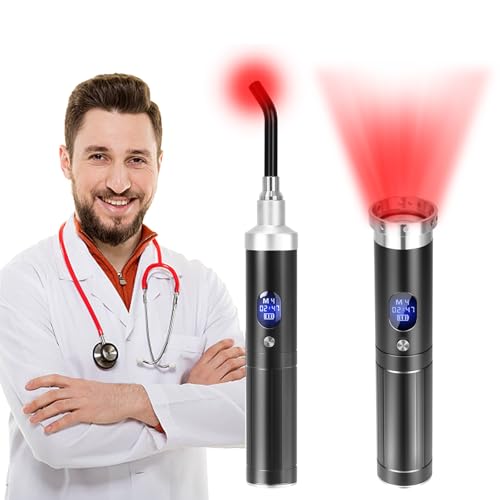
Topvent Cold Sore Red Light Therapy Wand

PLTDWN FDA-Cleared Face, Chin & Neck LED Mask
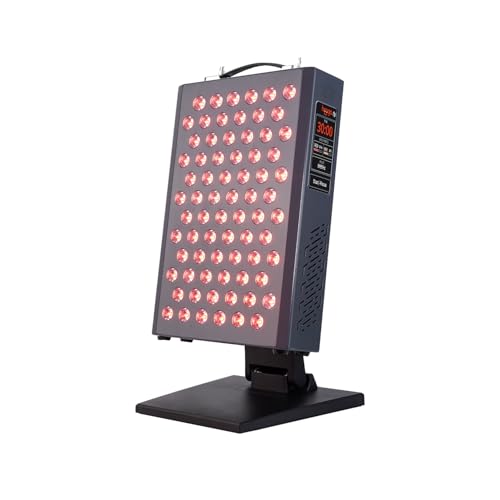
Hooga ULTRA360 Red & NIR Light Therapy Panel

Beuwe 7-Color LED Face & Neck Mask

Makiuri Clinical Grade Red & NIR Light Panel

Puropal Cordless LED Mask for Wrinkles & Acne

X-Vitalis Wireless LED Mask for Face & Lips

VogueNow LuminX Pro LED Mask with Chin & Lip Coverage
More On The Choices That Made The List
The GIHWRRI mask leans into variety, running seven wavelengths through a flexible silicone shell that sits over the full face, mouth included. For someone new to at-home light therapy, that breadth removes the guesswork: red for collagen support, blue for breakout-prone zones, and additional tones layered in for tone and texture work. The rechargeable format keeps cords out of the way during a session.
What you give up for all those modes is simplicity. Dialing through seven settings can feel like overkill if your only real concern is a recurring cold sore or smoker’s lines around the lips. It’s a better match for the curious user who wants a single device to cover several skin goals at once.
Notable Upsides
- Seven wavelengths tackle multiple skin goals in one mask, so you don’t need a separate device for breakouts and fine lines.
- Soft silicone shell flexes around the face, which helps the mouth and chin area sit closer to the LEDs.
- Rechargeable design means no hunting for batteries mid-routine.
- Full-face coverage reaches the lip area alongside cheeks and forehead, handy for people treating the whole lower face.
Things To Consider
- Seven modes can overwhelm first-timers who really want one or two targeted results.
- Flexible silicone masks commonly need a wipe-down after every session to keep the interior hygienic.
Who It Suits Best
Multi-concern users who want one device to handle breakouts, texture, and early signs of aging around the mouth at the same time.
Where Another Pick Suits Better
The Topvent Cold Sore Red Light Therapy Wand is a tighter fit if your only concern is a recurring cold sore and you’d rather skip a full-face mask.
Where the GIHWRRI mask stacks seven colors, the FANGJIAYUAN strips the experience down to four modes built around a near-infrared (NIR) wavelength of 850 nanometers. NIR sits just past visible red on the light spectrum, and it’s the wavelength most often associated with deeper-penetration sessions aimed at fine lines and elasticity. The 2000mAh battery delivers around 200 minutes on low intensity, enough to cover a week of travel without recharging.
For someone flying out for work or simply not wanting to sit tethered to a wall outlet, that cordless design matters more than a long mode list. It’s also noticeably lighter than bulkier clinical-style masks, so a session before bed doesn’t feel like a chore.
What Pays Off
- Cordless build with magnetic-style charging means you can finish a session on the couch, in bed, or while traveling.
- 850nm near-infrared setting targets deeper layers where lip-line creases tend to form.
- Four modes keep the learning curve short for first-time users.
Trade Offs
- High-intensity sessions drop runtime to around 90 minutes, which can feel limiting on longer trips.
- Without blue light, this isn’t the right tool if breakouts are part of your routine.
Made For
Travelers and remote workers who want a cordless lip and face routine that fits in a carry-on.
Look Elsewhere When
The Hooga ULTRA360 is a stronger pick if you’d rather sit in front of a stationary panel at home for a full-body session.
The Topvent wand does something most masks on this list don’t: it focuses a single beam of infrared light onto a small, stubborn area. The detachable tip is the trick. Pop it on and the device becomes a precision tool aimed at a cold sore on the lip, a canker sore inside the mouth, or a tender spot near the nose. Pull the tip off and the same wand works as a broader red light tool for joints, wrists, or sore muscles.
Compared to a full silicone mask, this is a very different ownership experience. You’re holding a small device against one spot for a minute or two at a time, which feels closer to a clinic tool than a beauty gadget. The LCD display on the body of the wand helps you keep track of session length, which matters more than it sounds when you’re aiming at a flare-up zone.
What It Does Well
- Detachable tip switches the same device between precision lip work and broader body sessions.
- Compact wand format is easier to aim at a single cold sore than any full-face mask.
- LCD display removes the guesswork around session length and mode changes.
Honest Caveats
- Holding the wand in place for several minutes per area can be tiring on the hand.
- Not designed for whole-face anti-aging routines, so it pairs awkwardly with a mask you already own.
- Small treatment area means longer total session times if you’re working across multiple spots.
Best Suited To
People with recurring cold sores or canker sores who want a targeted tool rather than a full-face routine.
Skip It When
The VogueNow LuminX Pro makes more sense if you mainly want to address fine lines and acne across the whole face, not isolated lip flare-ups.
The PLTDWN mask’s standout number is 416 LEDs, packed into a matrix that runs from forehead down past the chin. Most face masks stop at the jawline, which leaves the area directly below the lips, the chin, and the upper neck untreated. This one keeps going, which matters if your concern is the vertical lip lines that run into a softer chin or the early crepe-y texture under the jaw.
The mask pairs red light with near-infrared, plus a blue option, across four treatment modes. The FDA-cleared 510K designation is worth noting if you care about regulatory history: that classification is the specific FDA pathway used for devices similar to one already on the market. The adjustable chin and neck coverage is a real differentiator from the GIHWRRI seven-color mask earlier in the list.
The Value In It
- 416 LEDs in a continuous matrix mean fewer dead zones around the mouth and chin.
- Four treatment modes cover wrinkles, dark spots, and breakout-prone skin in one device.
- Chin and neck reach is rare at this price range and saves adding a second tool to the routine.
Room For Improvement
- Larger coverage area also means a longer total session if you’re treating everything in one go.
- The mask’s footprint can feel bulky compared to lip-only options if your main goal is the mouth.
Right Fit For
Shoppers focused on the lower face and neck who want one device to handle both areas in a single session.
Reach For A Different Pick When
The Puropal cordless mask is a better match if you’d rather stay wireless and only need a lighter touch on the face.
Everything before this on the list has been a mask or a wand. The Hooga ULTRA360 is the first panel, and that’s a meaningful shift in how you use it. Instead of wearing something on your face, you set the panel on a desk or stand and sit roughly a foot away. Each of the 72 quad-chip LEDs delivers four wavelengths at once: 630nm, 660nm, 810nm, and 850nm. That range covers both visible red and the deeper-penetration near-infrared bands in a single session.
Adjustable brightness and a pulse mode (where the light cycles on and off rather than staying constant) give you more control over intensity than a fixed-output mask. The trade-off is space. Panels are larger and meant to stay in one spot, so this works best if you have a corner of a room where you can sit for ten to fifteen minutes without interruption. It’s also the first item here that pulls double duty for lip care and post-workout recovery sessions on larger muscle groups.
Features That Help
- Four wavelengths per LED mean a single panel covers both red and near-infrared goals.
- Pulse mode and adjustable brightness let you tune intensity up or down as your skin adjusts.
- Panel format works for face, neck, and larger body areas without swapping devices.
Points To Keep In Mind
- Panels take up more room than a mask and aren’t travel-friendly.
- Sitting still in front of the panel for ten-plus minutes can feel like a commitment on busy evenings.
Who Will Love This
Home users who want one stationary device to cover lip care alongside larger recovery sessions.
Not Your Match When
The FANGJIAYUAN wireless mask is a more practical pick if you travel often and don’t have room for a panel setup.
The Beuwe mask covers more than the face. The 100 light points built into the silicone shell work on the neck, hands, and body, which makes it a more flexible option than a face-only design if you’ve been wanting to add light therapy to a wider routine. The seven-color setup mirrors the GIHWRRI mask earlier on the list, with red, blue, and a handful of additional tones for different skin goals.
The recommended use is 20 to 40 minutes per session, two or three times a week, which is gentler than daily-use masks. If you’ve got a busy schedule and don’t want to commit to a nightly session, that lighter cadence could actually help you stay consistent. The reusable silicone is also easy to wipe down between uses, which matters more than people expect once a mask becomes part of the weekly routine.
Well-Handled Touches
- 100 light points arranged three-dimensionally reach the face, neck, and hands in one mask.
- Seven colors let you match the session to whatever your skin is asking for that week.
- Lower weekly time commitment (2 to 3 sessions) suits a packed calendar.
Worth Noting
- Longer per-session runtime (20 to 40 minutes) requires more patience than 10-minute masks.
- Body and hand use is a nice bonus, but the LED density per area is lower than a face-only mask.
Perfect Match For
Multi-area users who want a single mask they can move from face to neck to hands without buying extras.
Consider Something Else When
The VogueNow LuminX Pro is a tighter match if you want shorter, FDA-cleared sessions focused only on the face and lips.
The Makiuri panel splits the difference between the larger Hooga unit and a small personal device, with 60 LEDs arranged behind a flat panel housing. Where it stands out is the wavelength spread: 630nm, 660nm, 810nm, 830nm, and 850nm are all in play, which is one more band than the Hooga offers. The 830nm wavelength shows up in some clinical routines aimed at deeper skin and tissue work, so the broader spread is genuinely useful rather than a marketing extra.
At 60 LEDs rather than 72, the Makiuri delivers a slightly less intense session, but for a starter panel in a small room, that’s rarely a problem. The white-mercury housing also makes it look more like a piece of furniture than a clinical gadget, which matters if you plan to leave it set up in a living area or bedroom corner.
A Few Highlights
- Five wavelengths, including 830nm, support a wide range of lip and skin routines.
- Compact panel size fits on a desk or nightstand without dominating a room.
- Neutral housing blends into a bedroom or living space better than clinical-looking devices.
Some Limits To Know
- Fewer LEDs than larger panels mean longer sessions to cover the same area.
- Panel-based use still requires sitting in one place for the duration of the session.
Whose Shelf It Belongs On
Beginners who want panel-style light therapy for lip and overall skin care without committing to a larger device.
A Better Fit Elsewhere
The Hooga ULTRA360 is a stronger match if you want more LEDs and quad-chip output for faster sessions.
The Puropal mask’s number worth remembering is 168 grams, which is roughly the weight of a small apple. On the face, that translates to a pressure-free fit you can wear while reading, doing light chores, or even catching a few minutes of rest. The food-grade silicone sits against the skin without irritation, and the magnetic, cordless connection means there are no straps pulling at the back of the head.
Under the hood, 84 four-in-one LED chips push out 336 beams across four modes: red plus infrared for wrinkles, blue plus infrared for acne, yellow plus infrared for redness, and a mixed mode. The 2000mAh battery runs at least 120 minutes at the high setting, which covers several sessions between charges. Compared to the GIHWRRI seven-color mask, this is a tighter, more comfort-driven build with fewer modes but a noticeably lighter wear.
Useful Highlights
- 168-gram build makes longer sessions feel less like wearing a piece of equipment.
- Four well-targeted modes cover wrinkles, acne, and redness without overwhelming beginners.
- Adjustable head straps let you fine-tune the fit across different face shapes.
Practical Considerations
- Silicone shells commonly need gentle cleaning after every session to prevent product buildup.
- Fewer modes than a seven-color mask, so users with multiple advanced goals may outgrow it.
Who Should Grab It
Comfort-first users with redness-prone or sensitive skin who want a mask they can actually wear for a full session.
Swap It Out When
The GIHWRRI mask fits better if you want a broader wavelength spread and don’t mind a slightly heavier build.
The X-Vitalis mask is the first one on this list built with a lip zone specifically in mind. Most face masks leave the mouth area as a passive gap in coverage, which is fine for general anti-aging but not ideal if your main concern is lip-line texture or the upper lip itself. The four-core LED beads here are arranged to cover the lips alongside the rest of the face, and the food-grade silicone keeps the fit gentle on a sensitive area.
Wireless operation with magnetic charging means you can do a session on the couch, in the kitchen, or while packing for a trip. The 10 to 20 minute runtime is shorter than masks that ask for 30 to 40 minutes, which is more realistic on a weekday evening. Among all the masks on this list, this one focuses most directly on the lip area as a treatment target rather than a side effect of full-face coverage.
Good Reasons To Consider
- Lip-inclusive coverage treats the mouth area as a primary target, not an afterthought.
- Food-grade silicone is gentle enough for daily use on a sensitive zone.
- Magnetic charging and a cord-free design remove the usual tether to a power outlet.
Trade-Offs To Consider
- Lip coverage can take some adjustment if your mouth is wider than the mask’s mouth opening.
- Shorter sessions are convenient, but may feel too quick if you’re used to longer mask routines.
The Right Fit
Shoppers who specifically want their lip zone treated alongside the rest of the face, not bypassed.
Where A Sibling Pick Shines
The VogueNow LuminX Pro is the better choice if you also want chin coverage and FDA-cleared treatment modes for wrinkles and acne.
The LuminX Pro closes the list because it pulls together a lot of what the earlier items offer individually. The mask is FDA-cleared for the treatment of full-face wrinkles and mild to moderate inflammatory acne, which puts it in a smaller regulatory tier than most of the other masks here. The session is ten minutes, three to five times per week, which is a realistic commitment for someone already balancing a multi-step skincare routine.
The four modes include red, blue, and an advanced near-infrared setting, and the chin and lip coverage addresses the area the X-Vitalis also targets but with a broader FDA-cleared claim behind it. If you’ve been weighing lip-specific and face-specific options and want one device that handles both, this is the closest pick on the list to that brief.
The Practical Payoff
- FDA-cleared for both wrinkles and acne, which gives you a clear treatment framework.
- Ten-minute sessions are easy to fit into a morning or evening routine.
- Chin and lip coverage keeps the lower face in the treatment area, not outside it.
Possible Compromises
- Four modes cover the essentials but skip some of the experimental wavelengths other masks offer.
- Ten-minute sessions are short, so progress is gradual and depends on consistent use.
Built With In Mind
Shoppers who want FDA-cleared treatment of wrinkles and acne in a single mask with chin and lip coverage.
Another Choice May Suit
The PLTDWN mask is a stronger pick if you want a 416-LED matrix and a wider 4-mode range for a more layered routine.
What To Weigh Before Choosing led lip therapy devices
Match The Format To The Concern
Wands, masks, and panels each solve a different problem. Wands like the Topvent work best for targeted lip or cold sore sessions, where precision matters more than coverage. Full-face masks, including the GIHWRRI and VogueNow options, treat the lip area as one part of a larger routine. Panels like the Hooga and Makiuri treat the face and body in stationary sessions. Choosing the wrong format usually comes down to underestimating how often you’ll actually want to sit still for a panel session versus wear a mask for ten minutes.
Read The Wavelength Numbers, Not The Color Count
More colors doesn’t always mean better treatment. Red light in the 620 to 700 nanometer range (often labeled 630nm or 660nm) is the most common for surface-level skin work, and near-infrared in the 810 to 850nm range reaches deeper layers. A mask with seven colors but only red and one near-infrared band covers less ground than a four-mode mask with 630, 660, 810, and 850nm all working at once. Match the wavelength list to your actual skin goal rather than the color count on the box.
Check The Fit And The Battery
Silicone shells flex to different face shapes, but the mouth opening is a fixed dimension. A mask that leaves a gap over the lips won’t treat the lip area no matter how many LEDs it carries. Battery life matters more for cordless masks like the FANGJIAYUAN and Puropal, where a short runtime on high intensity can cut a session short on a busy day.
Decide Between Mask And Panel
If you travel, work from a laptop, or simply don’t want to sit in one place, a mask is the more practical tool. If you have a corner of a room where you can sit for 15 minutes without interruption, a panel like the Hooga ULTRA360 covers more ground in a single session. Trying to use a panel on the go is a common mistake that quickly turns into non-use.
Key Considerations Across These Picks
Mistakes Worth Dodging
The most common slip-up in this category is buying on color count alone. A seven-color mask that doesn’t include 850nm near-infrared covers less of the lip-line depth range than a four-mode mask that does. Another trap is assuming FDA-cleared means the same thing across every product. Some devices are cleared through a 510K pathway as a class II device similar to one already on the market, while others carry no such classification. Read the listing carefully if regulatory clarity matters to you.
Where The Extra Money Goes
Higher-tier masks and panels tend to spend their premium on three things: LED density per square inch, more accurate wavelength calibration, and battery or build quality. The PLTDWN mask’s 416-LED matrix and the Hooga panel’s quad-chip design are good examples of where the extra money shows up in actual session quality. The case for paying more is strongest when you plan to use the device three or more times a week for the long term, because small differences in coverage and wavelength accuracy compound over months of use.
Frequently Asked Questions
Do led lip therapy devices actually help with lip lines?
Red and near-infrared light can support collagen production in the skin around the mouth, which is the area where vertical lip lines form. Results depend on consistent use, typically a few sessions per week over several weeks. A mask with chin and lip coverage, like the VogueNow LuminX Pro, treats that area more directly than a face-only design.
How often should led lip therapy devices be used per week?
Most masks on this list suggest three to five sessions per week, while some flexible silicone options recommend two or three longer sessions. The right cadence depends on the device and your skin’s tolerance. Start at the lower end of the suggested range and adjust based on how your skin responds over the first two weeks.
Are led lip therapy devices safe for sensitive skin?
Light therapy is generally well tolerated, but silicone masks can trap heat and skincare products against the skin, which may cause irritation in sensitive users. Cleaning the mask after every session and starting with shorter sessions at lower intensity helps reduce that risk. If you have a diagnosed skin condition, check with a dermatologist before starting a new light therapy routine.
What is the difference between red light and near-infrared?
Red light sits in the visible spectrum, usually between 620 and 700 nanometers, and works on the surface layers of the skin. Near-infrared sits just past visible red, in the 810 to 850nm range, and reaches deeper layers where collagen and elastin live. Masks that include both wavelengths cover a broader range of skin goals than single-wavelength devices.
Can led lip therapy devices be used with lip balm or serum?
Most manufacturers recommend applying light therapy to clean, dry skin before adding serums or balms, because product residue on the silicone shell can block light transmission. After a session, you can apply your usual lip products as part of your normal routine. Wiping down the inside of the mask after each use also helps prevent buildup that can affect future sessions.
The Takeaway
The right pick really comes down to the problem you want to solve first. Targeted cold sore or canker sore flare-ups point toward a precision wand like the Topvent, while full-face lip and skin routines suit a mask like the VogueNow LuminX Pro or PLTDWN. Travelers and cord-free users will find the FANGJIAYUAN or Puropal masks easier to live with, and at-home users with room for a stationary setup will get more out of the Hooga or Makiuri panels. Start with the format that matches your routine, and let the wavelength list narrow the rest.
