

You spend roughly a third of your life with your head on a pillow, so the wrong one shows up as a stiff neck, a foggy morning, or a shoulder that complains for hours. People who wake up sore, switch positions all night, or share a bed with a restless partner tend to chase contour shapes because the raised edges and recessed centers cradle the neck in a way flat pillows simply can’t. The lineup below covers travelers, side sleepers, hot sleepers, and anyone rebuilding a sleep setup from scratch.
The Lineup, Simplified

CloudNook Ergonomic Cervical Pillow (Grey)
ANYNEST 3-Hole Cervical Memory Foam Pillow

Coop Home Goods Adjustable Body Pillow

Coop Home Goods Eden Cooling Queen Pillow

Coop Home Goods Original Adjustable Queen Pillow

SUFOR 2-Pack Cooling Cervical Pillows

Royal Therapy Queen Contour Memory Foam Pillow

Royal Therapy King Cervical Memory Foam Pillow
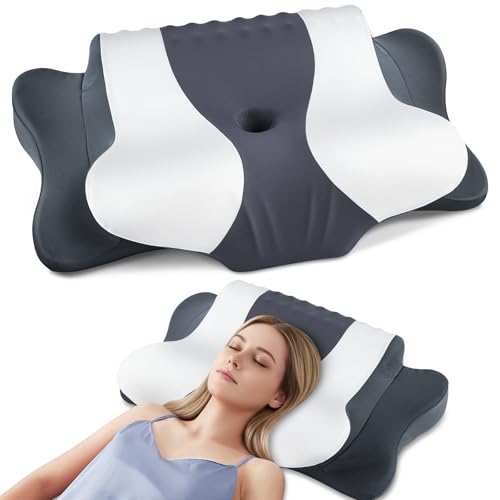
DONAMA Ergonomic Memory Foam Contour Pillow
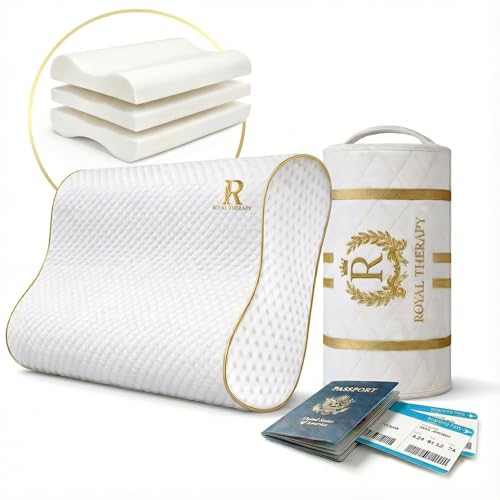
Royal Therapy Travel Memory Foam Cervical Pillow
Meet The Standout Selections
The CloudNook pillow leans into a hollow-center shape that aims to cradle the head while the raised edges support the cervical curve. Compared to the flatter Queen picks further down the list, this one feels more like a sculpted tool than a cushion, which suits adults who wake with stiff necks or seniors who want their head held in place.
The 60 by 36 centimeter footprint lands closer to a standard bed pillow than the travel-sized Royal Therapy at pick 10, so it works on a normal pillowcase without squeezing. People who log long desk hours and carry tension into the evening tend to appreciate the way the contour encourages the chin to tuck slightly instead of tipping the head back.
Where It Excels
- The recessed center keeps the head from drifting sideways during the night, which side sleepers often notice as fewer morning kinks.
- Two available heights let you match the pillow to your shoulder width, an unusual flexibility in this price range.
- Memory foam rebounds slowly enough that the neck cradles without bouncing back, which can help restless sleepers settle.
- Cover fabric tends to feel breathable, reducing the warm-spot problem that plagues dense foam.
Things To Consider
- The sculpted shape takes a week or two to feel natural, so expect an adjustment window before judging it.
- Memory foam cannot be machine washed; spot cleaning the cover and airing the foam keeps it fresh longer.
Key Specs
Made For
Adults and seniors dealing with neck stiffness who sleep mostly on their back or side and want a structured pillow that holds the head in place.
Look Elsewhere When
Stomach sleepers who need a flatter, softer surface will likely prefer the Coop Home Goods Eden Cooling Queen Pillow for its gusseted, traditional feel.
Where the CloudNook uses one recessed center, the ANYNEST spreads the concept across three distinct zones: a head cradle, a face rest, and an ear channel. That third hole matters more than it sounds, because anyone who sleeps on their side and presses an ear into foam for eight hours will recognize the soreness it prevents.
Compared to the orthopedic Royal Therapy at pick 7, this one feels a touch softer and more forgiving through the edges. Combo sleepers who flip between back and side often settle in faster because the side bolsters don’t fight the shoulder.
Well-Handled Touches
- Three-zone layout takes pressure off the ear and jaw during long side-sleeping stretches.
- Memory foam density feels medium, so the head sinks without feeling trapped.
- Grey fabric cover stays visually calm in a layered bedding setup.
Honest Caveats
- The unusual shape leaves a learning curve; the first few nights can feel oddly tilted.
- Heavier folks may find the loft runs slightly low, pushing the chin upward rather than level.
Right Fit For
Side and combo sleepers under average build who want their ear and jaw cushioned separately from the main head cradle.
Consider Something Else When
Broader-shoulder sleepers need the taller footprint of the Royal Therapy King Cervical Memory Foam Pillow for proper neck alignment.
The Coop body pillow breaks from the cervical category entirely, but it’s a genuine option for people whose neck pain comes from shoulder or hip misalignment rather than the head pillow itself. At 20 by 54 inches, it runs the length of a tall adult, which is what makes the side-hug feel possible.
Unlike the structured CloudNook and ANYNEST picks earlier, this is a fill-it-yourself design with a washable cover. Pregnancy, post-surgery recovery, or anyone who runs hot against dense foam tends to find relief here because the fill breathes more than a solid contour.
Practical Pluses
- Adjustable fill lets you tune the pillow from plush to firm depending on the night.
- Long shape supports shoulders, hips, and knees at once, taking pressure off the lower back.
- Washable cover makes hygiene easy, important for a pillow you cradle against your face.
Trade Offs
- It takes up significant bed real estate, which smaller mattresses handle poorly.
- Refining the fill level requires patience; the initial fluff may feel overstuffed until adjusted.
Quick Facts
Best Suited To
Side sleepers, pregnant sleepers, and rehabbing adults who want a pillow that wraps the whole body instead of cradling only the head.
Reach For A Different Pick When
Cervical-focused users need the targeted neck support of the CloudNook Ergonomic Cervical Pillow at pick 1.
The Eden takes the contour concept and softens it considerably, blending gel-infused memory foam with microfiber fill inside a gusseted shell. Where the cervical picks earlier in this list push structured support, the Eden aims for plush comfort that still has edges you can feel.
Hot sleepers tend to land here first because the gel infusion pulls heat away from the surface. Compared to the dense CloudNook, this pillow breathes better, and the CertiPUR-US and GREENGUARD Gold certifications point to cleaner material sourcing if indoor air quality matters to you.
Reasons It Performs
- Gel-infused foam resists heat buildup, useful for warm bedrooms or summer months.
- Adjustable inner fill lets you remove stuffing for a lower loft on stomach-sleeping nights.
- Gusseted edge holds the pillow’s shape through years of nightly use.
Points To Keep In Mind
- Plusher feel may feel underwhelming for shoppers who want a rigid cervical cradle.
- Adjusting the fill means opening an inner zipper, which takes a few extra minutes compared to fixed-foam picks.
Whose Shelf It Belongs On
Hot sleepers and combo-position sleepers who want contour support without the dense foam heat of stiffer cervical options.
Swap It Out When
Strict side sleepers needing maximum loft should consider the Coop Home Goods Original Adjustable Queen Pillow at pick 5 for a taller build.
The Original Adjustable leans on the same fill-it-yourself idea as the Eden but with cross-cut memory foam rather than gel infusion, which gives it a more responsive feel. The cross-cut design lets air move through the foam chunks instead of trapping warmth near the surface.
For shoppers who bounced between the CloudNook’s rigid contour and the Eden’s plushness, this one sits in the middle. CertiPUR-US and GREENGUARD Gold certifications show up here too, which matters for households with kids or anyone sensitive to off-gassing.
Notable Gains
- Cross-cut memory foam breathes more than solid foam, cutting down on the warm forehead problem.
- Fill adjustability solves the “too tall, too short” issue that sends pillows back within a week.
- Medium-firm build suits back and side sleepers without flattening under the head.
Less-Strong Areas
- Cross-cut foam feels a touch noisy as pieces shift, which light sleepers may notice.
- Cooler bedrooms can make the foam feel firmer than expected until it warms up.
Feature Snapshot
Who Will Love This
Loft-sensitive sleepers who want to dial in exact pillow height and don’t mind a brief adjustment period to find their fill level.
Not Your Match When
Stomach sleepers should look at the flatter, softer Coop Home Goods Eden Cooling Queen Pillow at pick 4 instead.
The SUFOR set solves a problem none of the singles above address: outfitting two sides of the bed at once. Each pillow carries a butterfly-shaped contour, meaning the raised edges extend slightly outward to give your arms a perch when you roll onto your side.
Cooling fabric on the cover pulls heat away faster than standard knit, which matters in shared beds where two warm sleepers stack body heat. Pairs also work well in guest rooms where you want matching setup without buying individually.
Standout Benefits
- Two-pillow bundle saves the second-shipping wait and keeps the bed looking matched.
- Butterfly contour gives your upper arm a place to rest when side sleeping, reducing shoulder compression.
- Cooling cover fabric stays cooler to the touch than typical memory foam covers.
Points To Note
- A 1-2 week adjustment period is common, especially if you’re switching from a flat traditional pillow.
- The butterfly wings take a bit of getting used to if you’re an active sleeper who moves to the edge of the pillow often.
At A Glance
Perfect Match For
Couples, guest rooms, and anyone replacing two older pillows at once with a matching contour design.
A Better Fit Elsewhere
Solo sleepers who only need one pillow should pick the CloudNook Ergonomic Cervical Pillow at pick 1 to avoid the second-pillow cost.
The Royal Therapy queen pillow is the closest thing in this lineup to a classic orthopedic contour, sized at 24 by 14 by 5 inches with a familiar wave shape. It’s the kind of pillow that physical therapists often recommend for new neck-pain patients because the curve matches the cervical spine.
Compared to the adjustable Coop picks earlier, this one is fixed in feel: medium firmness, no fill to remove. That tradeoff means less fiddling, though it also means there’s no way to soften it up after the first week.
The Good Stuff
- Wave-shaped contour supports the neck’s natural curve without a learning curve for back sleepers.
- 24 by 14 inch footprint fits standard queen pillowcases comfortably.
- Medium firmness strikes a middle ground that back and side sleepers both tolerate.
Where It May Fall Short
- Fixed foam means no way to lower the loft for stomach sleeping or smaller frames.
- Memory foam density can feel warm in summer bedrooms without a cooling cover layer.
Who Should Grab It
Back sleepers and side sleepers who want a familiar orthopedic contour and don’t need to tweak the loft over time.
Skip It When
Hot sleepers should consider the Coop Home Goods Eden Cooling Queen Pillow at pick 4 for better temperature control.
The King version of the Royal Therapy line solves the most common complaint about queen-sized contour pillows: not enough width. Broader shoulders need a longer pillow so the head doesn’t dangle off the edge when you shift during the night.
The shape matches the queen version, but the wider footprint gives tossing sleepers more room to roam. People who share a king bed and feel their partner’s pillow tug them at night may find the extra width keeps them centered.
Where It Delivers
- King-size width supports broader shoulders without the head slipping off the edge.
- Contour shape holds the cervical curve the same way the queen version does.
- Memory foam density lands in the medium-support range, balancing plushness and structure.
Honest Caveats
- Larger footprint means a king pillowcase is required; standard cases will stretch.
- Same fixed-foam limitation as the queen version, with no loft adjustability.
Built With In Mind
Broad-shoulder side sleepers and restless adults who need the extra width a king pillow provides without losing contour support.
Another Choice May Suit
Stomach sleepers and smaller frames will find the queen-sized Royal Therapy Queen Contour Memory Foam Pillow at pick 7 easier to manage.
The DONAMA pillow shares the butterfly wing approach with the SUFOR pair at pick 6, but ships as a single unit for solo sleepers. The hollow center and the extended wings are designed to keep the head aligned whether you sleep on your back or your side.
For active sleepers who shift positions every few hours, the wings give your arms something to push against instead of flopping off the side. It’s a small detail that adds up over a full night.
Advantages To Know
- Butterfly contour supports the neck while giving the arms a dedicated resting area.
- Hollow-center design helps the head settle into a neutral position, easing muscle strain.
- Memory foam density suits average-weight adults without flattening quickly.
Worth Bearing In Mind
- Wings can feel unusual for sleepers used to traditional rectangular pillows.
- Memory foam can trap heat; a cooling pillowcase helps in warm bedrooms.
Made For
Toss-and-turn sleepers who move between back and side throughout the night and want arm support built into the pillow shape.
Not Your Match When
Stomach sleepers will prefer the flatter feel of the Coop Home Goods Eden Cooling Queen Pillow at pick 4.
The travel-sized Royal Therapy shrinks the contour idea into a carry-on-friendly package, which makes it useful for frequent flyers and road trippers. Standard hotel pillows rarely offer cervical support, and dragging a full-size contour pillow through an airport isn’t realistic.
It’s smaller than the queen version at pick 7, which means the loft suits average frames but may run short for broader shoulders. Side and back sleepers tend to find it more forgiving than the at-home picks because travel sleep is rarely deep.
What Stands Out
- Compact size slips into carry-on luggage without sacrificing contour support.
- Familiar Royal Therapy shape gives consistent feel if you already use the queen or king versions at home.
- Memory foam rebounds enough to compress for packing and still hold its shape after unpacking.
Things To Weigh
- Smaller footprint feels restrictive for taller or broader-shouldered sleepers on long trips.
- Memory foam should be aired out after unpacking since travel cases can trap off-gassing smells.
Who It Suits Best
Frequent travelers who want hotel-room sleep to feel closer to home and don’t mind a smaller pillow surface.
Look Elsewhere When
Home-only sleepers should choose the queen-sized Royal Therapy Queen Contour Memory Foam Pillow at pick 7 for full bed use.
Choosing The Right Contour Pillow For Your Sleep Style
Sleep position drives most contour decisions, more than any other single factor. Side sleepers need taller edges to fill the gap between the ear and the mattress, back sleepers do better with medium loft that supports the cervical curve without pushing the chin forward, and stomach sleepers generally want the lowest profile they can find, which usually means a fill-adjustable option like the Coop Home Goods Original.
Loft (the height of the pillow under your head) matters as much as the shape itself. Pillows that feel fine to a 130-pound sleeper can leave a 220-pound adult’s neck hanging because the foam compresses more under heavier weight. Matching the pillow height to shoulder width is the honest test, not brand reputation.
Materials change the experience more than people expect. Gel-infused foam runs cooler than plain memory foam, cross-cut foam breathes better than solid blocks, and shredded or adjustable fills trade structure for airflow. If you run warm, that trade is often worth it.
Finally, give any contour pillow at least a week before deciding. The cervical curve needs time to settle into the foam, and most returns happen in the first three nights because shoppers expect instant adjustment rather than a brief learning period.
Key Considerations Across These Picks
Pitfalls Shoppers Hit
The most common contour-pillow mistake is buying a pillow designed for back sleepers when you actually sleep on your side. The loft ends up too low, the neck angles downward, and morning stiffness returns. Read the intended-position notes on the listing before clicking through.
Another trap is treating memory foam like a regular pillow. Solid foam cannot go in a washing machine, and even adjustable fills need spot cleaning or cover-only washes. Owners who skip this step often find their pillow yellows or holds odor within a year.
What The Higher Tier Buys
Stepping up to a contour pillow with adjustable fill, cooling gel, or certifications like CertiPUR-US and GREENGUARD Gold usually means better materials and longer lifespan. The Eden and Original Coop picks carry these certifications, which signal cleaner foam and lower emissions for sensitive sleepers.
Premium tiers also tend to include replaceable covers and layered designs that handle heat better. For anyone who has replaced a memory foam pillow every two years because it flattened, that extra material quality is often the difference between a five-year pillow and a recurring frustration.
Frequently Asked Questions
How long does it take to adjust to a contour memory foam pillow?
Most people need one to two weeks before the new shape feels natural. The cervical curve has to settle into the foam and your neck muscles have to relearn their resting position, which doesn’t happen overnight.
Are contour pillows good for side sleepers?
Yes, especially those with taller edges that fill the ear-to-mattress gap. Side sleepers should look for higher lofts, like the ANYNEST or Royal Therapy King, rather than the lowest-profile options on the market.
Can memory foam pillows be washed?
The foam itself should not be machine washed. Removable covers can go in the wash, but the inner foam needs spot cleaning and regular airing to stay fresh without damage.
Do contour pillows help with neck pain?
Many users report reduced morning stiffness, though results vary by the cause of the pain. Pillows support the neck’s natural curve but don’t replace stretching, hydration, or medical advice for chronic conditions.
How long do these pillows typically last?
Memory foam contour pillows generally hold shape for two to four years with regular use. Adjustable-fill options like Coop can last longer because you can refresh the fill as it compresses.
Closing Verdict
Contour memory foam pillows reward shoppers who match the shape to their dominant sleep position rather than chasing the most sculpted option available. The CloudNook earns its place for structured cervical support, the Coop Original Adjustable wins for customization, and the Royal Therapy queen stays the steady classic for back sleepers. Pick the profile that fits how you actually sleep tonight, give it a week to break in, and your mornings will likely feel the difference.
