

Sensitive skin asks more from a night serum than most formulas want to deliver. You need hydration that supports the skin barrier overnight, active ingredients gentle enough not to provoke redness, and a texture that layers without pilling under your moisturizer. A poorly chosen serum leaves you with tightness, stinging, or breakouts by morning, which is the opposite of what an evening routine should do. The picks below focus on formulas designed for reactive complexions, balancing actives like hyaluronic acid, peptides, niacinamide, and gentle retinoids. Several also work for sensitive skin beyond the face, including delicate underarm and bikini zones.
The Shortlist At A Glance

BIYSBER Retinol Collagen Serum for Face with Peptide and Hyaluronic Acid (1.70 Fl Oz)
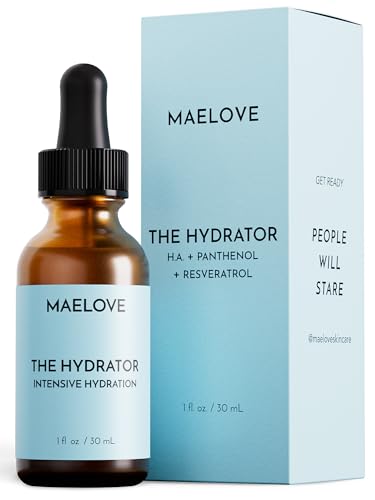
MAELOVE Hydrator Hyaluronic Acid B5 Serum with Resveratrol (1.0 fl oz)

QGKALF Underarm and Bikini Brightening Serum Roll-On (30ml)

La Roche-Posay Pure 12% Vitamin C Serum with Hyaluronic Acid and Salicylic Acid

Karuna All Day Firming Peptide and Collagen Serum with 6-Form Hyaluronic Acid

Hada Labo Gokujun Premium Hyaluronic Acid Refill Essence 170mL
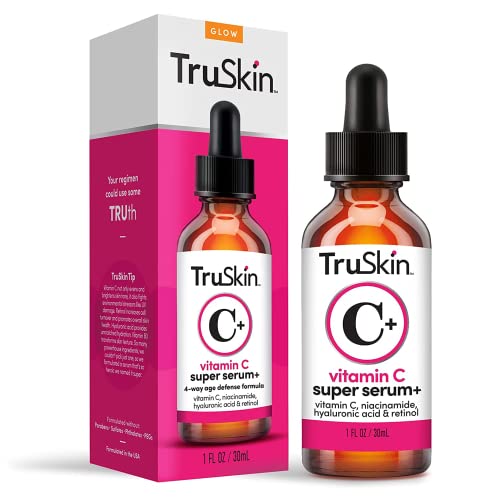
TruSkin Vitamin C Super Serum for Face, 5 Skin Benefits (1 fl oz)

TruSkin Serum Trio with Vitamin C, Retinol and Hyaluronic Acid (1 fl oz each)

Vanicream Daily Facial Moisturizer (3 fl oz) and Vitamin C Serum (1.2 fl oz)
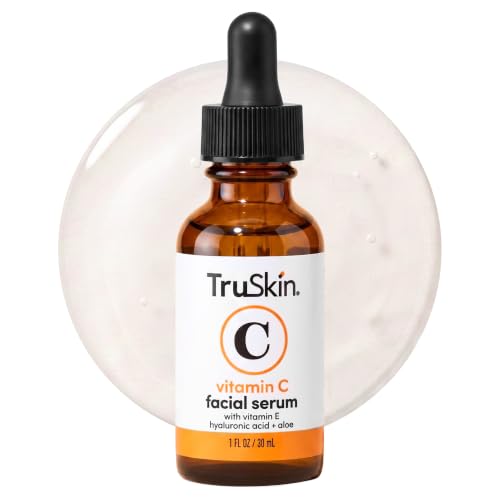
TruSkin Brightening Vitamin C Serum with Hyaluronic Acid (1 fl oz)
Why These Options Stand Out
The BIYSBER retinol serum pairs two ingredients that rarely show up together in budget formulas. Retinol, a vitamin A derivative, encourages faster cell turnover, while peptides are short chains of amino acids that signal the skin to produce more collagen. Hyaluronic acid holds water in the upper layers, which softens the dryness retinol often causes. For reactive skin easing into anti-aging work, that combination feels forgiving.
The 1.7 fl oz bottle lasts roughly six to eight weeks with nightly use, depending on how many drops you apply. Compared to the MAELOVE pick below, this formula is more treatment-focused and less purely hydrating.
Strengths Worth Knowing
- Combines retinol, peptides, and hyaluronic acid in one step for streamlined routines.
- Hyaluronic acid offsets the flaking and tightness retinol can cause on dry skin.
- Larger 1.7 fl oz size offers more applications than the standard 1 fl oz serums.
- Designed for both morning and evening wear, adding routine flexibility.
Worth Noting
- Retinol can cause purging or irritation during the first two weeks, especially on sensitive skin.
- Lacks detailed ingredient disclosure in the source listing, so patch testing matters before full-face use.
- Owners commonly report a faint medicinal scent that fades after application.
Feature Snapshot
Who It Suits Best
You want anti-aging results from a night serum but worry retinol alone will leave your skin flaky and reactive.
Look Elsewhere When
The MAELOVE Hydrator suits you better if your skin reads dry rather than mature, and you want zero risk of retinol irritation.
The MAELOVE Hydrator is built around three humectants that pull moisture into the skin. Hyaluronic acid binds water in the surface layer, vitamin B5 (panthenol) soothes and supports barrier repair, and resveratrol is a polyphenol antioxidant sourced from grapes that helps neutralize environmental stress. The texture is thin and absorbs fast, leaving a dewy finish rather than a sticky film. For sensitive skin that flares from heavier oils, this weightless approach tends to land well.
Use it on slightly damp skin after cleansing and before moisturizer to lock in hydration. It layers cleanly under sunscreen in the morning, which makes it more versatile than a strictly nighttime serum. The 1 fl oz bottle runs smaller than the BIYSBER pick above, so budget for repurchasing if you use it twice daily.
What Earns Its Place
- Lightweight, non-greasy finish suitable for layering under moisturizer and SPF.
- Resveratrol adds antioxidant support without the sting some vitamin C serums cause.
- Panthenol helps calm reactive skin during seasonal shifts.
- Fragrance-free formulation fits easily into minimalist routines.
Points To Note
- Smaller 1 fl oz bottle means more frequent repurchasing for daily users.
- Lacks the anti-aging actives found in the BIYSBER retinol pick.
- Dropper packaging can leave product around the neck if not wiped after each use.
Made For
You want a soothing, fragrance-free night serum for dry or dehydrated skin without heavy occlusive ingredients.
Consider Something Else When
The Karuna All Day Firming Serum fits you better if you want peptides layered alongside hyaluronic acid for firmer-looking skin.
This QGKALF roll-on takes the brightening serum concept out of the face category and onto delicate body zones. The formula leans on niacinamide, a form of vitamin B3 that discourages pigment transfer to the surface, paired with tranexamic acid, which limits melanin production triggered by inflammation. Together they target the kind of post-inflammatory hyperpigmentation that follows shaving, waxing, or friction in sensitive areas like underarms, inner thighs, and bikini lines. The roll-on applicator keeps hands clean and avoids cross-contamination, which matters on freshly shaved skin.
Beyond brightening, the serum aims to calm bumps and rough texture often called “chicken skin.” Apply it at night after your shower, when the skin is clean and product absorption is highest. Compared to the facial picks above, this one is intentionally targeted and not meant for daily full-face use.
Good Reasons To Consider
- Roll-on design reaches awkward areas without wasted product.
- Niacinamide and tranexamic acid pair well for post-inflammatory pigmentation.
- Soothes razor burn and minor bumps after hair removal.
- 30ml size suits small zones rather than large body areas.
Less Ideal Details
- Designed for body use, not a replacement for facial serums.
- Visible brightening typically takes six to eight weeks of consistent nightly use.
- Roll-on ball can clog over time and needs occasional wiping.
Right Fit For
You deal with dark spots or rough texture on underarms, bikini line, knees, or elbows and want a targeted nighttime treatment.
Skip It When
The MAELOVE Hydrator suits you better if your concern is facial dryness and barrier support rather than body-area pigmentation.
La Roche-Posay’s Pure 12% Vitamin C serum uses a higher concentration of ascorbic acid than most brightening formulas. Vitamin C at this strength tackles uneven tone and supports collagen production more aggressively than gentler derivatives. The addition of salicylic acid, a beta-hydroxy acid that exfoliates inside pores, makes this better suited to normal or oily skin types than dry, reactive complexions. Hyaluronic acid steps in to buffer potential dryness.
The line offers two versions specifically for sensitive skin: one for normal skin and one tailored for oily skin control. Patch testing matters with this concentration. Compared to the TruSkin Brightening pick later in this list, the La Roche-Posay formula is more potent and likely to deliver faster visible results on texture and tone, with a corresponding uptick in sting risk.
Well-Handled Touches
- 12% pure vitamin C delivers more aggressive brightening than most formulas.
- Salicylic acid adds pore refinement for normal-to-oily skin types.
- Two formula variants let you match your skin type.
- Hyaluronic acid buffers the potential dryness from higher-strength actives.
Some Limits To Know
- Higher concentration can sting on freshly exfoliated or compromised skin.
- Not the right call if your skin barrier is currently impaired or flaring.
- Owners commonly report an orange tint to the serum that can transfer onto pillowcases.
Quick Facts
Best Suited To
You want noticeable brightening and texture refinement, your skin leans normal-to-oily, and you tolerate active ingredients well.
Swap It Out When
The Vanicream Vitamin C Serum fits you better if your skin reacts to fragrance or common chemical irritants and needs a barrier-first formula.
The Karuna serum takes a different angle than the brightening formulas earlier in this list. Six forms of hyaluronic acid at varying molecular weights pull moisture into different depths of the skin, while peptides encourage firmness over weeks of consistent use. The lightweight, fast-absorbing texture makes it wearable both morning and night, which is unusual for a firming serum. Designed for all skin types, including sensitive complexions, the formula is also non-toxic and dermatologist tested.
Apply it after cleansing, before heavier creams, to maximize absorption. The plumping effect shows up fastest on crepey areas around the eyes and mouth. Compared to the Hada Labo pick below, this one layers in peptides for structural support rather than focusing purely on hydration.
Noteworthy Benefits
- Multi-weight hyaluronic acid reaches several skin layers at once.
- Peptides support firmness without the irritation linked to retinol.
- Wearable morning and night for flexible routines.
- Dermatologist tested and suitable across all skin types.
Possible Compromises
- Firming results build over several weeks rather than showing immediate visible lift.
- Lacks targeted brightening actives for pigmentation concerns.
- Bottle size is not specified in the source listing, making travel planning harder.
The Key Facts
Perfect Match For
You want firmer-looking skin without retinol, and your routine calls for one serum that works around the clock.
Not Your Match When
The Hada Labo Gokujun Essence fits you better if your main concern is deep, layered hydration without peptides or active anti-aging ingredients.
Hada Labo’s Gokujun essence treats hydration like a multi-step process rather than a single layer. The formula combines several weights of hyaluronic acid to bind water across different depths of the skin, and the consistency is closer to water than a typical serum. The 170mL refill size is generous for nightly layering, especially on dry or dehydrated sensitive skin that drinks up moisture fast. The product comes from Rohto Pharmaceutical’s Skin Lab line and is suitable for all skin types.
The Japanese “lotion” approach means you pat it on in layers rather than rubbing a single dose in. Layer two or three applications before moisturizer for best results. Compared to the MAELOVE Hydrator, this is a more hydration-forward, treatment-light product with a much larger format.
Notable Upsides
- 170mL refill size offers months of regular use for the cost.
- Layering-friendly texture builds hydration without pilling under creams.
- Suitable for all skin types, including the most reactive complexions.
- Lighter than traditional serums, making it comfortable in humid climates.
Practical Considerations
- Larger bottle takes longer to finish, which can affect freshness once opened.
- No brightening or anti-aging actives beyond hydration.
- Pour spout can be messy if the bottle tips over during travel.
Whose Shelf It Belongs On
You live in a dry climate, layer multiple hydrating products nightly, and want one large bottle to anchor the routine.
Reach For A Different Pick When
The Karuna All Day Firming Serum suits you better if you want peptides paired with hyaluronic acid for firmness alongside hydration.
TruSkin’s Super Serum crams five actives into a single 1 fl oz bottle. Vitamin C brightens, retinol supports turnover, niacinamide calms and refines pores, hyaluronic acid hydrates, and squalane (a lightweight oil that mimics skin’s own lipids) locks in moisture. The “five benefits, one step” approach appeals to anyone tired of layering multiple products and managing ingredient conflicts. For sensitive skin, the order of application matters: introduce this gradually rather than nightly from day one.
The combination does mean the formula is not as targeted as single-purpose picks. The retinol and vitamin C together can be too much for compromised barriers, so easing in three nights per week is wise. Compared to the La Roche-Posay pick above, this is a softer, multi-purpose take on the same general brightening-and-aging idea.
What Works In Its Favor
- Five actives reduce the number of separate bottles in your routine.
- Squalane adds an emollient layer that sensitive skin typically tolerates well.
- Lower concentration per active than single-purpose serums, easing introduction.
- 1 fl oz dropper bottle fits easily on small bathroom shelves.
Trade-Offs To Consider
- Combining retinol and vitamin C in one bottle limits how strong either can be.
- Multi-active formulas can confuse patch-testing because reactions are harder to isolate.
- Squalane, while gentle, may feel slightly heavy on already oily skin in warm weather.
Core Details
Who Will Love This
You want to address tone, texture, and hydration without buying three separate serums, and your skin tolerates a gentle introduction to actives.
A Better Fit Elsewhere
The MAELOVE Hydrator suits you better if your skin reads too reactive for any retinol and you want hydration-led nighttime care only.
The TruSkin Trio splits three actives across three separate 1 fl oz bottles rather than blending them together. Vitamin C goes on in the morning for antioxidant protection, retinol works overnight to support turnover, and hyaluronic acid layers underneath either step to keep skin hydrated. Separating the actives avoids conflicts in the formula and lets you pace each one based on your skin’s tolerance. That structure makes this set a teaching tool as much as a routine.
For sensitive skin, the obvious play is to introduce the retinol bottle two nights per week first, then build up. Compared to the TruSkin Super Serum above, this set is more deliberate but requires more thought at the sink.
The Value In It
- Separate bottles let you rotate actives based on your skin’s day-to-day state.
- Vitamin C and retinol no longer compete in one formula.
- Hyaluronic acid step works as a buffer for the stronger actives.
- Three 1 fl oz bottles fit a full month of twice-daily use for most routines.
Where It May Fall Short
- Three bottles take up more shelf space than a single multi-benefit serum.
- Newcomers to actives may find the three-step rotation intimidating.
- Retinol bottle still poses irritation risk on highly reactive skin.
Who Should Grab It
You want to build a proper morning-and-evening routine around three focused serums and prefer separation over combination formulas.
Another Choice May Suit
The TruSkin Brightening Vitamin C Serum suits you better if your evening concern is hydration and gentle brightening rather than retinol-led renewal.
Vanicream designs its products around what is left out, not just what goes in. The Daily Facial Moisturizer contains no dyes, fragrance, masking fragrance, lanolin, parabens, or formaldehyde releasers, which are all common irritants for sensitive skin. The five ceramides, hyaluronic acid, squalane, and glycerin in the moisturizer support the skin barrier, the outer layer that keeps water in and irritants out. Pair it with the Vitamin C Serum, which uses a gentle vitamin C derivative and ceramides for added barrier support. The airless pump packaging reduces oxidation, keeping the serum stable longer than many dropper-style competitors.
Apply serum first, then the moisturizer, both morning and night. Compared to the La Roche-Posay pick above, this duo trades potency for tolerability, and you may find the trade worthwhile if your skin flares from anything stronger.
Useful Strengths
- Free of dyes, fragrance, lanolin, parabens, and formaldehyde releasers.
- Five ceramides plus squalane support a compromised skin barrier.
- Non-comedogenic formula won’t clog pores on breakout-prone skin.
- Airless pump extends serum freshness and reduces oxidation.
Things To Weigh
- Vitamin C derivative is gentler than pure ascorbic acid, so brightening is slower.
- Larger bundle takes up more shelf space than a single serum.
- Moisturizer texture may feel too light for very dry skin in winter.
Built With In Mind
You have allergy-prone, reactive skin and want a routine that minimizes common chemical irritants while still delivering gentle brightening.
Where A Sibling Pick Shines
The La Roche-Posay Pure 12% serum fits you better if you want a higher vitamin C concentration and tolerate stronger actives without irritation.
TruSkin’s Brightening serum keeps the ingredient list approachable. Vitamin C tackles dark spots and uneven tone, while hyaluronic acid layers in moisture, vitamin E adds lipid-soluble antioxidant support, and aloe vera and jojoba oil soothe and soften. The plant-based extras make the formula feel more like a hybrid serum-oil than a clinical treatment. That makes it a sensible first step into vitamin C for sensitive skin hesitant about stronger concentrations.
The serum works well both morning and night, which adds flexibility to the routine. Compared to the TruSkin Super Serum above, this is a more focused, gentle take without the retinol, making it a friendlier match for skin that flares from stronger actives.
The Case For It
- Gentle vitamin C concentration suits first-time users with reactive skin.
- Aloe vera and jojoba oil add soothing plant-based support.
- Hyaluronic acid pairs hydration directly with the brightening active.
- 1 fl oz dropper bottle is the standard compact size for easy storage.
Details To Watch
- Plant oils can occasionally trigger reactions in users with botanical sensitivities.
- Brightening results show gradually rather than within the first week.
- Dropper design exposes the serum to air and light slightly faster than pump bottles.
The Right Fit
You want to start using vitamin C for the first time and prefer a gentle, plant-supported formula over a clinical-strength serum.
Look Elsewhere When
The Vanicream Vitamin C Serum suits you better if your skin reacts to botanical oils and you need a formula free of plant-derived fragrance or extracts.
What Matters Most Before Choosing a Night Serum for Sensitive Skin
Sensitive skin is less about one specific ingredient and more about how formulas are put together. The most important factors are ingredient transparency, absence of common irritants like fragrance and drying alcohols, and active concentration matched to your tolerance level.
Ingredient Lists and Irritant Avoidance
Skincare labels list ingredients in order of concentration, so the first five entries tell you most of what matters. Fragrance, essential oils, denatured alcohol, and harsh preservatives land high on lists of common irritants. Sensitive skin routines benefit from shorter, cleaner formulas where soothing and hydrating ingredients appear near the top. Products that skip fragrance entirely, like the Vanicream duo, tend to be the safest starting point for reactive complexions.
Patch testing before full-face use remains essential, even for products marketed for sensitive skin. Apply a small amount behind the ear or along the jawline for two to three nights before committing to the full face. That small step prevents flare-ups that can take weeks to settle down.
Active Strength and Tolerance
Higher concentrations of vitamin C, retinol, or exfoliating acids deliver faster visible results but carry more irritation risk. Sensitive skin usually tolerates gentle derivatives and lower percentages better than pure ascorbic acid at 10% or higher. The MAELOVE Hydrator and Hada Labo essence are good examples of hydrating formulas that support barrier health without pushing active strength.
Layering matters as much as concentration. A gentle serum paired with a barrier-supporting moisturizer outperforms a strong serum layered over a stripped barrier. Build your routine around supporting ingredients first, then introduce actives gradually.
Texture and Layering Compatibility
Lightweight, water-based serums layer under richer creams without pilling. Thicker, oil-heavy serums can block absorption of subsequent steps. Humectant-rich formulas like the Hada Labo essence work well in humid climates and during summer, while richer ceramide creams suit dry winter air. Texture preferences also affect consistency, since you are more likely to use a serum nightly if it feels pleasant on your skin.
Packaging affects stability and hygiene. Airless pumps, like the one on the Vanicream Vitamin C Serum, keep active ingredients fresh longer than open droppers. Dark glass bottles also protect against light-driven oxidation of vitamin C.
Matching Formula to Concern
Different serums target different goals. Brightening calls for vitamin C, niacinamide, or tranexamic acid. Firming leans on peptides and collagen-supporting ingredients. Deep hydration uses multi-weight hyaluronic acid and barrier lipids. Identify your primary concern first, then choose a formula that addresses it without piling on extras you do not need. Multi-benefit blends like the TruSkin Super Serum are convenient but harder to troubleshoot when something goes wrong.
Key Considerations Across These Picks
Mistakes Worth Dodging
Introducing several new actives at once is the most common slip-up. Sensitive skin needs a slow ramp-up, ideally one new product per week, so any irritation can be traced to its source. Skipping sunscreen during the day undermines any brightening serum, since UV exposure darkens spots faster than most ingredients can fade them. Finally, layering incompatible actives (like vitamin C and retinol at full strength in the same routine) can trigger sensitivity even in skin that normally tolerates both.
What The Higher Tier Buys
Premium formulas in this category invest in multi-weight hyaluronic acid systems, encapsulated actives that release slowly, and airless packaging that preserves potency. The Karuna and Vanicream picks show how higher-tier choices add stability and barrier support that budget serums often skip. Whether the upgrade is worth it depends on how reactive your skin is and how long you plan to stick with a routine.
Frequently Asked Questions
Can sensitive skin use retinol safely?
Yes, but start with a low concentration two nights per week and pair it with a hydrating serum. Sensitive skin often tolerates buffered or encapsulated retinol better than pure retinol at high strength.
What ingredients should sensitive skin avoid in a night serum?
Fragrance, denatured alcohol, essential oils, and high-strength exfoliating acids are common triggers. Checking the first five ingredients on the label is a fast way to screen a formula.
How long before a night serum shows results on sensitive skin?
Hydration benefits show within a week, while brightening and firming changes typically take six to twelve weeks. Pushing frequency higher rarely speeds results and usually causes irritation.
Can I layer a vitamin C serum with hyaluronic acid at night?
Yes, that combination is well-tolerated by most skin types. Apply hyaluronic acid on slightly damp skin first, then vitamin C, and finish with a barrier-supporting moisturizer.
Should sensitive skin use a separate day and night serum?
Not necessarily. Many formulas in this list work both morning and evening, though vitamin C is typically a daytime serum while retinol is reserved for nighttime use.
The Takeaway
The right night serum for sensitive skin depends less on trending actives and more on tolerability and consistency. Start with a gentle, fragrance-free formula and introduce stronger ingredients only when your barrier is strong enough to handle them. Whichever pick matches your primary concern, give it at least six weeks before deciding whether it works.
