

Mineral SPF has earned its reputation for a reason: zinc oxide and titanium dioxide sit on top of the skin and bounce UV rays away instead of absorbing them. Tinted formulas take that protection one step further, blurring tone while shielding against UVA and UVB. Anyone with sensitive skin, rosacea, melasma, or simply a preference for reef-friendly ingredients tends to gravitate toward these daily protectors. The picks below cover a wide spread of finishes, SPF levels, and skin needs, from sheer mattes that wear under makeup to richer treatments built for outdoor work. Where you commute, swim, or sit near windows shapes which one earns a spot on your shelf.
Your Options, Compared

Clinique City Block Sheer Oil Free Daily Face Protector Broad Spectrum SPF 25

Marini SkinSolutions Antioxidant Daily Face Protectant SPF 33, 2 oz
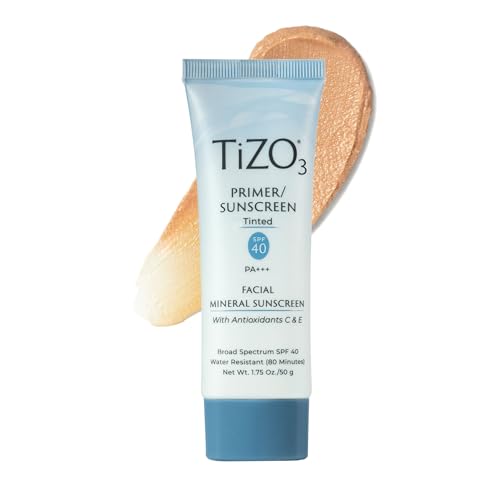
TiZO3 Facial Mineral Sunscreen and Primer, Tinted SPF 40, 1.75 oz

Clinique Superdefense City Block Oil Free Broad Spectrum SPF 50 Face Protector, 1.4 Fl Oz

iS CLINICAL Eclipse SPF 50+ Sunscreen, Zinc Oxide Tinted, Matte Finish

Cetaphil Sheer Mineral Face Sunscreen, SPF 50, Zinc Oxide, 1.7 oz

Cetaphil Sheer Mineral Sunscreen Stick, Face & Body, SPF 50, 0.5 oz

iS CLINICAL Extreme Protect SPF 30 Sunscreen, Everyday Moisturizer with SPF
A Breakdown Of The Leading Choices
The Clinique City Block Sheer has been on bathroom shelves for years, mostly because it does the unglamorous work of daily mineral protection without much fuss. Built around titanium dioxide and zinc oxide (the two minerals approved by the FDA as “GRASE”, or Generally Recognized As Safe and Effective), it lays down a quiet base that doubles as a primer for foundation or stands alone on no-makeup days.
Office workers, students, and anyone who wants low-irritation coverage tend to land here. The SPF 25 rating suits short outdoor stretches, though runners and lifeguards will want something stronger.
Noteworthy Benefits
- Oil-free formula stays comfortable on combination types.
- Mineral filter blend suits reactive skin and post-procedure routines.
- Sheer finish smooths under foundation without pilling.
- Lightweight wear feels nearly invisible through long office days.
Trade Offs To Consider
- SPF 25 runs light for full beach or sports use.
- The base leans matte, so dry skin may feel tight in winter.
Who It Suits Best
Commuters and sensitive-skin routines that want a basic, well-tolerated mineral base.
Consider Something Else When
Outdoor athletes and beachgoers get stronger protection from the Clinique Superdefense City Block SPF 50 reviewed further down.
The Marini SkinSolutions Antioxidant Daily Face Protectant takes a more clinical approach. It carries SPF 33, water resistance, and a fan-favorite status with estheticians. Phytomelanin (a plant-derived pigment that helps absorb visible light and free radicals) and beta-glucan add an environmental-defense layer on top of UV filtering.
Hyaluronic acid and oil-control ingredients round out the formula, which makes it appealing for mature skin or anyone chasing hydration without greasiness. It wears light under makeup or on bare skin.
Bright Spots
- Water-resistant performance handles sweaty commutes and light workouts.
- Hyaluronic acid supports moisture levels during long office hours.
- Antioxidant blend targets pollution and blue-light stress.
- Light, pleasant scent disappears quickly after application.
Worth Noting
- SPF 33 leaves a gap for high-altitude or tropical sun exposure.
- Scented formula may bother those who prefer fully fragrance-free options.
Right Fit For
Hydration-seeking shoppers with normal-to-dry skin who want extra environmental protection alongside SPF.
A Better Fit Elsewhere
Pure sensitive-skin routines often prefer the stripped-down Cetaphil Sheer Mineral Face Sunscreen SPF 50 covered below.
TiZO3 sits in a different lane than most pharmacy-shelf mineral SPFs. It combines tinted coverage, antioxidants, and a silky matte finish in one tube, with PA+++ (a rating system from Asia that grades UVA protection on a + to ++++ scale) signaling strong UVA defense. Water resistance holds for 80 minutes, which is plenty for a beach walk or pool deck.
The brand markets this as reef-friendly and skips chemical filters, dyes, fragrances, oils, and preservatives. It is a frequent recommendation from dermatologists for patients who want minimal ingredients and a flattering soft-focus effect.
What It Does Well
- Silky matte finish blurs pores under foundation.
- PA+++ rating reassures anyone worried about UVA-driven pigmentation.
- Reef-friendly formula skips chemical UV filters entirely.
- Water resistance lasts through 80-minute swim sessions.
Small Caveats
- Tint may lean too warm or too cool depending on undertone.
- 1.75 oz size runs out faster than larger bottles under daily use.
Best Suited To
Makeup wearers with combination or oily skin who want a primer that doubles as serious sun protection.
Skip It When
Bare-faced minimalists may find the tint unnecessary and gravitate toward the Clinique City Block Sheer SPF 25 above.
The Clinique Superdefense City Block jumps from SPF 25 in the original to SPF 50, mixing titanium dioxide, zinc oxide, and octinoxate (a chemical filter that boosts overall SPF while keeping the texture lighter). The tinted, oil-free formula wears under or over makeup, which matters for anyone whose morning involves base products.
Compared with the original City Block, this one is the obvious upgrade for travel, beach trips, or summer commutes. The finish stays weightless even at higher SPF, which can be tough to find in mineral formulas.
Real-World Strengths
- SPF 50 protection covers long-haul flights and outdoor events.
- Tinted base evens mild redness without foundation.
- Oil-free wear avoids midday shine in humid climates.
- Weightless texture stays comfortable under sunscreen + foundation layering.
Honest Caveats
- Hybrid filter system may deter shoppers wanting purely mineral protection.
- Higher SPF can feel slightly thicker than the SPF 25 sibling.
Key Specs
Perfect Match For
Outdoor enthusiasts and travelers who want a familiar pharmacy mineral base at higher SPF.
Look Elsewhere When
Anyone avoiding chemical filters entirely will find a purer option in the Cetaphil Sheer Mineral Face Sunscreen covered below.
The iS CLINICAL Eclipse SPF 50+ sells itself on a near-weightless matte finish that absorbs quickly and skips the chalky mineral cast that scares some shoppers away. Zinc oxide carries the protection load, and the formula is engineered for all skin types, including oily complexions that hate heavy sunscreen.
The price point pushes it into treatment-tier territory, but for runners, post-procedure patients, and anyone with melasma who wants premium actives in their SPF, the higher cost has a logic to it.
What Makes Sense
- SPF 50+ with all-mineral protection suits post-laser and post-peel recovery.
- Non-greasy matte finish holds up through sweaty workouts.
- Universal tint adapts to a range of light-to-medium skin tones.
Room For Improvement
- Premium price rules out casual or backup-tube shopping.
- Universal tint may not flatter deep or very fair skin tones.
Who Will Love This
Active wearers and post-procedure patients who need serious mineral protection with a refined finish.
Another Choice May Suit
Budget-conscious shoppers get a similar mineral-and-matte profile from TiZO3 covered above at a more accessible cost.
The Cetaphil Sheer Mineral Face Sunscreen is the gentle workhorse in this lineup. Built around zinc oxide with no chemical filters, it carries SPF 50 and 80 minutes of water resistance. The non-comedogenic (formulated to avoid clogging pores) formula respects sensitive skin and the skin’s microbiome (the community of helpful bacteria living on the surface), which matters for anyone prone to eczema, rosacea, or reactive flare-ups.
Unlike the iS CLINICAL Eclipse or Clinique Superdefense above, this formula skips tint altogether, so it leans closer to a transparent finish rather than a tinted veil. Hydration lands without a greasy residue.
What Helps Most
- Mineral-only formula reduces irritation risk for reactive skin.
- 80-minute water resistance holds during swim lessons and beach play.
- Ultra-lightweight texture absorbs without a white cast on most tones.
- Microbiome-friendly approach supports long-term skin barrier health.
Points To Note
- No tint, so redness and uneven tone remain visible without makeup.
- Higher SPF can feel slightly heavier than the SPF 25 City Block.
Feature Snapshot
Built With In Mind
Rosacea, eczema, and acne-prone skin routines that need mineral-only daily protection without fragrance or chemical filters.
Swap It Out When
Anyone wanting built-in tone correction should look at the tinted TiZO3 covered above.
The Cetaphil Sheer Mineral Sunscreen Stick trades the bottle for a mess-free stick format that slips into a golf bag, diaper bag, or jacket pocket. SPF 50, mineral-only filters, and 80-minute water resistance stay consistent with the liquid Cetaphil above. The twist-up design avoids finger contamination, which is helpful for parents and hikers.
Sticks tend to wear thinner than lotions, so most people apply them in layers for full coverage. They shine in reapplication scenarios rather than first-pass morning routines.
Notable Gains
- Stick format enables no-mess touch-ups over makeup.
- Mineral-only formula matches the liquid Cetaphil for sensitive skin.
- 0.5 oz size clears TSA carry-on rules for short flights.
- Water resistance holds up during pool or beach reapplication.
Practical Considerations
- Sticks apply thinner per pass, so multiple swipes are needed.
- Smaller size means more frequent replacement under heavy use.
The Right Fit
Travelers, parents, and outdoor athletes who need quick mineral reapplication away from home.
Reach For A Different Pick When
Morning coverage routines tend to work better with a lotion like the Cetaphil Sheer Mineral Face Sunscreen covered above.
The iS CLINICAL Extreme Protect SPF 30 splits the difference between a treatment moisturizer and a daily sunscreen. SPF 30 broad-spectrum coverage pairs with hydrating and reparative ingredients, which is why this pick tends to land on anti-aging routines rather than beach bags. It wears well under serums and foundations, and the formula targets fine lines and wrinkles alongside UV defense.
Compared with the higher-SPF Eclipse covered above, this one is the everyday driver for mature or dry skin, while Eclipse remains the go-to for high-exposure sessions.
The Upside
- Hydrating base layers smoothly under serums and makeup.
- Anti-aging actives complement retinol and vitamin C routines.
- Treatment-tier formula suits mature or photoaged skin.
- Light feel avoids the heavy finish common in repair creams.
Some Limits To Know
- SPF 30 runs light for high-altitude or tropical exposure.
- Treatment-tier pricing stretches the budget for everyday SPF-only needs.
Whose Shelf It Belongs On
Mature skin routines that want anti-aging actives and UV protection in a single step.
Where A Sibling Pick Shines
Anyone prioritizing higher SPF for outdoor sports will do better with the iS CLINICAL Eclipse SPF 50+ covered above.
Choosing A Mineral SPF That Fits Your Routine
Tinted physical sunscreens pull double duty, so the right pick depends on which side of that double duty matters most. UV protection comes first, and SPF 30 is widely accepted as the floor for daily wear, with SPF 50 preferred for outdoor activity. Mineral filters (zinc oxide and titanium dioxide) sit on top of the skin rather than absorbing in, which makes them a sensible default for sensitive or reactive skin.
Finish matters as much as SPF. Matte formulas like TiZO3 and Eclipse stay polished through humid commutes, while richer textures like the iS CLINICAL Extreme Protect suit drier or mature complexions. Tinted bases blur redness and even out tone without foundation, but the shade range is often limited, so undertone matching matters.
Water resistance, ranging up to 80 minutes across this list, is essential for swim days and sweaty workouts. For reapplication on the go, sticks such as the Cetaphil Sheer Mineral Sunscreen Stick offer a portable option that fits into small bags without leaking.
What Matters Most Before Buying
Filter type. Pure mineral formulas suit sensitive skin and reef-conscious shoppers. Hybrid options like Clinique Superdefense pair minerals with chemical filters for a lighter feel at higher SPF.
Tone match. Tinted formulas can lean too warm or too cool depending on undertone. Testing in natural light helps avoid a mismatched cast.
Routine fit. Consider what comes before and after. Hydrating formulas layer under serums, while matte options pair with foundation. Sticks handle reapplication rather than morning coverage.
Key Considerations Across These Picks
Common Shopping Slip Ups
The most common mistake is choosing SPF 15 or 25 when daily exposure includes driving, walking commutes, or windows-side desk work. SPF 30 should be the floor for everyday wear, with SPF 50 preferred for outdoor activities. Another slip is buying a tinted formula without checking the shade range against your undertone, which leaves an ashy or orange cast that defeats the point of going tinted in the first place.
Why Top Tier Costs More
Treatment-tier mineral SPFs like iS CLINICAL Extreme Protect carry higher price tags because they layer in hydrating peptides, antioxidants, or post-procedure-friendly ingredients beyond basic UV filters. The premium covers formulation work and active concentrations, which matters for mature or photoaged skin but adds little for shoppers who just need straightforward daily protection.
Frequently Asked Questions
Are tinted mineral sunscreens safe for sensitive skin? Mineral formulas are often the gentlest option for sensitive skin because zinc oxide and titanium dioxide sit on the surface rather than absorbing in. Fragrance-free versions like the Cetaphil Sheer Mineral Face Sunscreen carry the lowest irritation risk.
Can tinted physical sunscreens replace foundation? A tinted mineral SPF can replace light foundation on days when you want sheer coverage, but the shade range is usually narrower than foundation. For fuller coverage, layer your usual base over the sunscreen.
How often should I reapply tinted sunscreen during the day? Most dermatologists recommend reapplying every two hours during direct sun exposure, or sooner after swimming or sweating. Stick formats make midday reapplication over makeup far easier.
Do mineral sunscreens leave a white cast on darker skin tones? Older formulas often did, but newer tinted mineral sunscreens like TiZO3 and Eclipse are designed to adapt across a wider range of skin tones. Testing the tint in natural light before committing to a full bottle helps avoid mismatched results.
Is SPF 30 enough for daily indoor use? SPF 30 covers most indoor days, especially with incidental window-side exposure. For outdoor activity, driving with sun on the windshield, or beach time, SPF 50 is a safer baseline.
Closing Remarks
Tinted physical sunscreens earn their place in a routine when the formula matches both your skin and your day. Sensitive-skin routines lean toward the stripped-down Cetaphil options, makeup wearers gravitate toward TiZO3 or Eclipse, and treatment-minded shoppers find their match in iS CLINICAL Extreme Protect. The right tube is the one you’ll actually use every morning, reapply on schedule, and tolerate through every season.
