

Going gray doesn’t have to mean committing to a permanent dye job every four weeks. The right non permanent hair colors for gray hair let you experiment with tone, blend silver strands gradually, or simply refresh your look without long-term fallout. This roundup covers ten options built for at-home use, from gentle semi-permanent tints to gentler permanent formulas designed for stubborn grays. You’ll find picks suited to sensitive scalps, vegan-leaning routines, quick five-minute touch-ups, and bolder color play when you want a little fun.
A Fast Comparison Of The Options

Revlon Colorsilk 51 Light Brown, 3-Pack

Good Dye Young Semi-Permanent Magenta 5 oz

L’Oréal Excellence Crème Resistant Grays

Just 5 Women’s Hair Color Black J-30, 3-Pack

Revlon ColorSilk Bond Repair 20 Brown Black, 3pk

Revlon ColorSilk Bond Repair 03 Ultra Light Sun Blonde

Revlon ColorSilk Bond Repair 05 Ultra Light Ash Blonde

Naturtint 5N Light Chestnut Brown Permanent
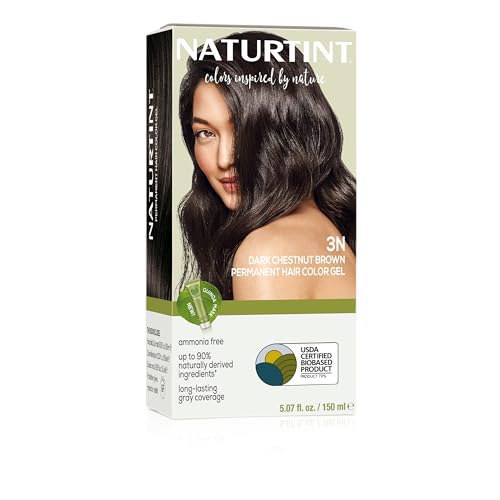
Naturtint 3N Dark Chestnut Brown Permanent
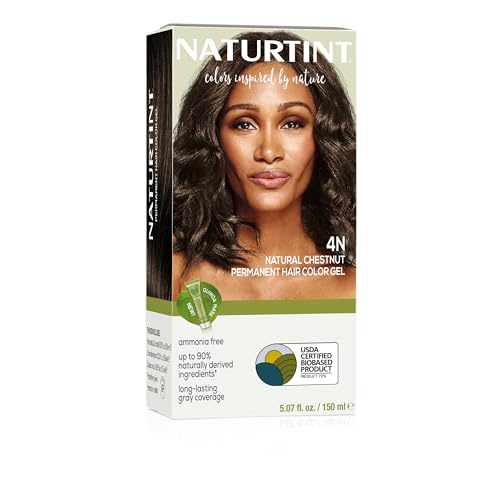
Naturtint 4N Natural Chestnut Permanent
The Strengths Of Each Pick
This older-stock Colorsilk kit ships as a three-pack, so you’re covered for several rounds of root touch-ups before reaching for another order. It’s the original ammonia-free Revlon formula aimed at straightforward gray blending, and the no-drip cream makes at-home application feel manageable even if your bathroom counter isn’t set up for serious color work.
The 51 Light Brown shade leans warm and natural, which suits first-time dyers who want gray coverage without a dramatic shift. Compared with newer bond-repair options later in this list, it’s a simpler formula, so don’t expect salon-grade conditioning. For shoppers keeping an eye on cost, this is one of the more approachable entry points.
Good Reasons To Consider
- Three-pack format stretches your color budget across multiple applications.
- Ammonia-free base keeps the working scent milder than traditional permanent dyes.
- Light brown tone offers a soft, natural-looking blend for scattered grays.
Things To Consider
- This is the older Colorsilk formula, so its bond-repair features are not present.
- The cream can run if you apply it heavy near the hairline, so sectioning matters.
Feature Snapshot
Made For
Budget-focused shoppers who want predictable gray blending without premium conditioning extras.
Consider Something Else When
Pick the Naturtint 5N Light Chestnut Brown Permanent if you want a gentler, ammonia-free formula with vegan credentials built in.
Semi-permanent dyes behave differently from permanent formulas: the color sits on top of the hair shaft like a stain rather than lifting into it, so it fades gradually over many washes instead of growing out at the roots. Good Dye Young’s magenta leans dark-based, which gives it real visibility on salt-and-pepper hair where lighter pastels would disappear.
It’s also a conditioning formula, so the dye acts more like a treatment than a chemical process. If you want to test a bold color without a long-term commitment, this is one of the friendlier ways to do it. For shoppers focused on traditional gray coverage, the L’Oréal Excellence Crème a few picks down is a more conventional route.
What Earns Its Place
- Semi-permanent nature means zero commitment, color fades with washing.
- Conditioning base treats strands while depositing pigment.
- Vegan and cruelty-free formulation suits conscious routines.
- 5 oz bottle is enough for shoulder-length hair or longer.
Points To Keep In Mind
- Won’t fully cover gray; instead it tints silver strands with magenta tones.
- Expect fading within roughly 16 to 24 washes, so reapplication is part of the routine.
Whose Shelf It Belongs On
Creative shoppers who treat gray as a canvas rather than something to hide.
A Better Fit Elsewhere
Choose the L’Oréal Excellence Crème Resistant Grays if you want maximum gray coverage in a more traditional sense.
Some grays resist standard permanent dye and come out brassy or patchy. This L’Oréal formula was engineered specifically for that scenario, with patented gray-seeking dyes that target the most stubborn silver strands rather than the pigmented hair around them.
The non-drip crème stays put during processing, and the included Ceramide R Complex works on the inner hair structure during and after coloring. Compared with the gentler Naturtint options later on, this is a heavier-duty kit, so it suits people whose main priority is maximum, even coverage rather than minimal chemical exposure.
Well-Handled Touches
- Patented gray-seeking dyes concentrate pigment where it’s hardest to reach.
- Ceramide R Complex helps reinforce strands during processing.
- Non-drip texture simplifies application along the hairline and part.
- Built for resistant grays without pre-softening steps.
- Universal compatibility across hair types.
Honest Caveats
- This is a permanent dye, so root regrowth will show within several weeks.
- Not ammonia-free, so sensitive scalps may feel more irritation than gentler kits.
Feature Snapshot
Best Suited To
Shoppers with stubborn grays who have struggled with patchy results from standard permanent kits.
Look Elsewhere When
Pick the Naturtint 4N Natural Chestnut Permanent if you want strong gray coverage with an ammonia-free, plant-leaning formula.
Most permanent color kits ask for 25 to 45 minutes of processing. Just 5 is built around the opposite idea: a five-minute formula that handles roots in roughly the time it takes to brush your teeth and check email.
The trade-off is that five-minute formulas typically don’t reach the gray-penetration depth of slower kits like the L’Oréal Excellence Crème. For scattered grays and quick refreshes between salon visits, though, the speed makes the kit genuinely useful. The included replenishing conditioners help offset the shorter contact time.
Real-World Strengths
- Five-minute processing fits busy mornings and short windows.
- Three-pack format covers months of root touch-ups.
- J-30 black shade gives deep, even coverage on dark bases.
- Replenishing conditioners help maintain softness.
Room For Improvement
- Shorter processing may underperform on very resistant or coarse grays.
- Black is a single shade, so blending outside that range isn’t possible.
Feature Snapshot
Perfect Match For
Dark-haired shoppers who want fast, no-fuss root touch-ups between bigger color sessions.
Swap It Out When
Choose the L’Oréal Excellence Crème Resistant Grays for stubborn grays that need longer processing to fully cover.
Bond repair is the buzz phrase in modern color kits, and it points to ingredients that aim to reinforce the disulfide bonds inside hair strands, which can weaken with repeated coloring. This newer Colorsilk iteration layers in vegan keratin fillers alongside the ammonia-free base, so coverage and conditioning run in parallel.
The 20 Brown Black shade delivers a noticeably darker result than the 51 Light Brown kit at the top of this list, so it suits shoppers whose natural base runs deeper. For weak or breakage-prone hair, the bond-repair angle is the practical hook here.
What Pays Off
- Ammonia-free formula keeps the working scent gentler than traditional permanent dyes.
- Vegan keratin fillers work alongside color to reinforce strands.
- Brown black shade gives deeper, cooler coverage.
- Works across all hair types, including coarse or textured bases.
Practical Considerations
- Bond-repair claims vary by hair condition, so damaged hair may see more visible benefit than healthy hair.
- Three-pack means heavier packaging if storage space is tight.
Right Fit For
Shoppers with breakage-prone strands who want gray coverage that also conditions during processing.
Reach For A Different Pick When
Pick the Revlon ColorSilk 51 Light Brown, 3-Pack if your base runs light and you want softer, warmer coverage.
Ultra light blonde shades pull the most pigment out of hair to reach their final tone, which means the conditioning side of the formula matters more than usual. This ColorSilk kit leans on the same bond-repair, ammonia-free base as the brown black version, but the shade sits at the opposite end of the spectrum.
For shoppers with naturally light hair and grays that read bright silver, the sun-blonde tone blends without making silver strands look dull or muddy. Compared with the ash-blonde option a few picks down, the sun tone runs warmer and more golden.
The Value In It
- Bond repair complex helps offset damage from the lifting process.
- Warm sun-blonde tone keeps grays from looking flat.
- Three-pack stretches the kit across multiple sessions.
Trade Offs
- Ultra light shades can lift unevenly on hair that’s been previously colored darker.
- Not suited to dark brown or black bases without pre-lightening.
Feature Snapshot
Who Should Grab It
Light-blonde shoppers who want warm, sunny gray blending and bond support during coloring.
Where A Sibling Pick Shines
Pick the Revlon ColorSilk Bond Repair 05 Ultra Light Ash Blonde if you prefer cooler, ash-toned results over warm gold.
Ash blonde sits on the cooler side of the blonde family, with green and violet undertones that neutralize brassiness in gray hair. For silver strands that lean warm or yellow, this ColorSilk shade counteracts those tones during the color process rather than layering pigment over them.
It shares the bond-repair, ammonia-free base with the other Colorsilk picks in this list, so the conditioning story stays consistent. Shoppers with naturally ashy or neutral bases tend to get the cleanest results here.
The Case For It
- Ash undertones neutralize brassiness in silver strands.
- Ammonia-free formula reduces working odor.
- Bond repair complex supports strands while coloring.
- Three applications per order for ongoing maintenance.
Smaller Limitations
- Cool tones can read slightly dull on warm natural bases without pre-toning.
- Ultra light lift means prior dark color may need extra processing.
Best Suited To
Light-haired shoppers fighting brassiness and want cool, neutral-toned gray coverage.
Another Choice May Suit
Pick the Revlon ColorSilk Bond Repair 03 Ultra Light Sun Blonde if you’d rather lean warm and golden than cool and ashy.
Naturtint built its formula around plant-based ingredients and stripped out ammonia, parabens, and heavy metals, which is why it shows up so often in scalp-sensitive routines. The 5N Light Chestnut Brown shade sits between blonde and brunette, giving soft, warm coverage that doesn’t fight your natural undertone.
The 5.07 fl oz bottle covers shoulder-length hair comfortably, and the included conditioner packet helps reset moisture after processing. Against the heavier-duty L’Oréal Excellence Crème earlier in this list, Naturtint is the calmer choice for shoppers who prioritize gentle ingredients over maximum gray-fighting power.
What Works In Its Favor
- Ammonia-free formula is friendlier to sensitive scalps.
- Vegan and cruelty-free formulation suits conscious routines.
- Light chestnut tone gives soft, natural-looking gray blending.
- Plant-based ingredients add a conditioning layer during coloring.
- Long-lasting results reported across multiple wash cycles.
Worth Noting
- Single-pack format means reordering for each touch-up session.
- Gray coverage can vary on very coarse or resistant silver strands.
Right Fit For
Sensitive-scalp shoppers who want permanent coverage with plant-leaning ingredients.
Look Elsewhere When
Pick the L’Oréal Excellence Crème Resistant Grays if your grays need extra pigment to fully cover.
The 3N Dark Chestnut Brown shade gives noticeably deeper coverage than the 5N option earlier in this Naturtint trio, making it a natural fit for brunette bases and silver strands that read darker. Like its siblings, it shares the ammonia-free, vegan, plant-leaning base.
For shoppers whose natural hair sits in the medium-to-dark brown range, 3N keeps the result cohesive without lifting or shifting tone too dramatically. Compared with the brown-black Colorsilk earlier, this leans a touch warmer and a touch softer.
Real Benefits
- Dark chestnut tone blends naturally into deeper brunette bases.
- Ammonia-free formula stays gentler on the scalp.
- Vegan and cruelty-free formulation.
- 5.07 fl oz bottle covers most shoulder-length hair.
Things To Weigh
- Shade selection is the only difference from sibling Naturtint kits, so it overlaps if you already own 4N or 5N.
- Resistant grays on very coarse hair may need a second pass.
Built With In Mind
Brunette shoppers who want gentle, ammonia-free coverage in a deeper chestnut shade.
Skip It When
Pick the Naturtint 5N Light Chestnut Brown Permanent if your natural base runs lighter than medium brown.
The 4N sits right between Naturtint’s 3N and 5N shades, which makes it the most universally wearable option in the brand’s natural lineup. Neutral undertones mean the result reads as “your hair, but fuller” rather than shifting warm or cool.
For shoppers new to gray coverage or anyone who just wants their natural color back without drama, this is the practical starting point. The ammonia-free base and plant-derived ingredients keep it on the gentler side of the permanent category.
Positive Takeaways
- Neutral chestnut tone suits a wide range of natural bases.
- Ammonia-free, vegan formula for sensitive routines.
- Plant-based ingredients layer in conditioning during color.
- 5.07 fl oz size covers most hair lengths.
Details To Watch
- Single-application packaging means reordering per touch-up.
- Neutral tone may look flat on hair that wants more dimension.
Perfect Match For
First-time color shoppers who want their natural chestnut shade back with gentle ingredients.
Not Your Match When
Pick the Good Dye Young Semi-Permanent Magenta if you’d rather play with bold, conditioning color instead of natural blending.
Choosing The Right Gray Coverage For Your Routine
Permanent vs Semi-Permanent
Permanent formulas lift the hair cuticle slightly to deposit color inside the strand, which is why they grow out at the roots rather than fading evenly. Semi-permanent formulas like the Good Dye Young magenta coat the outside of the hair shaft and wash out gradually over many shampoos. For shoppers who want set-and-forget coverage, permanent kits are the practical pick. For anyone experimenting with tone or color play, semi-permanent gives a softer landing.
Gray Resistance and Texture
Coarser silver strands often resist pigment, which is why dedicated formulas like L’Oréal’s Excellence Crème use targeted dye complexes to push color into stubborn areas. If your grays tend to come out brassy or patchy with regular kits, look for words like “resistant” or “gray-seeking” in the product description. Fine hair, by contrast, usually accepts color faster and tolerates shorter processing times like the five-minute Just 5 kit.
Scalp Sensitivity and Ingredients
Ammonia is the traditional chemical that opens the cuticle for permanent dye, and it’s also the source of most scalp sting and that sharp working smell. Ammonia-free options like the Naturtint lineup and the newer Colorsilk Bond Repair kits trade some lifting power for a calmer experience. If you color frequently, that gentler base compounds into noticeably less irritation over months of use.
Shade Selection and Natural Base
Choosing a shade close to your natural base gives the most believable gray blending, while going one or two levels lighter or darker adds visible dimension. Ash tones (the 05 Ultra Light Ash Blonde Colorsilk) neutralize brassiness, and warm tones (03 Ultra Light Sun Blonde) keep silver strands from reading flat. Testing on a hidden strand before full application helps confirm the result.
Things Worth Knowing Before You Order
Where Shoppers Go Wrong
Picking a shade two or three levels darker than your natural base is the most common mistake, because darker formulas grab gray strands unevenly and look obvious as the color grows out. Skipping the strand test is the second slip: a quick patch on the underside of your hair reveals how the formula will react to your specific texture. Rushing processing time with permanent kits also backfires, since most formulas need the full timer to push pigment deep enough to last.
What The Higher Tier Buys
The jump from a basic kit to a bond-repair or specialty formula pays for ingredients that target weaknesses the basic kit ignores. Bond-repair Colorsilk adds vegan keratin fillers that reinforce strands during processing, while L’Oréal’s resistant-gray technology concentrates pigment where standard formulas fall short. For shoppers who color every four to six weeks, the upgrade compounds into noticeably stronger hair over a year of touch-ups.
Frequently Asked Questions
How long do non permanent hair colors for gray hair typically last?
Semi-permanent formulas generally fade over 15 to 25 washes, depending on how often you shampoo and how porous your hair is. Permanent formulas stay until your hair grows out, which usually means four to eight weeks before roots become noticeable.
Can you use these kits on hair that has been previously colored?
Yes, but the result depends on what was used before. Permanent dye layered over permanent dye tends to deepen or shift the tone, while semi-permanent over permanent creates surface-level color. A strand test helps predict the final look before a full application.
Are ammonia-free formulas weaker on resistant grays?
Often yes, because ammonia is one of the most effective cuticle openers in permanent dye. Ammonia-free kits compensate with alternative ingredients and longer processing recommendations, but very coarse silver strands may still need a dedicated resistant-gray formula for full coverage.
Do bond-repair ingredients actually repair damaged hair?
Bond-repair complexes work on the disulfide bonds inside hair strands that can weaken with repeated chemical processing. Results vary based on existing damage, but shoppers with breakage-prone hair tend to see the most visible improvement in texture and strength after several uses.
Should you wash your hair before applying at-home color?
Most kits work best on hair that is clean but not freshly conditioned. Day-old hair with natural oils gives the formula a slightly protected scalp without blocking pigment from reaching the strands. Heavy leave-in products should be rinsed out before application.
Bottom Line
Gray coverage is one of the easier at-home color wins once you match the formula to your hair type and routine. Gentler ammonia-free kits work for most shoppers, while bond-repair and resistant-gray formulas earn their keep on tougher textures. Pick the kit that fits your natural base, your scalp sensitivity, and how often you want to redo it.
