

Skiing puts skin through a punishing combo of thin atmosphere, snow-reflected UV rays, windburn, and cold that masks how much exposure you are actually getting. A beach SPF 50 can feel fine in the parking lot and still leave your cheeks stinging by lunch, so the category matters more than most people realize. This list rounds up options that hold up on chairlift rides, long descents, and the kind of layering skiers actually wear. Plenty of body lotions and sprays show up, alongside mineral face serums for the sensitive crowd and travel-size tubes that survive a backpack.
An Overview Of The Picks
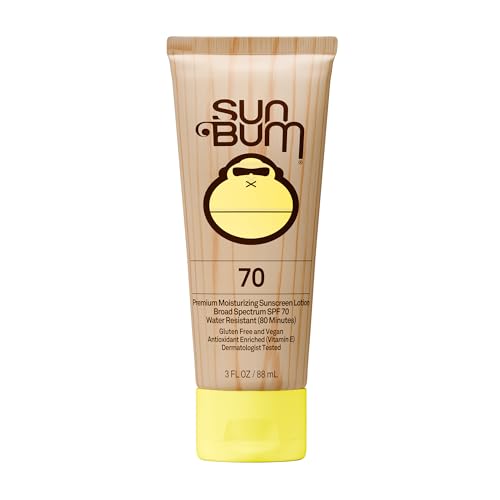
Sun Bum Original SPF 70 Sunscreen Body Lotion 3 oz

Hawaiian Tropic Everyday Active SPF 50 Sunscreen Spray 6 oz (2 Pack)

Sun Bum Original SPF 50 Roll-On Body Sunscreen 3 oz

Sun Bum Original SPF 70 Sunscreen Lotion 8 oz (Pack of 2)

La Roche-Posay Anthelios UV Pro-Sport SPF Face & Body Sunscreen
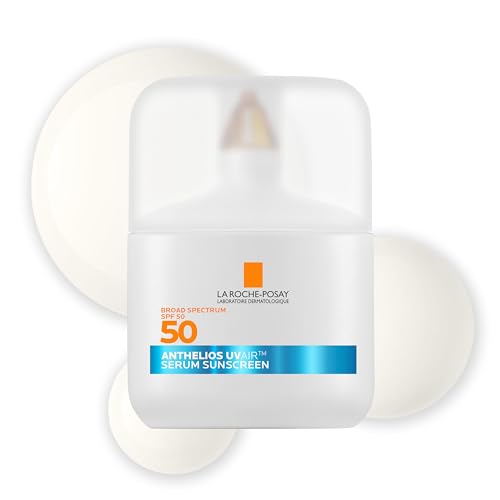
La Roche-Posay Anthelios UVAir Sunscreen Serum SPF 50

Cetaphil Sheer Mineral Face Sunscreen SPF 50 (1.7 oz)

Cetaphil Sheer Mineral Sunscreen Stick SPF 50 (0.5 oz)

La Roche-Posay Anthelios Mineral Light Fluid Sunscreen SPF 50 (5 Shades)
The Strengths Of Each Pick
A 3 oz tube slides cleanly into a jacket pocket or hip pack, which matters when you are riding lifts and do not want to lug a full-size bottle. Sun Bum’s Original SPF 70 body lotion is built around broad-spectrum UVA/UVB protection with vitamin E for antioxidant support, so the formula tries to do two jobs at once: block high-altitude rays and keep skin from drying out in cold wind.
The non-comedogenic claim makes it a reasonable choice for the face too, though most skiers will pair it with a dedicated face SPF like the La Roche-Posay options further down. For weekend trips where bag space is tight, this travel-size format punches above its weight.
What Helps Most
- SPF 70 rating with broad-spectrum UVA/UVB coverage, useful when snow reflection doubles real exposure.
- Travel-size 3 oz tube fits TSA rules and most jacket pockets, ideal for one-bag ski travel.
- Vitamin E adds an antioxidant layer that helps counter the oxidative stress of UV plus cold air.
- Lotion format spreads evenly on large areas like quads and shoulders without the patchy look sprays can leave.
Things To Consider
- The signature scent is strong and lingers on lift rides, which can bother scent-sensitive skiers riding close in queues.
- Lotion takes more patience to rub in than a spray on a windy ridge, so touch-ups can feel slow.
Right Fit For
Weekend skiers packing light who want one tube to cover face-adjacent zones without committing to a full-size bottle.
A Better Fit Elsewhere
Anyone who hates rubbing lotion in on a cold chairlift should look at the Hawaiian Tropic SPF 50 spray for faster coverage.
Sprays earn their place on chairlifts because pulling gloves off and rubbing lotion into numb hands is a chore nobody enjoys. Hawaiian Tropic’s Everyday Active SPF 50 comes as a 6 oz continuous spray per bottle, and the two-pack format gives you a backup to keep in the car or lodge. The broad-spectrum UVA/UVB rating is the same you’d expect from a higher-end body lotion, just delivered in a lighter mist.
The non-greasy claim tends to hold up under a baselayer, which is the actual test on a ski day: nobody wants sunscreen bleeding into a neck gaiter. Compared with the Sun Bum SPF 70 lotion in slot one, this one trades raw SPF rating for application speed, and that trade-off is worth it for skiers who reapply mid-run.
Practical Advantages
- Continuous spray format means faster coverage on shoulders and thighs, even with gloves on.
- Two-pack delivery covers a full ski week plus a backup bottle for the car or lodge cubby.
- Lightweight, fast-absorbing texture stays cleaner under technical fabrics than thicker body lotions.
- Broad-spectrum protection covers both UVA (aging) and UVB (burning) rays at altitude.
Worth Noting
- Sprays can drift in high wind, so applying on the leeward side of a lift shack tends to be more reliable.
Made For
Skiers who reapply mid-day and want spray-speed coverage without committing to a single small bottle.
Consider Something Else When
Anyone needing serious SPF for thin, sensitive facial skin should pair this with the Cetaphil Sheer Mineral Face SPF 50 instead.
Roll-on applicators sound gimmicky until you have tried to spread lotion onto the back of your own neck while wearing mittens. Sun Bum’s SPF 50 roll-on uses a metal ball to lay down a thin layer of broad-spectrum lotion without needing your hands involved at all, which sounds like a small thing and absolutely is not on a cold morning. Vitamin E shows up again in this formula for antioxidant support, and the brand calls out water resistance for active use.
Compared with the Hawaiian Tropic spray in slot two, this one is slower per square inch but more precise. Where it really shines is the back of the neck, ears, and tops of feet, spots sprays tend to miss or overshoot.
Features That Help
- Roll-on ball delivers lotion without rubbing, useful when hands are cold or gloved.
- 3 oz travel size fits in a parka pocket for chairlift touch-ups between runs.
- SPF 50 with broad-spectrum UVA/UVB coverage handles high-altitude exposure on most ski days.
- Oil-free and water-resistant formula stays put under a shell layer for short sessions.
Trade Offs
- The ball can clog in extreme cold, so keeping the tube inside an inner pocket helps.
- Slower coverage than a spray on large areas like thighs, so it works best as a complement, not a primary body sunscreen.
Best Suited To
Skiers who want targeted, no-mess coverage on the neck, ears, and hands without exposing skin to the air mid-application.
Not Your Match When
Someone who needs full-body coverage for a long tour day will outpace this tube and should reach for the Sun Bum SPF 70 lotion 8 oz two-pack instead.
This is the household-size version of the SPF 70 lotion in slot one, but it earns its place on a ski list because sunscreen disappears fast when you have a family or a full season ahead. You get two 8 oz bottles, broad-spectrum UVA/UVB protection with vitamin E, and the same non-comedogenic formula skiers have come to expect from Sun Bum. The vegan and reef-friendly claims matter for anyone skiing in places that take the Hawaii Reef Act or similar rules seriously.
The trade-off here is portability. An 8 oz bottle does not fit a jacket pocket, so this is a base-camp sunscreen, not a lift-line one. Compared with the Hawaiian Tropic spray two-pack, this one asks for rubbing-in time but delivers higher SPF and a longer shelf life in a lodge drawer.
Why It Works Well
- Two 8 oz bottles cover a full ski week for two adults, which simplifies packing for couples and families.
- Vegan and reef-friendly formulation aligns with stricter resort rules and personal ethics.
- SPF 70 broad-spectrum coverage handles the UV intensity of high-altitude bowls and spring skiing.
- Non-comedogenic and dermatologist-tested formula works for both face and body on most skin types.
Honest Caveats
- Bottles are too large for a jacket pocket, so they live in the lodge or car and need a small travel tube for the lifts.
Feature Snapshot
Who Should Grab It
Couples, families, or season-pass skiers who want a base-camp supply they can refill smaller tubes from.
Skip It When
Solo travelers chasing flights and chairlifts will do better with the Sun Bum 3 oz SPF 70 travel tube in slot one.
Anthelios UV Pro-Sport is built for people who sweat, swim, and stop sweating only long enough to put on another layer. The brand calls out sweat and water resistance as the headline feature, plus a formula designed for both face and body so you can carry one tube instead of two. The invisible, non-greasy finish is a real plus under ski goggles, where greasy residue can fog lenses and irritate the foam line.
Versus the Sun Bum SPF 70 lotion in slot one, you give up some raw SPF number for a more elegant feel and better sweat performance. For aggressive skiers who run hot or ski touring where output is constant, that swap usually pays off.
Where It Excels
- Sweat- and water-resistant formula holds up during high-output skiing, skinning, and spring slush sessions.
- Invisible, blendable finish works on all skin tones without a chalky cast, so goggles and hats go on cleanly.
- Dual face-and-body use cuts the kit down to one tube, which simplifies pack weight for tour days.
- Breathable texture feels lighter under a shell than heavier drugstore body lotions.
Points To Note
- Smaller bottle sizes mean more frequent replacement for full-season users.
- Premium positioning comes at a premium per-ounce cost versus the Sun Bum 2-pack.
Quick Facts
Whose Shelf It Belongs On
Hard-charging alpine skiers and ski tourers who sweat heavily and need one tube that does not slide off mid-ascent.
Reach For A Different Pick When
Casual resort skiers prioritizing lower cost per ounce will get more mileage out of the Sun Bum SPF 70 lotion 8 oz 2-pack.
Facial sunscreens live a different life on the mountain than body lotions. They sit under goggles, under balaclavas, and often under a layer of foundation or tinted moisturizer for the apr-s-ski bar. Anthelios UVAir is a serum-format SPF 50 with hyaluronic acid, and the brand markets it as a weightless, invisible finish that skips the white cast that ruins mirror selfies at altitude.
Compared with the Anthelios Pro-Sport in slot five, this one is a facial-only product, so it is not a body replacement. What it adds is hydration, which matters in dry mountain air where skin loses moisture faster than most people realize.
What Makes Sense
- Serum texture layers cleanly under ski goggles and a balaclava without pilling or sliding around.
- Hyaluronic acid (a moisture-binding ingredient) supports hydration in dry, high-altitude air.
- SPF 50 broad-spectrum coverage handles a full ski day for most fair-to-medium skin tones.
- Invisible finish avoids the white cast that shows up under lift-line photos and helmet-camera footage.
A Few Limitations
- Facial use only, so a separate body SPF like the La Roche-Posay Pro-Sport or Sun Bum lotion is still required.
- Smaller bottle size means frequent replacement during multi-week ski trips.
Key Product Details
Who It Suits Best
Skiers who want a facial SPF that doubles as a hydrating step under makeup or a balaclava on cold days.
Look Elsewhere When
Anyone who reacts to chemical filters should consider the Cetaphil Sheer Mineral Face SPF 50 in slot seven instead.
Mineral sunscreens filter UV with physical particles, most commonly zinc oxide, instead of chemical absorbers. That distinction matters for skiers with sensitive skin, eczema, or a history of reacting to chemical SPF on windy chairlift rides. Cetaphil’s Sheer Mineral Face SPF 50 uses zinc oxide as the active, leans on a non-comedogenic formula, and is water-resistant up to 80 minutes, which covers most chairlift loops and a long lunch break.
Versus the La Roche-Posay serum in slot six, this one trades the lightweight serum feel for fewer reactive ingredients. Skiers who flush easily in cold air often find mineral formulas easier on their skin.
Well-Handled Touches
- Mineral zinc oxide base suits reactive skin and anyone avoiding chemical UV filters.
- Water resistance up to 80 minutes covers full ski runs without constant reapplication.
- Non-comedogenic formula does not clog pores during high-output days when sweat mixes with product.
- Designed to support the skin’s microbiome, which can take a beating from cold wind and dry lodge air.
Things To Consider
- Mineral formulas can leave a faint cast on deeper skin tones, so testing along the jawline first is worth it.
- Needs more rubbing-in than a serum to avoid visible streaks under helmet straps.
Perfect Match For
Skiers with sensitive or reactive skin who want a mineral face SPF they can wear every lift ride without irritation.
Swap It Out When
Anyone who wants a tinted, photo-ready finish should consider the La Roche-Posay Mineral Light Fluid in slot nine.
Sticks earn their place on a ski list because they solve a specific problem: you want to reapply to your cheekbones, nose, and ears without taking your gloves off or getting lotion in your eyes. Cetaphil’s Sheer Mineral Stick comes in at 0.5 oz, smaller than a lip balm, and works on both face and body for spot fixes. The same mineral zinc oxide base shows up here as in the Cetaphil lotion in slot seven, which means the reactivity story carries over.
The honest read is that a stick is a complement, not a primary sunscreen, but it pairs well with almost anything else on this list.
Real-World Strengths
- Solid stick format applies without hands, so goggles stay clean and gloves stay on.
- Tiny 0.5 oz size fits in a goggle pouch, chest pocket, or even a jeans pocket for resort skiers.
- Mineral zinc oxide base matches the Cetaphil lotion for skiers committed to a reactive-skin routine.
- Water resistance up to 80 minutes covers most lift loops and a long lunch break.
Worth Bearing In Mind
- Coverage area is small per swipe, so this stick is best for face and ear touch-ups, not full-body application.
Built With In Mind
Skiers who want a grab-and-go top-up stick for nose, cheekbones, and ears between chairlift rides.
Where A Sibling Pick Shines
Anyone needing full-face morning coverage should pair this with the Cetaphil Sheer Mineral Face Lotion in slot seven instead of relying on the stick alone.
Tinted mineral sunscreens do a sneaky amount of work on a ski trip. The titanium-dioxide-based formula here delivers broad-spectrum SPF 50, leaves a tinted matte finish that smooths out goggle-tan lines, and is offered in five shades so skiers can match their actual skin tone instead of defaulting to a one-shade-fits-most cream. The result is a product that covers sun protection and light coverage in one step, which matters when the aprs-ski plan is more interesting than the run itself.
Compared with the Cetaphil mineral lotion in slot seven, this one adds tint at the cost of needing a closer shade match. It also leans more toward a foundation-substitute than a pure sunscreen.
The Case For It
- Five-shade range gives a closer match for more skin tones than typical untinted mineral SPFs.
- Mineral titanium dioxide base suits sensitive and reactive skin types.
- Tinted matte finish smooths redness and goggle marks without needing a separate foundation.
- SPF 50 broad-spectrum protection handles full-day mountain exposure.
Practical Considerations
- Tinted products need shade-matching, and online swatches can mislead in cold-light conditions at altitude.
- Wearing it under a heavy balaclava can transfer onto fabric, so a setting powder or skipping it on storm days helps.
The Right Fit
Skiers who want a tinted facial SPF that doubles as a light coverage step for dinners and photos after the lifts close.
Another Choice May Suit
Anyone who prefers an untinted, pure SPF step will be happier with the Cetaphil Sheer Mineral Face Lotion in slot seven.
How To Match Sunscreens To Real Mountain Days
Choosing sunscreen for skiing is less about finding the highest SPF on the shelf and more about matching format to your day. Spray formulas win for full-body coverage on lift lines, sticks solve the gloves-off problem, and facial SPFs need to layer cleanly under goggles. The split between chemical and mineral filters (chemical absorbs UV, mineral reflects it) also shapes who each product fits, since reactive skin tends to tolerate mineral better. Match the format to the day, the filter type to your skin, and the SPF to the altitude and time of year.
SPF Numbers In Mountain Conditions
SPF 50 blocks about 98% of UVB rays, and SPF 70 climbs only slightly higher. At altitude, snow can reflect up to 80% of UV, doubling real-world exposure compared with a summer hike. Pushing past SPF 50 matters less than reapplying on a schedule, since most people under-apply rather than under-protect.
Water And Sweat Resistance
A “water resistant 80 minutes” label means the SPF holds through 80 minutes of submersion or sweat before breaking down. Skiing generates real heat on the way down, so any product claiming resistance should be assumed to fade after about two hours of active output. Reapplication on long lift loops and après breaks is the habit that matters.
Format Matchups For Real Gear
Lotions spread well under loose layers but can pill under technical fabrics. Sprays cut application time but drift in wind, which is constant above the treeline. Sticks deliver precision on the face but get expensive if you try to use them for full-body coverage. Most experienced skiers carry two formats: a primary body sunscreen and a stick or serum for the face.
Practical Notes Across These Picks
Pitfalls Shoppers Hit
Treating SPF 50 and SPF 70 as interchangeable is a common mistake, and the higher number is not always worth the cost for fair skin that tans easily. Another frequent slip is buying only a body lotion and ignoring the face, where reflective burn hits hardest because goggles and hats concentrate exposure on the cheekbones and nose. Skiers also tend to over-rely on tinted moisturizers with low ratings, which can leave the face exposed under what looks like full coverage.
Where The Extra Money Goes
The premium tier here, especially the La Roche-Posay options, spends its budget on texture, filter stability, and elegant finishes under goggles. That matters for daily wearers and people with sensitive skin who react to cheaper formulas. A casual weekend skier on a budget gets most of the protection from a high-SPF body lotion and a simple mineral stick, so the upgrade is about feel and skin compatibility rather than raw SPF.
Frequently Asked Questions
Do I really need SPF 70 for skiing?
Higher SPF buys margin against intense, snow-reflected UV, especially in spring when sun angles climb. Reapplication matters more than chasing the highest number, but SPF 50 or above is a sensible baseline at altitude.
Is mineral sunscreen better than chemical for the mountain?
Mineral formulas start working immediately and tend to irritate sensitive skin less, which helps on cold, windy days. Chemical formulas often feel lighter under goggles, so the trade-off depends on your skin and comfort.
How often should I reapply sunscreen while skiing?
Every two hours during active skiing, and sooner if you are sweating heavily or wiping your face with a balaclava. Sticks make mid-day touch-ups on nose and cheekbones fast.
Can I use one sunscreen for face and body?
Dual-use formulas like the La Roche-Posay Pro-Sport work fine for both, but most dermatologists suggest a dedicated facial SPF because facial skin is thinner and more reactive. A small body stick on the face is a reasonable compromise.
Does tinted sunscreen offer enough protection on its own?
A tinted mineral SPF 50 provides full broad-spectrum protection when used at the recommended amount. Coverage drops quickly if you under-apply, so plan on a generous layer rather than a thin swipe.
Wrap Up
The right sunscreen setup for skiing usually pairs a high-SPF body option with a face-specific SPF, plus a stick for chairlift touch-ups. Mineral formulas earn their keep on sensitive skin, while chemical and serum textures win on feel under goggles. Match the format to your day, the filter type to your skin, and reapply on a steady schedule. The mountain will do the rest of the work.
