

Fine lines show up earlier than most routines plan for, and the right retinol can soften that path without flaring your skin into rebellion. With eight years of formulas crowding the category, sorting the gentle workhorses from the harsh hitters matters more than picking the strongest percentage on the shelf. This list rounds up eight treatments, from beginner-friendly retinals to Korean PDRN blends, that earn their spot based on what the formulas actually do for crepey texture, etched expression lines, and the stubborn patches around the mouth and eyes.
The Picks In Brief

BIYSBER Retinol Collagen Serum for Face

CISL SEOUL Korean PDRN Salmon DNA Serum 30ml

Kiramoon Flowermelon Hydrating Serum 2 fl oz

Dr Dennis Gross Advanced Retinol + Ferulic Treatment

TATCHA The Longevity Serum
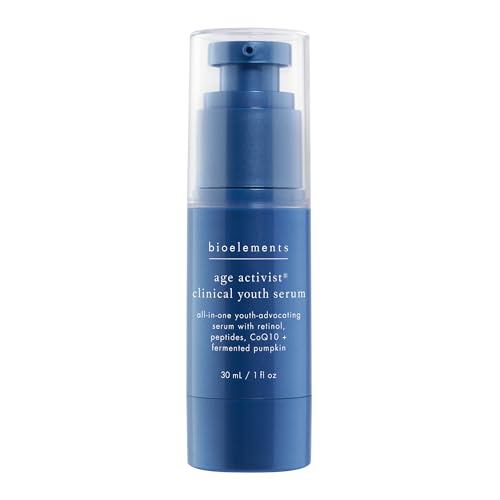
Bioelements Age Activist Clinical Youth Serum 1 oz

Prequel Skin 0.1% Retinaldehyde Serum
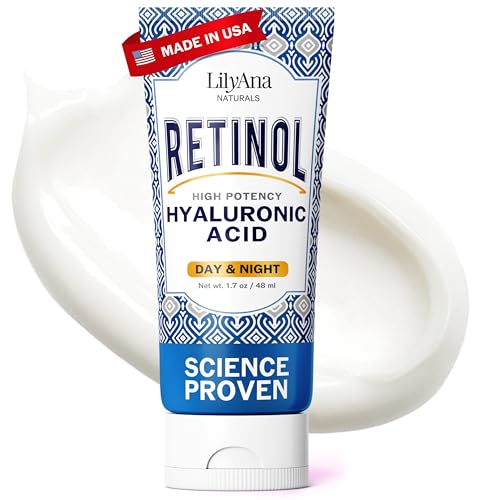
LilyAna Naturals Anti Aging Retinol Face Cream
A Deeper Look At The Lineup
A simple daily-use serum that pairs retinol with peptides and hyaluronic acid, the BIYSBER retinol collagen serum targets both surface texture and the deeper support your skin needs to keep bounce. You get a 1.7 fl oz pump-friendly bottle designed for morning or evening routines, which makes it easier to slot into a regimen that already has a vitamin C or SPF step. The peptide pairing helps soften the dryness some people experience when they first start retinol, especially around the cheeks and forehead where lines tend to settle first.
For most people, this is the kind of formula that gets layered under a regular moisturizer without demanding a separate buffer cream. Owners commonly report smoother makeup application after a few weeks, particularly around the mouth and crow’s feet, where settling tends to expose fine lines the most.
Where It Delivers
- Combines retinol with peptides for both surface smoothing and deeper collagen support
- Hyaluronic acid helps offset the dryness that often sidelines new retinol users
- Day and night versatility makes layering with SPF or richer creams straightforward
- 1.7 fl oz bottle offers a reasonable runway for evaluating results over several weeks
- Liquid serum texture absorbs fast, which suits routines that include vitamin C or niacinamide
Things To Consider
- Retinol strength is not disclosed on the label, so users with very reactive skin have less guidance to plan around
- A dropper-style routine can run through the bottle faster than gel or cream formats
- Wide-spread use on the neck increases the chance of irritation if sunscreen is skipped afterward
Feature Snapshot
Who It Suits Best
Routine-builders looking for a balanced serum to start or maintain a daily retinol habit without a steep learning curve.
Where Another Pick Suits Better
Reactive or post-procedure skin may prefer the gentler Prequel Skin 0.1% Retinaldehyde Serum, which uses a lower-strength retinoid with soothing cica oil.
A Korean PDRN (polydeoxyribonucleotide) serum works along a different pathway than a classic retinol, using fragments of salmon DNA to support the skin’s repair environment while Matrixyl 3000, a peptide blend, encourages a plumper look. The 30ml bottle delivers a 5% PDRN concentration in a fragrance-free formula, which suits layered routines where masking scents from multiple products tends to add up. Exosomes, tiny vesicles that help ferry actives, are also on the ingredient list and add another layer to the smoothing story.
Compare that to the BIYSBER entry above, which leans on retinol as the headline active, this CISL SEOUL pick takes a peptide-and-DNA route for those whose skin has already pushed back against traditional retinoids. For most people chasing a glass-skin finish, the lightweight slip makes layering straightforward.
Positive Points
- 5% PDRN offers a non-retinoid route to firmer-looking skin for sensitive routines
- Matrixyl 3000 supports plumper texture where expression lines tend to etch in
- Fragrance-free formula reduces conflict with other layered products
- Exosome addition helps ferry actives deeper into the surface
Points To Note
- Does not deliver true retinol, so users specifically wanting cell turnover should pair it with a separate retinoid
- 30ml is smaller than a typical serum bottle, so heavy daily users may need to repurchase sooner
- PDRN sourcing can be a turn-off for shoppers avoiding animal-derived ingredients
Made For
Skin-conscious shoppers curious about Korean bio-regenerative ingredients who want a peptide-led approach alongside a separate retinoid.
Consider Something Else When
Strict retinoid-only routines will get more mileage from the LilyAna Naturals Anti Aging Retinol Face Cream, which keeps retinol as the headline active.
The Kiramoon Flowermelon leans fully into hydration rather than cell turnover, with aloe vera leading the ingredient list and chamomile plus niacinamide doing the soothing heavy lifting. Sodium hyaluronate, a low-molecular-weight form of hyaluronic acid that pulls water into the skin, helps the formula deliver all-day moisture without weighing down combination or oily skin types. The 2 fl oz bottle and fragrance-free build make it a friendly companion for anyone whose retinol step leaves them feeling tight or flaky.
Think of this one as a buffer, not a retinol replacement. Owners commonly layer it under or over a stronger active to reduce the dryness that often shows up around the eyes and nasolabial folds, where fine lines tend to deepen first. For most morning routines, the lightweight slip absorbs before makeup without pilling.
Standout Benefits
- Aloe-forward formula calms the tightness that retinol newcomers often experience
- Chamomile and niacinamide pair to soften visible redness and uneven tone
- Fragrance-free and cruelty free, fitting sensitive-skin routines cleanly
- Lightweight enough to layer with a separate retinoid without competing for absorption
Honest Caveats
- Does not contain retinol, so shoppers needing a true resurfacing active should pair it with one of the dedicated retinols in this list
- 2 fl oz uses up quickly when applied to both face and neck daily
Right Fit For
Sensitive or barrier-compromised skin that needs a hydration-first step alongside, or in place of, a stronger retinoid.
A Better Fit Elsewhere
Shoppers wanting actual retinol should pivot to the Prequel Skin 0.1% Retinaldehyde Serum, which delivers a true retinoid in a gentler delivery system.
The Dr Dennis Gross treatment arrives as pre-dosed peel pads, each one soaked with a 0.2% retinol concentration blended with bakuchiol, a plant-derived retinol alternative, and rambutan extract for antioxidant support. Ferulic acid rounds out the formula, helping stabilize the actives while delivering a mild exfoliating pass that lifts dull surface cells before bed. Recommended for two to three nights a week rather than nightly use, this format takes the guesswork out of measuring and gives the skin recovery time between sessions.
For most people wanting visible resurfacing without building a multi-step routine, the pad format makes consistency easier. Compare that to the BIYSBER serum, which is designed for daily application, this one targets users ready to commit to a more structured weekly schedule.
What Earns Its Place
- Pre-dosed pads remove the risk of over-applying or under-applying retinol
- 0.2% retinol paired with bakuchiol softens the irritation often linked to that concentration
- Ferulic acid adds antioxidant support while stabilizing the formula
- Two-to-three-night schedule fits routines that already include stronger nightly treatments
Points To Keep In Mind
- Pad format produces ongoing waste, which may frustrate sustainability-focused shoppers
- Higher retinol concentration can cause peeling for those new to the ingredient category
- Not formulated for daily use, so it requires a slot in a weekly calendar to deliver full benefits
Key Specs
Who Will Love This
Experienced retinoid users wanting a structured, peel-style treatment with antioxidants built into each dose.
Skip It When
Beginners should start with the Prequel Skin 0.1% Retinaldehyde Serum instead, which uses a milder retinoid with a lower irritation profile.
TATCHA positions The Longevity Serum around barrier strength and resilience, leaning on Japanese botanical traditions rather than retinol as the headline active. The formula aims to reinforce the skin barrier, which often weakens as fine lines deepen and moisture loss accelerates through the late thirties and beyond. A collagen-rich appearance is the goal, paired with smoother texture and a more lifted feel across the cheek and jawline.
For shoppers not yet ready to commit to a nightly retinoid, this serum offers a bridge step that focuses on resilience before introducing cell turnover. Compare that to the Dr Dennis Gross peel pads above, which jump straight into a resurfacing protocol, this TATCHA pick earns its slot for barrier-first aging routines.
A Favorable Mix
- Barrier-first formula suits routines that need strengthening before resurfacing
- Targets resilience and firmness in addition to smoothing texture
- Plays well alongside a separate retinoid without competing for absorption
- Modern Japanese botanical angle offers a different philosophy from Western retinoid stacks
Practical Considerations
- Premium positioning pushes it well above the budget tier of this list
- Does not deliver a dedicated retinol concentration for shoppers wanting pure resurfacing
Built With In Mind
Mature skin looking to firm and reinforce the barrier while easing into anti-aging routines without aggressive actives.
Reach For A Different Pick When
Shoppers wanting an actual retinol in a more accessible price range will find the BIYSBER Retinol Collagen Serum a more direct fit.
The Bioelements Age Activist serum packs retinol alongside peptides, vitamin E, coenzyme Q10, and fermented pumpkin into a single 1 oz bottle that targets lines, pores, and roughness at the same time. Vegan and gluten free, the formula suits shoppers who read ingredient lists closely and want a multi-concern approach rather than a single-active serum. The fermented pumpkin adds a gentle enzymatic layer that helps lift dull surface cells without the aggression of a peel.
For most routines that already include a separate exfoliant or vitamin C, this serum reduces the number of steps you need to maintain. Compare that to the LilyAna cream covered later in this list, which focuses on retinol plus hyaluronic acid in a richer base, this Bioelements option is a lighter, multi-angled approach.
A Few Strong Suits
- Retinol, peptides, vitamin E, and CoQ10 target several aging concerns in a single step
- Fermented pumpkin adds a mild enzymatic exfoliation to the mix
- Vegan and gluten free, fitting ingredient-restricted routines
- Lightweight serum texture layers cleanly under moisturizer and SPF
Some Limits To Know
- Multi-ingredient approach means you have less visibility on which active is doing the heavy lifting for your skin
- 1 oz bottle runs out faster than the 1.7 fl oz options elsewhere in this roundup
- Combination of actives can overwhelm very reactive skin if introduced too quickly
Spec Overview
Whose Shelf It Belongs On
Multi-concern routines that want to streamline steps while still addressing lines, pores, and uneven texture in a single bottle.
Look Elsewhere When
Skin that responds best to a single, focused retinoid may prefer the Prequel Skin 0.1% Retinaldehyde Serum for a simpler active lineup.
Prequel Skin uses 0.1% retinaldehyde, a retinoid that converts to retinoic acid more efficiently than standard retinol, paired with ectoin and cica oil to buffer the irritation curve. The gel format keeps the formula light enough to layer under a moisturizer, while the inclusion of cica oil helps maintain comfort in the first few weeks when peeling tends to peak. Retinaldehyde is more potent than retinol molecule for molecule, which means a 0.1% retinaldehyde formula can still feel gentle when supported by the right base.
For most first-time retinoid users, this is a measured starting point. Compare that to the Dr Dennis Gross peel pads covered earlier, which jump to 0.2% retinol on a twice-weekly schedule, this Prequel serum offers a lower-strength daily option with built-in soothing.
Practical Advantages
- 0.1% retinaldehyde delivers retinoid efficiency without the harshest entry-level concentrations
- Ectoin and cica oil help buffer peeling and tightness during the adjustment phase
- Gel format absorbs fast and layers cleanly under nightly moisturizers
- Suitable for consistent long-term use rather than short bursts
Worth Bearing In Mind
- Retinaldehyde is stronger than retinol, so even at 0.1% the adjustment period can include some peeling
- Not formulated for shoppers wanting a single jar that combines retinoid and moisturizer
- Requires consistent nightly application for several weeks before texture changes become visible
Best Suited To
Retinoid newcomers and anyone returning to the category after a break who wants a measured, well-buffered starting point.
Swap It Out When
Experienced users chasing higher-strength resurfacing will see more dramatic results from the Dr Dennis Gross Advanced Retinol + Ferulic Treatment pads.
The LilyAna Naturals retinol face cream delivers retinol alongside hyaluronic acid in a richer cream base that doubles as a night moisturizer. The 1 fl oz jar works across both face and neck, addressing the décolleté area where fine lines and crepey texture tend to settle alongside the jawline. Vitamin E rounds out the formula, lending antioxidant support while the cream texture seals in the previous steps of a nighttime routine.
For shoppers who want to collapse their retinol and moisturizer into a single jar, this cream earns its slot. Compare that to the Prequel gel covered above, which keeps the format light and separates the retinoid from the moisturizer, this LilyAna cream combines both for shorter routines.
A Strong Showing
- Combines retinol and hyaluronic acid in one jar, simplifying multi-step routines
- Cream texture works across both face and neck without needing a separate body product
- Vitamin E adds antioxidant support alongside the resurfacing active
- Hydrating base helps reduce the dryness that often derails new retinol users
Room For Improvement
- Cream jar format requires clean fingers or a spatula to maintain hygiene over time
- 1 fl oz size is on the smaller side for full-face and neck nightly use
- Retinol strength is not printed on the label, so experienced users may find the concentration modest
Feature Rundown
Perfect Match For
Shoppers wanting an all-in-one retinol moisturizer that addresses the face and neck in a single jar without a separate hydrating step.
Not Your Match When
Users wanting a stronger resurfacing protocol will get more visible change from the Dr Dennis Gross peel pads or the Prequel retinal serum.
What Matters Most Before Choosing Retinols for Fine Lines
Active Strength and Type
Retinol, retinaldehyde, and tretinoin represent different points on the potency ladder. Retinol, the gentlest of the three, converts through two steps before reaching retinoic acid, the form skin actually uses. Retinaldehyde shortcuts that path by one conversion, which is why a low percentage like Prequel’s 0.1% can still feel effective. Tretinoin is prescription-only and the most aggressive option. If your skin leans reactive, start at the retinol or low-percentage retinaldehyde end of the spectrum and adjust upward only after several weeks of tolerance.
Supporting Actives
Peptides, hyaluronic acid, niacinamide, and botanical extracts each play a different supporting role. Peptides signal the skin to support its own collagen production, while hyaluronic acid pulls water into the surface to counter retinol’s drying effect. Niacinamide helps with tone and barrier strength, which makes it a smart partner for newcomers. For most routines, pairing retinol with one or two of these supports gives faster visible change without forcing the skin into overdrive.
Format and Routine Fit
Serums absorb fast and layer easily, creams deliver retinol plus hydration in one jar, and peel pads offer a measured weekly dose. Your existing routine matters here: if you already use a separate moisturizer, a serum fits naturally. A combined cream works better for shorter routines. Pad formats suit schedules that already include strong actives and need a structured midweek session rather than a daily commitment.
Skin Profile and Tolerance
Sensitive skin benefits from fragrance-free, low-strength formulas with built-in soothing like cica or ectoin. Oily or combination skin usually tolerates gels and lightweight serums without added heaviness. Dry or mature skin tends to do better with cream formats that combine retinol with hydrating actives. Most dermatologists recommend easing in slowly, two to three nights per week at first, before working toward nightly use.
Key Considerations Across These Picks
Common Shopping Slip Ups
A frequent misstep is reaching for the highest retinol percentage first, which often leads to peeling, redness, and abandonment of the routine before results show. Another is stacking multiple strong actives at once, like pairing a peel pad with a separate AHA, which overwhelms the barrier and stalls progress. Skipping daily SPF is the third common trap, since retinol increases photosensitivity and unprotected sun exposure can undo the smoothing work the active is doing overnight.
What Separates Premium From Basic
Premium formulas in this category tend to invest in delivery systems that buffer irritation, like the cica oil in Prequel’s retinal serum or the fermented pumpkin in Bioelements. They also tend to disclose retinol concentration clearly, which helps shoppers plan their schedule and tolerance ramp. Basic formulas lean on retinol alone, sometimes without disclosing the percentage, and rely on the active to carry the entire result. The premium tier earns its position when the buffer actives are clinically aligned with the concentration and the format supports consistent use.
Frequently Asked Questions
How long do retinols for fine lines take to show results?
Most users notice smoother texture and more even tone after four to six weeks of consistent nightly use, with deeper line softening showing up around the twelve-week mark. Individual response varies based on skin type, the active’s concentration, and whether supporting products like hyaluronic acid are layered alongside.
Can retinols for fine lines cause purging?
Yes, especially when first introducing a retinaldehyde or a higher-strength retinol. Purging looks like small breakouts or flaking in areas where you normally experience congestion, and it typically resolves within four to six weeks. Persistent irritation beyond that window suggests the formula is too strong or being applied too often.
Should retinols for fine lines be used every night?
Not when starting out. Most dermatologists recommend two to three nights per week for the first month, then gradually increasing frequency as the skin builds tolerance. Once tolerance is established, daily nighttime use delivers the most consistent results, with daytime SPF as a non-negotiable companion.
What should you avoid layering with retinols for fine lines?
Strong exfoliants like glycolic acid, high-percentage vitamin C, and benzoyl peroxide can amplify irritation when paired with retinol in the same routine. Layering these on alternate nights, or at separate times of day, lets each active work without overloading the skin barrier.
Are retinols for fine lines safe during pregnancy?
Most dermatologists recommend pausing retinol and retinaldehyde products during pregnancy and nursing, switching instead to peptides, hyaluronic acid, and bakuchiol-based formulas. Always confirm specific ingredients with a healthcare provider before adjusting a routine during this period.
Closing Verdict
The right retinol depends on where your skin sits on the sensitivity spectrum and how much routine complexity you want to maintain. Beginners and reactive skin types get a smoother on-ramp with the Prequel Skin 0.1% Retinaldehyde Serum, while barrier-first routines benefit from TATCHA’s resilience focus. Multi-concern shoppers find the most streamlining with Bioelements, and anyone wanting minimal steps should land on LilyAna’s combined cream. Whichever path fits your shelf, consistent use and daily SPF are the two habits that turn the bottle into results.
