

Gardeners, weightlifters, mechanics, and guitar players all know the same stubborn feeling: rough, thickened calluses that no amount of plain lotion seems to soften. The skin on your palms and fingers pads down as a defense mechanism, and basic moisturizers often just sit on top. Targeted lotions for calluses on hands break that hardened layer down while restoring the flexibility underneath, so you can grip, type, and move without that sandpaper drag.
A Quick View Of The Lineup

Corn Huskers Hand Lotion for Dry, Cracked Hands 7 oz (Pack of 10)

O’Keeffe’s Working Hands Hand Cream 3 oz (2 Pack)

O’Keeffe’s Working Hands Cream 3.4 oz (2-Pack)
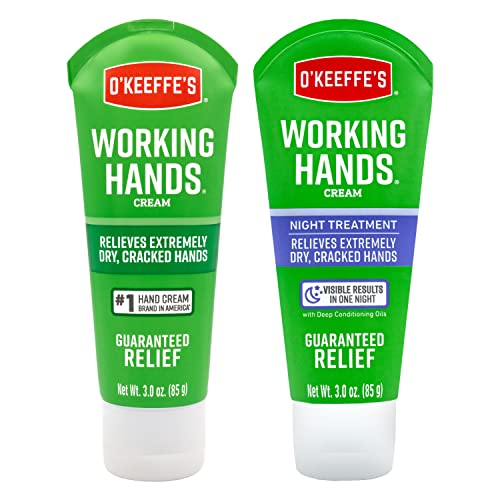
O’Keeffe’s Working Hands Plus Night Treatment 3 oz

Bag Balm Vermont’s Original Skin Moisturizer 4 oz Tin
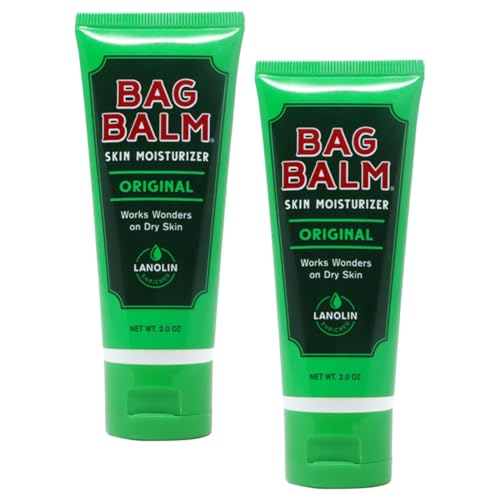
Bag Balm Vermont’s Original Hand Moisturizer 2 oz (Pack of 2)

Bag Balm Original Skin Moisturizer 0.33 oz 4-Pack
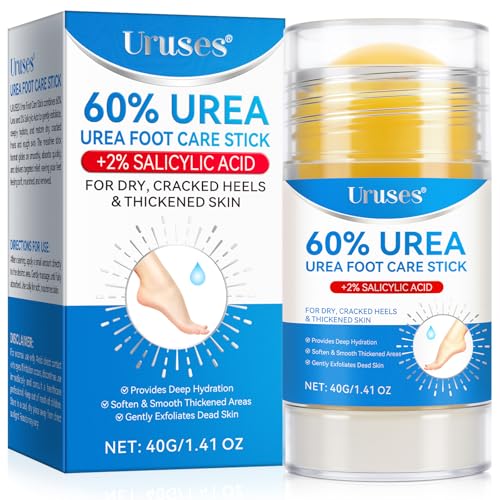
Uruses Urea Cream 60% plus Salicylic Acid 2% Stick
A Closer Look At Each Pick
Corn Huskers has been a staple on farm benches and construction trailers for decades, and the 7 oz squeeze bottle earned its reputation by being almost impossibly light. The formula skips heavy oils, which means it disappears into rough, calloused skin in under a minute, leaving behind a breathable shield rather than a slick film.
For most people dealing with workday grime and frequent hand washing, that quick absorption is the whole appeal. You can apply, grab a tool, and keep moving without smearing every surface you touch.
The Value In It
- Oil-free texture absorbs quickly, so you can reapply mid-shift without losing grip.
- Pack of 10 keeps a bottle in the truck, workshop, kitchen, and gym bag without restocking.
- Lightweight feel makes it easy to layer under gloves without overheating the skin.
Things To Consider
- Light hydration may not be rich enough for deeply fissured, bleeding cracks.
- Owners commonly report the thin consistency requires frequent reapplication on harsh jobs.
At A Glance
Who It Suits Best
Tradespeople, gardeners, and anyone who washes hands often and wants a fast-absorbing lotion that won’t slow them down.
Consider Something Else When
If your hands are severely cracked and bleeding, O’Keeffe’s Working Hands 3 oz (2 Pack) delivers a richer occlusive seal that holds moisture in longer.
Where Corn Huskers goes thin, O’Keeffe’s Working Hands goes thick. The cream is built around glycerin, which pulls water into the outer skin layer, plus a waxy seal that keeps it from evaporating back out. You feel that protective layer the moment it goes on, almost like a thin, flexible glove forming over the callus.
For cracked knuckles and painful splits around the nail beds, that occlusion is what makes the difference between a one-time slick and real overnight repair. The two-pack format means you can keep a tube at the desk and one by the bed.
Points In Its Favor
- Creates a durable moisture barrier that survives several hand washings.
- Concentrated formula means a small dab covers a large callus area.
- Fragrance-free composition suits sensitive, reactive skin.
- Travel-friendly tube fits in a glove compartment or tool drawer.
Worth Noting
- Waxy finish can transfer onto paper, phones, and steering wheels if not absorbed.
- Thicker texture requires more massaging into dense calluses than lighter lotions.
Built With In Mind
Construction workers, healthcare staff, and anyone whose hands crack painfully enough to interfere with typing or gripping.
Look Elsewhere When
You want a less occlusive, oil-free option for daytime reapplication; Corn Huskers Hand Lotion 7 oz (Pack of 10) absorbs faster and won’t leave a residue.
The 3.4 oz tube gives you the same Working Hands formula as the 3 oz version, just with a slightly larger reservoir. That extra real estate matters when you’re applying twice a day through a long winter or a heavy project cycle, since you won’t run out the same week you start.
It’s the same waxy, glycerin-driven moisture seal, so behavior on the hands matches what Item 2 already covers. The difference here is purely about how often you want to think about restocking.
Strengths Worth Knowing
- Same trusted formula as the smaller tube, in a longer-lasting format.
- Two-pack lets you stash a tube at work and home without sharing.
- Large opening on the tube makes scooping out a dime-sized portion simple.
Trade Offs
- Bulkier tube is less pocket-friendly than the 3 oz size for daily carry.
Right Fit For
People committed to a multi-week repair routine who prefer buying larger sizes to reduce reordering.
Swap It Out When
You need something portable for travel; Bag Balm Original Skin Moisturizer 0.33 oz 4-Pack slips into any jacket pocket.
The Night Treatment sits alongside the daytime Working Hands cream as a deliberate partner product. The texture is heavier and more restorative, designed to sit on the skin for eight hours while you sleep rather than absorb quickly between tasks.
For stubborn calluses that have built up over months of climbing, lifting, or yard work, that sustained contact time does the heavy lifting. Slather it on, pull on a pair of cotton gloves if you want, and let it do the work overnight.
The Helpful Details
- Higher glycerin concentration than the standard cream for deeper overnight hydration.
- Thick, balm-like consistency creates a long-lasting occlusive layer.
- Sleep-time use keeps the formula off your phone and paperwork.
Room For Improvement
- Too heavy for daytime wear; will feel greasy if used mid-work.
- Stronger seal can pill under fabric gloves if applied too thickly.
Made For
Nighttime repair users who want to wake up with noticeably more flexible, less painful calluses.
A Better Fit Elsewhere
For a daytime repair cream that handles mid-shift application, O’Keeffe’s Working Hands Hand Cream 3 oz (2 Pack) is lighter and faster absorbing.
Bag Balm started life in dairy barns, lanolin-rich petrolatum designed to keep udders soft in cold Vermont winters. That farm heritage still shows in the tin’s hefty texture. You dip a finger in, scoop out a small amount, and spread it across calluses, cracked heels, or chapped knuckles.
The 4 oz tin is the largest format in the lineup, which makes sense for households sharing one jar across hands, feet, and lips. Lanolin is a waxy substance derived from sheep’s wool that mimics the skin’s natural oils.
Notable Gains
- Petrolatum and lanolin combo locks moisture in for hours.
- Multi-use formula works on hands, feet, lips, and elbows from the same tin.
- Unscented, paraben-free, and cruelty-free for clean ingredient preferences.
- Made in the USA in the original Vermont formula since 1899.
Points To Note
- Open tin exposes the balm to air and dust between uses.
- Petrolatum base feels greasy and is not the right choice before handling paper or fabric.
Quick Facts
Best Suited To
Home users with rough hands, cracked heels, and chapped lips who want a single shared tin on the nightstand.
Not Your Match When
You need a portable tube that won’t dirty your pockets; Bag Balm Vermont’s Original Hand Moisturizer 2 oz (Pack of 2) keeps the same formula in a squeeze tube.
The tube version of Bag Balm trades the iconic tin for a more practical squeeze format. Inside, you get the same lanolin-enriched petrolatum blend that made the original famous, just without the need to dig it out with a fingertip every application.
For shop floors and jobsites where a tin would collect grime and grit, the tube keeps things sanitary. It also lets you control the portion more precisely, which matters when the formula is as thick as this one.
Everyday Advantages
- Lanolin soothes and softens thickened skin on knuckles and finger pads.
- Tube format keeps the product clean in shared or dirty workspaces.
- Free of fragrances, colors, alcohol, parabens, and phthalates.
- Versatile formula also works on cuticles, cracked heels, and chafed areas.
Honest Caveats
- Heavy balm feels slick under gloves if not given time to absorb.
- Smaller 2 oz tube runs out faster than the 4 oz tin for heavy daily users.
Perfect Match For
Mechanics, farriers, and dog owners who want a no-frills heavy balm in a portable tube format.
Another Choice May Suit
If you’d rather skip petrolatum altogether, O’Keeffe’s Working Hands Plus Night Treatment 3 oz uses glycerin-driven occlusion without the same greasy residue.
The four-pack of 0.33 oz tubes is the smallest format Bag Balm offers, shaped for lips and cuticles more than palm-sized calluses. Each tube has its own applicator tip, so you can share the pack across the family without cross-contaminating.
The five-ingredient formula is the same lanolin and petrolatum combination as the larger tins, just delivered in a tube small enough for a jacket pocket or car console. It’s a complement to a bigger product, not a replacement.
A Few Highlights
- Individual tubes fit anywhere, from glove boxes to hiking packs.
- Applicator tip delivers a clean dab without fingertip contamination.
- Safe to use on both people and animals in a pinch.
- Simple five-ingredient list appeals to clean-beauty shoppers.
Less Ideal Details
- 0.33 oz size is impractical for covering large palm calluses quickly.
- Tubes are easy to misplace in coat pockets and drawer corners.
Whose Shelf It Belongs On
Frequent travelers and gift-givers who want a compact Bag Balm format that slips into any bag.
Reach For A Different Pick When
Your calluses cover entire palms or finger pads; Bag Balm Vermont’s Original Skin Moisturizer 4 oz Tin delivers more balm per application.
The Uruses stick is the outlier on this list, and it’s worth knowing why. Urea at 60% concentration is a keratolytic, meaning it actively breaks down the protein structure of thickened skin. Salicylic acid at 2% adds a chemical exfoliation layer, softening the bonds between dead callus cells so they release cleanly.
For calluses that have gone beyond dry and into the thick, yellow, almost waxy category, this is the strongest pick in the lineup. The stick format means you swipe it directly onto the affected area without getting it on nearby healthy skin.
Features That Help
- 60% urea concentration softens thickened calluses faster than standard moisturizers.
- Salicylic acid helps shed the loosened dead skin over the following days.
- Stick applicator keeps the active formula on calluses, not on palms.
- Suitable for heels, knees, and hands in addition to feet.
Practical Considerations
- Potent formula can sting if applied to cracked or broken skin.
- Not appropriate for daily long-term use without cycling off periodically.
- Owners commonly report the strong concentration means less product is needed per session.
Technical Sheet
Who Should Grab It
Climbers, gymnasts, and laborers with thick, established calluses that haven’t responded to standard moisturizers.
Skip It When
You mostly deal with dryness and mild roughness rather than thick callus buildup; O’Keeffe’s Working Hands Hand Cream 3 oz (2 Pack) is gentler for daily maintenance.
What To Weigh Before Choosing Your Callus Lotion
Calluses form when repeated friction signals your skin to build a thicker defensive layer, so the right lotion has to do two jobs at once: soften the existing buildup and restore moisture so the skin underneath stays supple. Start by looking at how thick your calluses actually are. Light surface roughness responds well to lightweight, fast-absorbing formulas, while waxy, deeply thickened pads usually need a richer occlusive or a keratolytic active like urea.
Next, think about when you can realistically apply. Daytime workers who wash their hands repeatedly benefit from light, oil-free lotions that disappear in under a minute. Anyone who can spare an overnight window can lean into heavier balms or night treatments, since contact time is what drives absorption in dense callus tissue.
Ingredients matter too. Glycerin pulls water into the outer skin layer. Lanolin mimics the skin’s natural oils and seals them in. Petrolatum locks everything underneath a breathable, waxy film. Urea at high concentrations actively breaks down keratin, the structural protein in thickened skin, while salicylic acid exfoliates the loosened cells. Picking the right active for your callus severity saves weeks of frustration.
Finally, consider where the lotion lives. A tin on the nightstand works for shared household use, but a tube survives shop drawers and truck cabs. Travel-sized sticks and tins fit gym bags and laptop sleeves for midday touch-ups.
Key Considerations Across These Picks
Where Shoppers Go Wrong
The most common slip is grabbing the lightest, nicest-smelling lotion and expecting it to dissolve a thick callus. Standard body lotions mostly sit on top of hardened skin because they’re designed for normal moisture levels, not callus repair. Read the active ingredients before judging by texture alone.
Another misstep is ignoring timing. Applying a heavy balm right before handling paper, keyboards, or fabrics sets you up for smudges and frustration. Match the formula to the moment: light lotion for daytime, thick balm or night treatment for sleep.
When Paying More Pays Off
Premium-priced picks in this category tend to concentrate more active ingredients per ounce, meaning a smaller dab covers a larger callus area. The Uruses stick costs more upfront, but a single swipe can replace several applications of a lighter lotion on truly stubborn calluses.
Higher-tier O’Keeffe’s and Bag Balm formats also tend to use more stable emulsions, which means the formula doesn’t separate in the tube over time. You may find the consistency stays usable from the first pump to the last scrape, rather than turning watery or grainy as the container empties.
Frequently Asked Questions
How often should I apply lotion to hand calluses?
Most callus lotions work best when applied at least twice a day, with a heavier layer before bed for overnight repair. Thicker calluses may need three applications during the first week before you see visible softening.
Can callus lotion completely remove the callus?
Moisturizing lotions soften calluses and reduce pain, but they won’t remove deeply thickened skin the way a pumice stone or urea-based exfoliant will. Combine lotion with gentle exfoliation for the best long-term results.
Is urea safe for hand skin?
Urea at concentrations up to about 40% is generally well tolerated on hands for daily use. Higher concentrations like the 60% in the Uruses stick should be applied only to the callus itself and not to surrounding healthy skin.
Should I moisturize calluses or leave them alone?
Leaving calluses dry usually leads to cracking, splitting, and pain. Keeping them moisturized maintains flexibility and reduces the chance of painful fissures, even if the callus itself remains as a protective layer.
What’s the difference between a hand cream and a hand lotion?
Hand creams are thicker, with more oil and less water, making them better for sealing in moisture on dry, cracked skin. Hand lotions are lighter and absorb faster, which suits frequent daytime reapplication but provides a shorter-lasting seal.
Closing Remarks
The best lotion for your calluses comes down to how thick they are, how often you can apply, and where the bottle needs to live. Lighter formulas suit busy daytime routines, heavier balms and night treatments repair stubborn buildup while you sleep, and high-concentration urea sticks tackle the thickest, most established calluses on contact. Pick the format that matches your hands and your schedule, and stay consistent.
