

Vitamin C serums have earned their spot in the morning routine for one reason: they pull double duty on tone and texture without demanding a complicated ritual. The category is crowded though, and the gap between a lightweight everyday formula and a clinical-strength pick is wider than most labels suggest.
This roundup looks at ten current options across price points and skin types, from a gentle niacinamide ampoule to a 12% pure ascorbic acid serum. Every entry includes the format, the standout actives, and the trade-offs that matter when you build a real routine.
A Closer Look At The Lineup

DMYGO Dark Spot Remover Serum with Vitamin C and Hyaluronic Acid

KGDYQZQ Vitamin C Serum For Face Anti Aging & Wrinkle Facial Serum

GOODAL Green Tangerine Vita C Niacinamide 10 Toning Ampoule

La Roche-Posay Pure 12% Vitamin C Serum With Hyaluronic Acid & Salicylic Acid

La Roche-Posay Hyalu B5 Pure Hyaluronic Acid Serum

La Roche-Posay 12% Vitamin C Face Serum 2 Formulas
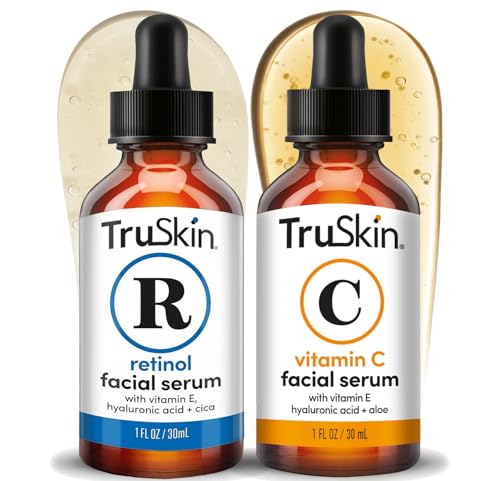
TruSkin Face Serum Duo Vitamin C & Retinol AM PM Routine

TruSkin Serum Trio Vitamin C Retinol Hyaluronic Acid

Vanicream Daily Facial Moisturizer & Vitamin C Serum Bundle
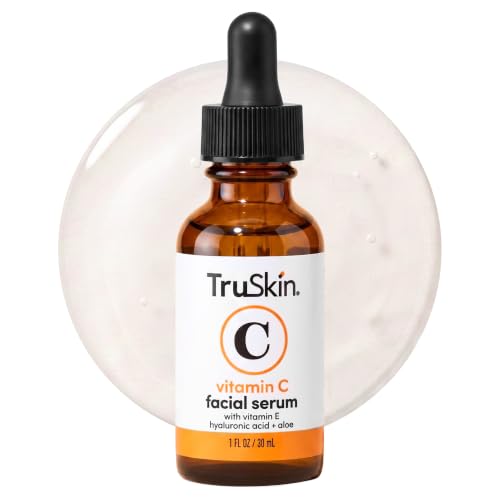
TruSkin Brightening Vitamin C Serum with Hyaluronic Acid
Meet The Standout Selections
The DMYGO serum reads as an entry point for anyone easing into brightening without committing to a higher-strength formula. It pairs vitamin C with hyaluronic acid (a humectant that draws water into the skin), giving the bottle two jobs: tone-evening plus a moisture cushion underneath.
Designed for all skin types and tones, it spreads across face, neck, hands, or body without a sting, which makes it a sensible first bottle if you’re not sure how your skin will react. The 1.6 fl oz size is generous enough to last a few months with daily use, and the lightweight texture layers under sunscreen without pilling.
Points In Its Favor
- Gentle formula suitable for first-time vitamin C users
- Hyaluronic acid adds hydration alongside brightening
- Works on face, neck, hands, and body for flexible use
- 1.6 fl oz bottle gives a reasonable daily-use run
- Compatible with most morning routines and sunscreen layers
Small Caveats
- Lower-strength formula may take longer to show visible results
- Dark spot fading is gradual, not a quick fix
Made For
First-time brightening users with sensitive or reactive skin who want a mild daily serum without the sting of higher concentrations.
Skip It When
You’ll get more mileage from the KGDYQZQ Vitamin C Serum if you want a stabilized derivative specifically built for stubborn hyperpigmentation.
What sets this serum apart is the form of vitamin C inside. It uses 3-O-Ethyl Ascorbic Acid, a stabilized derivative that resists oxidation longer than pure ascorbic acid, meaning the bottle stays potent even after weeks of morning use on the bathroom shelf.
The formula targets hyperpigmentation and sun spots while calming uneven tone, which fits anyone whose main complaint is post-summer discoloration rather than fine lines. The serum sits in the middle of the pack: stronger than the DMYGO bottle, but milder than the La Roche-Posay 12% options later in the lineup.
Positive Points
- Stabilized derivative stays effective longer than pure ascorbic acid
- Targets melanin production to fade sun-related dark spots
- Soothes irritated or uneven skin during use
Trade-Offs To Consider
- Not the highest concentration on this list for advanced users
- Brightening timeline still depends on consistent daily use
- Less moisturizing than hyaluronic acid-blended options
Key Specs
Right Fit For
Anyone dealing with stubborn sun spots or post-summer discoloration who wants a stabilized derivative that won’t turn brown in the bottle.
Reach For A Different Pick When
Switch to the GOODAL Green Tangerine Vita C ampoule if you want niacinamide paired with your vitamin C for pore refinement alongside tone-evening.
This ampoule is the K-beauty play in the lineup. Green tangerine extract brings a naturally high vitamin C content, and the addition of niacinamide (a form of vitamin B3 known for pore-refining and barrier support) gives it a multi-angle approach to glow.
At 30ml, the bottle is smaller than the others, which signals a concentrated, treatment-style formula rather than an everyday splasher. It layers well under moisturizer and sunscreen, and the lightweight consistency absorbs without leaving a tacky finish.
A Few Strong Suits
- Tangerine extract delivers vitamin C in a botanical base
- Niacinamide adds pore-refining alongside brightening
- Concentrated ampoule format for treatment-style use
- Lightweight texture absorbs cleanly under sunscreen
Honest Caveats
- Smaller 30ml bottle means faster turnover for daily users
- Fragrance from botanical extracts may bother ultra-sensitive skin
Who Should Grab It
Anyone building a K-beauty-influenced routine who wants niacinamide and vitamin C in a single ampoule for pore refinement and natural glow.
A Better Fit Elsewhere
Pick the Vanicream Vitamin C Serum instead if you need a fragrance-free, airless-pump formula for reactive or easily-irritated skin.
The headline here is choice. La Roche-Posay offers this 12% vitamin C serum in two formulas: one for normal skin and one for oily skin, which means you’re picking the version that matches your actual skin type rather than adapting to a one-size-fits-all product.
Hyaluronic acid handles hydration while salicylic acid (a beta-hydroxy acid that exfoliates inside the pore) keeps oil and buildup in check. This is the formula that pulls the most weight in the lineup: high enough strength for visible brightening, gentle enough for daily morning use, and backed by a brand name you can find on shelves everywhere.
Noteworthy Benefits
- 12% pure vitamin C for clinical-strength brightening
- Two formula variants for normal or oily skin types
- Hyaluronic acid adds hydration alongside the active
- Salicylic acid supports oil control and clarity
- Reduces wrinkles and refines texture over time
Things To Weigh
- Higher concentration may cause initial tingling on sensitive skin
- Pure ascorbic acid oxidizes faster than stabilized derivatives
- Salicylic acid version may be drying for already-dry complexions
Feature Snapshot
Best Suited To
Anyone with normal-to-oily skin who wants a higher-strength brightening serum from a recognized skincare brand with formula flexibility.
Where Another Pick Suits Better
The La Roche-Posay Hyalu B5 serum fits more naturally if your skin leans dry or reactive and needs pure hydration over clinical brightening.
The Hyalu B5 isn’t strictly a vitamin C serum, but it earns its place here as the hydration anchor that pairs with any vitamin C in your routine. It combines pure hyaluronic acid, vitamin B5, and madecassoside (a compound derived from centella asiatica known for soothing) for plump, comfortable skin.
Sensitive skin is the explicit target, so the formula is oil-free and built to layer without irritation. If you’ve bounced off stronger vitamin C serums in the past, this is the bottle that goes underneath them to make the routine tolerable.
The Practical Payoff
- Plumps skin with concentrated pure hyaluronic acid
- Vitamin B5 supports the skin’s moisture barrier
- Madecassoside adds a soothing touch for reactive skin
- Oil-free formula suitable for sensitive complexions
Points To Keep In Mind
- Not a vitamin C formula, so it doesn’t directly brighten
- Works best when paired with a separate active serum
Whose Shelf It Belongs On
Sensitive or dry-skinned users who need a hydrating base layer to pair with their vitamin C serum without irritation.
Look Elsewhere When
The TruSkin Brightening Vitamin C Serum covers both hydration and brightening in one bottle if you’d rather skip the layering step.
The earlier-version sibling to the Pure 12% serum, this formula keeps the same clinical 12% concentration but simplifies around hydration and antioxidant protection. It pairs vitamin C with hyaluronic acid and antioxidants for a straightforward brightening-and-defense routine.
Two formula options again, which keeps the fit flexible for different skin types. The texture tends to read as a more traditional serum, so it’s the pick if you want a no-fuss morning step that handles brightness and environmental defense in one application.
Useful Touches
- 12% pure vitamin C for visible brightening results
- Hyaluronic acid rounds out hydration support
- Antioxidant base helps defend against environmental stressors
- Two formula variants adapt to normal or oily skin
Potential Drawbacks
- Pure ascorbic acid can oxidize quickly after opening
- Higher concentration may sting on freshly exfoliated skin
Quick Facts
Who It Suits Best
Mature users or anyone with established sun damage who wants clinical-strength brightening alongside antioxidant protection in one step.
Consider Something Else When
The KGDYQZQ Vitamin C Serum fits better if you want a stabilized derivative that lasts longer in the bottle at a milder concentration.
The Duo solves a specific problem: figuring out which serum goes where in the day. You get a vitamin C serum for morning brightness and a retinol serum (retinol is a vitamin A derivative that supports cell turnover) for nighttime renewal, with each bottle designed for its slot in the routine.
At 1 fl oz each, the bottles are travel-friendly and last a reasonable stretch with daily use. The lightweight morning serum layers under sunscreen without a heavy finish, and the retinol is formulated to be gentle enough for users easing into vitamin A.
Positive Takeaways
- Two-bottle system covers a full AM and PM routine
- Morning vitamin C supports daytime brightness and defense
- Nighttime retinol targets texture and fine lines
- Lightweight morning formula layers under sunscreen
- 1 fl oz per serum for a manageable daily-use run
A Few Limitations
- Retinol can cause initial dryness or flaking for new users
- Two-step routine requires more shelf space and consistency
Perfect Match For
Anyone starting a full day-and-night skincare routine who wants a matched pair rather than guessing which retinol works with their vitamin C.
Swap It Out When
Skip ahead to the TruSkin Serum Trio if you want hyaluronic acid added to the routine for a complete three-step system.
The Trio expands the Duo with hyaluronic acid for a full three-act routine. Vitamin C handles morning brightness, retinol handles nighttime renewal, and hyaluronic acid steps in to keep the skin barrier supported through it all.
For someone committing to a layered anti-aging approach, this consolidates the core actives into one matching set rather than three bottles from three brands. The 1 fl oz per bottle keeps the format manageable on a shelf or bathroom counter.
Strengths Worth Knowing
- Three matched serums cover brightening, renewal, and hydration
- Hyaluronic acid supports the moisture barrier throughout
- Coordinated system removes guesswork from layering
- 1 fl oz per bottle for a balanced daily-use format
Some Limits To Know
- More steps mean more time and consistency required
- Retinol component may not suit very sensitive skin types
- Three bottles take up more shelf space than a single serum
Built With In Mind
Routine-builders who want a coordinated brightening, renewal, and hydration system from one brand rather than mixing separate products.
Another Choice May Suit
The TruSkin Brightening Vitamin C Serum is a simpler single-bottle option if you’d rather avoid the multi-step commitment.
Vanicream is the line you reach for when common irritants have ruled out other products. The bundle pairs a fragrance-free daily moisturizer with a vitamin C serum designed specifically for sensitive skin, and the serum uses a gentle vitamin C derivative rather than pure ascorbic acid.
The airless pump on the serum matters more than it sounds. Vitamin C oxidizes when exposed to air, and most dropper bottles let that happen with every use. The pump keeps the formula protected, which extends the bottle’s useful life compared to traditional packaging.
Benefits That Matter
- Fragrance-free formula avoids common chemical irritants
- Gentle vitamin C derivative suits sensitive complexions
- Airless pump packaging reduces oxidation in the bottle
- Bundle includes a matching daily moisturizer
- Formulated without dyes, lanolin, or parabens
Worth Bearing In Mind
- Gentle derivative may show slower brightening than pure ascorbic acid
- Bundle format means you’re buying both products together
The Right Fit
Reactive or easily-irritated users who need fragrance-free formulas and a vitamin C serum that won’t oxidize between uses.
Where A Sibling Pick Shines
The GOODAL Green Tangerine ampoule is a better fit if you want botanical-driven brightening and don’t need a fragrance-free formulation.
The flagship TruSkin serum layers vitamin C with hyaluronic acid, vitamin E, aloe vera, and jojoba oil for a moisture-balanced brightening formula. It’s the most cushion-style option in the lineup, and it doubles as both an active and a hydrator in one step.
Daily users with normal skin get the most out of this bottle. The 1 fl oz size fits easily into a routine without crowding the shelf, and the formula is friendly enough to layer under sunscreen, makeup, or heavier night creams without pilling.
A Strong Showing
- Combines vitamin C with hyaluronic acid for dual-action
- Includes vitamin E and botanical oils for barrier comfort
- 1 fl oz size fits easily into a daily routine
- Layers cleanly under sunscreen and makeup
Factors To Consider
- Plant oils may feel heavy on already-oily skin
- Brightening concentration isn’t disclosed at a specific percentage
Who Will Love This
Daily users with normal-to-dry skin who want brightening and hydration in a single morning step without layering multiple serums.
Not Your Match When
The La Roche-Posay Pure 12% serum is the better call if you want a clearly-labeled clinical concentration for more aggressive brightening.
What Matters Most Before Choosing a Vitamin C Serum
The first decision is the form of vitamin C you want. Pure L-ascorbic acid is the most studied and works at clinical strength, but it oxidizes fast and can sting. Stabilized derivatives like 3-O-Ethyl Ascorbic Acid last longer in the bottle and tolerate sensitive skin better, though the brightening effect tends to be slower. The DMYGO and KGDYQZQ bottles lean on the milder side, while the La Roche-Posay 12% options push pure ascorbic acid at higher concentrations.
Next, consider supporting ingredients. Hyaluronic acid adds hydration, niacinamide refines pores, salicylic acid helps oily skin, and botanical oils like jojoba soften the formula. Match the supporting cast to your skin’s actual behavior: oily skin benefits from salicylic acid and lightweight textures, dry skin needs hyaluronic acid and ceramide-friendly formulas, and reactive skin needs fragrance-free options like the Vanicream bundle.
Packaging affects longevity more than most shoppers realize. Dropper bottles expose vitamin C to air every time they open, which speeds up the yellowing that signals oxidation. Airless pumps, like the one on the Vanicream serum, keep the formula stable between uses. You may find that airless packaging is worth prioritizing if you take months to finish a bottle.
Finally, think about routine fit. A single serum works for minimal routines, while the TruSkin Duo and Trio make sense if you’re building a coordinated AM and PM system. The best concentration is the one you’ll actually use daily, since consistent daily application matters more than chasing a higher percentage.
Key Considerations Across These Picks
Wrong Turns To Avoid
One common mistake is starting at a clinical-strength concentration before your skin is used to vitamin C. Pure 12% serums can sting and cause redness on unconditioned skin, so easing in with a gentler formula like the DMYGO bottle or the KGDYQZQ serum usually pays off. Another misstep is ignoring oxidation: a brown or darkened serum has lost most of its potency, so packaging and purchase timing matter.
Where The Extra Money Goes
Higher-tier vitamin C serums typically invest in three places: stabilized forms that resist oxidation, supporting actives like hyaluronic acid or salicylic acid that justify a multi-benefit label, and clinical concentrations backed by formulation rigor. The upgrade is worth it if you have specific concerns like stubborn hyperpigmentation or oily-skin breakouts, but a well-formulated mid-range option covers most daily-use needs.
Frequently Asked Questions
How long does a vitamin C serum take to show results?
Most users see subtle tone-evening after four to six weeks of daily morning use, with more visible brightening at the three-month mark. Results depend on concentration, formulation, and how consistently you apply the serum before sunscreen.
Can vitamin C be used with retinol?
Yes, but timing matters. Many users apply vitamin C in the morning for antioxidant defense and retinol at night for cell turnover, which is exactly the structure the TruSkin Duo and Trio sets are built around. Using both in the same routine can cause irritation for sensitive complexions.
What percentage of vitamin C is effective?
Studies typically support concentrations between 10% and 20% for visible brightening. The La Roche-Posay 12% formulas sit at the lower end of that clinical range, while lower-percentage serums rely on stabilized derivatives to deliver results more gradually.
Should sensitive skin avoid vitamin C?
Not necessarily. Sensitive skin often does better with stabilized forms like 3-O-Ethyl Ascorbic Acid or gentle derivatives rather than pure L-ascorbic acid. The Vanicream serum and KGDYQZQ bottle are both formulated with sensitive skin in mind.
Where does vitamin C fit in a skincare routine?
Vitamin C serums typically go on clean skin in the morning before moisturizer and sunscreen. Layer it after cleansing and toning, then follow with hydration and SPF to lock in the brightening benefits throughout the day.
The Takeaway
The right vitamin C serum depends less on the percentage printed on the box and more on how it fits your skin and routine. Start with a gentler formula if you’re new to the category, prioritize stabilized forms or airless packaging if you take months to finish a bottle, and build out a multi-step system only once the basics are working.
[zephr slug=”best-vit-c-serums-for-face-2026″ excerpt=”Ten current vitamin C serums for the face, from gentle niacinamide ampoules to clinical 12% formulas, covering tone, texture, and routine fit.”]
