

Breakouts have a way of picking the worst moments: the morning of a presentation, the night before a wedding, the week you finally commit to dating apps. Most people dealing with recurring acne want something stronger than a foaming wash but simpler than a full prescription routine. That’s where benzoyl peroxide earns its reputation as a workhorse ingredient, and this list rounds up seven current picks worth your shelf space.
Benzoyl peroxide works by introducing oxygen into the pore, creating an environment where acne-causing bacteria struggle to thrive. The trade-off is that higher concentrations can leave skin dry, tight, or flaky, so choosing the right percentage and format matters as much as the brand on the tube.
The Lineup, Simplified
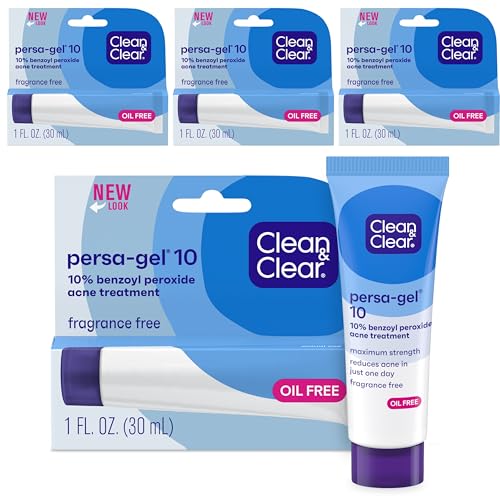
Clean & Clear PersaGel 10 Acne Spot Treatment (Pack of 4)

Zapzyt Maximum Strength 10% Benzoyl Peroxide Acne Treatment Gel (Pack of 3)

La Roche-Posay Effaclar Duo 4% Benzoyl Peroxide Face Wash

La Roche-Posay Effaclar Salicylic Acid Pore Minimizing Serum

La Roche-Posay Effaclar Hydrocolloid Pimple Patches (22 Count)

SALVE Benxop 5% Benzoyl Peroxide Gel (2 Pack)

SALVE Benxop 2.5% Benzoyl Peroxide Gel
More Details On Our Top Picks
The Clean & Clear PersaGel 10 lives in that familiar middle ground between drugstore convenience and clinical credibility. Each 1-fluid-ounce tube delivers a maximum-strength 10% benzoyl peroxide concentration, which is the strongest over-the-counter option available without a prescription. The formula uses a micronized form of the active ingredient, meaning the particles are engineered small enough to slip into pores rather than just sitting on the surface.
A four-pack means you can stash a tube in a gym bag, a desk drawer, a travel kit, and the medicine cabinet without rationing. For anyone dealing with inflamed, swollen pimples that need a targeted strike, the spot-treatment format keeps the active ingredient concentrated where it counts. Compared to the other gels in this lineup, the multipack economics and mainstream availability make it a practical first stop.
Everyday Wins
- 10% concentration delivers the strongest over-the-counter punch available
- Fragrance, alcohol, paraben, phthalate, and dye-free formula suits reactive skin
- Micronized particles penetrate pores faster than coarser formulations
- Four-pack format stretches across multiple locations or households
- Vegan, cruelty-free production and recyclable packaging for conscious shoppers
Things To Consider
- 10% strength can leave drier skin types tight or flaky during the first week
- Spot treatment only, so full-face coverage requires a separate wash
Who It Suits Best
Anyone targeting individual inflamed pimples with a single, reliable tube that can travel between home, work, and the gym.
Consider Something Else When
If your skin leans reactive or you want a milder entry point, the La Roche-Posay Effaclar Duo wash with 4% benzoyl peroxide offers a gentler daily-use alternative.
Zapzyt takes the maximum-strength 10% concentration and reformulates it as a water-based gel rather than an alcohol-based one. That distinction matters more than it sounds: alcohol-heavy gels often leave skin feeling stripped and tight within minutes, especially for people already juggling oily T-zones and dry cheeks. The water base keeps the active ingredient in contact with the breakout while preserving the surrounding skin barrier.
The three-pack format costs a bit more upfront than a single tube, but for anyone cycling through breakouts seasonally, the spare tubes prevent a last-minute pharmacy run. Owners commonly report faster visible reduction than expected, though results vary with breakout severity. Where Clean & Clear leans on multipack convenience, Zapzyt leans on formulation philosophy, and that difference often matters for skin that flares easily.
The Case For It
- 10% strength with a water base that skips the typical alcohol burn
- Micronized particles designed to minimize irritation at high concentration
- Three-pack value cuts down on repurchase trips
Worth Noting
- Still a high-strength formula, so daily use without moisturizer risks dryness
- Gel texture takes a minute longer to absorb than thinner liquid treatments
- No fragrance means the active scent is present, which some find noticeable
Made For
People who want maximum strength without the alcohol sting that often comes with high-peroxide gels.
Where Another Pick Suits Better
For purely inflamed, swollen pimples rather than broader oil control, the Clean & Clear PersaGel 10 spot treatment is purpose-built for that scenario.
The La Roche-Posay Effaclar Duo steps the percentage down to 4% but flips the format into a daily face wash rather than a leave-on gel. That format change matters: a 4% wash used twice daily delivers enough active ingredient over time to manage mild-to-moderate acne, while keeping the contact time short enough that most skin types tolerate it well. The 6.76-ounce bottle is a serious upgrade from 1-ounce spot-treatments in terms of how long it lasts.
For anyone whose breakouts cluster across the jawline, forehead, or chin rather than appearing as single angry spots, a wash format spreads coverage evenly. The brand’s reputation for dermatologist-tested formulations also makes this a sensible first benzoyl peroxide product for cautious shoppers. You trade maximum strength for daily usability, which is a real exchange worth understanding.
The Helpful Details
- 4% concentration is gentle enough for twice-daily use on most skin types
- Wash format spreads across full face rather than targeting individual spots
- Large 6.76-ounce bottle lasts significantly longer per ounce
- Dermatologist-tested brand reputation for reactive skin
Trade Offs
- Shorter contact time means slower visible results than leave-on treatments
- Less effective on deep, cystic blemishes that need sustained exposure
Best Suited To
People managing mild-to-moderate acne across wider zones who want a daily wash instead of a spot treatment.
Skip It When
For deep cystic breakouts that need stronger overnight action, the Zapzyt 10% gel delivers the punch this wash lacks.
This Effaclar serum uses salicylic acid, a beta-hydroxy acid that dissolves oil inside pores rather than just sitting on the surface, as its lead active. Salicylic acid works differently from benzoyl peroxide: it exfoliates inside the pore lining, which helps with blackheads, whiteheads, and the gradual texture changes that follow repeated breakouts. The formula also layers in glycolic acid (an alpha-hydroxy acid that resurfaces the top layer of skin), hyaluronic acid for hydration, and lipo-hydroxy acid, a gentler derivative of salicylic acid that stays active longer.
The trade-off is that this serum doesn’t contain benzoyl peroxide at all, so anyone specifically targeting inflammatory acne won’t get that bacteria-killing benefit. What it offers instead is a comprehensive approach to pore size, texture, and post-acne marks. For oily skin with visible pores and rough texture, the layering strategy often outperforms a single-ingredient treatment.
What Helps Most
- Salicylic acid penetrates oil-filled pores to loosen congestion from within
- Glycolic acid resurfaces texture and boosts cell turnover over time
- Hyaluronic acid offsets dryness common with acid-based treatments
- Lipo-hydroxy acid offers gentler, sustained exfoliation for sensitive users
Points To Note
- No benzoyl peroxide, so inflammatory acne needs a separate treatment
- Multiple acids mean slower introduction is wise to avoid irritation
- Premium pricing per ounce reflects the layered formulation
Perfect Match For
Anyone focused on pore size, post-acne texture, and oil control rather than active inflammation alone.
Not Your Match When
For pure inflammation-fighting strength, the Clean & Clear PersaGel 10 brings the maximum benzoyl peroxide concentration this serum skips.
Hydrocolloid patches take a different approach than the gels and washes in this roundup. Rather than introducing an active ingredient, each patch creates a sealed, moist environment over a whitehead or surface bump that draws out fluid and oil while shielding the spot from fingers and outside bacteria. La Roche-Posay’s version uses a 420-micron thickness, which gives it enough structure to stay put without feeling like a sticker.
The 22-count box covers about three weeks of nightly use if you’re spot-treating occasional breakouts. Unlike the other picks, this one wears invisibly under makeup and can be used during the day in a pinch. The catch is that hydrocolloid works best on pimples that have already come to a head, so deep cystic bumps underneath the skin won’t respond the same way.
Positive Points
- Sealed environment draws out fluid from whiteheads within hours
- Acts as a physical barrier against picking and outside bacteria
- Wears invisibly under makeup for daytime spot treatment
- No active ingredient means zero irritation for surrounding skin
A Few Limitations
- Won’t penetrate deep cystic blemishes that haven’t surfaced yet
- Single-use patches add up as recurring repurchase over time
Who Should Grab It
Anyone who needs a gentle, no-mess option for whiteheads and surface bumps without adding another active to their routine.
Look Elsewhere When
For inflammation below the skin’s surface, the SALVE Benxop 5% gel reaches deeper than any patch can.
The 5% concentration sits in the often-overlooked middle ground between clinical 10% gels and gentle 2.5% introductions. For many skin types, 5% delivers meaningful bacteria-fighting action without the aggressive dryness that maxes out at higher percentages. The smooth gel texture absorbs quickly without leaving heavy residue, which makes layering under moisturizer or sunscreen less of a hassle.
The 20-gram tube is smaller than typical Western packaging, but the two-pack extends the usable life for steady routines. This pick suits people with persistent congestion and oil-prone areas who find 10% too drying but want more than the mildest formula. It also serves as a sensible step-up from entry-level gels once skin has built tolerance.
Practical Advantages
- 5% concentration balances strength with daily-use tolerance
- Lightweight gel absorbs quickly without sticky residue
- Two-pack stretches across a typical multi-month routine
Honest Caveats
- Smaller 20-gram tube means more frequent repurchase than larger bottles
- No additional soothing ingredients to offset peroxide dryness
Right Fit For
People with oil-prone or congested skin who want meaningful strength without the dryness that comes with maximum concentrations.
Another Choice May Suit
For first-time benzoyl peroxide users easing in, the SALVE Benxop 2.5% gel offers the same brand’s gentlest starting point.
The 2.5% concentration is widely considered the smartest starting point for anyone new to benzoyl peroxide. Research consistently shows that lower percentages can deliver comparable bacteria reduction with substantially less irritation, especially during the first two weeks when skin is still adjusting. This single 20-gram tube from SALVE Benxop uses the same gel base as the brand’s 5% version, just dialed down.
For anyone whose skin has reacted poorly to spot treatments in the past, or who simply wants to introduce benzoyl peroxide gradually, this is the cautious entry. The trade-off is patience: visible results typically take longer at 2.5% than at 10%, but the comfort during daily use often makes the slower timeline worth it.
A Few Highlights
- 2.5% concentration minimizes irritation during initial use
- Same lightweight gel texture as higher-percentage siblings
- Sensible first benzoyl peroxide product for cautious skin
Points To Keep In Mind
- Slower visible results compared to 10% spot treatments
- Single tube rather than multipack value
- May prove too mild for stubborn, recurring cystic acne
Whose Shelf It Belongs On
First-time benzoyl peroxide users and anyone with reactive skin who wants to build tolerance without flare-ups.
A Better Fit Elsewhere
For established users ready for more intensity, the SALVE Benxop 5% gel is the natural next step up within the same brand.
What Matters Most Before Choosing Benzoyl Peroxide Creams
Concentration Versus Tolerance
The single biggest decision is the percentage on the label. Higher isn’t always better: a 10% gel will clear inflammation faster, but it also strips moisture barriers more aggressively. Starting at 2.5% and stepping up after two to three weeks lets skin adapt without the tightness, peeling, or stinging that drives many first-timers to abandon the active entirely.
Format Drives Routine Placement
Gels and spot treatments stay on the skin and work over hours, while washes deliver a shorter burst of contact. Leave-on products treat the same area repeatedly over time; washes suit broad-coverage concerns like forehead or jawline acne. Picking a format that matches the breakout pattern matters more than the brand name on the tube.
Carrier Ingredients Matter
Alcohol-heavy formulas dry fast but also dehydrate skin. Water-based gels spread active ingredients more gently. Fragrance, dyes, and certain preservatives can trigger reactions in skin that’s already inflamed. Looking past the active ingredient to the supporting cast often predicts whether a product will be tolerable.
Who Benefits From Each Concentration
Sensitive or new users typically thrive at 2.5%, balanced skin tolerates 5% comfortably, and experienced users with stubborn inflamed acne often need 10%. Wash formats at any percentage suit people managing widespread congestion rather than individual pimples, and hydrocolloid patches complement rather than replace leave-on treatments for surface-level whiteheads.
Key Considerations Across These Picks
Common Shopping Slip Ups
Buying the strongest percentage first often backfires. Skin that hasn’t been exposed to benzoyl peroxide can react badly to 10%, leading to dryness that pushes users to quit the active entirely. Starting lower and building tolerance is the more sustainable path. Another trap is conflating “spot treatment” with full-face treatment. Spot gels like the PersaGel or SALVE Benxop work for individual pimples, but they aren’t designed to cover an entire T-zone.
Where The Extra Money Goes
Premium pricing on products like the La Roche-Posay serum reflects layered active ingredients, brand-level dermatologist testing, and added soothing components. Higher-tier options often include hydrating agents or barrier-supportive ingredients that prevent the dryness common with cheaper formulas. For skin that’s reactive or already compromised, that extra formulation work often justifies the cost. For straightforward, resilient skin, the drugstore-strength gels deliver comparable bacteria-fighting at a fraction of the price.
Frequently Asked Questions
What percentage of benzoyl peroxide is best for beginners?
A 2.5% concentration is the standard starting point, since research suggests comparable bacteria reduction with substantially less irritation than 10%. Skin typically builds tolerance over two to three weeks before stepping up if needed.
Can benzoyl peroxide be used every day?
Yes, most people apply it once or twice daily once skin adjusts. Starting with every other day and pairing with a gentle moisturizer helps minimize dryness during the first week or two of use.
Does benzoyl peroxide bleach hair or towels?
The ingredient is a mild bleaching agent and can lighten colored fabrics, towels, or pillowcases with repeated contact. Using white linens and letting the product fully absorb before dressing helps avoid accidental marks.
Can benzoyl peroxide and salicylic acid be used together?
They can be used together in a routine, though combining both daily may overwhelm sensitive skin. Many people alternate them morning and night, or use one as a wash and the other as a leave-on treatment to reduce irritation.
How long does benzoyl peroxide take to work?
Visible reduction in inflammation often shows within the first day for spot treatments, though full clearing of an acne flare typically takes four to six weeks of consistent use. Patience during that window matters more than chasing stronger percentages.
Final Verdict
The right pick depends on how your breakouts behave and how your skin tolerates active ingredients. For stubborn inflamed spots, the Clean & Clear PersaGel 10 and Zapzyt gel deliver the strongest punch. For sensitive skin or broad coverage, the La Roche-Posay Effaclar wash at 4% offers a sensible daily option. For cautious beginners, the SALVE Benxop 2.5% gel is the gentlest starting point. Whichever you choose, consistency over weeks matters more than chasing the highest percentage on the shelf.
