Proper makeup removal is less about scrubbing and more about sequence, pressure, and residue control. An oil-based cleanser can lift sunscreen and long-wear formulas, while a second gentle wash clears what remains without damaging the barrier. Attention to the hairline, jaw, and eyes matters as much as the face itself. The difference between clearer skin and persistent congestion often starts here, and a few overlooked habits change the result.
How to Remove Makeup Properly
Proper makeup removal is essential for maintaining skin health, as residual makeup, oil, sweat, and pollutants can clog pores, contribute to blackheads and breakouts, and disrupt the skin barrier.
A consistent skincare routine should remove cosmetic residue thoroughly each night to support clearer, calmer skin and preserve skin hydration. Gentle cleansing helps the face function ideally through reducing congestion and minimizing irritation from trapped debris.
Evidence supports careful removal around the eyes, lips, hairline, and neck, where product accumulation is common. Harsh rubbing and sleeping with makeup increase barrier stress and visible dullness.
For many individuals seeking a sense of shared care, this practice aligns with maintaining healthy, radiant skin and preparing it for subsequent treatment products.
Start With an Oil-Based Cleanser
An oil-based cleanser is effective for breaking down makeup, sunscreen, and sebum because it dissolves oil-based residues through like-with-like solubilization. This initial step helps lift waterproof pigments and long-wear products without excessive friction, reducing the risk of irritation.
Via removing residue more completely, it prepares the skin for a second water-based cleanse.
Break Down Makeup
Start beginning dissolving makeup with an oil-based cleanser, since oil binds to sebum, sunscreen, and long-wear pigments more effectively than water-based products.
This initial step promotes product breakdown across makeup layers, loosening foundation, mascara, and lip color without excessive friction.
For individuals seeking clear, healthy-looking skin and a sense of confidence within shared routines, careful cleansing supports comfort and inclusion.
A cleansing oil or creamy balm should be applied to dry skin and massaged with measured pressure over the face, eyes, and hairline.
The goal is controlled dissolution, not scrubbing.
Evidence-based removal at this stage reduces the likelihood that makeup remains trapped in pores, where it can contribute to congestion, blackheads, and breakouts.
Melt Away Residue
Once makeup has been loosened, an oil-based cleanser can be used to melt away the remaining residue without stripping the skin. This method relies on the principle that oil dissolves oil, helping lift sunscreen, pigment, and waterproof formulas from pores and surface lipids.
For people who want skin that feels clean yet comfortable, gentle cleansing matters. Massage the cleanser onto dry skin with light, circular motions, then add water to emulsify and rinse.
- Targets makeup residue on eyes, lips, and hairline
- Supports the skin barrier during gentle cleansing
- Prepares skin for a second, water-based cleanse
Used consistently, this initial step reduces buildup that can contribute to congestion and dullness. In a routine built for clearer skin, it helps the skin feel included, calm, and ready for the next step.
Remove Waterproof Makeup First
Waterproof makeup generally requires an oil-based remover, as water alone is insufficient to dissolve its long-wear pigments and waxes.
A saturated cotton pad is then held briefly against the area to soften the product before removal. Gentle sweeping motions reduce friction and help clear the makeup without unnecessary skin irritation.
Choose Oil-Based Remover
A single oil-based remover is often the most effective initial step for waterproof makeup, long-wear formulas, and SPF residue. Its lipophilic molecules bind pigment and waxes, allowing dissolution with minimal mechanical force. This approach is especially relevant for sensitive skin, because reduced rubbing helps preserve the barrier and limit irritation. Many formulations are available in travel size options, which support consistent cleansing routines away from home.
- Select an oil, balm, or creamy remover labeled for eye and face use.
- Apply to dry skin to target resistant makeup efficiently.
- Choose fragrance-free formulas if reactivity is a concern.
Hold Cotton Pad
After selecting an oil-based remover, the next step is to hold a saturated cotton pad or soft cloth over waterproof makeup for several seconds before wiping. This pause increases remover saturation at the surface, allowing pigments and waxes to loosen without excessive cotton pad pressure. | Area | Hold Time |
| — | — |
|---|---|
| Mascara | 5-10 seconds |
| Eyelids | 5 seconds |
| Lips | 5 seconds |
| Liner | 5-8 seconds |
| Brows | 3-5 seconds |
Clinical observation shows that brief contact supports more complete dissolution of long-wear formulas and reduces repeated friction. The pad should remain still, not dragged. Users seeking clearer skin may observe that this method helps the group maintain gentler cleansing habits and preserve the skin barrier. Waterproof residue is then prepared for the next cleansing step, improving comfort and consistency.
Gently Sweep Away
With the remover fully saturated, the next step is to gently sweep away waterproof makeup using light, controlled strokes. This method limits friction, which is especially essential for sensitive skin and the delicate periocular area. Waterproof formulas often resist water alone, so an oil-based or creamy remover should dissolve them before any second cleanse.
- Hold the pad against lashes for several seconds.
- Move outward without rubbing or pulling.
- Replace the pad once residue transfers.
The objective is complete removal without barrier disruption, supporting clearer pores and a calm, post cleansing calm. Consistent technique helps reduce leftover pigment, waxes, and film that can contribute to congestion.
After the initial pass, skin should appear clean but not stripped, allowing a smooth progression to the next cleansing step.
Use Gentle Circular Motions
Gentle circular motions help lift makeup, oil, and surface debris without excessive friction, reducing the risk of irritation and barrier damage. In this skin massage, the fingertips or a soft cloth should move in small, controlled circles across damp skin, especially along the hairline, nose, jaw, and chin. A steady cleansing rhythm supports even product distribution and more complete removal while limiting tugging.
Pressure should remain light; force increases redness and can aggravate sensitive skin. Evidence-based cleansing favors consistency over speed, allowing the cleanser to loosen residue efficiently. People who use this method often experience a cleaner finish and a more comfortable shared skincare routine. The goal is removal without stress, so the skin feels calm, balanced, and ready for the next step.
Double Cleanse for a Fresh Finish
Double cleansing removes makeup more completely via using two distinct steps: an oil-based or creamy initial cleanse to dissolve foundation, sunscreen, and waterproof products, followed via a water-based, sulfate-free cleanser to clear away sweat, sebum, and remaining residue. This method supports the skin barrier by limiting the need for harsh rubbing and reducing leftover film that may contribute to congestion.
- First cleanse: dissolve pigment, SPF, and oil-soluble debris
- Second cleanse: remove water-based impurities and excess sebum
- Outcome: cleaner pores, improved texture, and better product absorption
For individuals seeking a disciplined routine that fits within a like-minded skincare community, double cleansing offers a practical, evidence-based approach to clearer skin without compromising comfort or barrier integrity.
Clean Your Hairline and Jawline
A thorough cleanse should extend beyond the central face to the hairline, temples, and jawline, where makeup, sunscreen, oil, and sweat commonly accumulate. These margins often trap pigment and occlusive residue, increasing the risk of clogged pores and uneven texture.
Gentle circular cleansing along the hairline helps lift product before it mixes with scalp buildup, while attention to the jawline reduces the chance of concealed residue near beard or neck creases. Cloth or fingertip collar cleansing can help trace the border between face and neck without harsh friction.
Evidence supports a careful second cleanse with a pH-balanced formula to remove remnants cleanly. For skin seeking clarity and a more polished finish, consistent edge cleansing supports barrier function, smoother tone, and fewer breakouts.
Take Off Eye Makeup Without Tugging
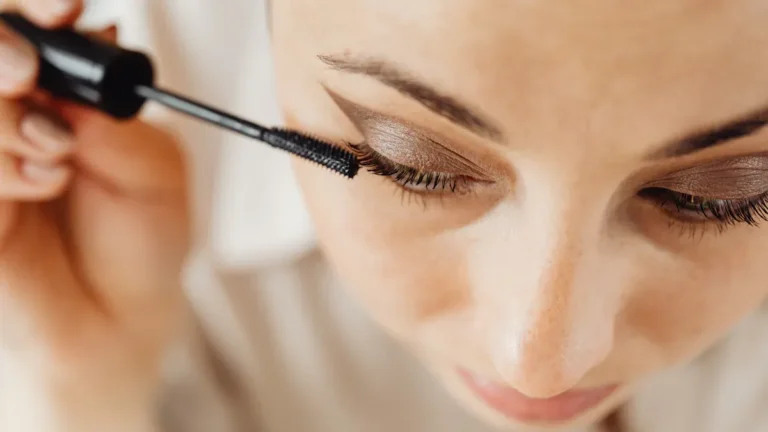
Eye makeup requires especially careful removal because the eyelids and lash line are thin, delicate areas that are easily irritated through friction. A saturated cotton pad with micellar water or an oil-based remover should rest briefly on closed lids before wiping downward with minimal pressure. This limits lash breakage, supports eyelash care, and helps people maintain a calm, polished routine together.
- Hold the pad in place for several seconds to loosen pigment.
- Wipe in short, gentle strokes, never rubbing side to side.
- Use clean cotton swabs for tight areas near the inner corner, with contact lens safety in mind.
If residue remains, repeat with fresh product rather than tugging. Consistent, gentle removal reduces inflammation and preserves the skin barrier around the eyes.
Rinse With Lukewarm Water
Lukewarm water is used to rinse away loosened cleanser, makeup residue, oils, and debris without stripping the skin or provoking irritation. In a proper lukewarm rinse, water temperature should feel neutral, neither hot nor cold, because extremes can increase dryness or leave residue behind.
Thorough rinsing helps reduce clogged pores, supports a clearer complexion, and limits the chance that cleanser films remain on the face. The rinse should be gentle and complete, especially along the hairline, jaw, nose, and eye area, where product often collects.
After cleansing, skin should be left clean but not tight, signaling that the barrier has been respected. Consistent control of water temperature also supports a routine that feels comfortable and sustainable for people aiming to care for skin well together.
Seal In Moisture With Cream Or Serum
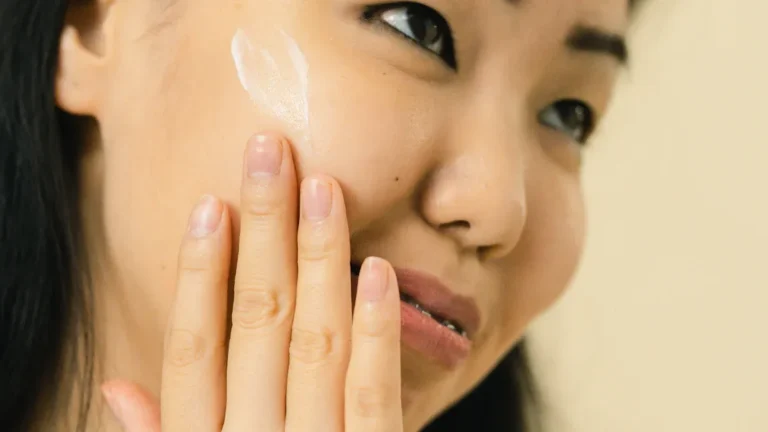
After cleansing and rinsing, moisturizer or a serum should be applied promptly to help reduce water loss from the skin surface and support barrier recovery.
This step improves moisture retention via creating an occlusive or humectant layer that limits transepidermal water loss.
For people who want skin that looks clear and feels balanced, consistent barrier support is especially crucial after makeup removal, whenever the skin can be transiently dry or sensitized.
- Serums deliver concentrated actives in a light texture.
- Creams add emollients and occlusives for greater moisture retention.
- Select fragrance-free formulas to minimize irritation and preserve barrier support.
Applied to slightly damp skin, these products can augment comfort, smoothness, and resilience.
Over time, disciplined post-cleansing care helps maintain a healthy, well-rested complexion for everyday confidence.
Frequently Asked Questions
How Often Should I Replace My Makeup Remover Pads?
Like a toothbrush, makeup remover pads should be replaced frequently. Disposable pads after one use. Reusable pads after each laundering routine. Storage hygiene matters too. Replace any pad showing fraying, odor, or persistent staining promptly.
Can Micellar Water Remove All Traces of Sunscreen?
Micellar water can remove some sunscreen, but micellar efficacy varies. Water resistant formulas often leave sunscreen residue. A second cleanse with a gentle, pH balanced cleanser is typically recommended for complete removal and healthier feeling skin.
Is It Okay to Remove Makeup Before or After Showering?
Before warm steam veils the bathroom, the preferred shower order is makeup removal first, then showering. This evening routine better prevents clogged pores, preserves the barrier, and leaves skin feeling cleaner, calmer, and included.
What Ingredients Should I Avoid in Makeup Removers?
She should avoid makeup removers containing fragrance, alcohol, and harsh surfactants especially when fragrance sensitivity is present. These ingredients can irritate skin, disrupt the barrier, and increase redness, dryness, and residue related breakouts.
How Do I Know if My Cleanser Is Irritating My Skin?
Irritation often appears as a warning flare: redness clues, stinging signs, burning, tightness, or peeling after cleansing. Persistent discomfort, especially with clean skin and no actives, suggests the cleanser is disrupting the barrier and needs replacement.