Makeup can look cakey for a few common reasons, and most of them start before foundation is even applied. Skipping skin prep, using the wrong formula, or layering too much product can leave makeup sitting on texture instead of blending in. Powder, primer, and setting spray mistakes can make the finish worse. The issue is often more avoidable than it initially appears, and the next steps show why.
Why Does Makeup Look Cakey?
Makeup often looks cakey whenever it sits on the skin instead of blending into it, and this usually points to one or more fixable issues in the application process.
In many cases, the concern begins with skin preparation. When cleansing, moisturizing, or gentle exfoliation is skipped, the surface may stay rough, dry, or uneven, causing foundation to cling in patches and disrupt makeup texture. Dry skin can absorb liquid products irregularly, while oily skin may prevent smooth adherence if it is not balanced first.
A well-prepared base helps makeup settle evenly and creates a more polished, cohesive finish. With proper skin preparation, the complexion feels supported, and the result appears more natural, comfortable, and inclusive of every feature.
Too Much Product on Skin
Heavy layering might seem like a way to increase coverage, yet it often makes imperfections more noticeable by settling into lines and texture. A better approach is to build coverage in thin, controlled steps, allowing each layer to meld before adding more.
Powder should be applied with restraint, especially in areas that naturally crease. With careful product use, the complexion can look polished, comfortable, and part of a shared standard of effortless beauty, rather than masked or overworked.
Skipping Skincare Before Makeup
As soon as the surface is properly hydrated, makeup grips more evenly and blends with less effort.
Without that preparation, dry patches become more visible and can make foundation look uneven and cakey.
Clean, Moisturized Base
A clean, moisturized base is essential for smooth makeup application, because skin that has not been properly cleansed and hydrated tends to resist blending and create a cakey finish. Effective skin cleansing removes oil, residue, and buildup that interrupt even coverage, while base hydration supports a softer surface for foundation to move across with ease. Whenever either step is skipped, makeup can settle into dry areas and highlight uneven texture.
- Gentle cleansing prepares the face for balanced application.
- Adequate moisturizer helps maintain comfortable skin throughout wear.
- Consistent prep gives the complexion a polished, included appearance.
For those seeking a cohesive look, this routine encourages makeup to sit more evenly and supports the shared goal of a refined, natural result.
Makeup Grips Better
When skincare is left out of the routine, makeup tends to grip unevenly and cling to rough or unprepared areas, making the finish appear heavier and less refined. Clean skin allows foundation to settle with better base adhesion, helping complexion products look smoother and more cohesive throughout the day.
Skipping cleansing, hydration, or light prep can leave the surface less receptive, so pigment gathers in some zones while sliding from others. For a more polished result, grip primers can help create a steadier hold, especially whenever applied before liquid or cream formulas.
This preparatory step supports a finish that looks intentional, not forced, and helps makeup feel like it belongs with the skin rather than sitting apart from it.
Dry Patches Show More
Dry patches become much more noticeable once makeup is applied over skin that has not been properly cleansed, hydrated, or prepped. In that state, foundation settles unevenly and creates dry patch visibility, especially where the surface is rough or flaky. The result is texture contrast: smooth areas look polished while dehydrated spots catch product and appear lighter, drier, and more obvious.
- A cheek with flaking skin may hold foundation like dust on a wall.
- Under-eye dryness can turn powder into a white, cracked layer.
- Around the nose, skipped skincare often leaves makeup breaking apart instead of blending.
When skincare is skipped, the face loses the even base needed for a cohesive finish, and the makeup can separate from skin rather than belong to it.
Foundation That Fits Your Skin Type
Choosing a foundation that matches the skin type is essential for preventing a cakey finish, since oily and dry skin have different texture and wear needs.
Matte, long-wearing formulas often suit oily skin, while hydrating, flexible formulas tend to blend better on dry skin without clinging to rough patches.
Coverage should be built gradually with a lightweight texture so the skin still looks smooth and natural rather than heavily layered.
Matching Formulas To Skin
A foundation that matches the skin’s needs can make the difference between a smooth finish and a heavy, cakey one. Formula compatibility matters because mismatched textures resist blending and can separate before the makeup settles. Ingredient matching helps identify whether a product will cooperate with the rest of the base, especially upon labels reveal whether formulas share a similar foundation system.
- Read ingredient lists for water or silicone cues before layering.
- Choose one formula family so the complexion looks unified, not fragmented.
- Examine a small amount to see whether the product melts in cleanly or sits visibly on top.
Whenever the base suits the skin, the finish appears more refined, and the wearer can feel aligned with a routine that supports comfort, polish, and belonging.
Oily Vs Dry Needs
Skin type strongly influences how foundation wears throughout the day, with oily and dry complexions each requiring different levels of balance and support. A proper skin type match helps foundation settle evenly rather than cling, slide, or underscore texture.
For dry skin, a formula that supports hydration balance is essential, because lack of moisture can lead to patchiness and visible flaking. For oily skin, a finish with controlled shine helps maintain a smoother surface and reduces product movement.
The most reliable approach is to choose a foundation designed for the complexion’s needs, then pair it with consistent skin care that respects the skin’s condition. If the formula and skin work together, the result feels more polished, comfortable, and naturally aligned.
Coverage Without Heavy Texture
Coverage without heavy texture depends on selecting a foundation that works with the skin’s natural condition instead of sitting above it. A skin-type match helps product settle evenly, which supports light coverage tips and a seamless finish.
Dry skin benefits from hydrating, fluid formulas; oily skin usually performs better with balanced, long-wearing bases; combination skin often needs flexible textures that do not cling or slide.
- Choose sheer-to-medium coverage initially, then build only where needed.
- Match formula to skin behavior, not trend or packaging.
- Blend with a damp sponge or soft brush for even distribution.
When the base supports the skin instead of competing with it, makeup feels more comfortable and looks refined, helping the wearer feel included in a polished, natural result.
Too Much Powder and Patchy Texture
Excess powder can quickly turn a smooth makeup application into a patchy, cakey finish through settling on top of the skin instead of blending into it. Strong powder control helps preserve texture balance and prevents buildup. If excess product is pressed onto the face, it can cling unevenly and leave some areas visibly denser than others.
| Area | Effect | Fix |
|---|---|---|
| T-zone | Shine control overload | Use a light dusting |
| Under eyes | Creasing | Apply sparingly |
| Cheeks | Patchiness | Blend with a soft brush |
| Chin | Product buildup | Remove excess initially |
| In total | Flat finish | Build gradually |
Skilled application keeps the complexion unified and polished, supporting a result that feels intentional and included rather than heavy.
Dry Patches That Make Makeup Look Cakey
Dry patches often cause foundation to cling unevenly, making makeup appear cakey and textured.
Proper skin preparation with gentle exfoliation and a hydrating moisturizer helps smooth flaky areas before application.
If patches persist, targeted treatment and a lightweight base can improve blending and reduce visible dryness.
Dry Skin Preparation
At the time makeup turns cakey on dry patches, the issue usually starts before foundation is applied. Dry skin benefits from a calm, structured routine that softens texture and supports adhesion. Gentle exfoliation removes surface buildup without creating irritation, while hydration enhancing steps help the skin hold moisture longer and feel more balanced.
- A soft cleanser clears residue so product can meet skin evenly.
- A nourishing moisturizer settles into rough areas, reducing the chance of patchy coverage.
- A primer chosen for dry skin creates a smoother base, helping makeup sit comfortably instead of clinging.
When preparation is consistent, the complexion appears more unified, and makeup blends with the skin rather than fighting it. That sense of ease often makes the finished look feel more polished and belonging.
Flaky Patch Fixes
Flaky patches often remain visible even after a thoughtful skincare routine, and they can make foundation grab unevenly, settle into texture, and appear cakey.
Effective flaky skin care begins with gentle cleansing, then a soft exfoliant to lift loose skin without causing irritation. Afterward, a richer moisturizer or balm should be pressed into the area and allowed to absorb fully. For immediate patch smoothing, a small amount of hydrating primer can help create a more uniform surface before makeup.
Foundation should be applied in thin layers with a damp sponge, concentrating less product over dry zones. Powder should be kept minimal, since excess can magnify flakes. As skin feels cared for and prepared, makeup is more likely to blend seamlessly and look balanced.
Layering Makeup Products the Wrong Way
Layering makeup products in the wrong order can quickly create a cakey finish because each step affects how the next one adheres and blends. When layer order mistakes happen, foundation may cling to unset primer or powder may grip cream product instead of smoothing it. Product timing gaps matter as well; applying the next formula before the previous one settles can trap moisture and create buildup.
- Primer should be allowed to set before foundation enters the routine.
- Cream products need a thin, even placement before powder is introduced.
- Setting products should follow only after base layers appear unified.
A careful sequence helps makeup feel like it belongs on the skin, not resting above it. Consistent pacing supports a refined finish and reduces the heaviness that often looks cakey.
Blending Mistakes That Leave Streaks
How does poor blending turn a polished base into visible streaks? It usually begins when foundation is moved across the face instead of pressed and diffused into the skin. Tool choice errors, such as using a dense brush for a sheer formula or a sponge that is too dry, can leave harsh lines and uneven coverage.
Rushed blending steps prevent edges from softening before the product sets, so marks remain visible around the nose, jaw, and hairline. A slower, section-by-section approach helps the base merge with natural texture and lets the wearer feel confident in a finish that looks unified. Gentle tapping, light buffing, and checking the face in natural light support a smoother result and reduce the streaked effect that breaks harmony.
Primer Problems That Cause Cakey Makeup
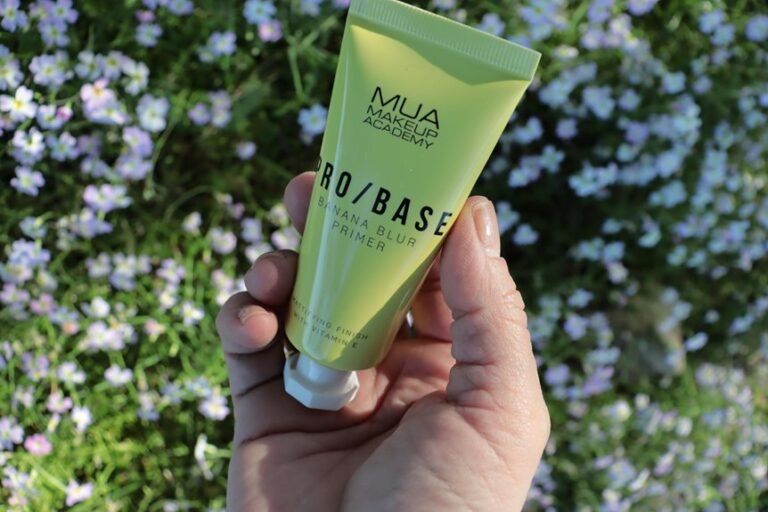
If primer is chosen or applied poorly, it can create a base that makes foundation cling to dry patches, settle into texture, or slide instead of staying smooth. A primer mismatch often happens when the formula does not suit the skin’s needs, leaving oily areas slick or dry areas stripped. Primer texture also matters: silicone-heavy primers can grip unevenly on rough skin, while thick, matte formulas may gather around pores and fine lines.
- A moisturizer-deprived cheek might catch product like sandpaper.
- A pore-filling layer might sit visibly over textured zones.
- A sweaty T-zone might break through an unsuitable base.
Careful selection and thin, even application help create a refined canvas that supports a comfortable, polished finish people can trust.
Setting Spray Mistakes That Make Makeup Look Heavy
Setting spray can help makeup last, but an improper formula or application can leave the finish looking dense, wet, or uneven instead of refined. Overapplying finishing mist is a frequent mistake; too many passes can saturate layers and make them sit heavily on the skin. Spray timing errors matter as well, because misting before powder has settled can disturb placement and reduce cohesion.
| Mistake | Result |
|---|---|
| Too much product | Heavy, tacky finish |
| Spraying too close | Uneven droplet marks |
| Spray timing errors | Disturbed makeup layers |
| Wrong formula | Excess shine or drag |
A fine, light cloud from an arm’s length allows the face to feel polished and united with the makeup.
Fine Lines and Creasing Under Makeup
Fine lines softening tips focus on light hydration, minimal product layering, and choosing formulas that flex with skin rather than mask it. Creasing control methods usually include applying thinner layers, pressing product in gently, and avoiding excess concealer in mobile areas.
- Hydrated skin gives makeup a smoother place to rest.
- Thin layers reduce the chance of product collecting in grooves.
- Soft, targeted blending supports a more seamless finish for those seeking a polished, relatable look.
How to Prevent Cakey Makeup All Day
Preventing cakey makeup all day begins with creating a smooth, well-balanced base before any product is applied. Gentle cleansing, exfoliation, and moisturizer help skin accept makeup evenly, reducing patchiness and dryness. Choosing compatible formulas and applying thin layers keeps foundation from sitting heavily on the surface. A light powder touch in the T-zone supports wear without emphasizing texture.
| Step | Purpose | Benefit |
|---|---|---|
| Prep skin | Hydrate and smooth | Better blend |
| Apply thinly | Build coverage slowly | Less buildup |
| Set strategically | Control shine | Lasting finish |
All day touchups should be minimal, using a sponge to press down separated areas instead of adding more product. Humidity control also matters; setting spray and blotting papers help maintain balance, especially as weather shifts. This routine supports a polished, confident look that feels included, comfortable, and naturally maintained.
Frequently Asked Questions
How Does Weather Affect Cakey Makeup?
Weather can make makeup look cakey whenever temperature swings and seasonal wind dehydrate skin or increase oil, causing foundation to separate, cling, and settle unevenly. In medieval terms, the complexion becomes a less forgiving canvas.
Can Humidity Make Foundation Separate?
Yes, humidity can make foundation separate by weakening foundation stability and disrupting product emulsions. Excess moisture encourages slipping, patchiness, and clumping, especially when skin is already oily or layered with incompatible formulas.
Why Does Makeup Cling to Rough Skin?
Rough skin texture makes makeup cling because uneven surfaces increase foundation grip. Studies suggest nearly 70 percent of visible patchiness starts with poor prep. Hydration, gentle exfoliation, and compatible formulas help create a smoother, more welcoming finish.
Do Oil and Water-Based Products Mix Well?
No, oil and water based products do not mix well. Their product compatibility is limited and weak emulsion stability can cause separation, patchiness, and uneven application. Matching formulas helps makeup sit smoothly and blend more reliably.
How Does Dry Skin Change Foundation Coverage?
A desert dry complexion can make foundation absorption wildly uneven. With poor hydration balance, the skin pulls product inconsistently leaving patchy flaky coverage and emphasizing texture. Proper moisturizing helps create smoother more unified application.