Recognizing over-exfoliating your skin is crucial for maintaining healthy skin. Many people believe that more exfoliation leads to better results, but that’s a common misconception. In reality, understanding the signs of over-exfoliation can help you avoid damage. Dermatologists even call it an ‘epidemic’ among skincare users, highlighting how widespread this issue has become.
Key Takeaways
Recognize the signs of over-exfoliation, such as redness, dryness, and increased sensitivity. These symptoms indicate that your skin needs a break.
Stop exfoliating for 1-2 weeks to allow your skin to heal. Use this time to focus on hydration and gentle skincare products.
Adjust your exfoliation routine based on your skin type. Exfoliate 1-3 times a week to maintain healthy skin without causing irritation.
Exfoliation Basics
What is Exfoliation?
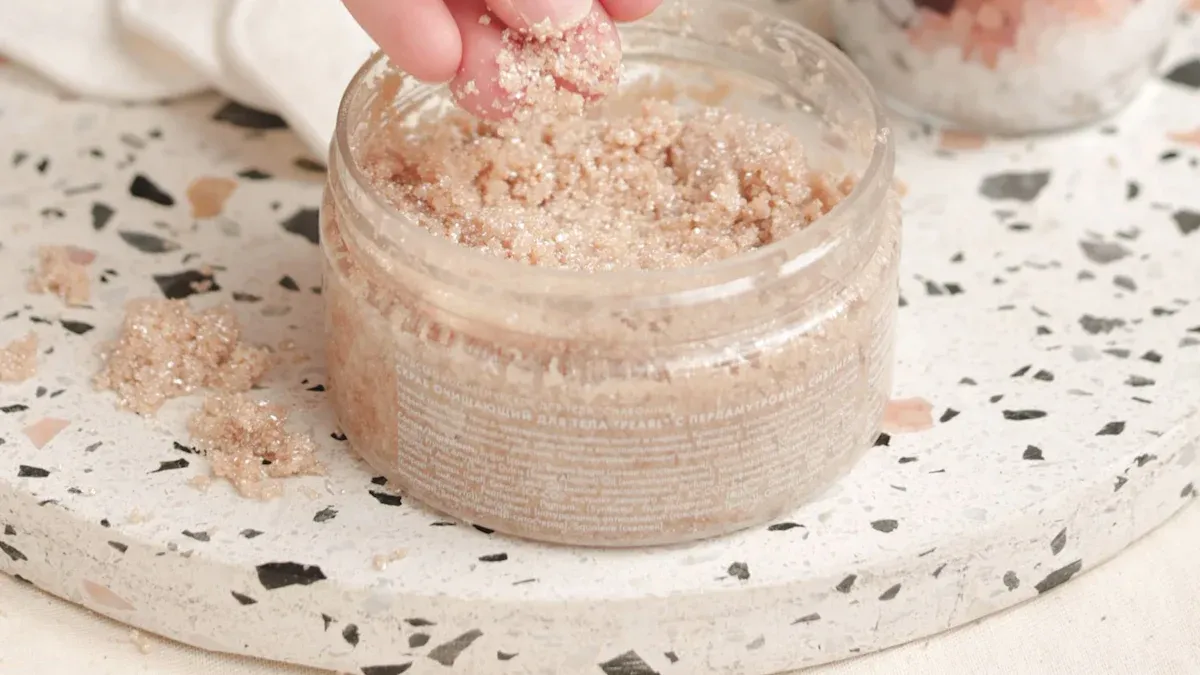
Exfoliation is the process of removing dead skin cells from the surface layer of your skin. You can achieve this through two main methods:
Physical Exfoliation: This involves manually rubbing away dead skin cells using products like scrubs or tools such as brushes.
Chemical Exfoliation: This method uses acids to dissolve dead skin cells, improving your skin’s texture without the need for scrubbing.
In cosmetology, exfoliation helps clear away built-up dirt and debris, revealing fresher skin underneath.
Benefits of Exfoliation
Exfoliating your skin offers several benefits that can enhance your overall complexion:
Smoother, softer skin: By removing dead skin cells, you improve your skin’s texture.
Reduced acne and blackheads: Regular exfoliation prevents clogged pores, which can lead to breakouts.
Improved absorption of skincare products: Exfoliation clears barriers, allowing your products to penetrate better.
Reduced appearance of fine lines and wrinkles: It promotes new skin cell growth, minimizing visible signs of aging.
Brighter, more even skin tone: Exfoliation reveals fresher skin, enhancing your overall complexion.
However, moderation is key. Over-exfoliating can lead to a compromised skin barrier, resulting in irritation and sensitivity. Listen to your skin and adjust your routine accordingly to maintain its health.
Signs of Over-Exfoliation
Redness and Irritation
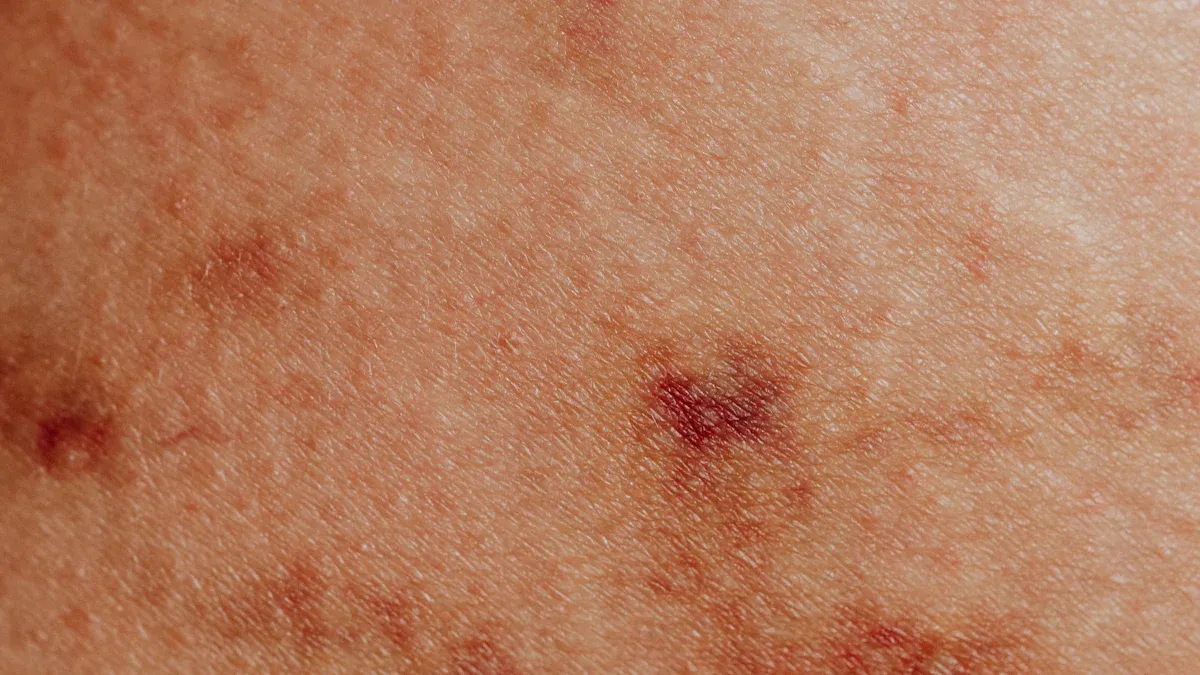
If you notice your skin becoming red and irritated, it might be a sign of over-exfoliating your skin. This redness often indicates inflammation, which can occur when you strip away too many layers of skin. You may also experience a burning or stinging sensation. These symptoms of over-exfoliation suggest that your skin barrier is compromised, making it more vulnerable to irritation.
Dryness and Flakiness
Another common sign is dryness and flakiness. Over-exfoliation disrupts your skin’s natural moisture balance, leading to a rough texture. You might find that no matter how much moisturizer you apply, your skin still feels tight and dry. This happens because excessive exfoliation strips away the protective layer of your skin, making it harder for your skin to retain moisture.
Increased Sensitivity
Increased sensitivity and redness are also clear indicators of over-exfoliation. When your skin barrier weakens, it becomes more susceptible to environmental stressors. You may notice that products you once used without issue now cause discomfort. This heightened sensitivity can lead to a stinging or burning sensation when applying skincare products, making your routine feel more like a chore than a treat.
Breakouts and Acne
You might be surprised to learn that over-exfoliation can actually lead to more breakouts. While exfoliation is meant to prevent clogged pores, too much can have the opposite effect. Stripping your skin of its natural oils can trigger an increase in oil production, leading to breakouts. If you find yourself dealing with sudden acne flare-ups, it could be time to reassess your exfoliation habits.
Tightness and Dehydration
Feeling tight and dehydrated is another sign that you may be over-exfoliating. Despite using moisturizers, your skin might still feel parched and uncomfortable. This occurs because a damaged skin barrier can’t hold onto moisture effectively. As a result, you may experience flaky, tight, or peeling skin that feels rough to the touch.
Remember, a healthy skin barrier is essential for maintaining hydration. If your skin feels tight, it’s a clear signal to cut back on exfoliation.
Shiny or Waxy Appearance
Have you noticed a shiny or waxy appearance on your skin? This can be a result of over-exfoliation. When you remove too many surface skin cells and natural oils, your skin may develop a tight, wax-like texture. This shiny look can be misleading, as it often indicates that your skin is lacking the moisture it needs to appear healthy.
Chronic Inflammation
Chronic inflammation is a serious consequence of over-exfoliation. If you consistently experience redness, irritation, or breakouts, your skin’s defense systems may begin to collapse. This can lead to increased pigmentation, dark spots, and even premature signs of aging. If you find that your skin is reacting negatively over time, it’s crucial to adjust your exfoliation routine to prevent long-term damage.
By recognizing these signs of over-exfoliation, you can take steps to protect your skin and maintain its health. Always listen to your skin and adjust your routine accordingly.
Remedies for Over-Exfoliation
Stop Exfoliating Temporarily
The first step to remedy over-exfoliation is to stop exfoliating altogether. Give your skin a break for at least 1-2 weeks to allow it to rebuild its barrier. If your skin feels particularly damaged, consider extending this break to four weeks. During this time, your skin can recover and regain its natural balance.
Hydrate and Moisturize
Next, prioritize hydration and barrier repair. Use gentle, hydrating products to soothe your skin. Look for moisturizers that contain:
Ceramides: These help restore the skin barrier.
Squalane: This ingredient locks in moisture.
Plant oils: They provide nourishment and hydration.
A gentle cleanser paired with a barrier-support moisturizer can minimize moisture loss and improve comfort. Remember, hydration is key to repairing over-exfoliated skin.
Consult a Dermatologist
If you notice excessive dryness or irritation after exfoliating, it’s wise to consult a dermatologist. This is especially important if you have dry or sensitive skin. A professional can help you determine the best course of action and adjust your exfoliation frequency based on your skin type. If you’re dealing with persistent breakouts or irritation, don’t hesitate to seek expert advice.
Adjust Your Routine
Once your skin starts to heal, it’s time to adjust your skincare routine to prevent over-exfoliation in the future. Here are some tips:
Exfoliate two to three times a week based on your skin type.
After achieving a clean base of unclogged pores, consider reducing exfoliation to once or twice a week.
Pay attention to how your skin reacts and adjust your exfoliation frequency as needed.
Use soothing products if your skin becomes irritated.
By making these adjustments, you can help maintain your skin’s health and prevent over-exfoliation from happening again.
Prevention Tips
Know Your Skin Type
Understanding your skin type is essential for preventing over-exfoliation. Different skin types—like oily, dry, or sensitive—have unique needs. For example, if you have oily skin, you might tolerate more frequent exfoliation than someone with dry skin. Tailoring your routine based on your skin type helps you avoid irritation and keeps your skin healthy.
Choose the Right Exfoliant
Selecting the right exfoliant can make a big difference. Here are some tips to guide you:
For Dry Skin: Use gentle, hydrating exfoliants like lactic acid or enzyme-based products. Avoid harsh scrubs.
For Oily Skin: Opt for chemical exfoliants like salicylic acid. Steer clear of heavy scrubs.
For Sensitive Skin: Stick to mild exfoliants, such as enzyme masks. Avoid strong acids and rough scrubs.
For Combination Skin: Alternate between chemical and physical exfoliants, adjusting based on your skin’s needs.
Follow a Balanced Routine
Maintaining a balanced skincare routine is key. Limit exfoliation to 1-3 times per week based on your skin type. Here’s a quick reference for how often to exfoliate:
Skin Type | Recommended Frequency |
|---|---|
Oily or acne-prone skin | 2-3 times a week (daily for BHA) |
Normal or combination skin | 1-2 times a week (adjust as needed) |
Dry, sensitive, or mature skin | Once a week or every other week |
By knowing your skin type, choosing the right products, and following a balanced routine, you can prevent over-exfoliation and keep your skin looking its best!
Over-exfoliation can lead to several skin issues, including increased sensitivity, dryness, and breakouts. If you notice signs like tightness or a shiny appearance, it’s time to reassess your routine.
Remember to listen to your skin! Maintaining a balanced skincare routine is essential for long-term health. Focus on gentle cleansing, hydration, and barrier repair. This approach not only protects your skin but also boosts your confidence and slows signs of aging.
Stay mindful of your exfoliation habits, and your skin will thank you!
FAQ
What should I do if my skin feels irritated after exfoliating?
If your skin feels irritated, stop exfoliating for a while. Focus on hydration and soothing products to help your skin recover.
How often should I exfoliate my skin?
You should exfoliate 1-3 times a week, depending on your skin type. Adjust based on how your skin reacts to exfoliation.
Can over-exfoliation cause long-term damage?
Yes, over-exfoliation can weaken your skin barrier, leading to chronic inflammation, sensitivity, and premature aging. Always listen to your skin’s needs.