Prepping skin before makeup is crucial for achieving a flawless look. When you take the time to prep skin, you enhance the overall appearance and longevity of your makeup application. A proper makeup prep skincare routine can make all the difference. You’ll notice smoother application and a more radiant finish!
Key Takeaways
Know your skin type to choose the right products. Oily skin needs oil-free options, while dry skin benefits from rich moisturizers.
Cleansing and hydrating your skin are essential. Clean skin allows makeup to apply smoothly, and hydration helps it last longer.
Regular exfoliation removes dead skin cells, creating a smoother surface for makeup. Be careful not to over-exfoliate to avoid irritation.
Know Your Skin Type
Understanding your skin type is the first step in prepping for makeup. Each skin type has unique needs, and knowing yours helps you choose the right products for a flawless finish.
Oily Skin Needs
If you have oily skin, you likely deal with excess shine and clogged pores. To manage this, opt for oil-free products. Here are some tips:
Use oil-free foundations and concealers to prevent shine.
Avoid heavy creams that can exacerbate oiliness.
Incorporate a gentle exfoliant to keep pores clear.
Remember, maintaining a healthy diet and staying hydrated can help regulate oil production!
Dry Skin Needs
Dry skin can lead to patchy makeup application. To combat this, focus on hydration. Here are some effective steps:
Compress your skin with a warm cloth to soften it.
Cleanse gently, paying attention to dry patches.
Apply a rich moisturizer immediately after cleansing to lock in hydration.
Using creamy foundations with hydrating ingredients like hyaluronic acid can also help your makeup adhere better and look smoother.
Combination Skin Needs
Combination skin presents a unique challenge, with oily areas in the T-zone and dryness on the cheeks. Here’s how to prep effectively:
Treat oily areas with lightweight, oil-absorbing products.
Use richer moisturizers on dry patches.
Adjust your routine based on how your skin feels each day.
By understanding your skin type, you can select products that enhance your natural beauty and ensure your makeup looks its best.
Cleanse and Hydrate
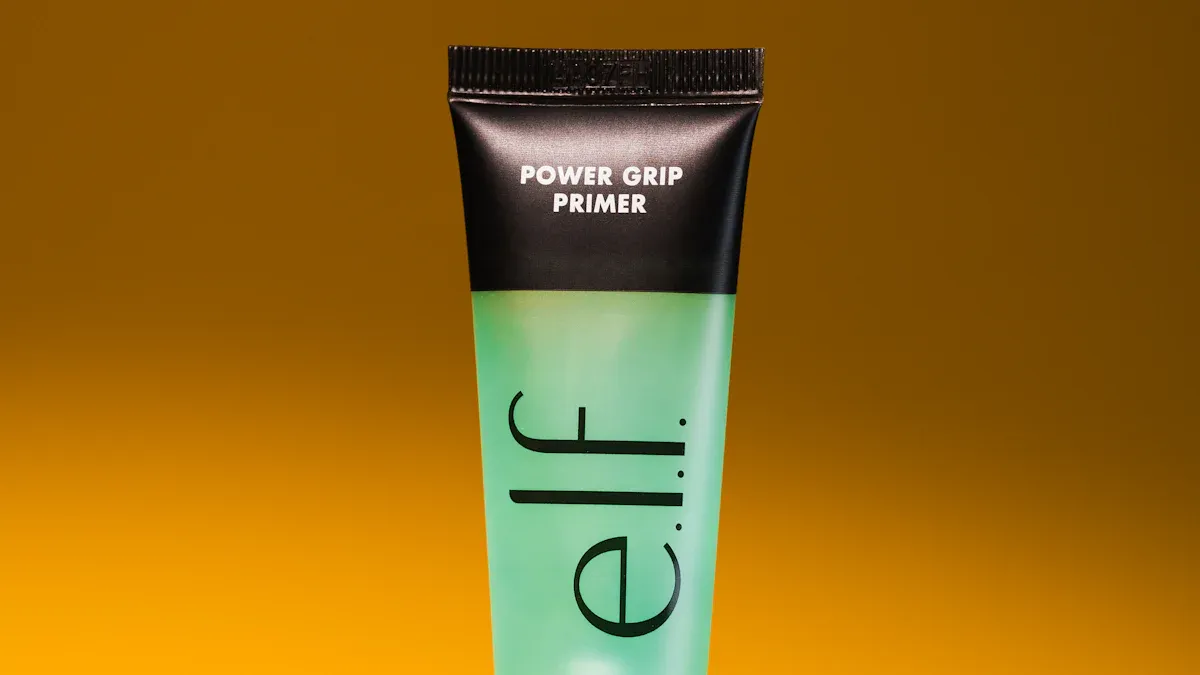
Cleansing and hydrating your skin are essential steps in prepping your skin for makeup. When you cleanse, you remove dirt, oil, and impurities that can interfere with makeup application. Hydration, on the other hand, ensures your skin looks plump and healthy, allowing makeup to glide on smoothly.
Choosing the Right Cleanser
Selecting the right cleanser is crucial for your skin type. Here’s a quick guide to help you choose:
Cleanser Type | Ideal For | Recommended Product |
|---|---|---|
Foaming Face Washes | Normal, Oily, Combination, Acne-Prone | CeraVe Foaming Facial Cleanser |
Cream & Lotion Cleansers | Normal, Dry, Sensitive | CeraVe Hydrating Facial Cleanser |
Using the right cleanser helps maintain your skin’s balance. For oily skin, foaming cleansers work wonders by removing excess oil. If you have dry skin, creamy cleansers provide the moisture your skin craves.
Importance of Hydration
Hydration plays a vital role in how your makeup looks and lasts throughout the day. When your skin is well-hydrated, it enhances the overall quality of your makeup. Here are some benefits of proper hydration:
Hydrated skin allows for smoother makeup application.
It helps makeup last longer and prevents it from settling into fine lines.
The hydrolipidic film on your skin, strengthened by hydration, acts as a protective barrier, improving the overall appearance of makeup.
To keep your skin hydrated, consider using a lightweight moisturizer or a hydrating serum after cleansing. This step ensures your skin feels fresh and ready for makeup application.
By taking the time to cleanse and hydrate your skin, you set the stage for a flawless makeup look that lasts all day.
Exfoliate Regularly
Exfoliating your skin regularly is a key step in preventing dry and flaky patches that can ruin your makeup look. When you exfoliate, you remove dead skin cells, which helps smooth the surface of your skin. This process not only makes your skin feel softer but also allows your makeup to apply more evenly.
Methods for Effective Exfoliation
You can choose between two main types of exfoliation: physical and chemical. Each has its benefits, so let’s break them down:
Aspect | Physical Exfoliation | Chemical Exfoliation |
|---|---|---|
Skin Sensitivity | Can aggravate sensitive skin | Tends to be less harsh |
Immediate Results | Provides immediate smoothness | Improvements may take longer to notice |
Skin Brightening | Increases blood flow for a glow | Helps brighten skin |
Home Use | Easier to damage skin if overused | May cause dryness, but less risk of damage |
Additional Benefits | Primarily smooths skin | Stimulates collagen production and improves elasticity |
Precision | Requires practice for even application | Easier to achieve uniform exfoliation |
Common Methods | Scrubs, brushes, loofahs | Facial peels, AHAs, BHAs |
When it comes to how often you should exfoliate, it depends on your skin type and lifestyle. Here’s a quick guide:
Condition | Recommended Exfoliation Frequency |
|---|---|
Winter | Once weekly |
Summer | Two to three times weekly |
Active lifestyles | Every 2–3 days after heavy sweating |
However, be careful not to over-exfoliate. Doing so can lead to issues like redness, inflammation, and even breakouts. Signs of over-exfoliation include burning sensations, flaky skin, and increased sensitivity.
By incorporating regular exfoliation into your skincare routine, you’ll achieve a smoother canvas for your makeup, ensuring it looks fresh and lasts longer throughout the day.
Tone and Moisturize
Toning and moisturizing are essential steps in prepping your skin for makeup application. These steps help create a smooth canvas, ensuring your makeup looks fresh and lasts longer.
Benefits of Toning
Toners play a vital role in your skincare routine. After cleansing, they help restore your skin’s pH balance, which can get disrupted during cleansing. This balance is crucial because it prevents irritation and excessive oiliness. By using a toner, you can bring your skin back to its optimal pH level, making it more receptive to makeup.
Toners also help remove any leftover dirt or makeup that your cleanser might have missed. This extra step ensures your skin is clean and ready for the next phase of your routine. Here’s a quick look at the types of toners you might consider based on your skin type:
Skin Type | Recommended Toner Type | Key Ingredients |
|---|---|---|
Dry Skin | Hydrating formulas with humectants | Hyaluronic acid, Glycerin |
Acne-Prone Skin | Oil-free, noncomedogenic formulas | – |
Sensitive Skin | Gentle, fragrance-free formulas with anti-inflammatory actives | Aloe Vera |
Using the right toner can enhance your makeup results significantly. It prepares your skin by ensuring it’s clean and balanced, setting the stage for a flawless makeup application.
How to Moisturize Effectively
Moisturizing is just as important as toning. A good moisturizer locks in hydration, which is essential for smooth makeup application. When your skin is well-hydrated, makeup adheres better and lasts longer. Here are some tips for effective moisturizing:
Choose the right moisturizer for your skin type. If you have oily skin, opt for a lightweight formula. For dry skin, a rich cream works wonders.
Apply your moisturizer on slightly damp skin. This technique helps seal in moisture and creates a smoother base for your makeup.
Consider using a jade or rose quartz roller during application. This not only feels great but also stimulates collagen production, giving your skin a healthy glow.
Makeup artist Sir John emphasizes that adequate moisturizing is key. He suggests that applying foundation on slightly damp skin allows for better blending and a more organic finish.
To prep your skin effectively, look for moisturizers with beneficial ingredients like:
Hyaluronic acid for hydration
Ceramides for barrier repair
Glycerin for a dewy finish
By following these steps to tone and moisturize, you’ll create a perfect base for your makeup, ensuring it looks even and lasts throughout the day.
Protect with SPF
Applying sunscreen before your makeup is a must. It acts as a shield against harmful UV rays that can damage your skin. Dermatologists recommend using sunscreen with at least SPF 30 for daily wear, especially when you plan to wear makeup. This level of protection helps keep your skin safe from UVB rays, which can cause sunburn and long-term damage.
Here’s why you should never skip this step:
Consistent use of sunscreen prevents fine lines, wrinkles, and discoloration. These are all signs of premature aging.
Sunscreen serves as your first line of defense against collagen breakdown. This helps maintain your skin’s youthful appearance.
Did you know that over 30% of adults skip sunscreen in their daily routine? This can lead to serious consequences. Here are some alarming facts:
80% of adults have experienced at least one sunburn.
Sunburns can increase your risk of skin cancer and cause lasting skin damage.
By applying sunscreen, you block UV rays that activate enzymes degrading collagen and elastin. These proteins are crucial for keeping your skin firm and elastic. So, don’t forget this important step in your makeup routine. Protect your skin, and it will thank you later!
Prime for Perfection
Using a primer can truly set the stage for flawless application. It creates a smooth surface for your foundation, minimizes the appearance of pores, and helps your makeup last longer. A good primer can also improve your skin’s texture and hydration, making it especially beneficial for those with uneven skin tones or aging skin.
When choosing the best makeup primer, consider your skin type. Here’s a quick guide to help you select the right one:
Skin Type | Recommended Ingredients | Finish Type |
|---|---|---|
Oily Skin | Oil-free, salicylic acid | Matte |
Dry Skin | Hydrating, hyaluronic acid | Dewy/Luminous |
Sensitive Skin | Gentle, hypoallergenic ingredients | Calming/Soothe |
If you have sensitive skin, look for gentle, hydrating primers. These formulations help replenish moisture and create a comfortable base for your makeup. They often contain soothing ingredients that prevent irritation and redness. Silicone-based primers can also work wonders, providing a soft, natural finish without causing discomfort.
Remember, the right primer can make a world of difference in your makeup application. It not only enhances the look of your foundation but also ensures it stays put throughout the day. So, don’t skip this important step in your routine!
To achieve a flawless makeup look, remember these key steps: cleanse, exfoliate, tone, moisturize, and prime. Establishing a consistent skin prep routine not only enhances your makeup application but also improves your skin’s health over time. Your skin deserves the best, so make this routine a priority!