Do you often find yourself battling with dry hair that feels like straw? You’re not alone! Many people, including 38% of women and 30% of men, struggle with dry and damaged locks. Establishing the best haircare routine can make a world of difference. It helps maintain your hair’s health and prevents further damage. In this blog, you’ll discover effective tips and products to restore moisture and shine to your hair.
Key Takeaways
Use hydrating shampoos with nourishing ingredients like jojoba and aloe to combat dryness.
Incorporate leave-in conditioners for ongoing moisture and protection against styling damage.
Follow a consistent daily and weekly hair care routine to improve hydration and overall health.
Avoid over-washing your hair to maintain natural oils and prevent dryness.
Choose products free from harsh chemicals like sulfates and parabens to protect your hair’s structure.
Causes of Damaged Hair
Environmental Factors
Your hair faces many challenges from the environment. Factors like pollution, UV radiation, and even stress can wreak havoc on your locks. Here are some common environmental culprits that contribute to damaged hair:
Stress: High stress levels can increase cortisol, which may inhibit hair growth and lead to conditions like telogen effluvium.
Harmful hairstyling methods: Overusing heat styling tools or aggressive styling can cause significant hair breakage.
Poor diet: A lack of essential nutrients, especially protein, can hinder your hair’s growth and strength.
Unhealthy lifestyle habits: Smoking and excessive alcohol consumption can negatively impact your hair health.
Environmental pollution: Exposure to pollutants can lead to sensitive scalp syndrome and hair loss.
Research shows that environmental pollutants, particularly particulate matter, can adversely affect hair health. These pollutants can lead to changes in hair structure and loss of shine, especially for those living in polluted areas.
Additionally, UV radiation can be particularly damaging. It leads to degradation of hair proteins, especially keratin, which affects the cuticle. This damage results in increased porosity, making it harder for your hair to retain moisture. Here’s a quick look at how UV exposure affects your hair:
Aspect | Findings |
|---|---|
Hair Structure | UV radiation degrades hair proteins, affecting the cuticle. |
Moisture Retention | Damage to the cuticle increases porosity, making it difficult for hair to retain moisture. |
Free Radical Production | UV exposure generates free radicals that adversely impact hair proteins, leading to structural damage. |
Hair Treatments
While some hair treatments can help restore your hair’s health, others can cause more harm than good. Frequent use of heat styling tools like flat irons and blow dryers can severely weaken your hair. Here’s how:
Blow drying can lift and disrupt the hair cuticle, weakening the hair shaft and increasing the risk of breakage.
Heat styling tools can damage keratin, which is essential for strong hair, leading to split ends.
Repeated wetting and blow-drying can create cracks on hair cuticles, resulting in structural damage and color changes.
Extreme heat can lift the hair cuticle and weaken the cortex, making your hair more vulnerable to breakage.
Understanding these causes of damaged hair is the first step toward creating a routine that protects and nourishes your locks. By being aware of the environmental factors and the impact of hair treatments, you can make informed choices that promote healthier hair.
Best Haircare Routine Essentials
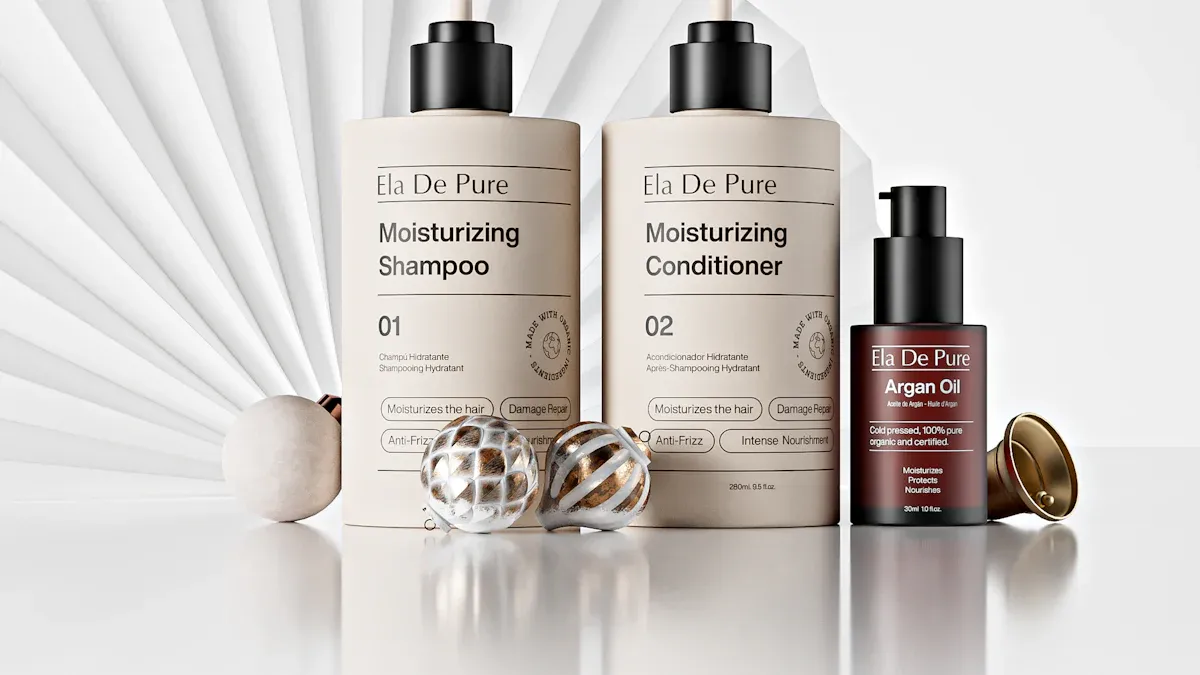
When it comes to restoring dry and damaged hair, choosing the right products is crucial. A solid hair care routine starts with hydrating shampoos and conditioners that nourish your locks and help retain moisture. Let’s dive into the essentials you need for your best haircare routine!
Hydrating Shampoos
A good hydrating shampoo is your first line of defense against dryness. Look for shampoos that contain ingredients known for their moisturizing properties. Here are some key ingredients to consider:
Ingredient | Benefits |
|---|---|
Jojoba | Locks in moisture, combats dryness, and leaves hair soft. |
Green Tea | Provides nourishment and helps maintain hair health. |
Adaptive f3 Bonding Complex | Rejuvenates and nourishes damaged strands. |
Alanine | Supports curl definition and reduces frizz. |
Virgin Poppy Seed Oil | Nourishes and hydrates hair. |
Aloe Leaf Juice | Combats dryness and restores shine. |
Panthenol | Enhances moisture retention and improves hair texture. |
Camellia Seed Oil | Provides nourishment and hydration. |
Violet Pigments | Neutralizes brassy undertones while hydrating. |
Hydrolyzed Quinoa | Strengthens hair and improves moisture retention. |
Avocado Oil | Deeply nourishes and hydrates hair. |
Using a nourishing shampoo with these ingredients can significantly improve your hair’s texture and moisture levels. Remember to choose sulfate-free options, as they help retain your hair’s natural oils, preventing further dryness.
Conditioners and Leave-Ins
Conditioners play a vital role in your hair care routine. They help restore moisture and improve manageability. Here’s a quick comparison of regular conditioners and leave-in conditioners:
Regular Conditioner:
Heavier and rinsed out, leaving hair moisturized and soft.
Ideal for deep conditioning treatment after shampooing.
Leave-In Conditioner:
Lightweight and stays in the hair, providing ongoing benefits.
Perfect for daily use to maintain moisture and protect against styling damage.
Feature | Regular Conditioner | Leave-In Conditioner |
|---|---|---|
Purpose | Hydrates, detangles, and softens hair | Provides ongoing moisture and protection |
Application Method | Used in the shower, rinsed out after a few minutes | Applied to damp or dry hair, left in without rinsing |
Effects on Hair | Coats hair strands, smooths cuticle, reduces frizz | Enhances manageability, protects against heat styling |
Ideal For | Deep conditioning treatment after shampooing | Daily use for styling and moisture boost |
Form | Cream or lotion | Sprays, creams, or serums |
Leave-in conditioners are especially beneficial for dry hair. They provide hydration, detangling properties, and protection from heat styling. If you have curly hair, a leave-in can be a game-changer, as it helps maintain moisture and reduces frizz.
Incorporating these products into your hair care routine will help you achieve healthier, more manageable hair. Remember, consistency is key!
Daily and Weekly Hair Care Routine
Daily Steps
To keep your hair healthy and hydrated, follow these daily steps:
Daily Shampooing: Wash your hair daily to remove dirt and oil. This keeps your scalp clear and helps maintain hydration. If your hair is fine or oily, you might need to wash it every 1-2 days. For thicker or curly hair, aim for every 3-5 days.
Pre-Shampoo Conditioning Treatment: Consider using a pre-shampoo treatment like Elasticizer at least once a week. If your hair is very damaged, you might want to use it twice a week. This treatment helps prepare your hair for washing and adds extra moisture.
Gentle Drying: After washing, gently pat your hair dry with a towel. Avoid rubbing, as this can cause breakage. If you use a blow dryer, keep it on a low heat setting to minimize damage.
Leave-In Conditioner: Apply a leave-in conditioner to damp hair. This provides ongoing hydration and protection throughout the day.
Weekly Treatments
In addition to your daily routine, incorporate these weekly treatments for deeper hydration:
Deep Conditioning Treatment: Use a deep conditioning mask once a week. This helps restore moisture and repair damage. For freshly colored or damaged hair, consider doing this 1-2 times a week initially, then reduce as your hair improves.
Protein Treatments: If your hair feels weak or brittle, try a protein treatment once every 1-2 weeks. These treatments help rebuild the protein structure of your hair, improving strength and elasticity.
Scalp Care: Don’t forget your scalp! Use a gentle exfoliating scrub or a scalp treatment once a week to remove buildup and promote healthy hair growth.
By following these daily and weekly steps, you can significantly improve your hair’s hydration and overall health. Remember, consistency is key to achieving the best results!
Tips for Maintaining Healthy Hair
Protective Styles
Protective styles are a fantastic way to keep your hair healthy and minimize damage. They reduce daily manipulation, which can lead to breakage and split ends. Here are some effective protective styles you can try:
Braids: These minimize friction and split ends. Plus, they’re versatile for any occasion.
Twists: They lock in moisture and reduce tangling, making them easy to maintain.
Buns: Buns protect your ends from damage and shield them from environmental factors.
Loose/Low Ponytail: This low-tension style keeps your hair secure while reducing damage.
Claw Clip Styles: These offer a gentle hold that minimizes tension and breakage.
Using protective styles not only helps retain moisture but also supports hair growth by creating a healthy environment for your scalp and strands. They limit heat damage by reducing the need for hot styling tools, making them a smart choice for anyone with dry or damaged hair.
Hydration Tips
Keeping your hair hydrated is essential for its health. Here are some effective hydration techniques recommended by haircare professionals:
Wash with Ultimate Smooth Shampoo: Start with a gentle shampoo that cleanses while nourishing dry hair.
Hydrate with Ultimate Smooth Conditioner: Follow up with a conditioner that deeply nourishes and hydrates your hair.
Treat with Ultimate Smoother Miracle Hair Oil: Finish with a hair oil that provides moisture and frizz control.
Deep Condition Weekly: Use a rich hair mask or deep conditioner for an extra boost of hydration.
Skip Hot Showers: Use lukewarm water to prevent moisture loss from your hair.
Hydrate Overnight: Apply a hydrating lotion overnight for continuous moisture.
Don’t forget that drinking enough water is crucial for your hair’s hydration. Well-hydrated hair is more resilient and exhibits better shine and flexibility. Aim to drink plenty of water daily to support your hair health from the inside out.
Regular trims also play a vital role in maintaining healthy hair. They prevent split ends, which can lead to breakage. Most experts recommend trimming every 6-8 weeks to keep your hair looking its best.
By incorporating these tips into your routine, you can maintain healthy, hydrated hair that shines with vitality!
Common Mistakes in Hair Care
Over-Washing
Many people think washing their hair every day is the best way to keep it clean. However, over-washing can actually do more harm than good. Here’s why:
Strips Natural Oils: Washing too often removes the natural oils your scalp produces. This leads to dryness and can make your scalp feel tight and itchy.
Cycle of Greasiness: When you wash frequently, your scalp may produce more oil to compensate. This creates a cycle where you feel the need to wash even more.
Signs of Over-Washing: If your hair looks greasy, tangles easily, or feels dry and brittle, you might be washing too much. You may also notice more split ends and hair loss.
To avoid these issues, try washing your hair every 2-3 days instead. This allows your scalp to maintain its natural balance.
Wrong Product Choices
Choosing the wrong hair care products can worsen the condition of dry and damaged hair. Many products contain harsh chemicals that weaken your hair structure. Here are some ingredients to avoid:
Parabens: These preservatives can irritate your scalp.
Sulfates: They strip away natural oils, leading to dryness.
Alcohol: Certain types can dry out your hair, making it brittle.
Instead, look for products with nourishing ingredients like oils and proteins. These can help restore moisture and improve your hair’s health.
Remember, your hair deserves the best care! By avoiding these common mistakes, you can keep your locks looking vibrant and healthy.
In summary, caring for dry and damaged hair involves understanding its causes and adopting a tailored routine. Key steps include using hydrating shampoos, conditioners, and regular deep treatments. These practices can lead to long-term benefits, such as:
Benefit | Explanation |
|---|---|
Repairs structural damage | Deep conditioning treatments penetrate the hair shaft to repair and restore hair health. |
Restores moisture balance | These treatments help maintain the necessary moisture levels in dry and damaged hair. |
Reduces breakage and split ends | Regular deep conditioning minimizes hair breakage and the occurrence of split ends. |
Remember, it takes time to see improvements. Give your new routine at least 2-3 weeks to work its magic. Stay patient and consistent, and you’ll soon enjoy healthier, more vibrant hair! 🌟
FAQ
What should I do if my hair feels dry and brittle?
If your hair feels dry and brittle, start using a nourishing hair mask weekly. Look for masks with hydrating ingredients like oils and proteins. Regular deep conditioning can restore moisture and improve your hair’s texture.
How often should I wash my hair?
You should wash your hair every 2-3 days to avoid stripping natural oils. If your hair is very oily, you might wash it more often. For dry hair, less frequent washing helps retain moisture.
Can I use heat styling tools on dry hair?
It’s best to avoid heat styling tools on dry hair. If you must use them, apply a heat protectant first. This helps minimize damage and keeps your hair looking healthier.
How can I keep my hair hydrated?
To keep your hair hydrated, use a hydrating shampoo and conditioner. Incorporate a weekly hair mask into your routine. Also, drink plenty of water to support hydration from the inside out.
What are protective styles, and why are they important?
Protective styles, like braids or buns, help minimize damage by reducing daily manipulation. They protect your ends and keep moisture locked in, promoting healthier hair growth.